Of all the survival strategies used by animals to survive the winter, surely the weirdest is to literally lose their mind. Believe it or not, several UK mammals reduce the size of their brains in autumn and grow them back in spring. And in the case of Common Shrews, it is known to affect their cognitive ability.
It isn’t at all uncommon for animals to reduce the size of certain organs at different times of the year. In the case of birds, the gonads often shrivel almost to nothing in autumn and winter, when they aren’t needed, and migrant birds often shrink organs such as the liver and kidneys for their journeys.
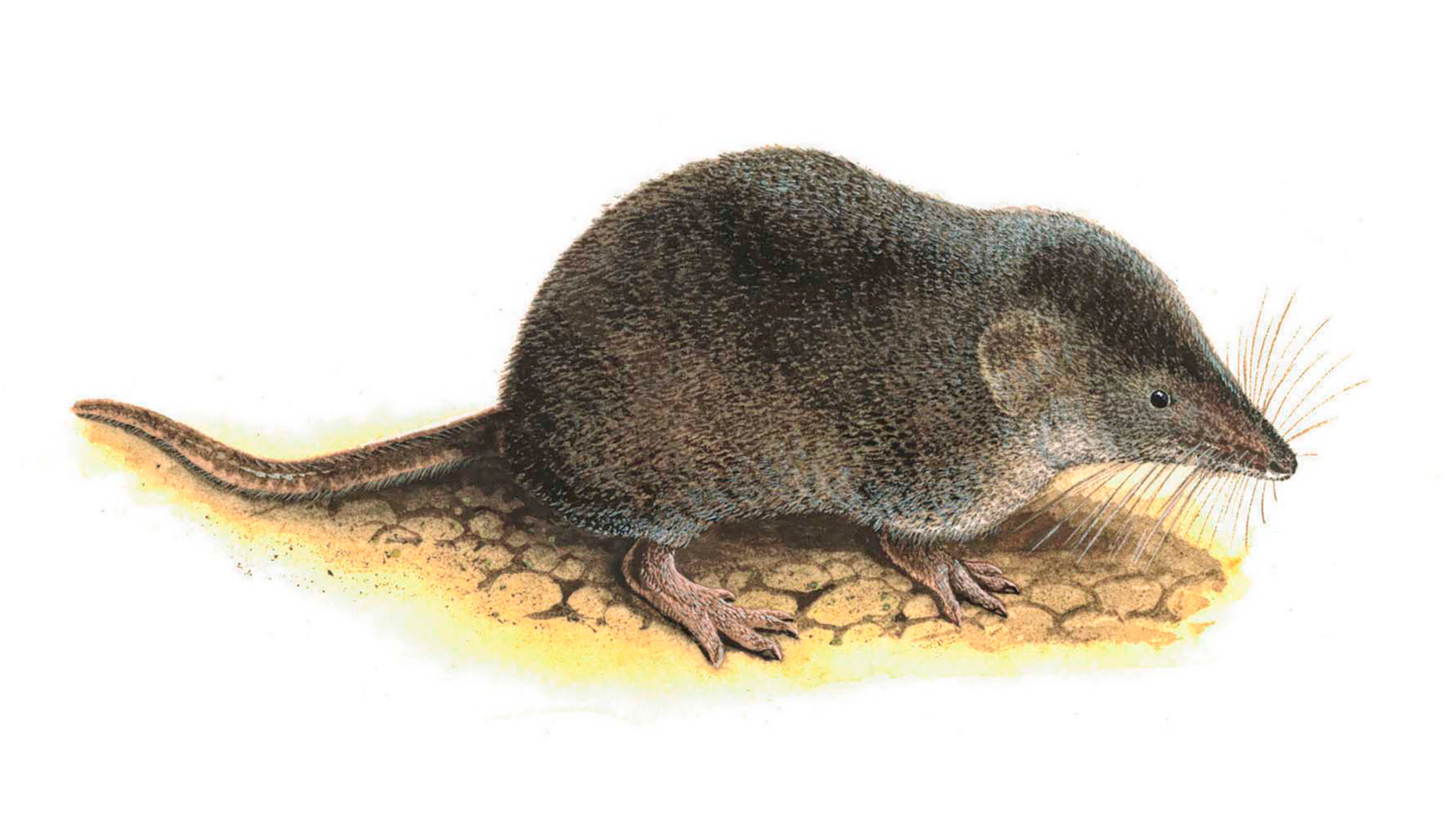
On average, Common Shrews’ brain cases reduce in size by 15.3% between summer and November. Illustration: Chris Shields (rspb-images.com)
Recent research, though, has uncovered some really bizarre shrinkage phenomena in Common Shrews, Moles and Weasels, all of which are highly active all year round and which cannot migrate to warmer climates. It is most extreme in Common Shrews, supercharged small-bodied animals that have to eat constantly night and day. On average, their brain cases reduce in size by 15.3% between summer and November (and the brain tissue itself is 9% lighter), and then regrow by 9.3%, never completely recovering in size even the next summer. And it isn’t just the brain; changes in other parts of the skeleton and tissues mean that a Common Shrew becomes 17.6% lighter in winter, but as the breeding season approaches its weight balloons by 83.4%. This is known as Dehnel’s Phenomenon.
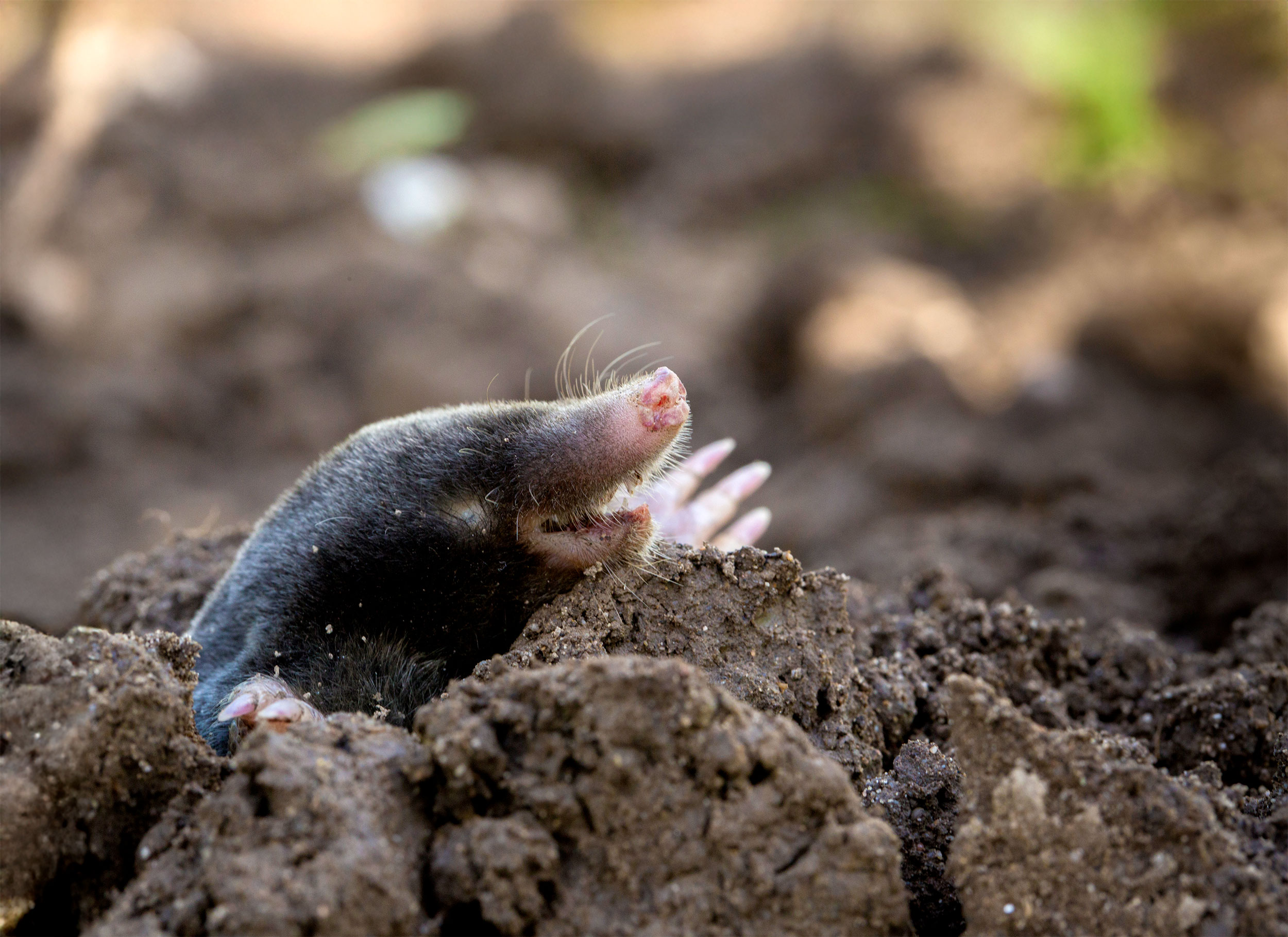
Among Moles, as winter approaches, the head reduces in size by 11% and then grows 4% in the spring. Moles live longer than shrews, and studies have shown that there is a much smaller effect the following autumn. Juvenile Weasels’ braincase measurements reduce by 16% and then grow by 4%, and the effect is strongest in males.
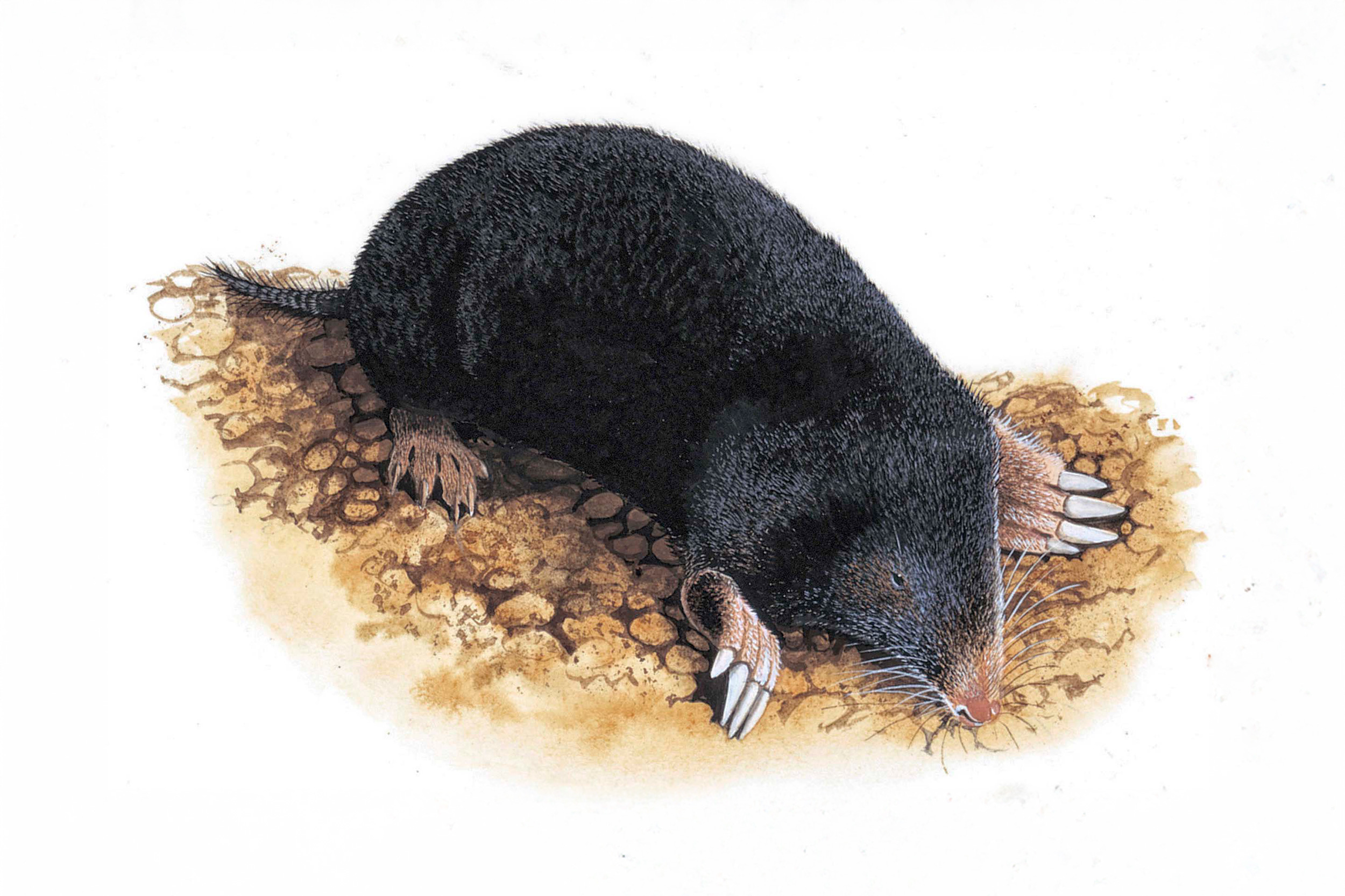
Recent research has shown brain reduction in Moles is triggered by cold temperatures. Illustration: Chris Shields (rspb-images.com)
Dehnel’s Phenomenon has long been a mystery, but recent research in Moles has shown the brain reduction to be triggered by cold temperatures and is thus related to saving energy. The brain is one of the most energy-expensive organs, so any savings are beneficial. Overall, smaller animals require less energy to feed themselves than larger animals.
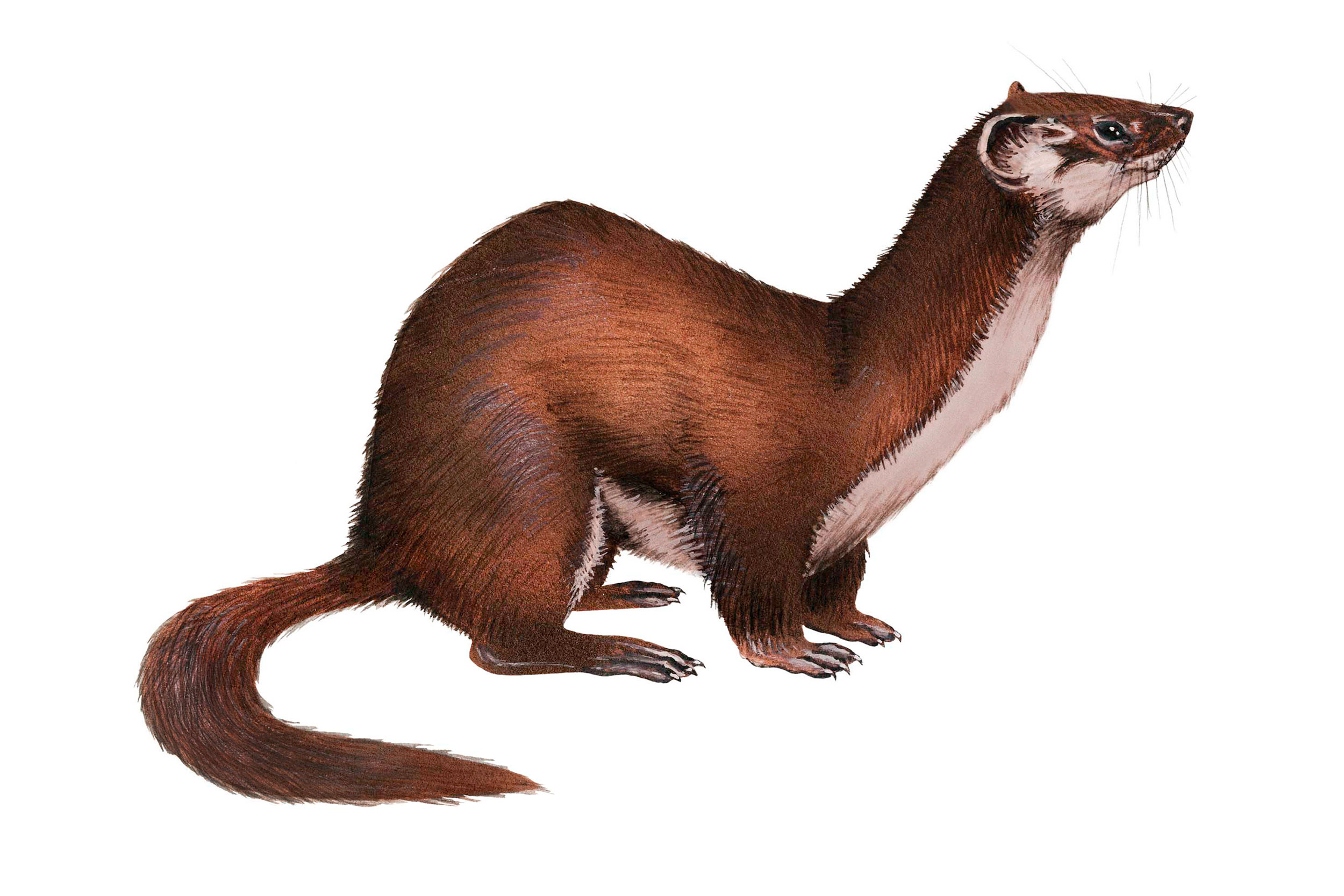
The brains of male Weasels are more affected by seasonal changes than females. Illustration: Universal Images Group North America LLC (Alamy Stock Photo)
The processes underlying the change are beginning to be worked out, and it seems that the brain shrinkage is caused by water being drawn out of the neurons, seemingly without damaging them. This is most unusual and may have promising implications in preventing brain tissue damage in humans.
You might also like
The spotter’s challenge: Butterflies
The tale of tails: what are they for?