Whether you live in the middle of a city or within a small village, community action plays a crucial role in the preservation of many of the locations that you visit to enjoy nature. We are living in an age where a lot of natural places must be actively managed and protected by us. Throughout my career as a broadcaster, writer and campaigner for urban birds I have been involved in many campaigns and projects designed to protect urban natural spaces.
As involved as I have been with some of them, there is only one that is truly entwined within the core of my being.
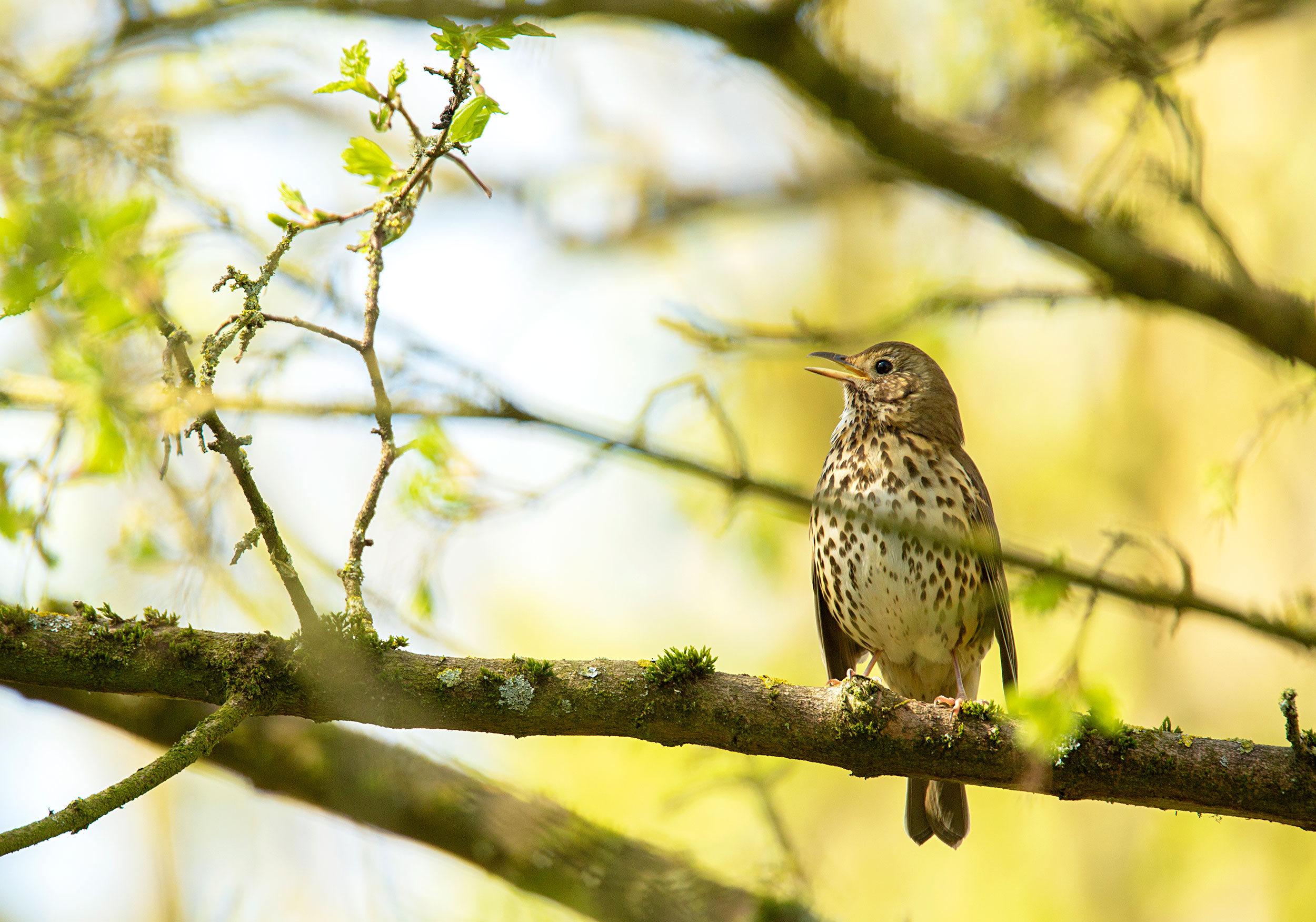
I have been birding Wormwood Scrubs, my local patch in West London, for decades. Locally known as The Scrubs, at 67ha it is one of the largest green spaces in the capital. It is completely encircled by urbanity, including the notorious prison of the same name. I have discovered many interesting species there including regionally important numbers of breeding Song Thrushes and Linnets. But throughout all the joy this green oasis has given me, pain was never too far away. Developers of all shapes have always had their beady eyes on my sanctuary; chainsaws at the ready, keys in the ignitions of their JCBs.
‘We are living in an age where a lot of natural places must be actively managed and protected by us’
During the early ’80s, the community got together led by a young birder called Lester Holloway to head off the Channel Tunnel’s plans to carve up the land. Although ultimately having to concede some land, it led to the formation of the Friends of Wormwood Scrubs. Over the ensuing years we successfully fought off a number of development plans. The dark ominous cloud cast by HS2 has been our latest battle. Their plan is to build a humongous train terminal at the northern edge of the site. The construction work initially resulted in a lot of noise and destruction. The prospect of increased footfall after the completion of the works adding to the already high numbers of professional dog walkers on the site was a frightening prospect. We had already lost our ground-nesting Meadow Pipits as a consequence.
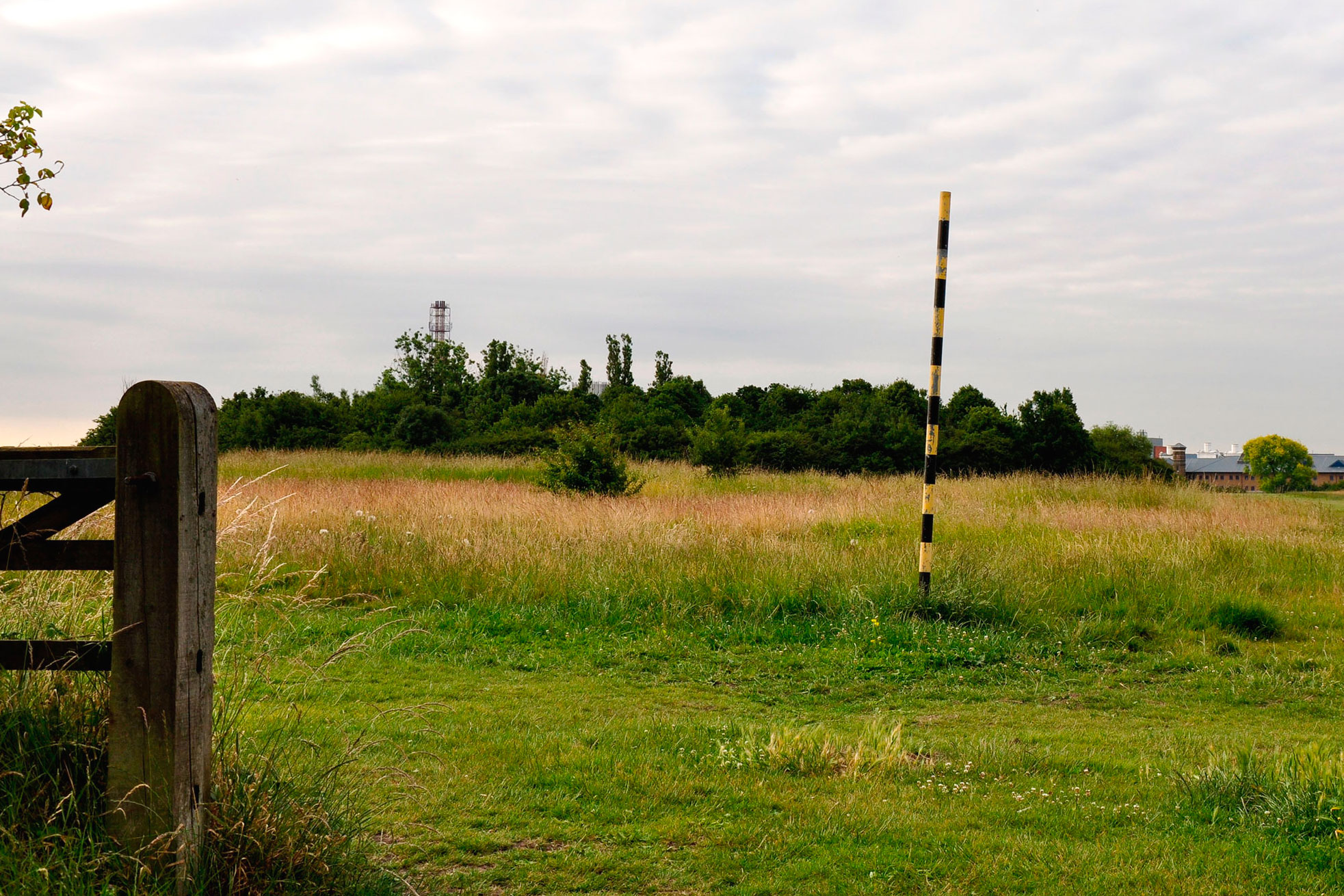
Wormwood Scrubs’ grassland area has been granted Local Nature Reserve status. Photo: David Lindo
In my view, The Scrubs would have died a death were it not for the amazing leadership shown by the RSPB’s Kate McVay who is Community Ecology Advisor seconded by idverde UK who involve themselves in greenspace management. Her main job for the past five years had been pulling together community members not only for practical voluntary conservation work on The Scrubs but to engage the not-so-invested people with the progress stories. She has also helped steer a grand biodiversity plan for the area involving HS2. Under her guidance, the volunteers work outside the breeding season scything portions of the grassland by hand to encourage wildflower growth, controlling the spread of brambles while managing public access; all to encourage the widest spectrum of biodiversity possible. Already we have seen jumps in the population of Common Lizards, Slow Worms and, for a site with no standing water, our first Common Frog!
My work schedule does not allow me to regularly visit my beloved patch any more. I miss birding there, especially during the migration season, no matter where I find myself in the world. However, I can rest assured knowing that the future of. The Scrubs is in good, capable hands. The grassland area has finally been given Local Nature Reserve status, and the numbers of volunteers has increased. Kate herself has been recognised as an outstanding citizen by the local council.
Communities do not need many members to make a difference. All you need is love and commitment.

Join a local group
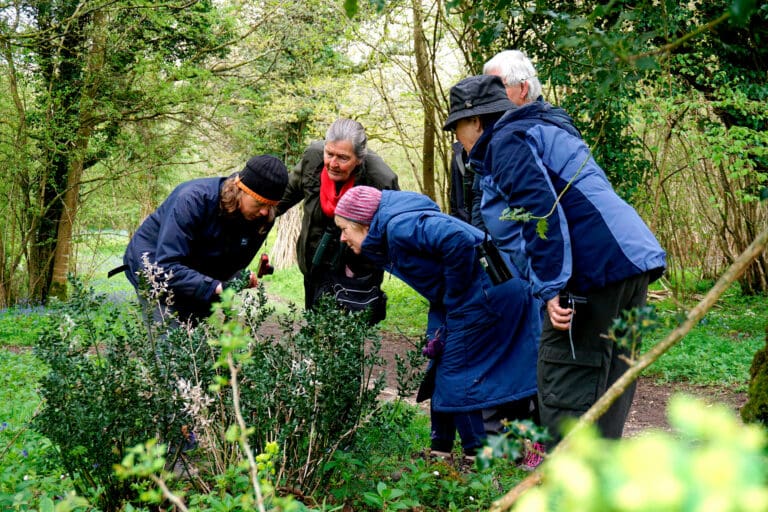
A group of birders inspecting a bush. Photo: Patrick Cashman (rspb-images.com)
You might also like
Conservation needs diversity
Might of the masses