Cairngorms’ powerhouse partnership
We’re celebrating 10 years of Cairngorms Connect, a groundbreaking nature-restoration partnership in the eastern Highlands.
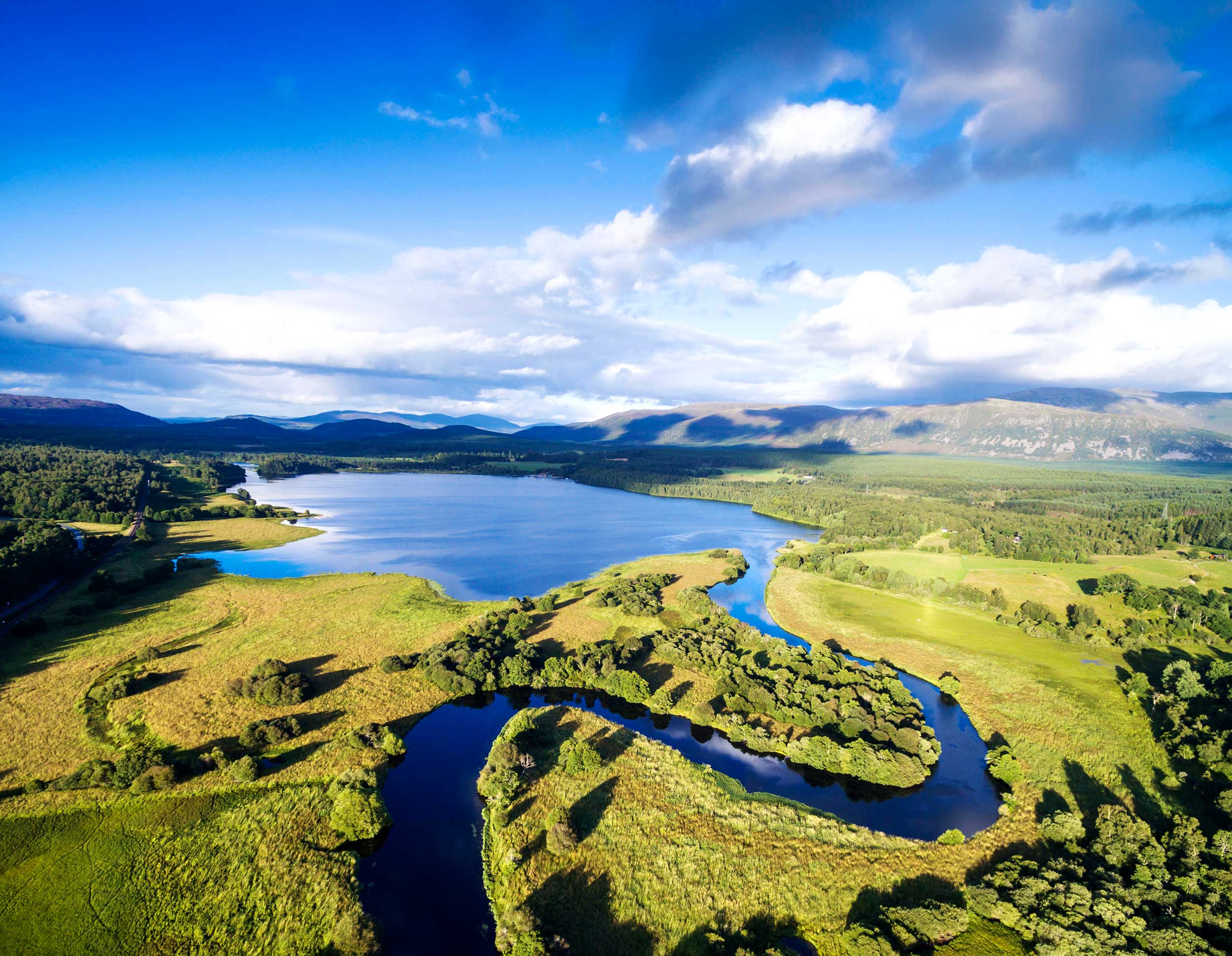
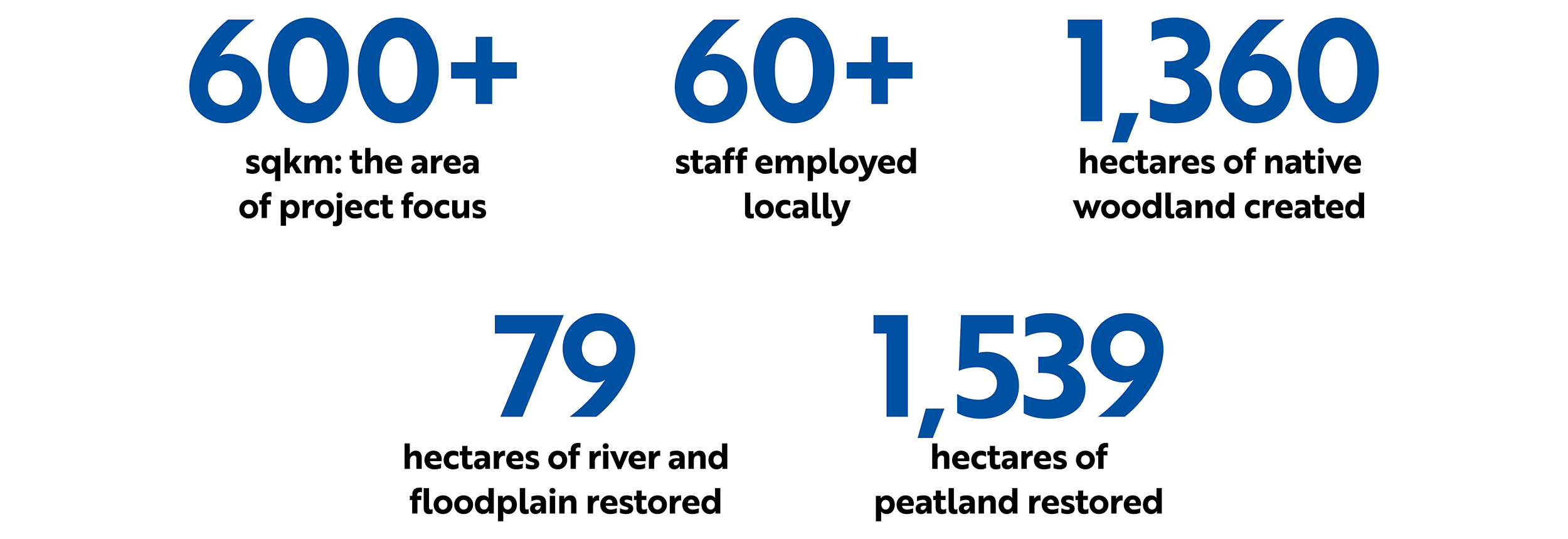
In 2016, a memorandum of understanding signed by the RSPB, WildLand Limited, NatureScot, and Forestry and Land Scotland established a 200-year vision to enhance habitats, species and ecological processes in Cairngorms National Park. This extraordinary landscape, encompassing mountains, ancient woodlands, blanket bog, rivers and lochs, is home to Capercaillie, Golden Eagle, Osprey, Red Squirrel, and a wide variety of rare insects and plants.
Over 1,000ha of native woodland has regenerated following management of deer that otherwise nibble saplings. That’s allowed the launch of Cairngorms Connect Venison, which is “incredibly low on food miles and iconic to this part of Scotland”, proclaims Owen Caldwell of the Old Bridge Inn, Aviemore.
In addition, landscape-scale work has restored peatland, rivers and floodplains, benefiting species including Beaver and Wildcat, both reintroduced in recent years and now proliferating here, as well as helping waders such as Redshank, Curlew and Lapwing, which breed here.
Crucially, the work of Cairngorms Connect is possible only through collaboration between partner organisations and land managers, staff, local communities and individuals.
We’ll continue to deliver ecological restoration at a scale unparalleled in the UK – for people, climate and nature. Follow the project.
Treescape ambitions at Lake Vyrnwy
Wildlife including Black Grouse, Merlin, Pine Marten and Dormouse are benefiting from a major habitat restoration project at Lake Vyrnwy that will add more than 250,000 trees within three decades.
The RSPB, working with landowner and water company Hafren Dyfrdwy, is delivering the treescape plan across more than 1,100ha of the mid-Wales reserve.
The vision is to reverse the long-term loss of trees from the ffridd, a uniquely Welsh upland-edge habitat mosaic now in steep decline. By strengthening links between existing woodlands, ffridd, meadows and upland habitats, many species that rely on mixed habitats will benefit, including Red-listed Cuckoo, Pied Flycatcher, Willow Tit and Wood Warbler as well as bats, Welsh Clearwing moth, and plants and lichen.
Key to success will be natural regeneration through targeted grazing management, retaining open habitats where they are most valuable, and demonstrating how trees can be integrated sensitively into a farmed landscape. Most new tree cover will be upland scrub and scattered plants rather than closed-canopy woodland, reflecting both the ecological importance of ffridd and the cultural landscape of upland Wales.
By looking after our upland habitats and boosting tree and scrub cover, the project will ease flooding, prevent erosion and build long-term climate resilience. People are also a priority; work with local communities will connect diverse people to nature. Through the Vibrant Vyrnwy project and the community-run tree nursery, volunteers and community groups are growing local provenance trees and learning new skills.
This exciting long-term project promises to be a huge boon for nature, climate, water and people.
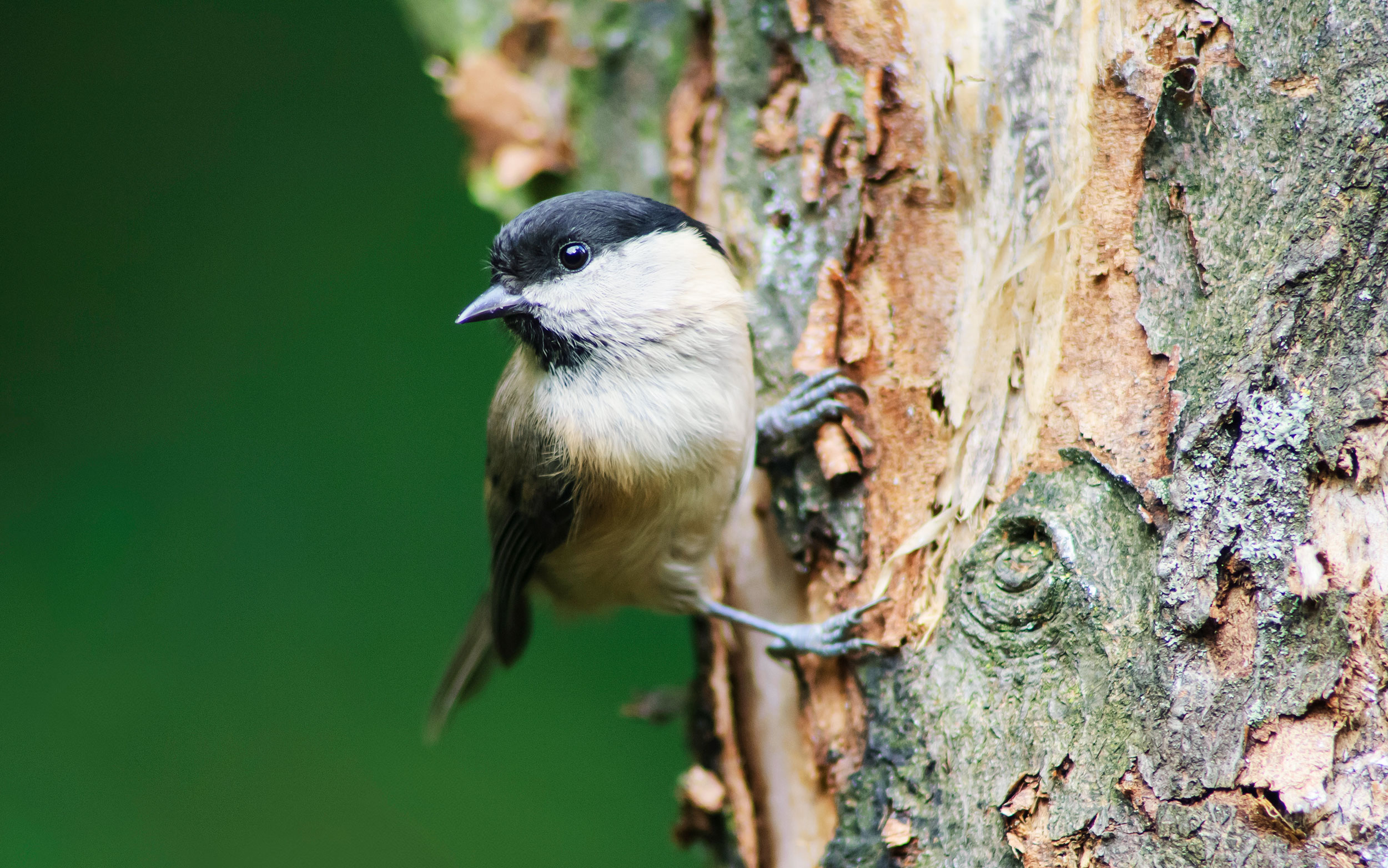
Willow Tits favour wet woodlands and like to nest in rotting trees. Photo: Ray Kennedy (rspb-images.com)
Swift spectacle
Visitors to Lancaster Priory during November’s Light Up Lancaster festival admired Swifts swooping around the walls, pillars and ceiling. Blink and You Miss It, an amazing sound-and-light installation by artists leo&hyde and supported by RSPB Lancaster Local Group, highlighted the birds’ aerobatics, epic migrations, and sad decline in the UK. “It made me cry – absolutely stunning!” declared one attendee.
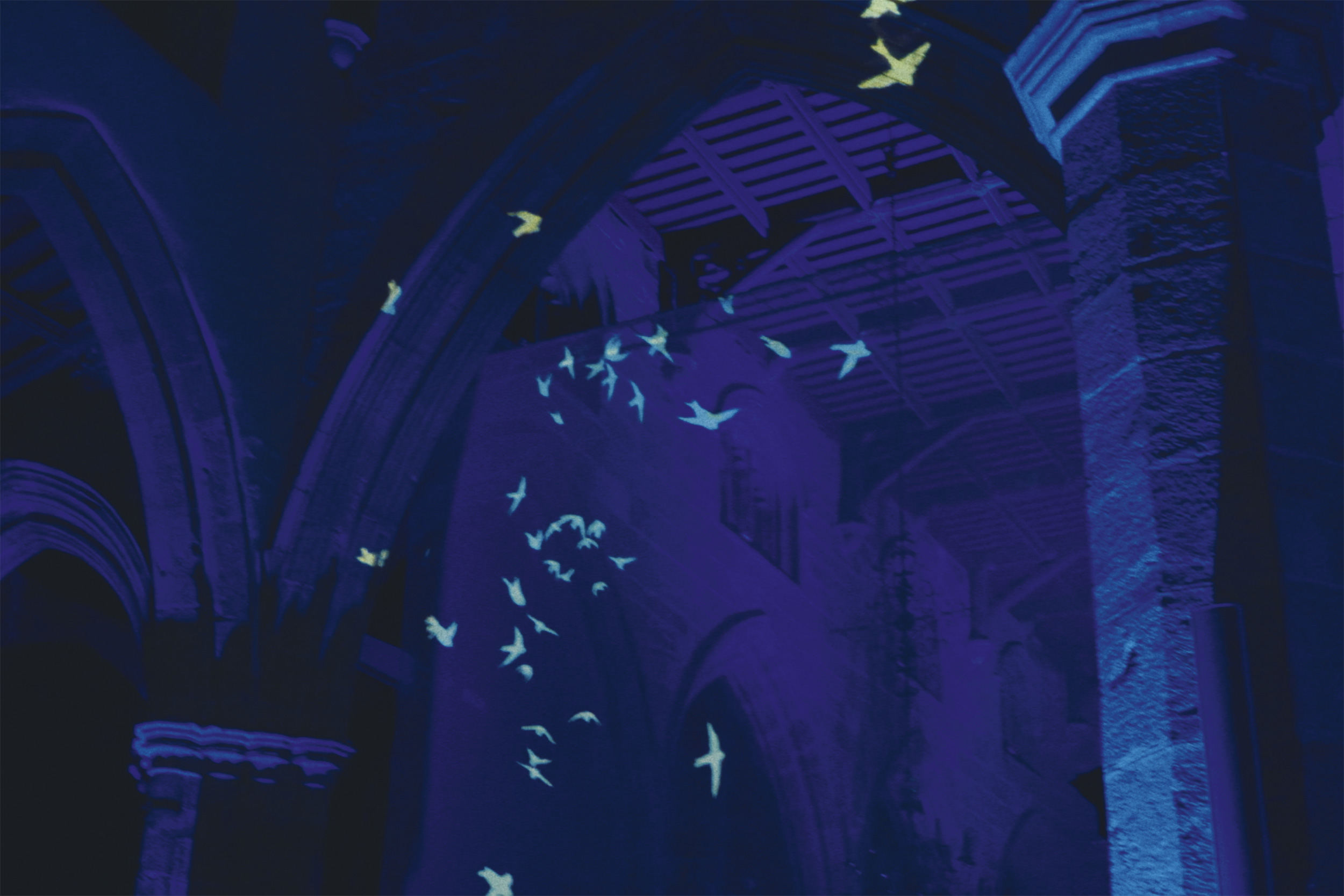
Swifts swooping around the walls, pillars and ceiling at November’s Light Up Lancaster festival. Photo: Alex Stagg
Funding wins
Three major RSPB-linked projects recently launched thanks to new funding totalling over £4.5m awarded via the UK Government’s Darwin Initiative.
Since the 1990s, vulture populations in south Asia have suffered catastrophic declines. Vast numbers died after scavenging carcasses of cattle treated with the drug diclofenac, fatally toxic to these birds. Hope came with the 2006 ban on the veterinary use of diclofenac in Nepal, India and Pakistan, supported by the RSPB, and the Vulture Safe Zone created in Nepal in 2021. Now, the Vultures, Cows and People project aims to create a new Vulture Safe Zone and connect vulture population restoration with improved livelihoods for farmers. Along with boosting local dairy industries and promoting vulture-safe treatments, the project will support ‘cow retirement communities’ to keep cattle out of Shuklaphanta National Park in Nepal. Learn more about the RSPB’s work with vultures.
On the South Atlantic island of St Helena, cloud forest restoration will continue and water security will be improved by tackling plant pathogens and invasive species. And on New Island in the Falklands, the removal of invasive cats, rats, Rabbits and mice will support habitat restoration and the recovery of native species and globally important seabird nesting sites for species such as Black-browed Albatross.
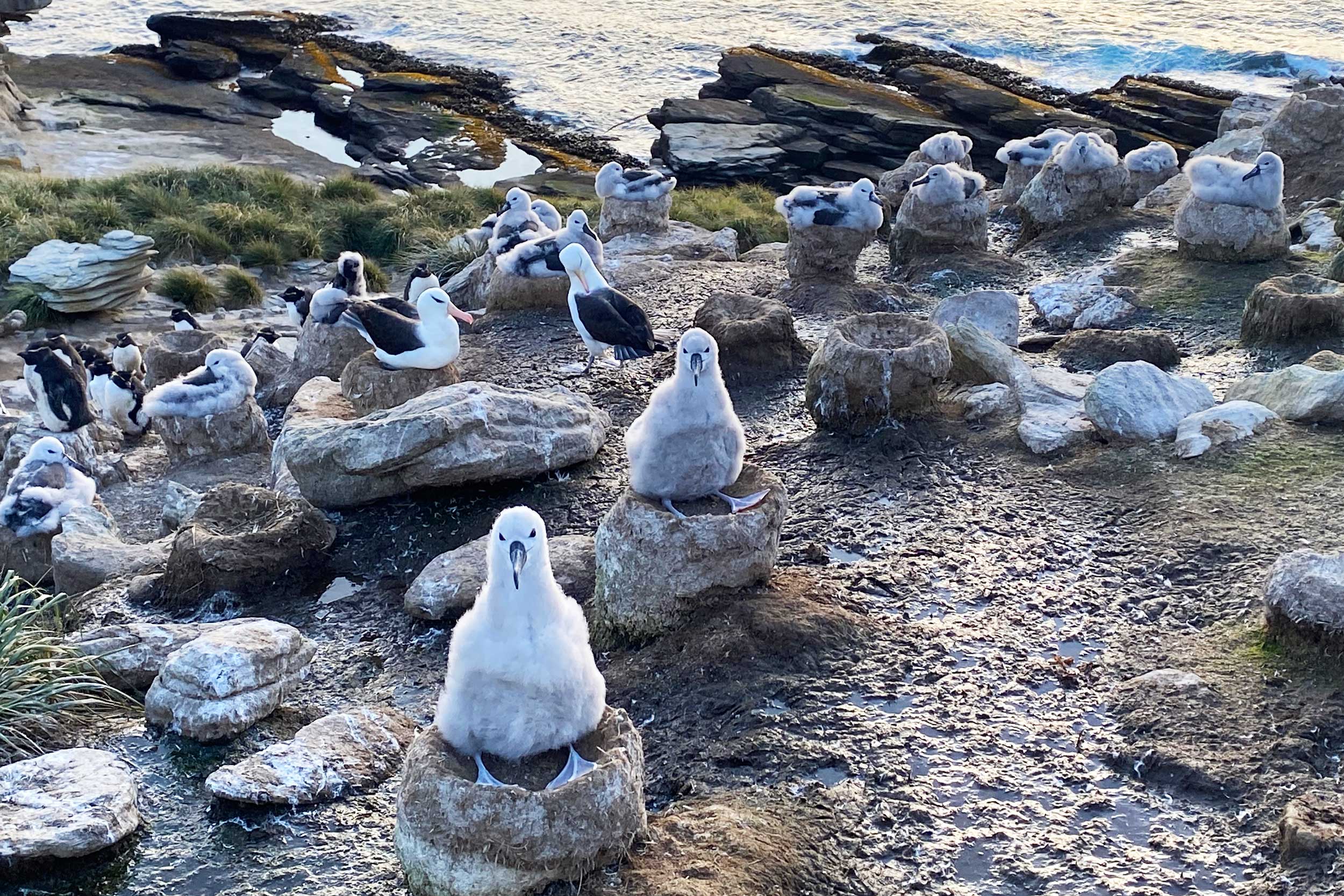
A colony of Black-browed Albatross on New Island. Photo: Andrew Callender (rspb-images.com)
A small membership price increase will bring big benefits to wildlife
This year, the RSPB is increasing our minimum membership price. Costs associated with many aspects of our conservation work, from basic equipment to major landscape restoration projects, have risen due to inflation. At the same time, the need for wildlife conservation has become even greater.
To address these challenges, we have made big changes to reduce costs and increase efficiency. However, the minimum membership price has stayed the same for several years. From 1 April 2026, the new minimum prices are £6 per month for an adult, £7 for two adults and £8 for a family (two adults and up to five children). Youth membership prices remain unchanged. Some members kindly give more than the new minimum each month so may not see an additional increase this year. For those paying below the new minimum amounts, we will phase the increase over the next three years to make the change easier, and you will see a small percentage increase on your monthly or annual payments.
Look out for your membership renewal pack over the next year for details of how this impacts you. Most members, unless paying the new minimum price (or more), will see an increase of around 10%. You will receive a new Direct Debit mandate or a revised amount to pay by credit card. If you have any questions or would find this increase difficult, please contact supporter services on 01767 693680, email membership@rspb.org.uk or read the FAQs here.
You will continue to enjoy unlimited entry to over 170 RSPB nature reserves, as well as RSPB printed or digital magazines for great tips on watching nature, as well as news about the work you are supporting.
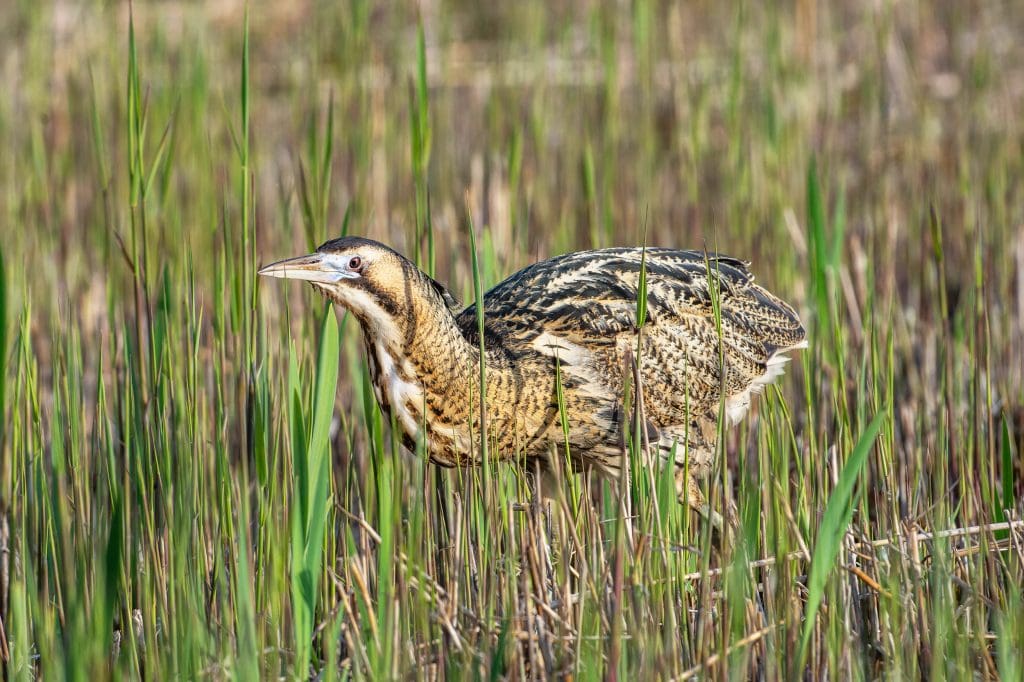
A small increase from everyone can add up to a huge impact. Thanks to you, together we have helped Bitterns and Cirl Buntings – once on the verge of disappearing from our shores – thrive again; helped return Cranes to the UK; managed nature reserves that are now home to over 18,500 species; and given struggling seabirds a boost by ending the industrial fishing of sandeels. And there’s so much more to do. All of this happens because of your generosity. Thank you!
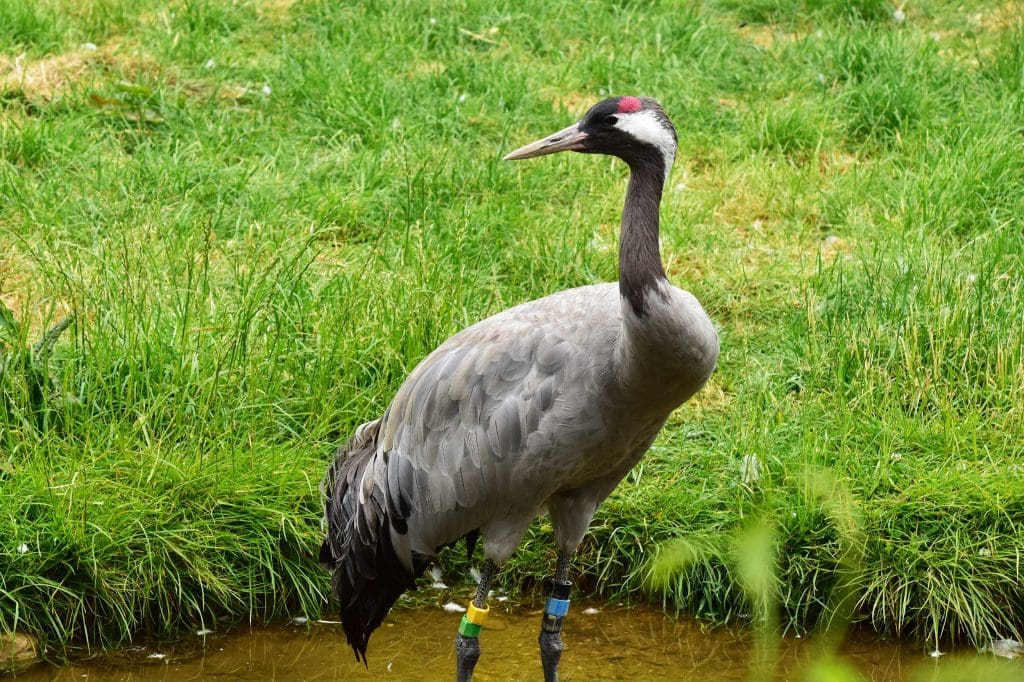
Anglesey’s birds and boulders
A pioneering new partnership is helping us bring the story of Anglesey’s extraordinary geological past to even more people.
South Stack is a spectacular landscape, renowned for dramatic sea cliffs, thriving seabirds and rare species such as Chough and Silver-studded Blue butterfly. It’s also part of a UNESCO Global Geopark spanning the whole island, managed by GeoMôn.
In September, a collaboration between RSPB South Stack and GeoMôn was launched, with staff and volunteers sharing information and training. We’re also joining forces to offer guided walks, events and educational programmes showcasing how the area’s physical heritage – from 500-million-year-old Cambrian rocks to ancient human monuments, soils and landforms – interacts with and creates vital habitats for seabirds to pollinators and more.
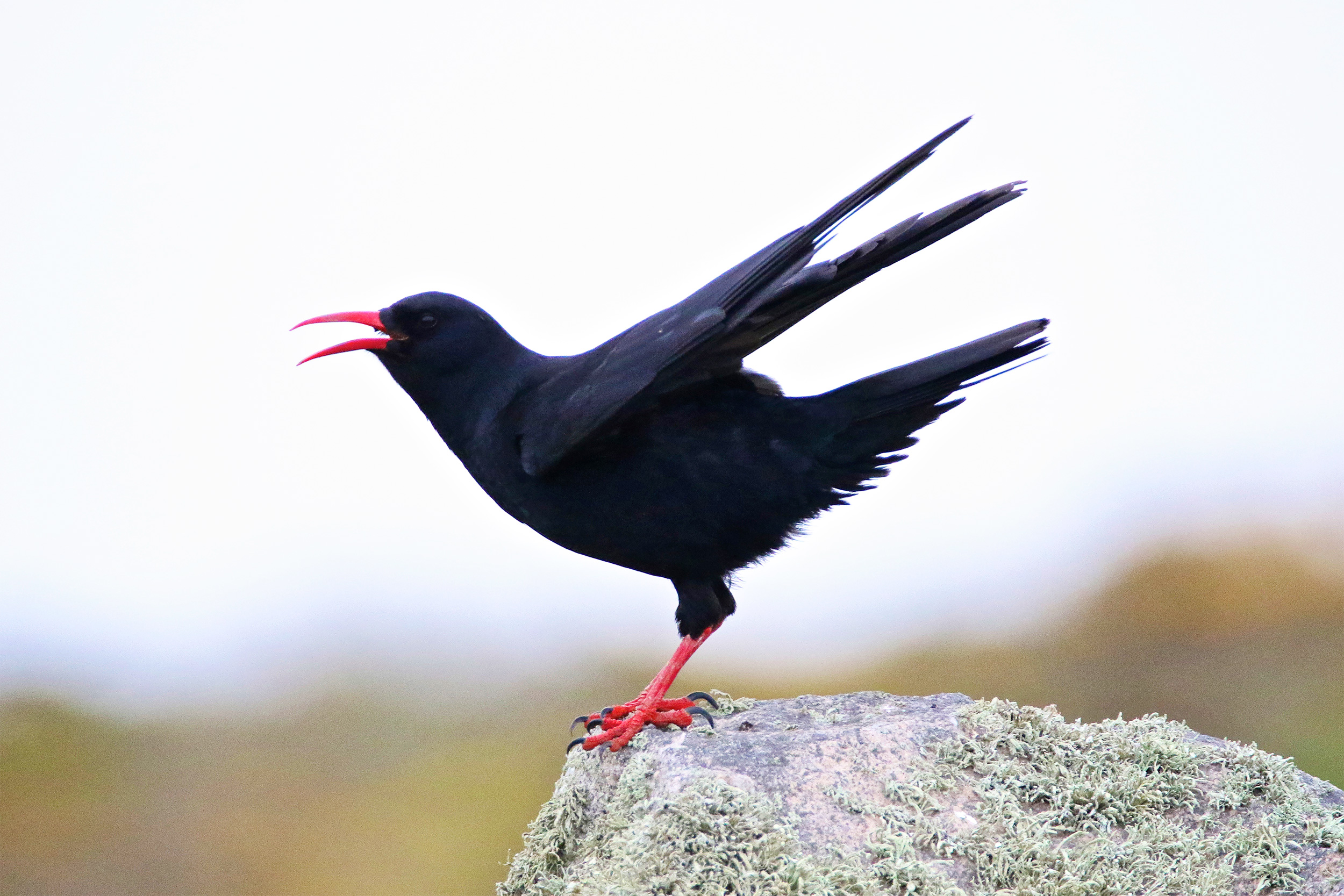
Flocks of Chough can be seen in autumn and winter. Photo: Martin Yelland (rspb-images.com)
Top-level accreditation
We are proud to have achieved Green Dragon Level 5 across our UK operations, following an audit of our environmental management systems. This is the highest level of the externally verified standard run by Groundwork Wales. This recognises our continuous improvement; systematically reducing our negative impacts on the environment while strengthening our ambitions to protect wild birds and improve habitats and landscapes. It follows over a decade of work undertaken since the RSPB first gained Level 2 accreditation in Wales in 2014.
The 2025 audit involved the RSPB’s UK headquarters and six reserves: Blacktoft Sands, Bempton Cliffs, Saltholme, Lochwinnoch, Belfast WoW and Loch Leven. The award reflects a raft of efforts to improve environmental management, ranging from energy-efficiency improvement measures to switching to electric tools and solar-powered water pumps in wetland habitats, and generating the equivalent of well over 50% of our UK electricity requirements through solar systems and a wind turbine.

Fundraising heroes
This is a landmark year for the RSPB South Wiltshire Local Group as it celebrates its 40th anniversary. The group has raised well over £300,000 for the RSPB in its time, as well as contributing to vital conservation efforts such as coppicing at RSPB Garston Wood.
Each year in June, group volunteers capture the imagination of the public when they run a Peregrine Date with Nature in Salisbury Cathedral, offering passers-by close-up views of these amazing birds. Thank you, and congratulations!
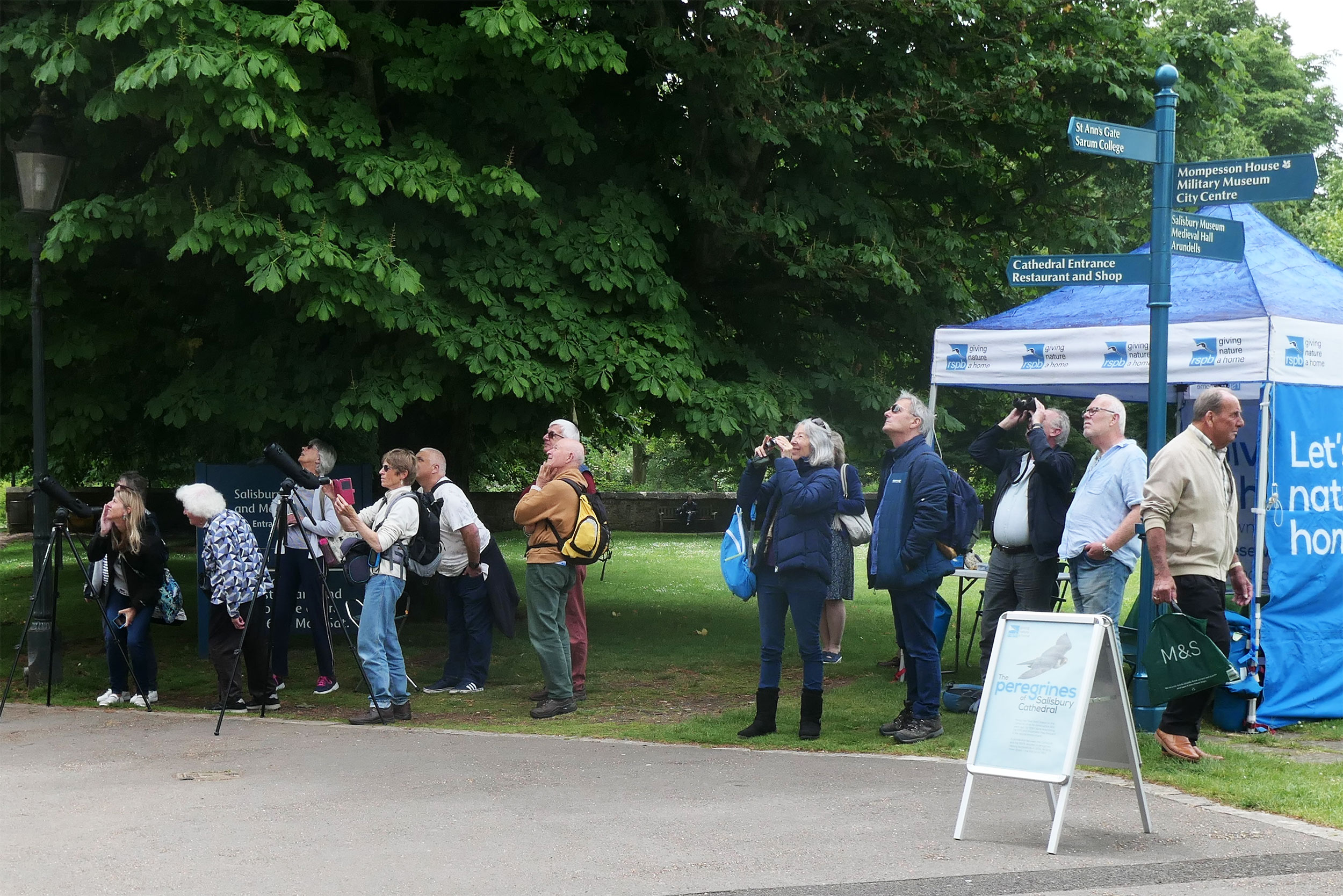
RSPB South Wiltshire Local Group run their Peregrine event at Sailsbury Cathedral. Photo: Sue Walker
Join us at Birdfair
Global Birdfair, the annual event celebrating wildlife and conservation, returns 10–12 July in Rutland – a treat for keen birders, nature-loving families and wildlife celebrity spotters. As well as enjoying nature walks, talks and workshops, find out more about our work at the RSPB stand.
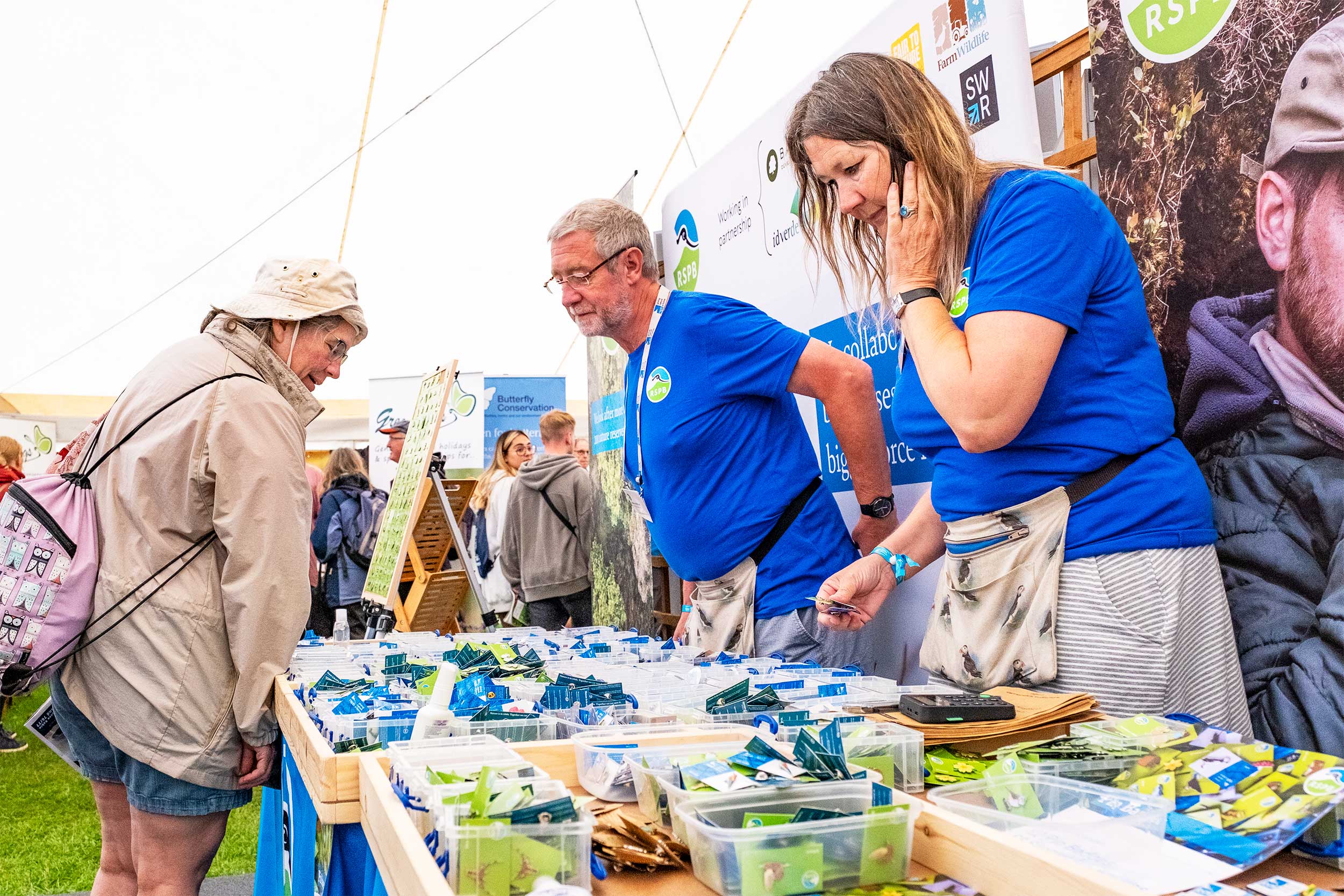
Come and see us at this year’s Birdfair event! Photo: Sam Turley (rspb-images.com)
Nature-friendly farmer awarded
Last October we were delighted to present the prestigious RSPB Medal to Martin Lines, who founded the Nature Friendly Farming Network (NFFN) in 2017. The medal – previous winners of which include Sir David Attenborough and King Charles – recognises Martin’s phenomenal contribution to conservation. Under his leadership, the NFFN has united farmers producing food while restoring the environment, thousands of whom work to raise awareness, share knowledge and advocate for better policies.
“It’s through nature-friendly farming that we can address climate change, build resilience in UK farming, and reverse the declines in our wildlife,” commented RSPB Chief Executive Beccy Speight. “Martin has played a truly significant role in championing farmers, and it is a huge privilege for the RSPB to work alongside him and the NFFN.”
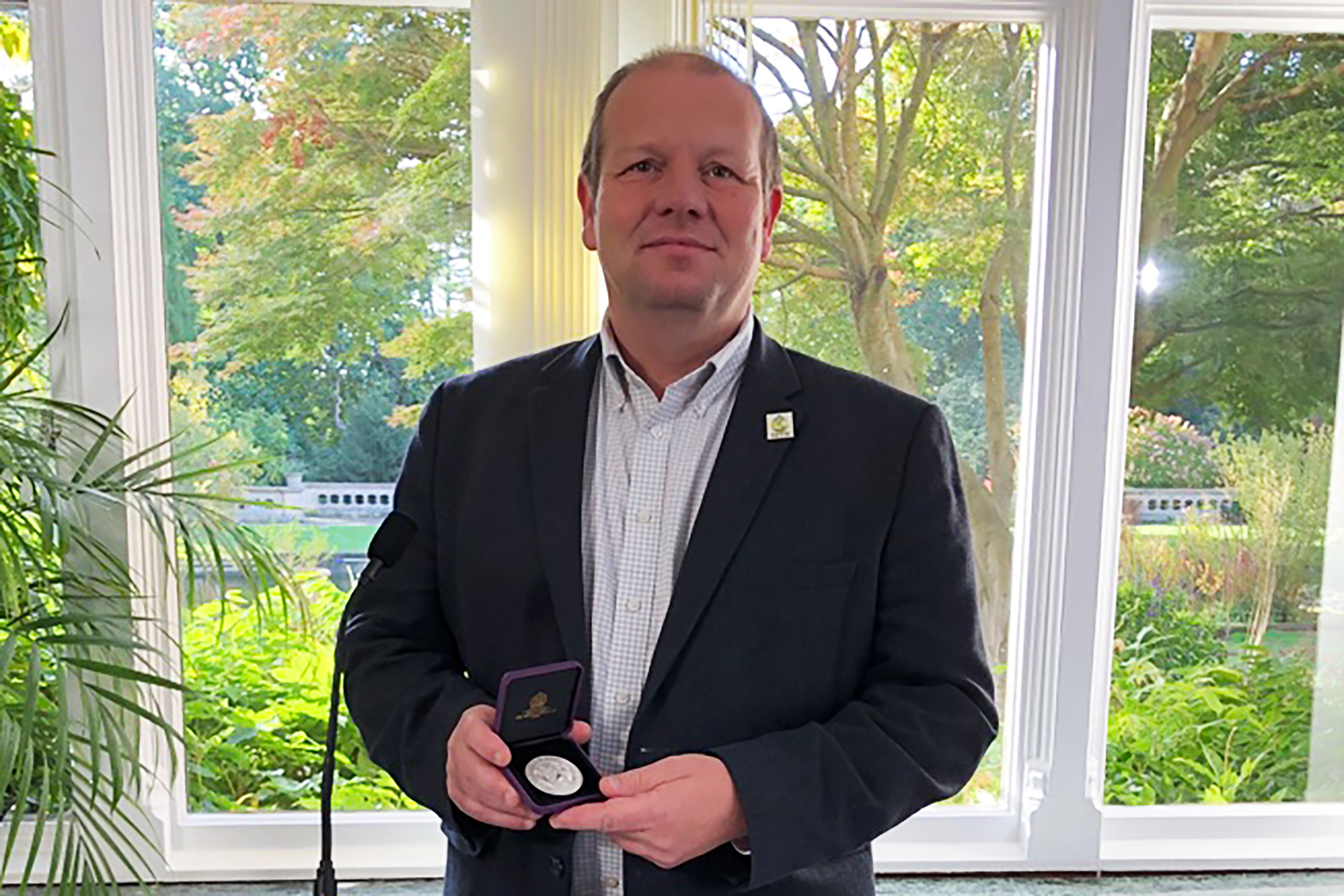
Martin Lines founded the Nature Friendly Farming Network (NFFN) in 2017.
Little Terns up
After decades of decline, 2025 UK breeding figures offer hope for Little Terns. In Eccles, Norfolk, 455 fledged – up from 319 across all East Norfolk in 2019. And at RSPB Pagham Harbour, West Sussex, 21 chicks fledged, compared with none in 2024. Conservation efforts included installing predator-proof fences, engaging with communities to reduce disturbance, and enhancing nesting habitats.
Can you tell a Little Tern from a Common Tern? Find out in our Tern ID challenge.
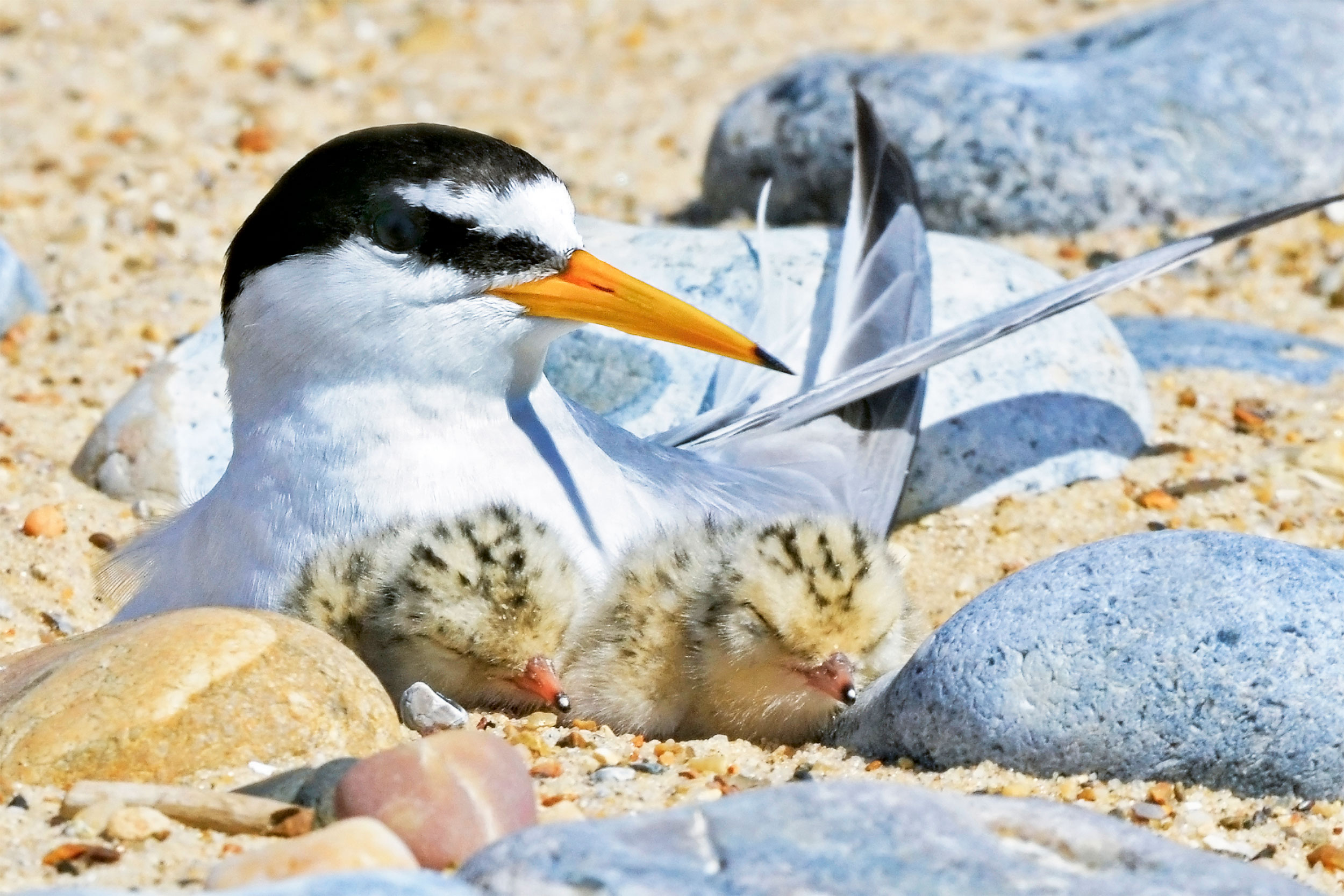
Little Terns nesting on the beach. Photo: Kevin Simmonds (rspb-images.com)
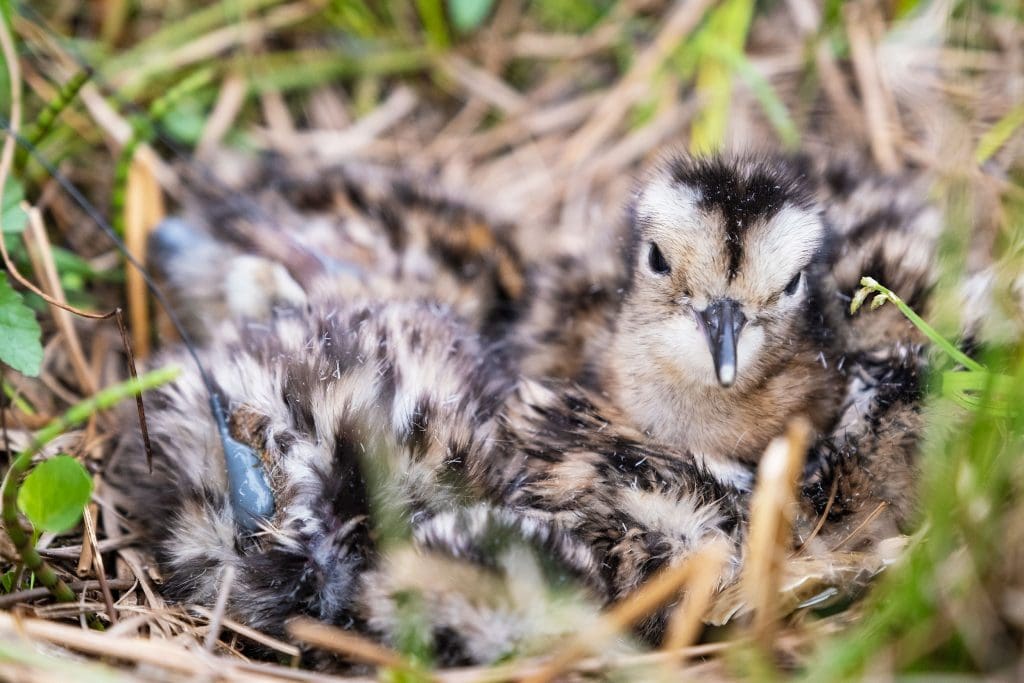
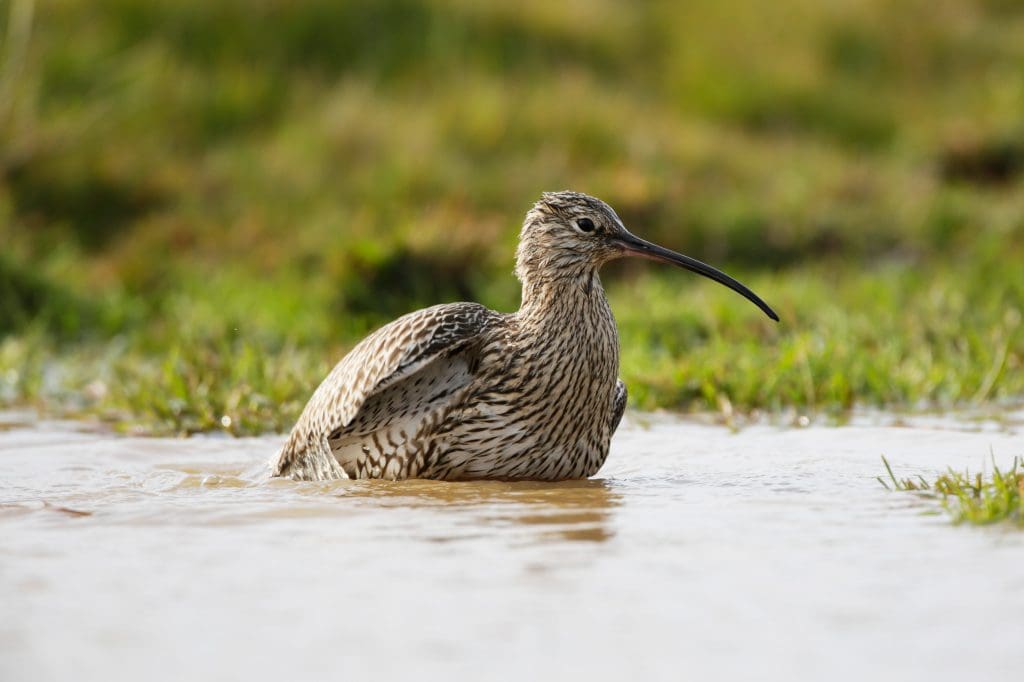
Action for Curlew
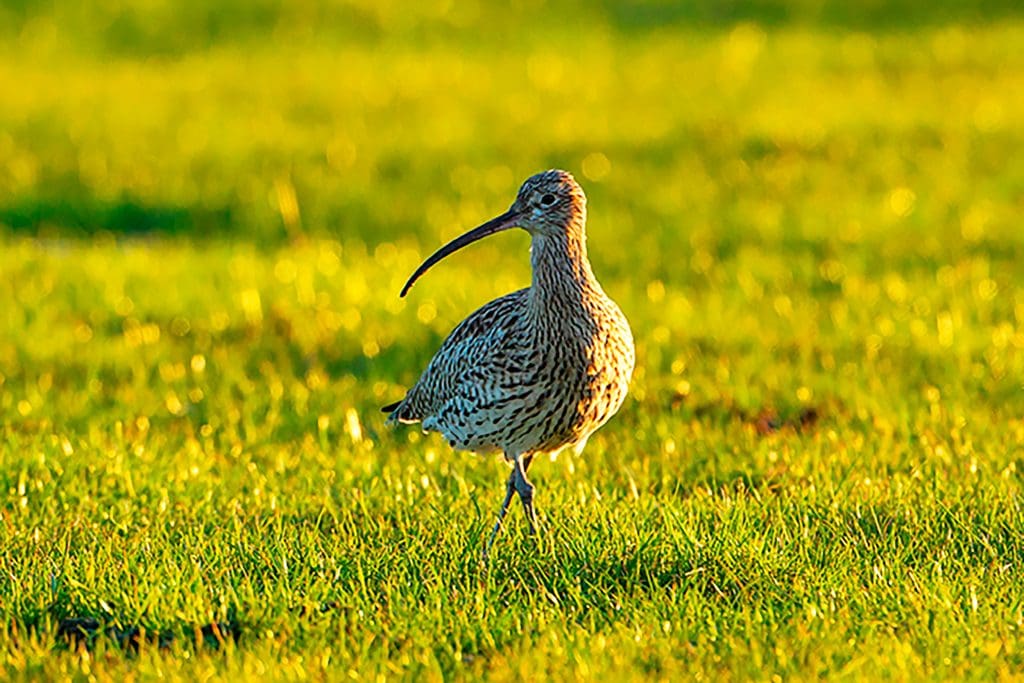
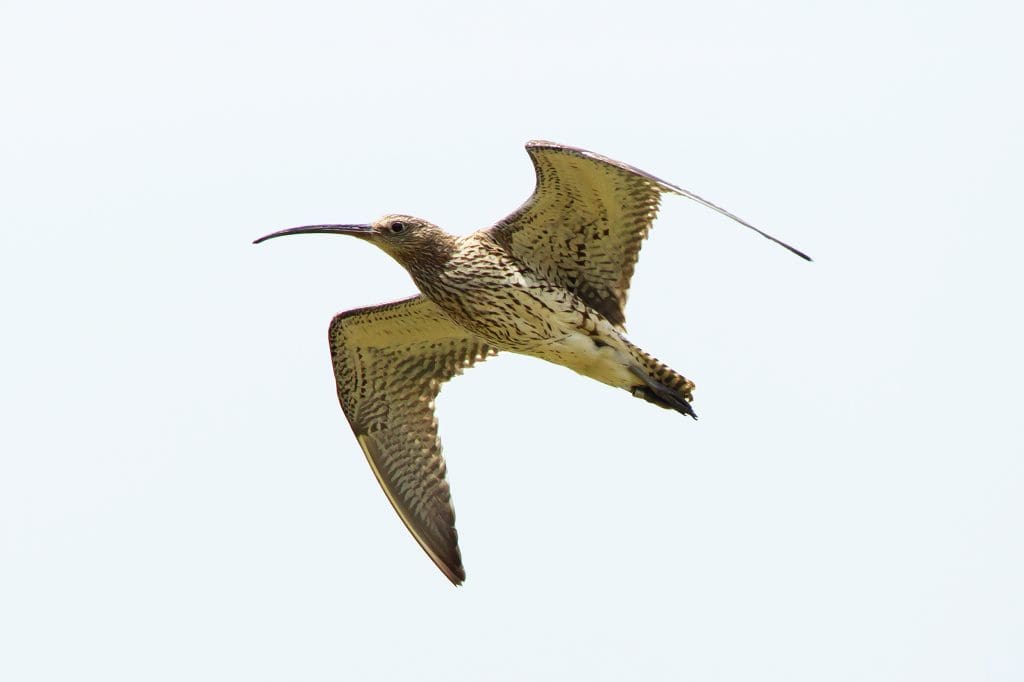
A UK Action Plan for the Curlew was launched at the House of Lords in January, aiming to steer work by Government and agencies to save this Red-listed bird.
Once common on farms and uplands, the Curlew’s haunting cry is increasingly rare in the UK – where a quarter of the European birds breed – due to changing land-management techniques and unsustainable predation of eggs and chicks. The population halved in England and Scotland and declined by more than 80% in Wales since the mid-1990s. Between 1987 and 2013, the Northern Ireland population plummeted by 80%.
The Action Plan, a collaborative effort by organisations including the RSPB, advocates for key interventions, with a focus on increasing breeding success. The four main objectives are: form a UK-level Curlew Recovery Taskforce; secure sufficient habitat and sites for breeding Curlew; provide expertise and financial support for farmers to deliver actions aimed at increasing productivity of breeding Curlew; and monitor and share research on the most effective conservation strategies.
Saving Steppe Eagles
A new 10-year Global Action Plan adopted at the Convention on the Conservation of Migratory Species of Wild Animals (COP15) in Brazil this March aims to shape actions to halt and reverse the decline of the Steppe Eagle. Once considered the world’s most common large bird of prey, this migratory raptor of grasslands, including steppes, is now Endangered, its population falling across much of its Central Asia range.
The plan, developed by the RSPB with other stakeholders, focuses on strategic goals including reducing the impact of energy infrastructure along the species’ flyway; cutting deliberate and accidental killing; conserving habitats; addressing knowledge gaps on distribution, movement and threats; and engaging with communities and other stakeholders across the whole range.
Learn more about a previous, award-winning project to help this species.
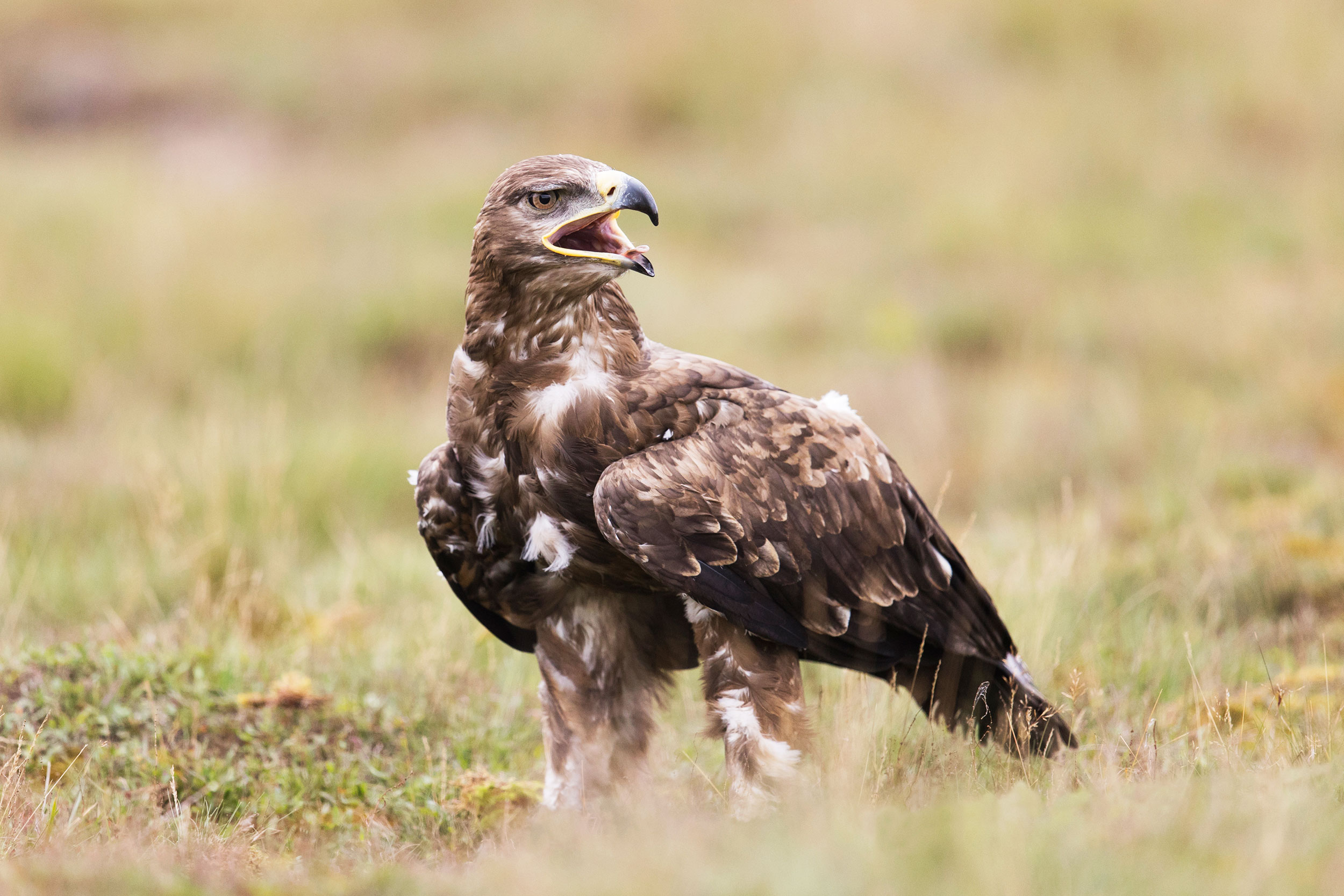
The once common Steppe Eagle is now Endangered. Photo: Paul Sawer (rspb-images.com)
Conservation wins in West Africa
Every year the wooded savannahs of northern Ghana host thousands of migratory birds, including Garden Warblers, Whinchats and Wood Warblers which breed in the UK. But outside protected areas, habitat has become fragmented. So, with Ghana Wildlife Society (GWS) and other partners, the RSPB is working with local communities to restore areas surrounding Mole National Park.
With funding from the Ecological Restoration Fund, thousands of trees have been planted and a new community-led conservation area will be established. Funding from A.G. Leventis Foundation has also supported training in bioacoustics and bird monitoring for staff and volunteers to help understand how birds are using the landscape.
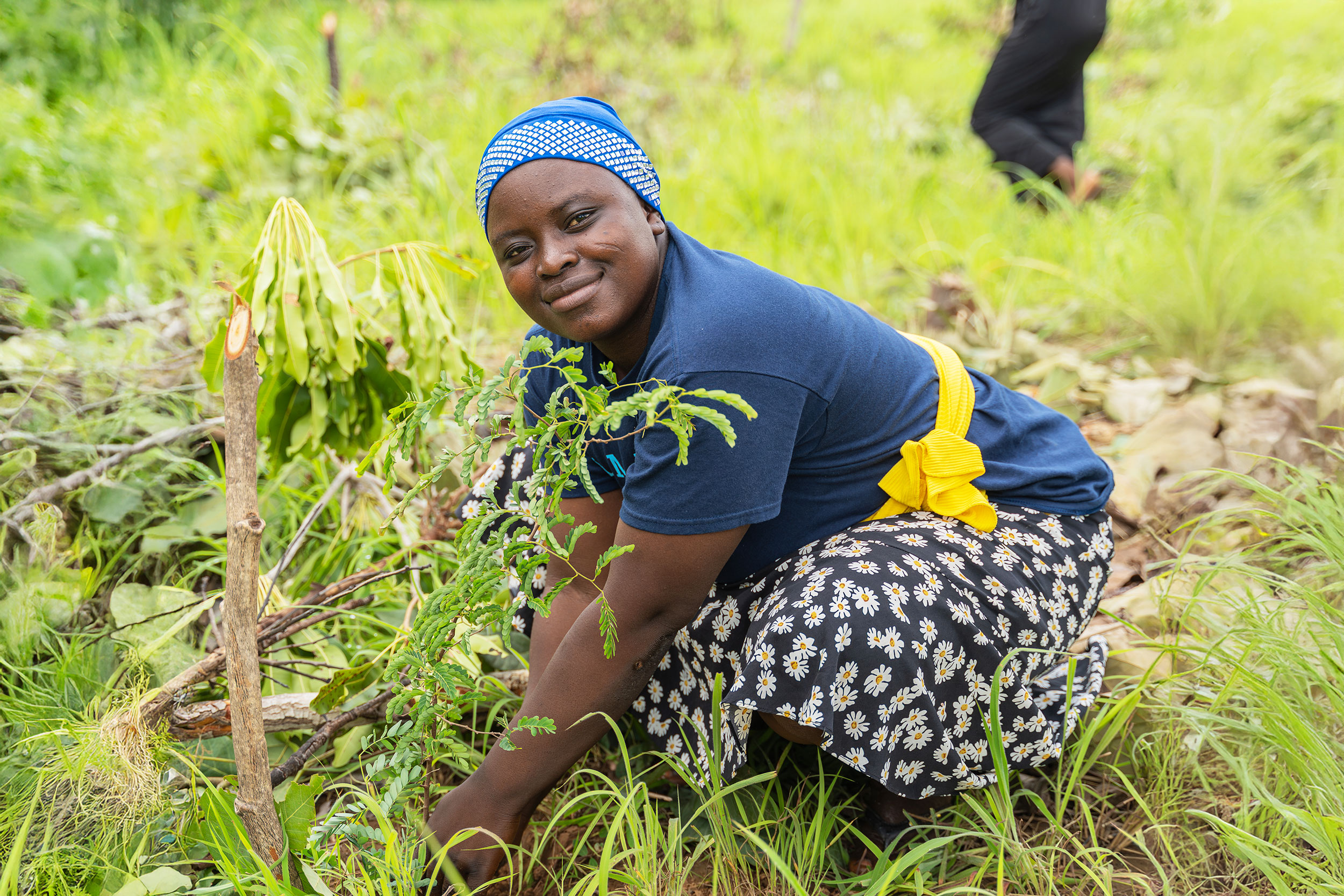
Local communities are helping to restore areas surrounding Mole National Park. Photo: Ghana Wildlife Society
New spiders on St Helena
Two new species of spider have been discovered on St Helena, a remote UK Overseas Territory in the South Atlantic. The eyeless Martina Minuscule Spider is under 0.5mm long, while the Christy Jo Goblin Spider boasts armour-like abdominal plating. Both were identified by arachnologist Danni Sherwood when combing through records and previously collected museum specimens.
These bring the number of endemic species recorded on St Helena to 507. Neither has been seen in the wild for over 30 years, so may be highly threatened or even extinct.
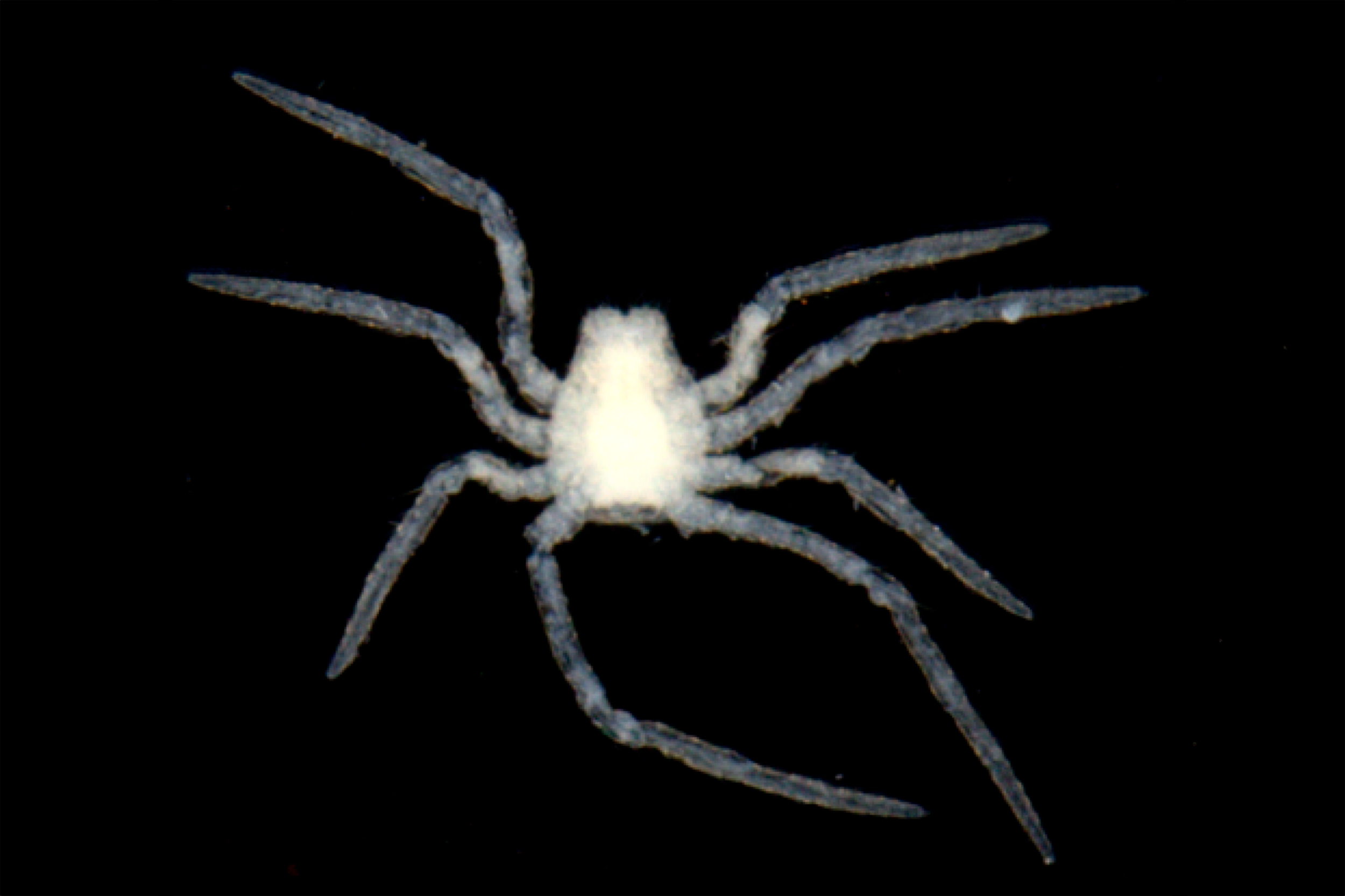
The Martina Miniscule Spider was found on the island of St Helena. Photo: Dr Danni Sherwood
Goulds for RSPB
The sale of Victorian lithographs is raising funds for the RSPB. Renowned ornithologist John Gould’s monograph on the birds of paradise was completed after his death in 1881. Rare-book dealer Sotheran’s is selling 60 complete uncoloured and unbound sets for £4,200, with £500 to the RSPB. Find out more.
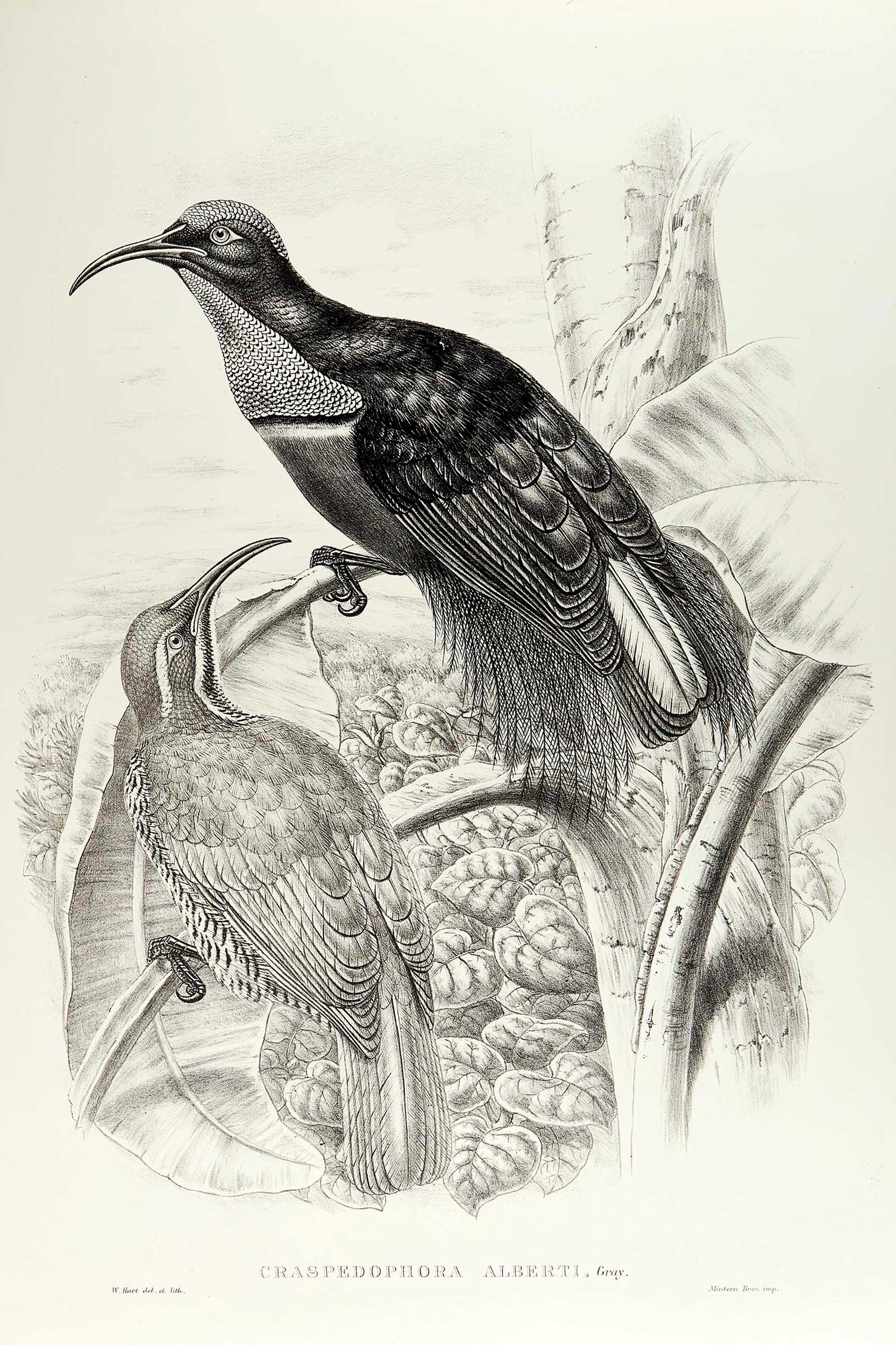
The sale of Victorian lithographs is raising funds for the RSPB. Illustration: Gould’s Birds of Paradise
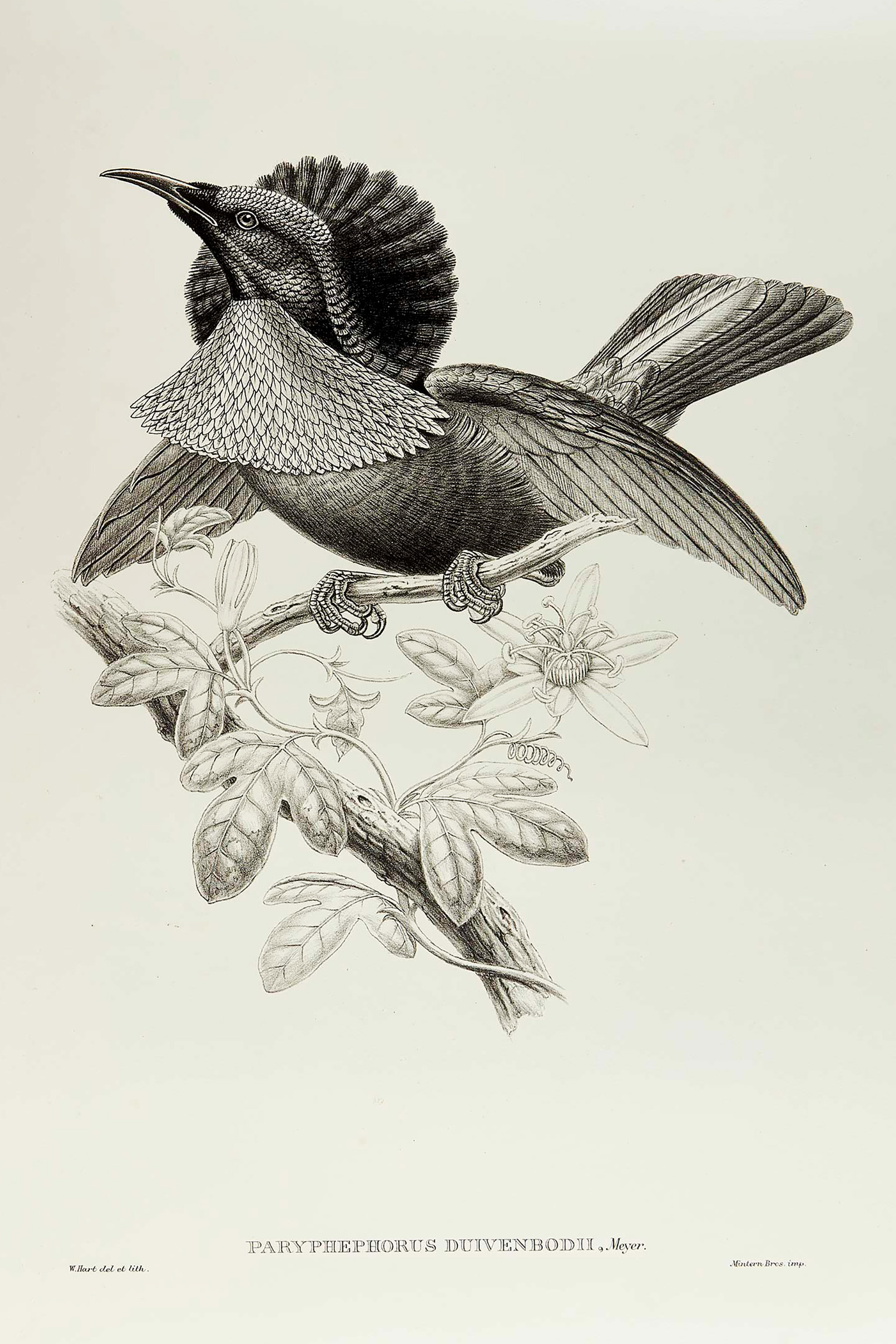
The book is made up of 79 lithographic plates. Illustration: Gould’s Birds of Paradise
Growing hope in Oxford
Optimism blossomed at farming conferences in Oxford – thanks to stories of hope from nature-friendly farmers, and fertile discussions with political decision makers. Each January, the Oxford Farming Conference and parallel Oxford Real Farming Conference draw farmers, policymakers and industry from across the UK to debate the future of our farming systems.
The RSPB delivered its new Nature-friendly Farming report and reinforced the importance of nature-friendly farming in building resilience, delivering nature recovery and improving soil quality and yields.
RSPB CEO Beccy Speight chaired a packed panel event, ‘A Landscape of Hope: How farming is transforming nature’s decline’, at which nature-friendly farmers shared their experiences. “What really struck me was how [for the farmers on the panel], restoring nature and having a resilient farm going into the future, and having a financially viable commercial farm product at the end, were all mixed into one system in their heads,” reported Beccy.
We also arranged meetings between Beccy, nature-friendly farmers, Defra Secretary of State Emma Reynolds, Minister of State Angela Eagle, and other politicians. “It felt like Emma Reynolds and Angela Eagle were really listening,” said East Anglian farmer Richard Evans. “That does feel like a win.”
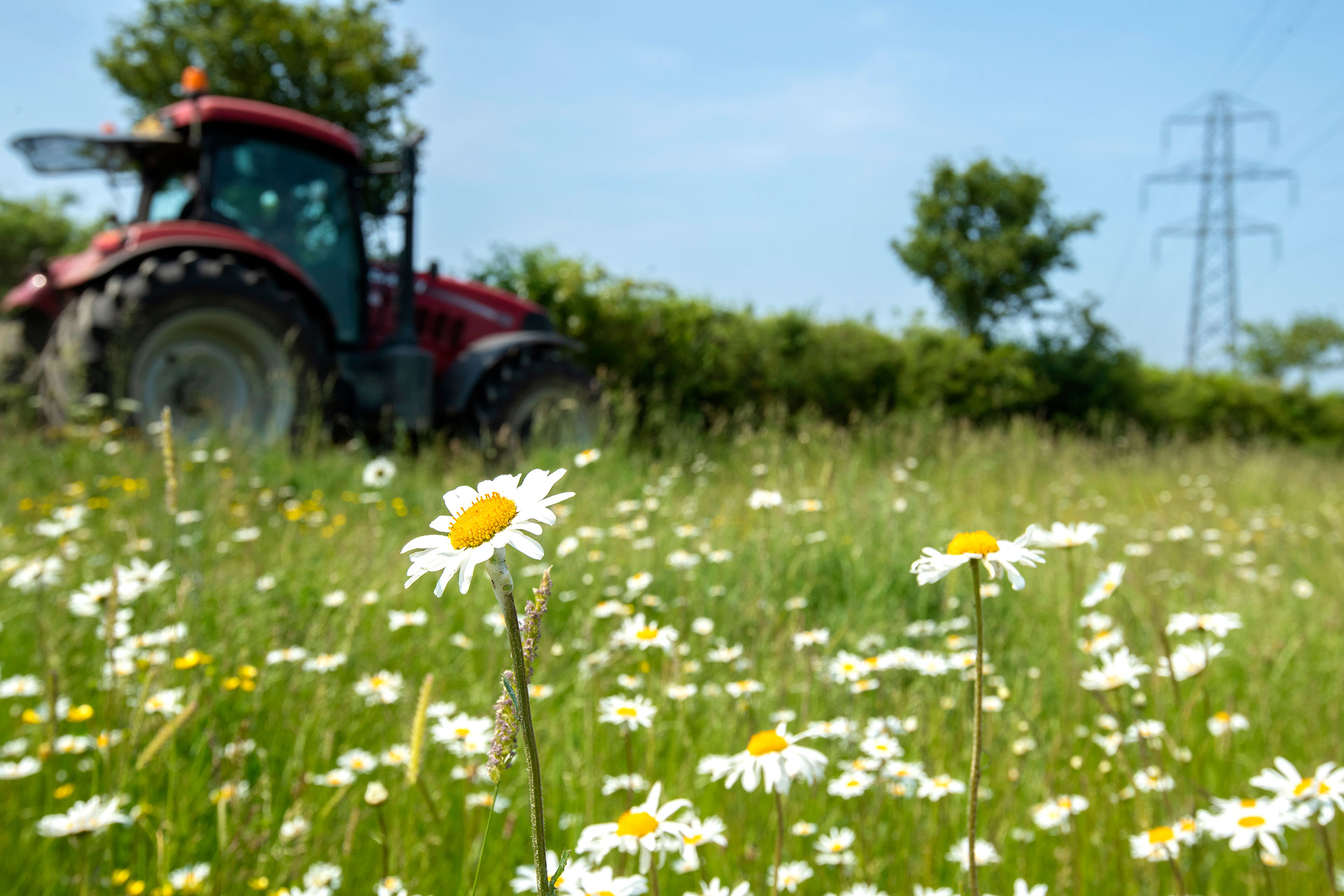
The RSPB delivered its new Nature-friendly Farming report at the Oxford conference. Photo: Ben Andrew (rspb-images.com)
You might also like
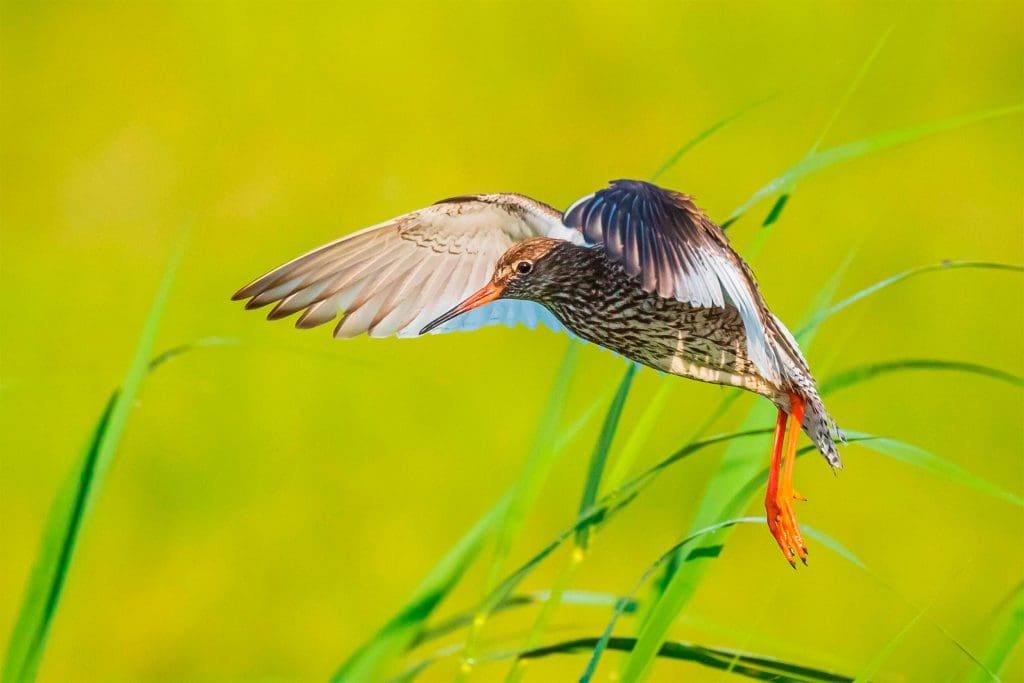
Saving Redshanks – the saltmarsh guardians
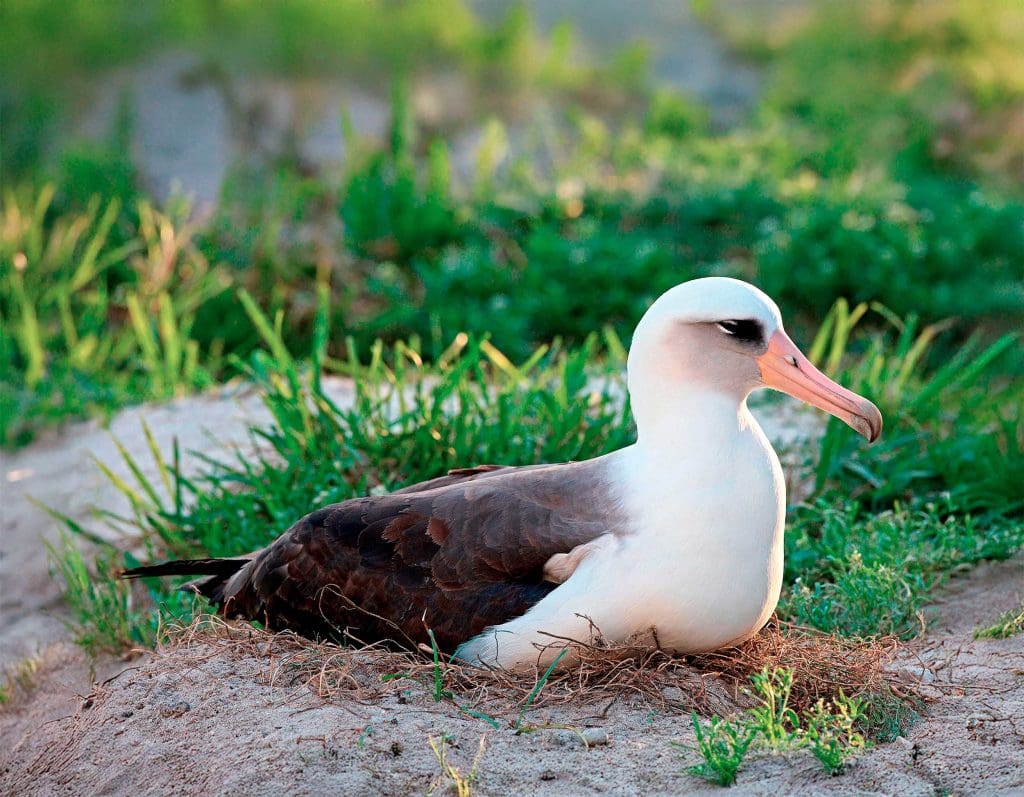
How long do birds live?