Triple-tramping trail
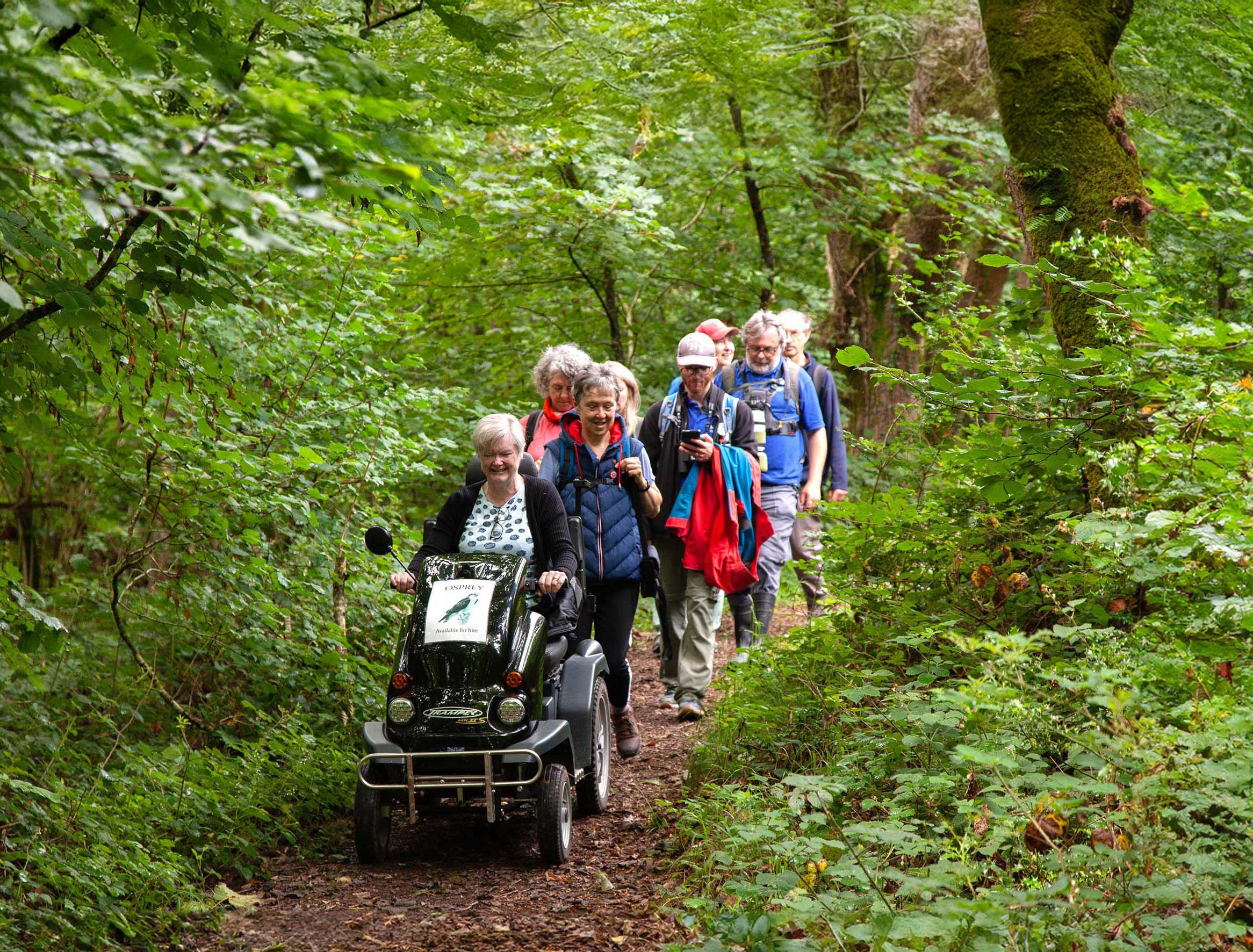
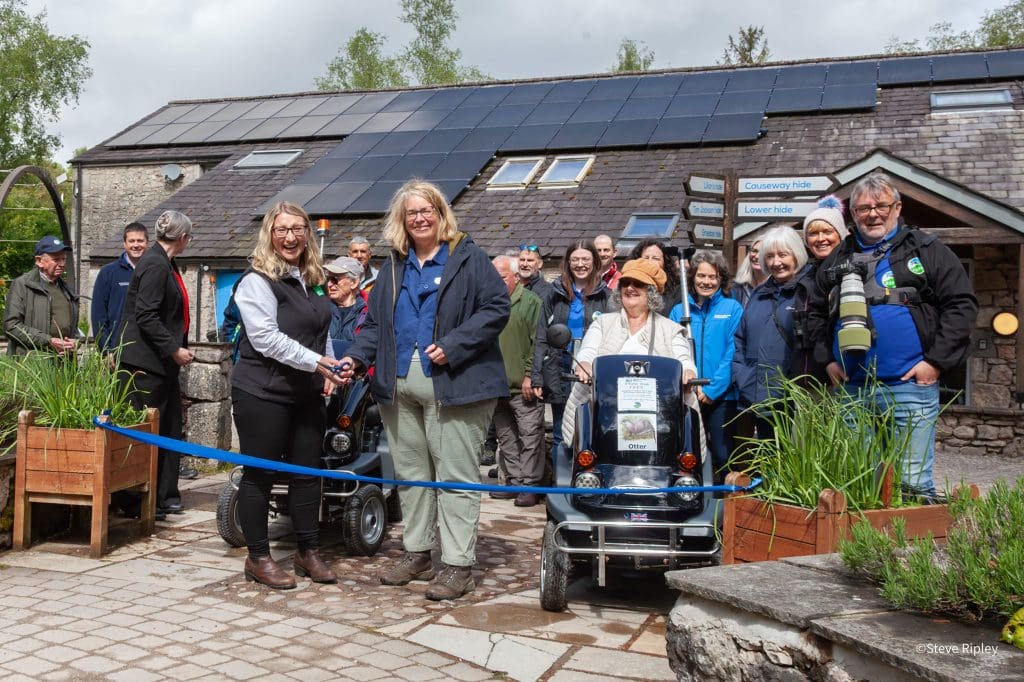
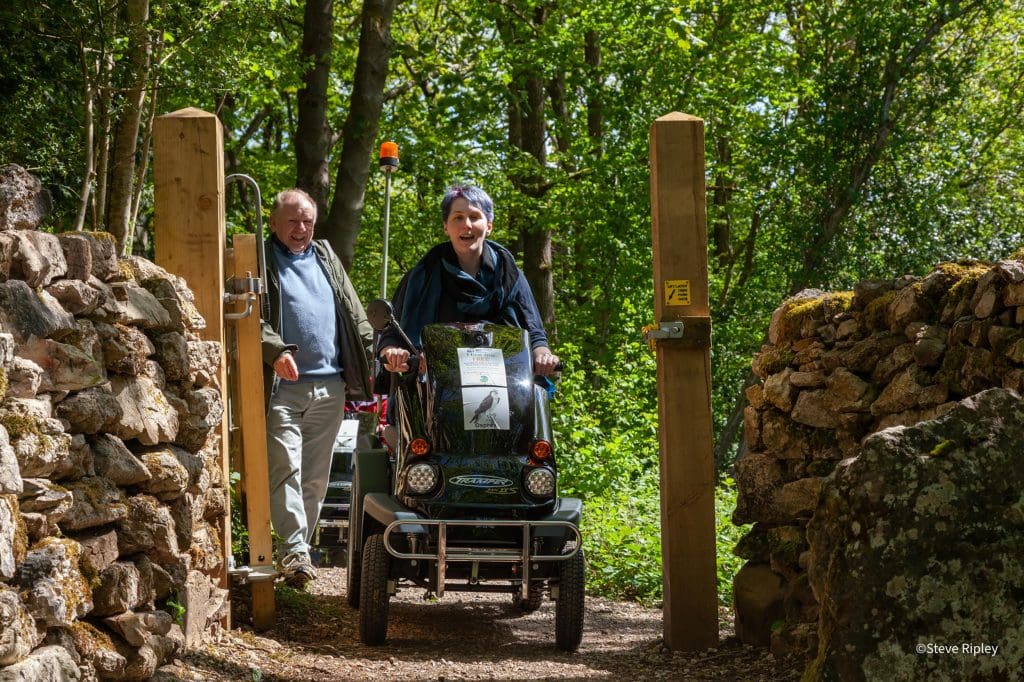
An array of the UK’s most important and impressive wildlife habitats and landscapes are now more accessible thanks to an ambitious new trail through Arnside and Silverdale National Landscape on the Cumbria-Lancashire border.
The six-mile Three Nature Reserves Accessible Trail, launched in May, enables people with mobility issues to discover wild wonders including rare birds, butterflies and orchids. Crucially, three free-to-hire all-terrain ‘Tramper’ vehicles are available to book at the gateway site, RSPB Leighton Moss, allowing almost anyone to roam the route.
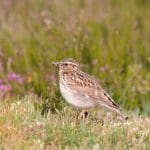
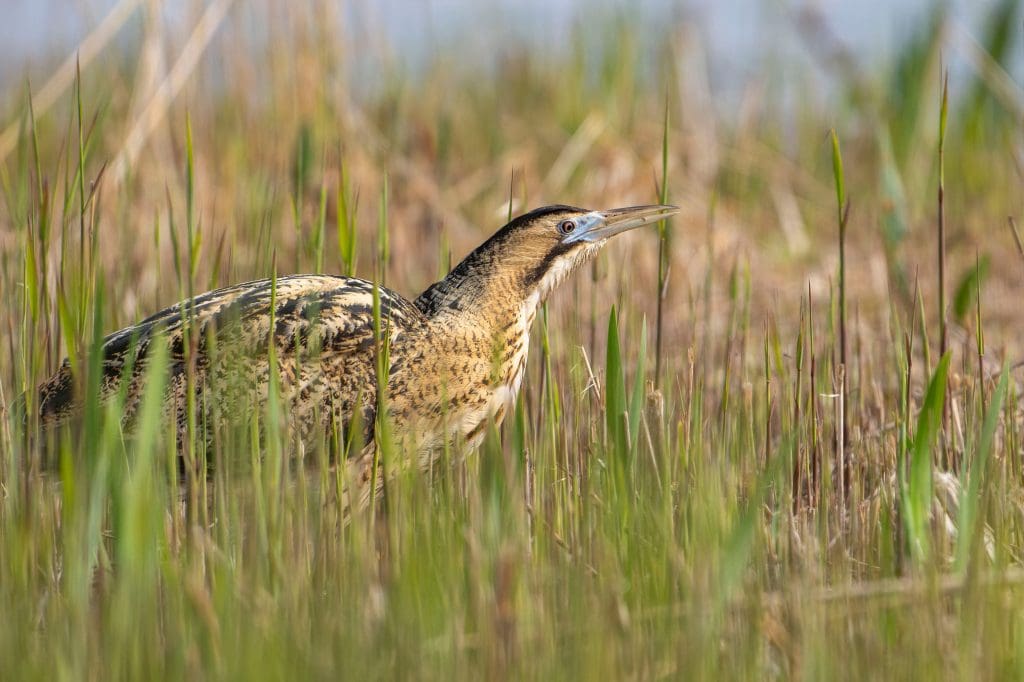
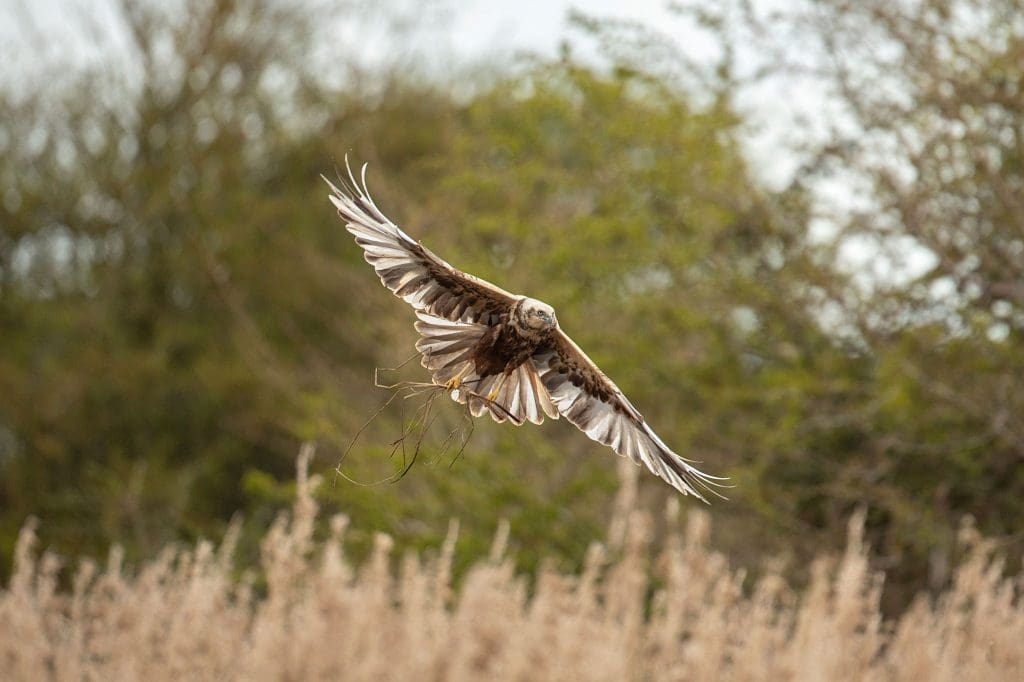
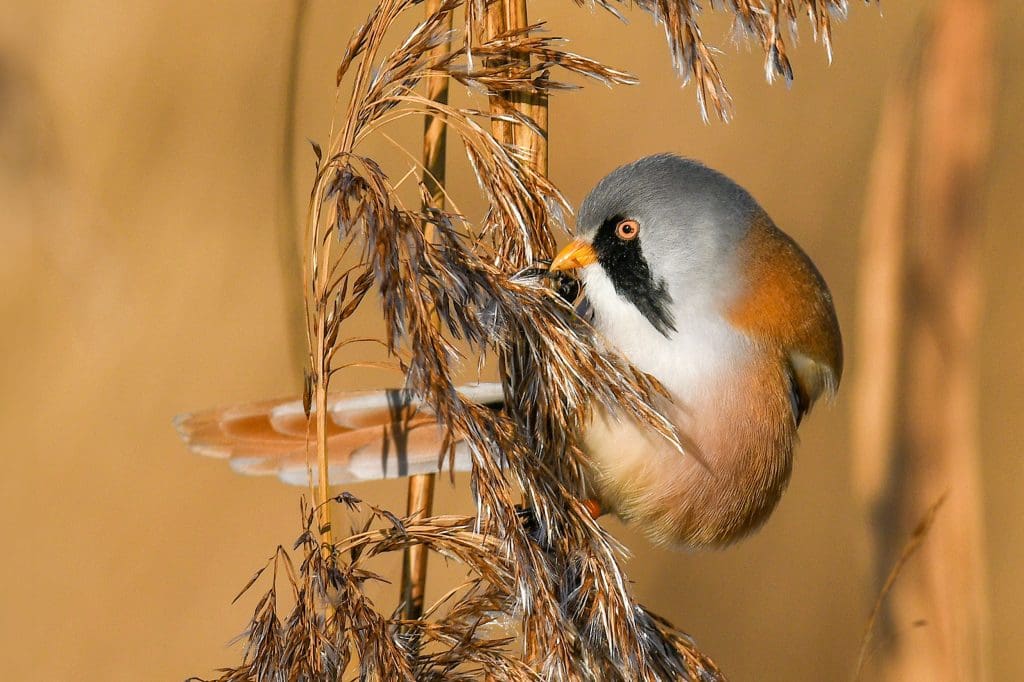
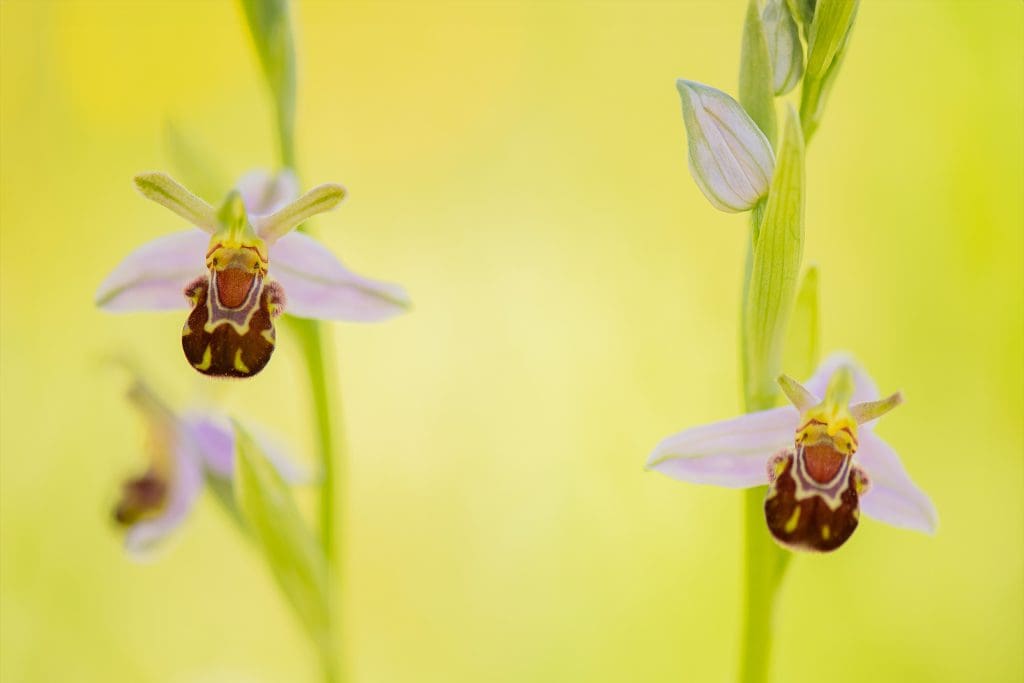
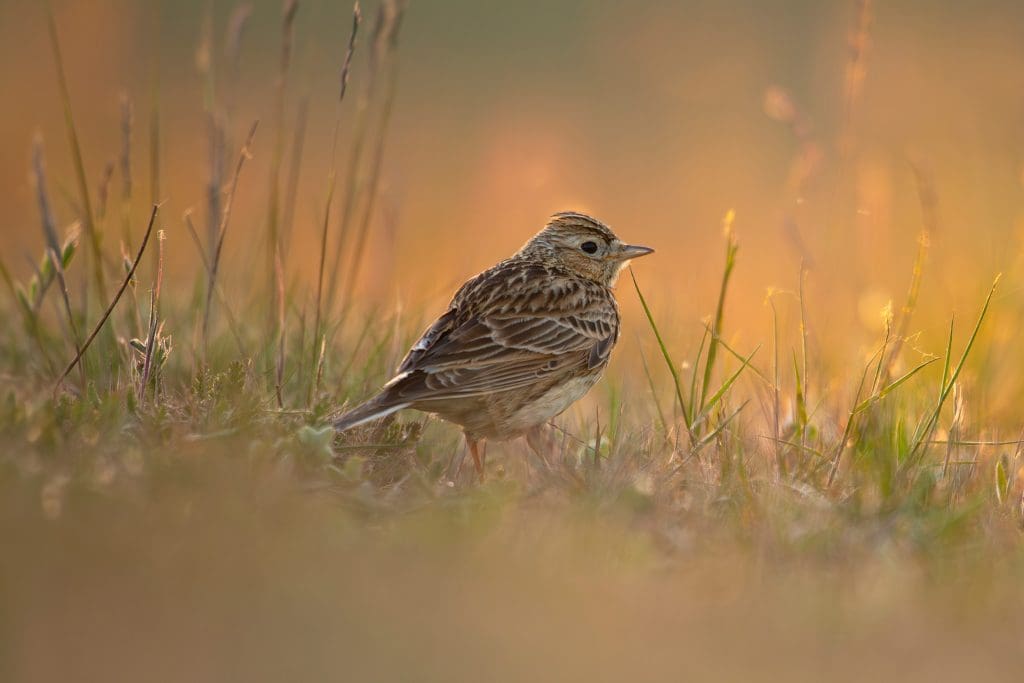
From Leighton Moss, the trail visits north-west England’s largest area of reedbed, home to birds such as Bitterns, Marsh Harriers and Bearded Tits. Continuing to Trowbarrow Local Nature Reserve, find fascinating fossils plus scarce Bee and Fly Orchids. And in Gait Barrows National Nature Reserve, admire a wide variety of butterflies in one of Britain’s most important limestone landscapes. Profuse wildflowers, Skylarks, veteran Yews and dramatic views across Silverdale Moss to Arnside Tower round off the newly accessible sensory spectacle.
Your membership supports our success
The stories of conservation wins that appear on these pages are possible only thanks to the ongoing support of more than a million loyal RSPB members. Thank you. We literally couldn’t do it without you!
For example, six decades ago the Dartford Warbler teetered on the brink of extinction in the UK. Since then, RSPB staff and volunteers have restored lowland heath habitat, and the recent Heathland Birds Survey revealed the highest-ever number of Dartford Warblers recorded on our reserves: 264 pairs, up 44% in just five years. Across the UK, breeding pairs reached 4,100, up nearly one-third in the past two decades.
As previously explained, some members will see an increase in their membership fee when they renew, depending on how much they currently pay. This change will help us continue doing more for birds and nature, protecting species and the places they depend on.
We’re also updating our membership Terms & Conditions to make them clearer and easier to understand. If you have any queries or concerns, please visit our membership page or contact Supporter Services by email or call 01767 693680.
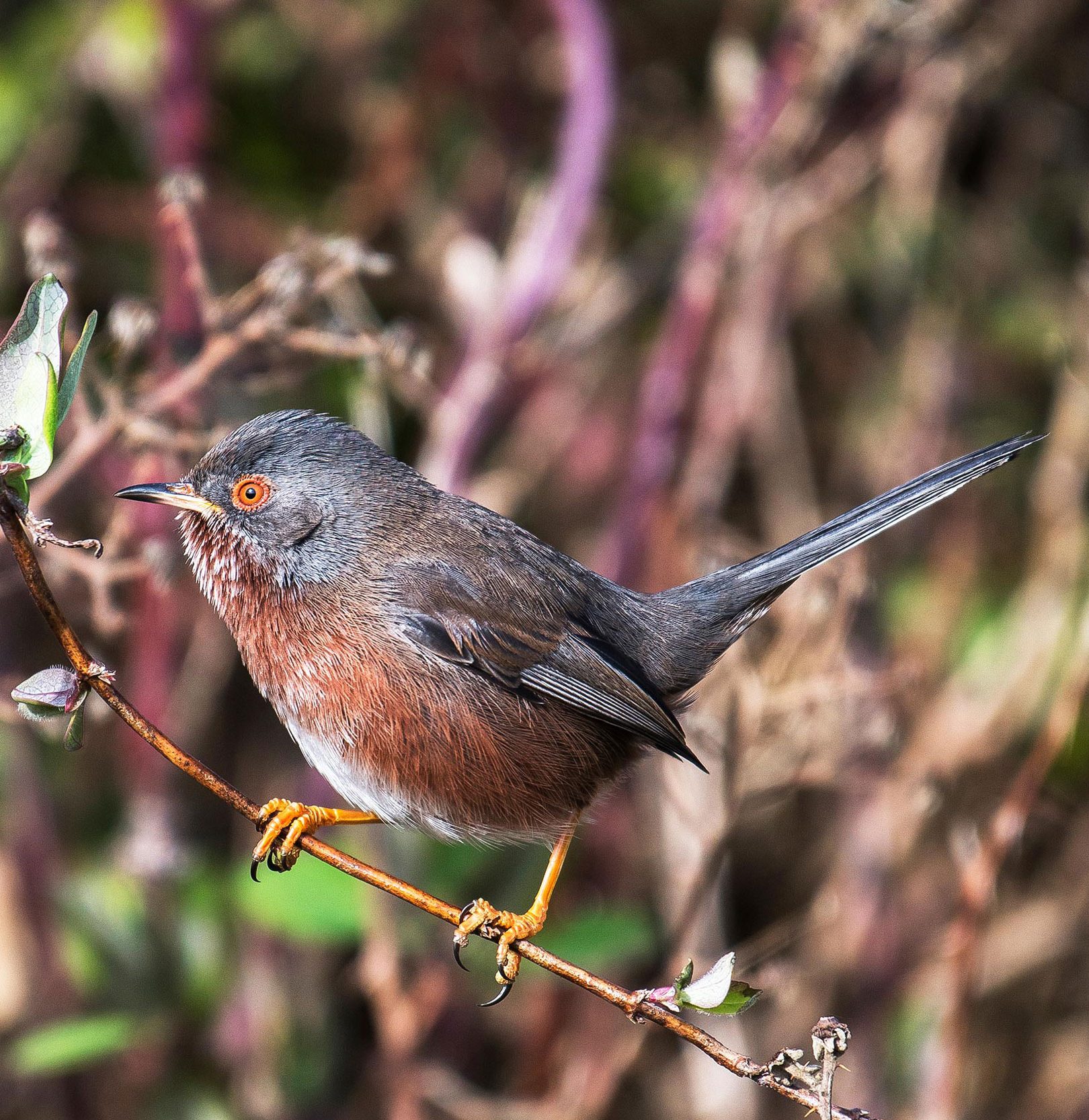
Dartford Warbler numbers have increased, thanks to the generous support of members. Photo: RSPB/Les Cater
RSPB youth champion
We’re delighted that young conservationist and wildlife writer Kabir Kaul has been recognised with a British Empire Medal for services to nature in the 2026 King’s Birthday Honours.
Kabir is an influential and inspiring advocate for nature and the environment, connecting young people with the world around them – and he’s only just out of his teens. He was part of the RSPB Youth Council for six years and served on our Conservation Advisory Committee. As a specialist volunteer in our Policy and Advocacy team, Kabir supported our Swift policy and national nature planning policy initiatives.
He also volunteers as a ranger at London National Park City, and he played an important role in the campaign to designate Warren Farm, home to a quarter of London’s Skylarks, with Local Nature Reserve status. He created the first interactive map of London’s nature reserves, too.
“It feels surreal to receive this medal,” Kabir said. “Working with the RSPB significantly deepened my love of nature and my understanding of how to make a difference for our biodiversity. I’ve always been passionate about nature, particularly birds, and I have no doubt that the RSPB will continue to inspire more people.”
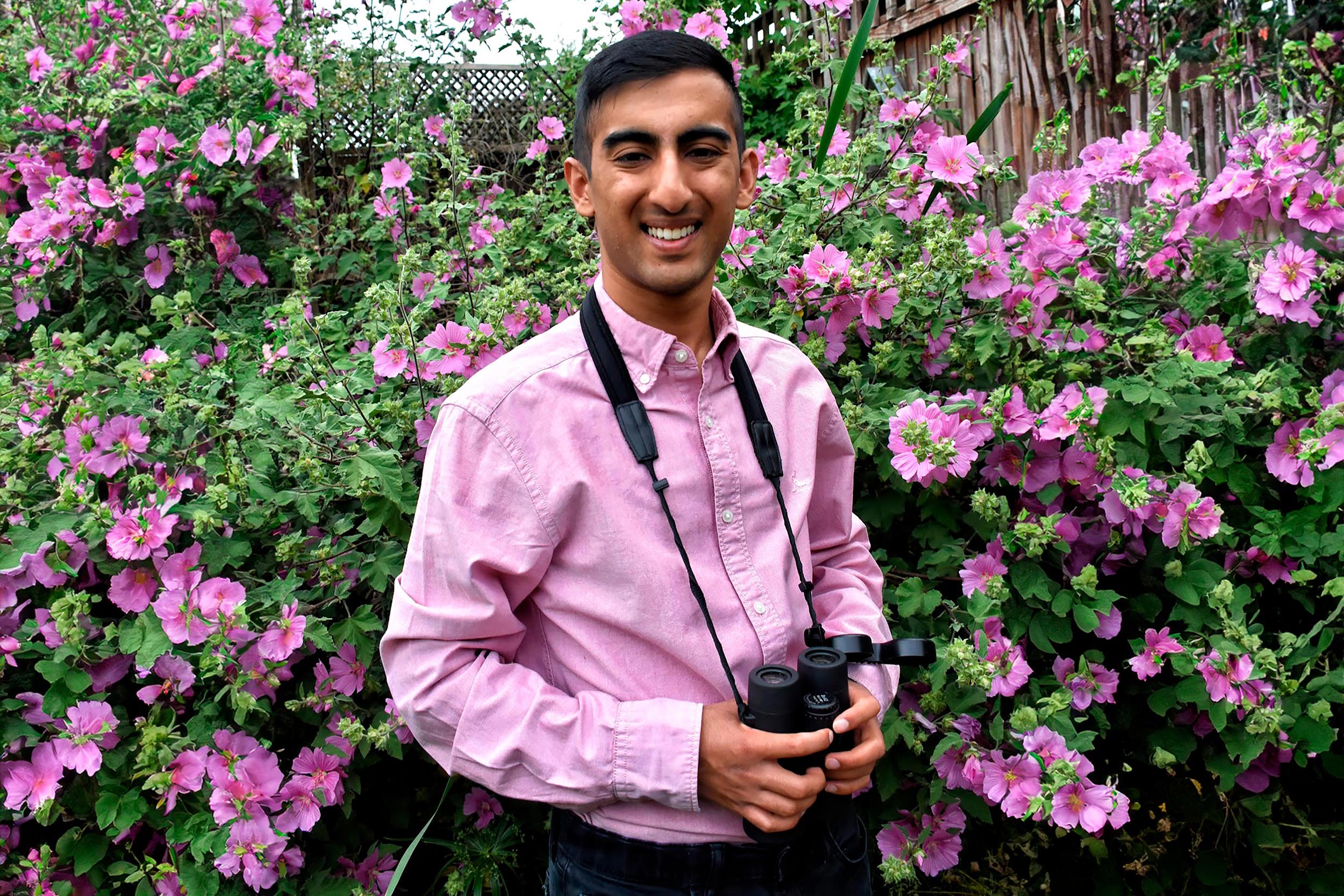
Kabir Kaul was awarded a British Empire Medal for his work supporting London wildlife. Photo: Aryan Kaul
Restoring peat for the planet
We’re celebrating key milestones in the restoration of rare and important peatland at RSPB Forsinard Flows in Scotland’s far north.
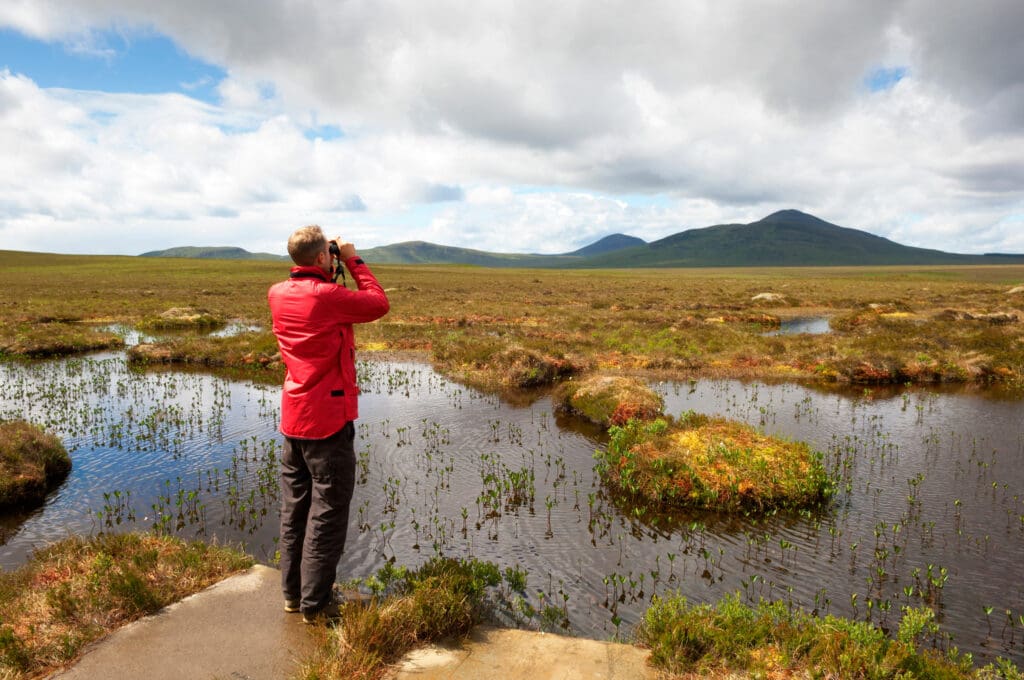
Peat bogs cover just 3% of the world’s land area, yet hold nearly 30% of the Earth’s carbon; Scottish bogs also host raptors such as Hen Harriers, waders including Golden Plovers and Dunlins, plus Red-throated Divers and carnivorous sundew plants. The Flow Country, a UNESCO World Heritage Site in Caithness and Sutherland, encompasses the planet’s largest blanket bog, spanning over 400,000ha. Much of this landscape was drained for forestry in the 1980s, resulting in large-scale carbon emission, increased flood and fire risk, and threats to wildlife. To reverse this trend, we’re undertaking a major programme of research and forest-to-bog conservation work. In 2026, the restoration of 120ha of peat bog was completed at the Caol site, and nearly 600ha is ongoing at Nam Breac, helping the likes of Greenshanks and dragonflies, as well as contributing to climate and nature recovery efforts.
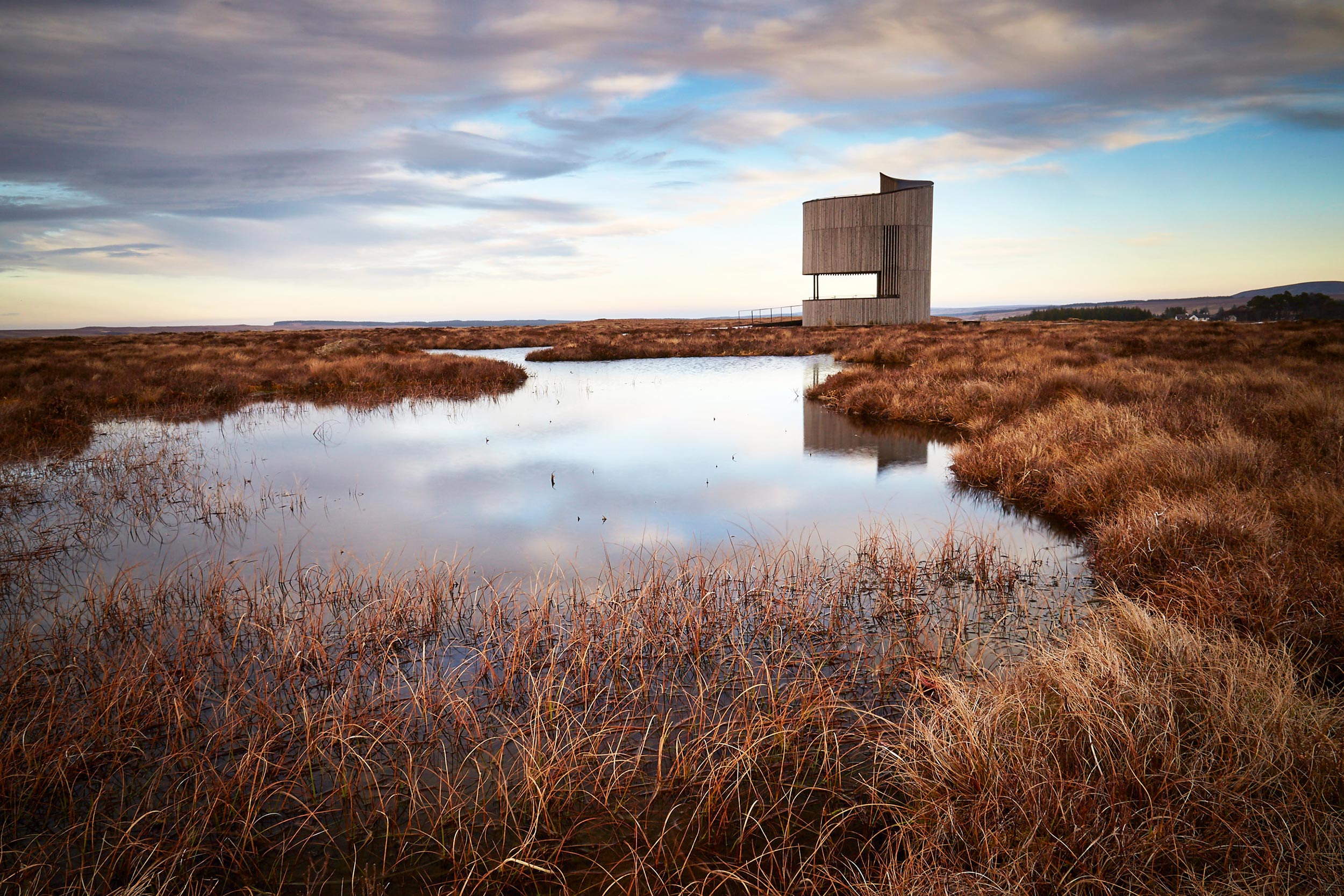
Forsinard Flows nature reserve, the site of vital peat bog restoration. Photo: RSPB/Kevin Arrowsmith
Nature benefits the economy
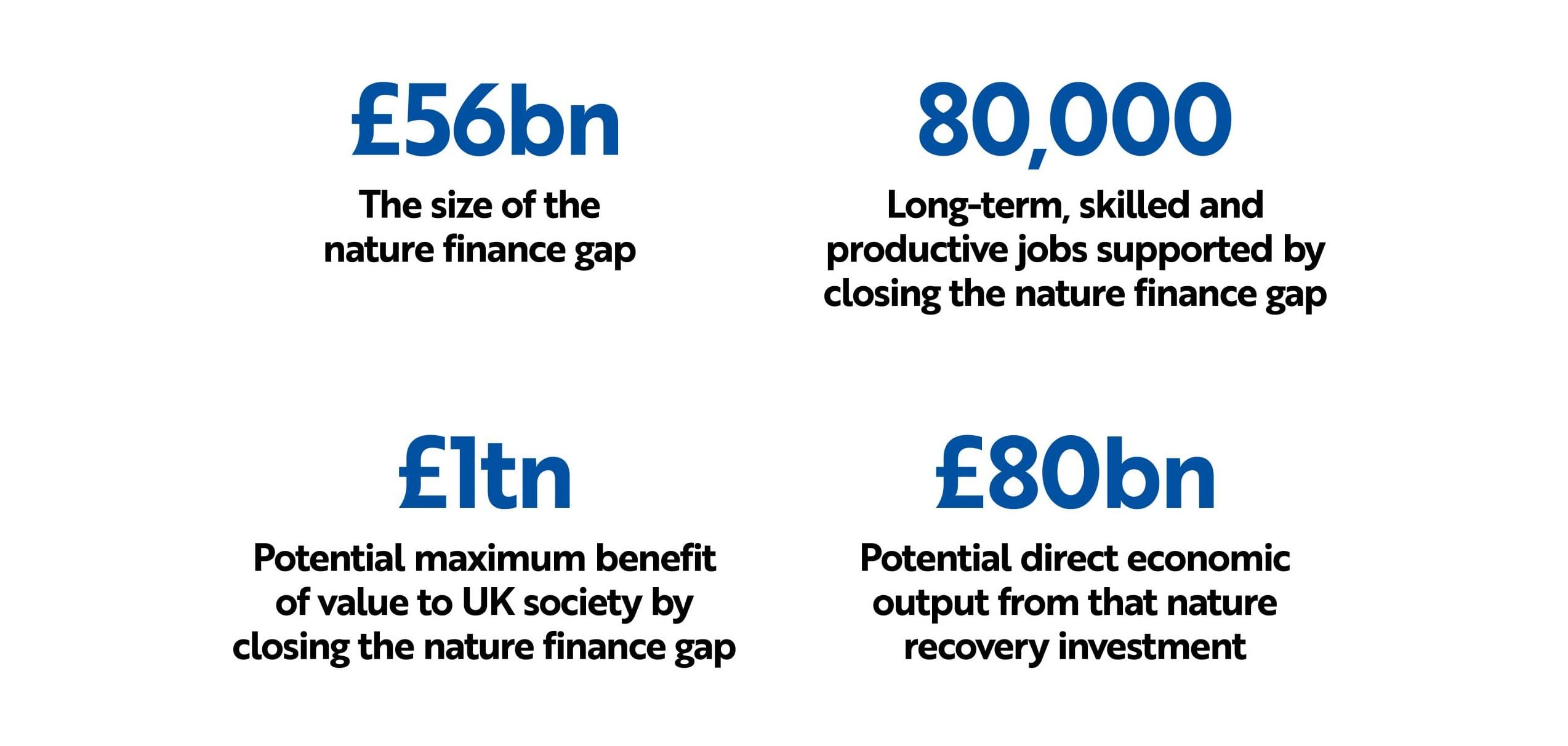
Research commissioned by the RSPB details the economic benefits that new investment in nature recovery would provide to the UK economy.
The Economic Case for Nature – a report prepared by economic consultancy eftec (Economics for the Environment Consultancy Ltd) – shows how addressing the nature finance gap through additional investment in species recovery and habitat restoration – including woodland, peatland and the marine environment – would help deliver economic growth, create jobs, improve national security and support wellbeing improvements.
Developing a global leadership role in nature recovery could create important new export opportunities for nature-related businesses. Investing in nature recovery would also contribute to climate mitigation, adaptation and food security, helping address risks to crops, livestock and commercial trees from climate hazards.
To achieve these successes, we’re calling on the Government to: set out a new Green Finance Strategy showing how public and private finance will combine to address the nature finance gap; task the Office for Budget Responsibility to assess nature-related financial risks; and ensure the Chancellor’s fiscal rules put nature on an equal footing with other assets, and allow borrowing to invest in natural capital.
Wildfires
While production of this issue of The RSPB Magazine was under way, wildfires brought devastation to the UK countryside. Sadly, the areas affected included several RSPB nature reserves including Abernethy, Dove Stone and Minsmere. Our incredible reserve teams, aided by fire and rescue services, our partners and our local communities, have worked tirelessly in challenging conditions to get the fires under control. It’s likely that the impacts will be long-lasting, with fragile habitats and rare wildlife needing many years to recover.
The climate crisis makes the occurrence of these fires more likely, more intense and more prolonged. That’s why it’s more important than ever to tackle the causes of our changing climate, and to manage our landscapes so that wildlife and people continue to thrive.
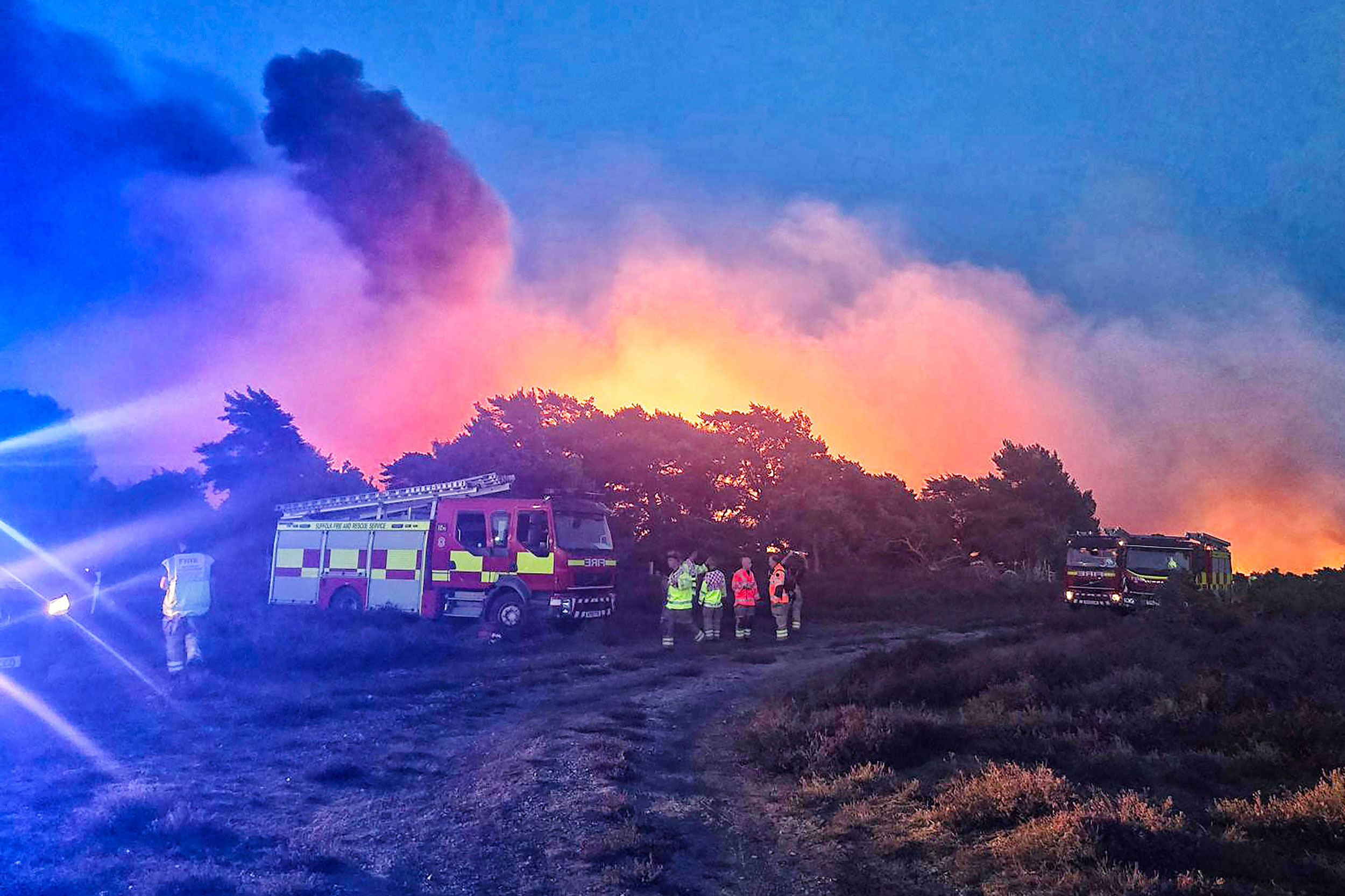
RSPB Minsmere nature reserve during the summer wildfires. Photo: RSPB/Mark Glanville
Craftivism for conservation
We’re joining forces with multi-award-winning wildlife artist and writer Jackie Morris on an ambitious new project using art and crafts to raise awareness among politicians of the urgent need for action to support nature recovery. We’ll use Jackie’s gorgeous illustrations for The Book of Birds, written by Robert Macfarlane, to inspire stitching, painting and creating of beautiful bird motifs by nature-lovers, to combine in larger displays as symbols of collective activity and a shared love of birds.
Delve into the book and its illustrations in the Life on the Red List feature
By sharing these artworks with politicians, we’ll demonstrate their constituents’ connections with wildlife and demand more ambition and action for nature recovery. We’ll focus particularly on raising awareness of the protected areas that are home to so many of the birds painted by Jackie. Please email to get involved.
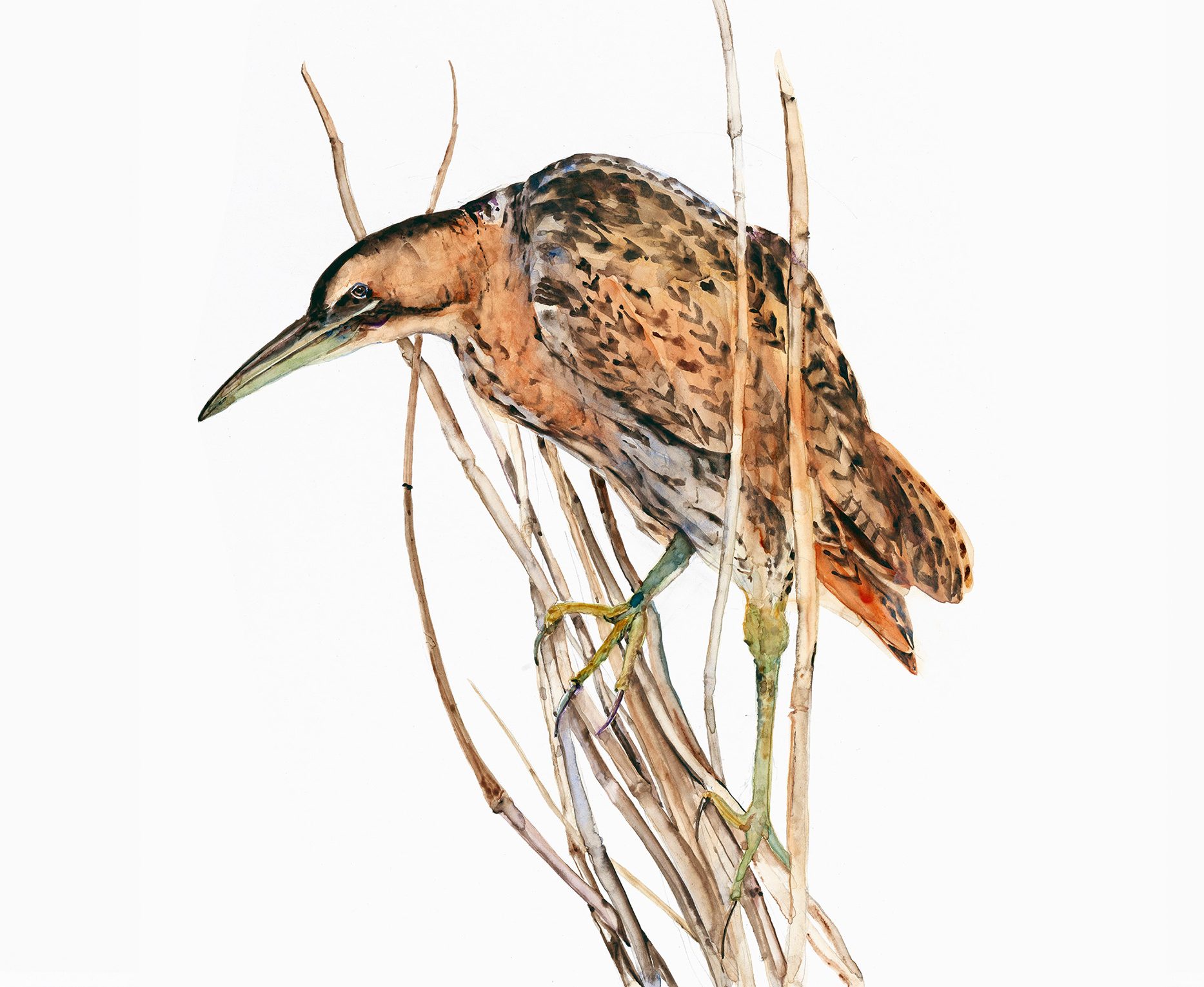
Bittern. Illustration: Jackie Morris
Feathered friends on screen
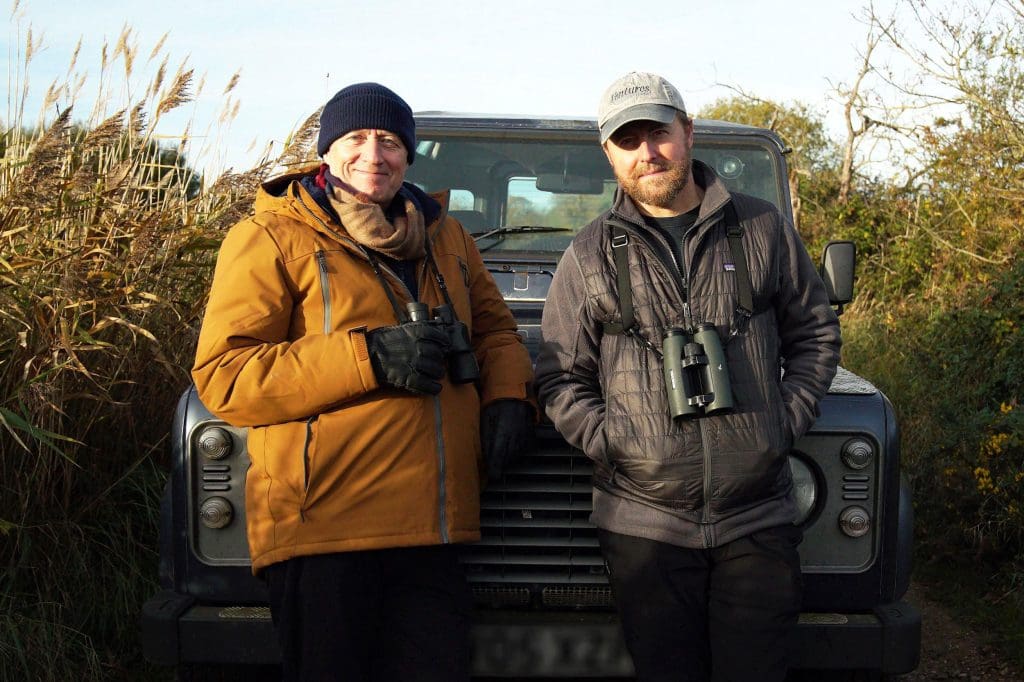
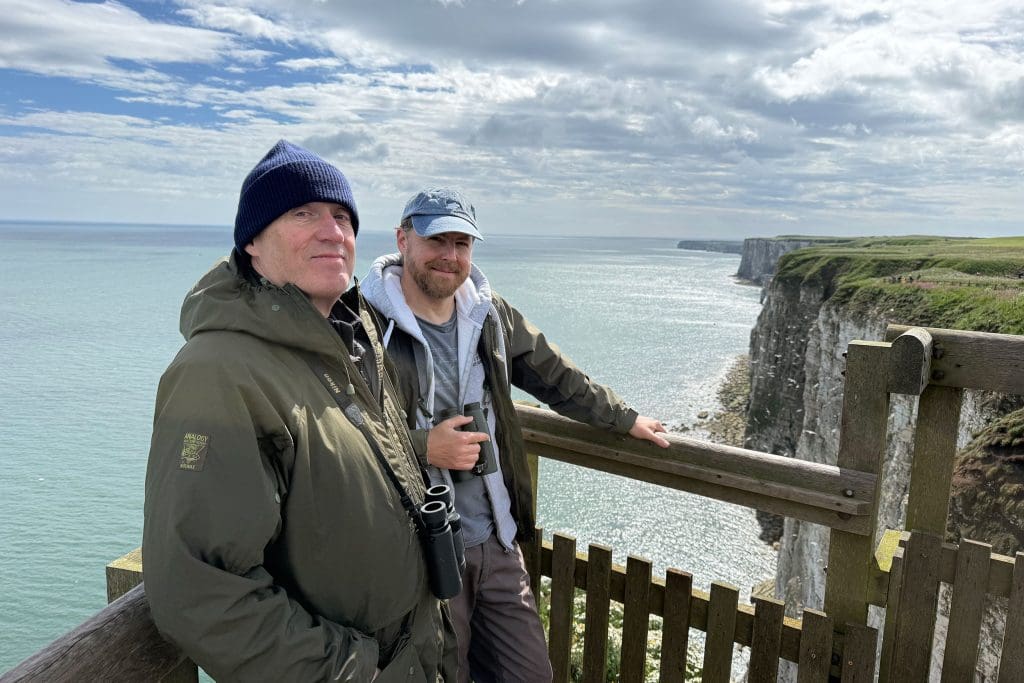
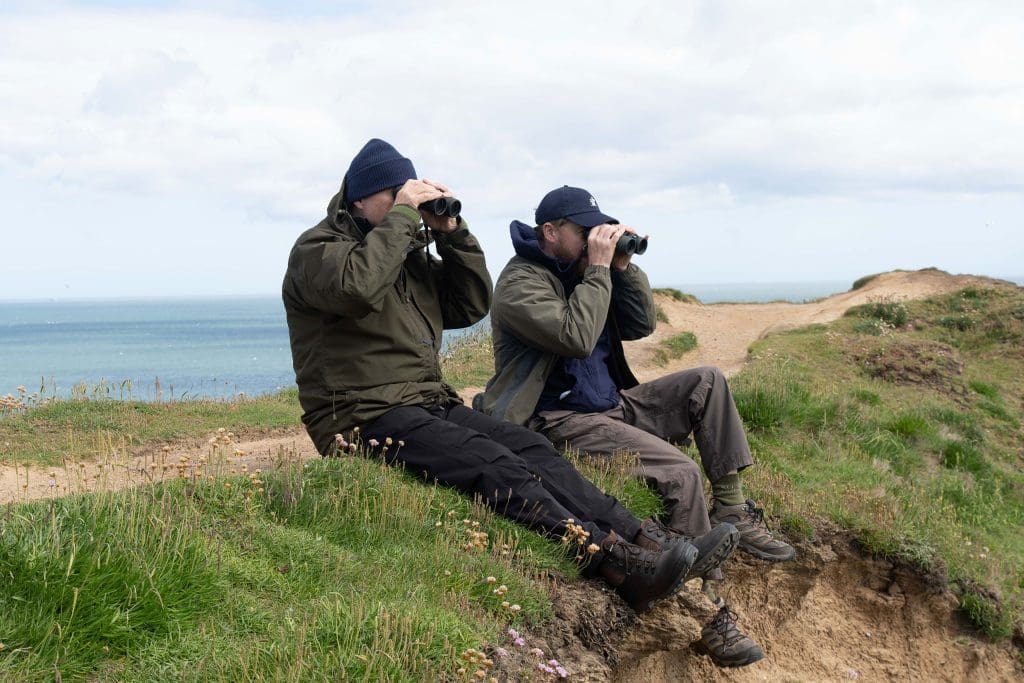
Actor, nature-lover and RSPB Ambassador Samuel West again guides his mate Adrian Edmondson to some of the UK’s finest habitats for the second series of 5’s Sam & Ade Go Birding, airing this autumn. Among their destinations are RSPB Bempton Cliffs in North Yorkshire and RSPB Ynys-hir in mid-Wales. “If you look hard enough you can enjoy nature anywhere, but nature reserves are especially good places to watch birds,” enthused Samuel. “I always anticipate a visit to an RSPB reserve, excited by what I might see there.”
Swift home truths
New RSPB research reveals that more than nine out of 10 Swifts return to the same nest sites each year, confirming long-held understanding of nest loyalty, and reinforcing the urgent need to maintain and protect existing sites as well as providing new ones.
RSPB scientists studied 190 Swifts from 243 nests over 15 years breeding in and around a Dartmoor village, and found that 94% of Swifts reused the same nesting site as the previous year. Swifts are long-lived – 15% of individuals studied were at least eight years old, with the oldest no less than 12 – but they’re also threatened, the species declining by 70% in the past 30 years.
“This highlights just how important it is to protect their nesting sites in our neighbourhoods,” said RSPB Principal Conservation Scientist Malcolm Burgess. “Without increasing the availability of nest sites, and replacing those that are being lost, we will see further declines of this extraordinary bird in our towns and cities.”
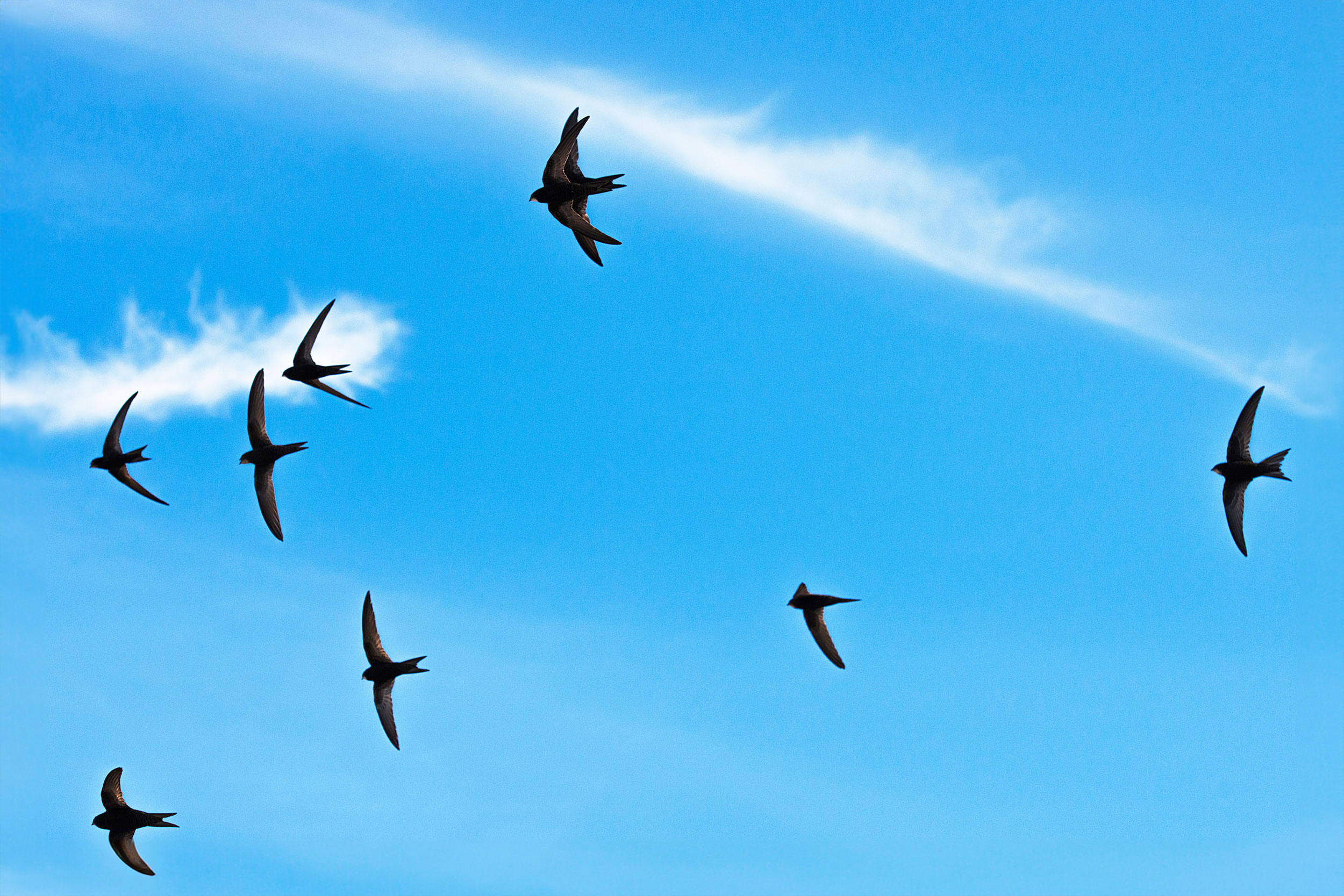
Swifts are creatures of habit, in regards to their nest locations. Photo: RSPB/Ben Andrew

Fitting a Swift box like these could see the same Swift return to nest there in following years. Photo: RSPB/Sam Turley
Major legacy
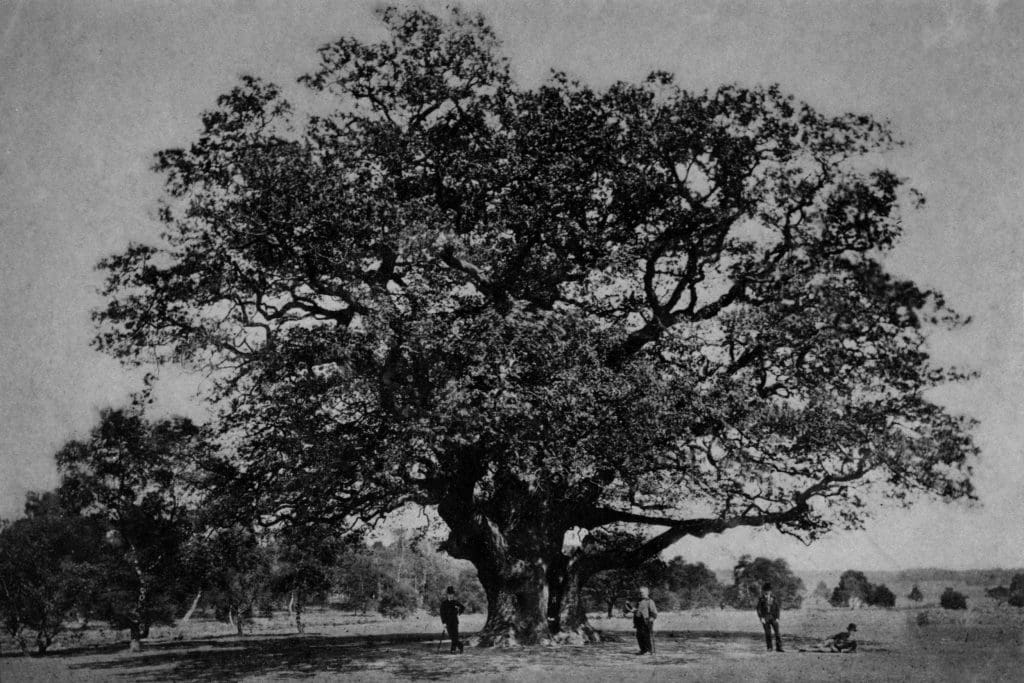
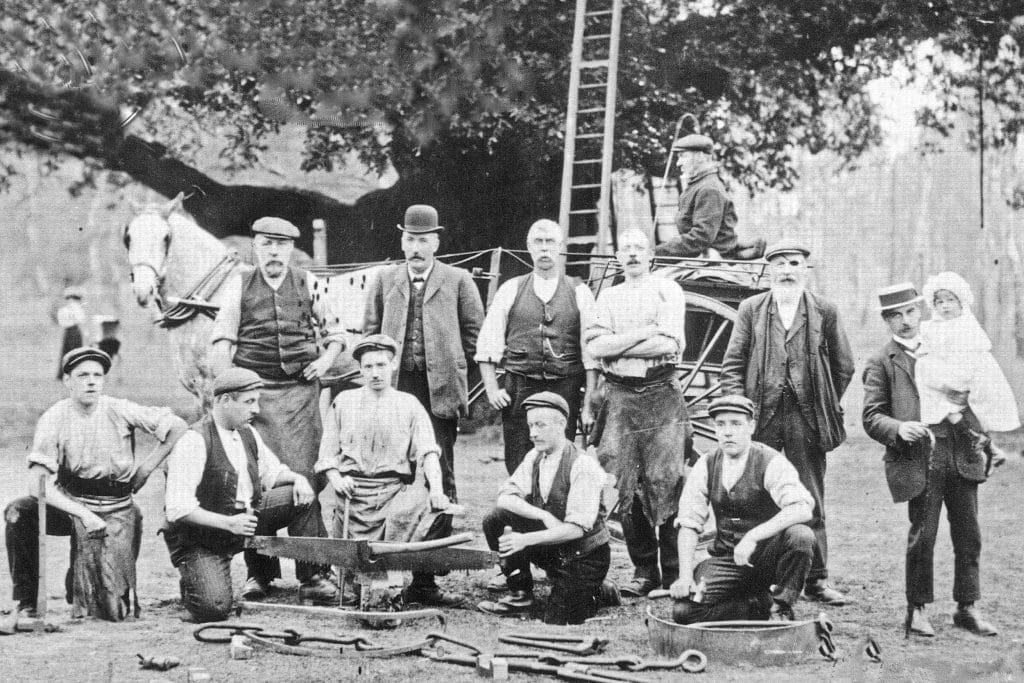
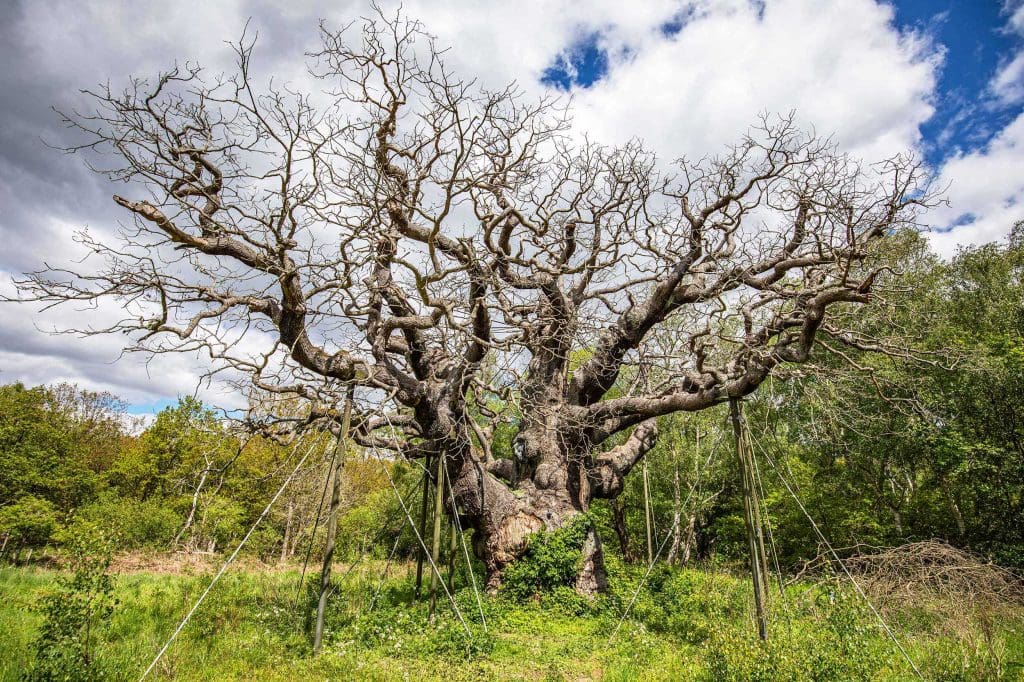
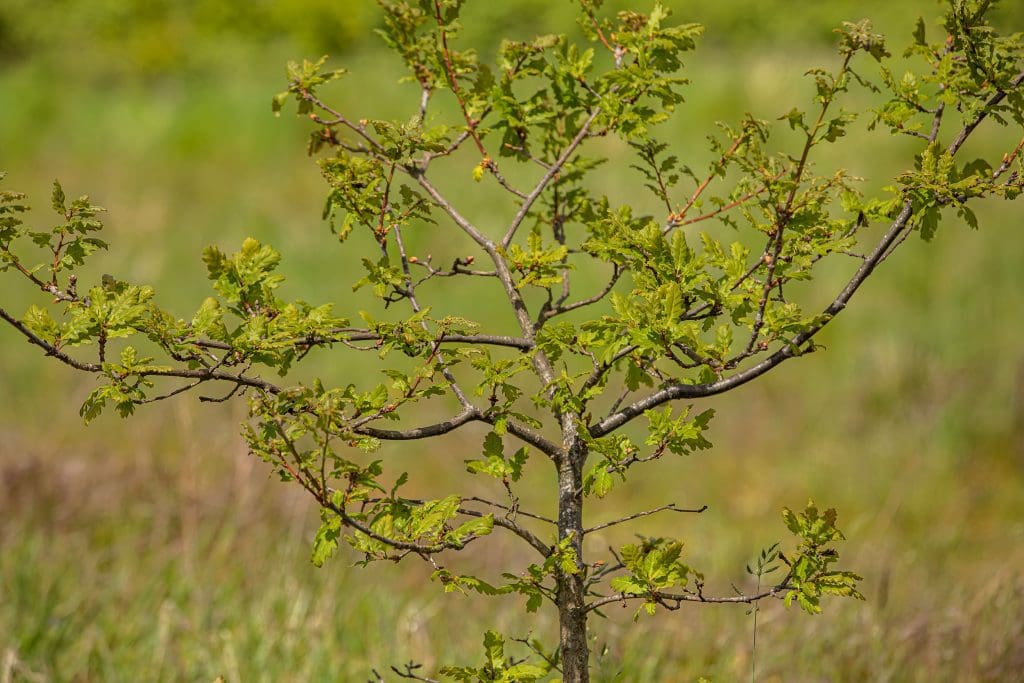
The Major Oak in Sherwood Forest, managed by the RSPB since 2018, produced no leaves this spring and is believed to have died. Sadly, the popularity of the 1,200-year-old tree contributed to its decline. Millions of visitors’ feet compacted the sandy soil, hindering the ecosystem’s natural functions and reducing water, nutrients and oxygen reaching the roots. Well-intentioned historical interventions – adding struts and lead or fibreglass sheets, filling holes with concrete or sealants, and injudicious pruning – added to its problems.
Though its own life may be over, the oak will continue to provide habitat and food for a variety of organisms. The knowledge gained from caring for the Major Oak will help to shape how we protect other ancient trees, in Sherwood and beyond. And with saplings from the Major Oak’s acorns growing far and wide, its legacy will endure for centuries more. Share your stories by emailing us with the subject ‘Major Oak Legacy’.
The Major Oak will continue to be an invaluable stronghold for nature. Video: the RSPB
Going in to bat for Black Grouse
The RSPB has been working to halt the decline in Black Grouse in Scotland’s southern uplands. Black Grouse have suffered long declines across the UK, now estimated at fewer than 5,000 males. Declines in the southern upland’s population have been estimated at 10% each year, and fewer than 200 lekking males have been recorded there since 2023. Populations are increasingly fragmented, with breeding success hit by poor weather and loss or disturbance of habitat.
With support from the Scottish Government’s Nature Restoration Fund, managed by NatureScot, we’ve begun work to assess breeding habitat condition and availability, and to provide information to farmers and other landowners on how to manage this habitat for Black Grouse. Meanwhile, volunteers are helping monitor the birds’ status through field surveys and using audio recording technology.
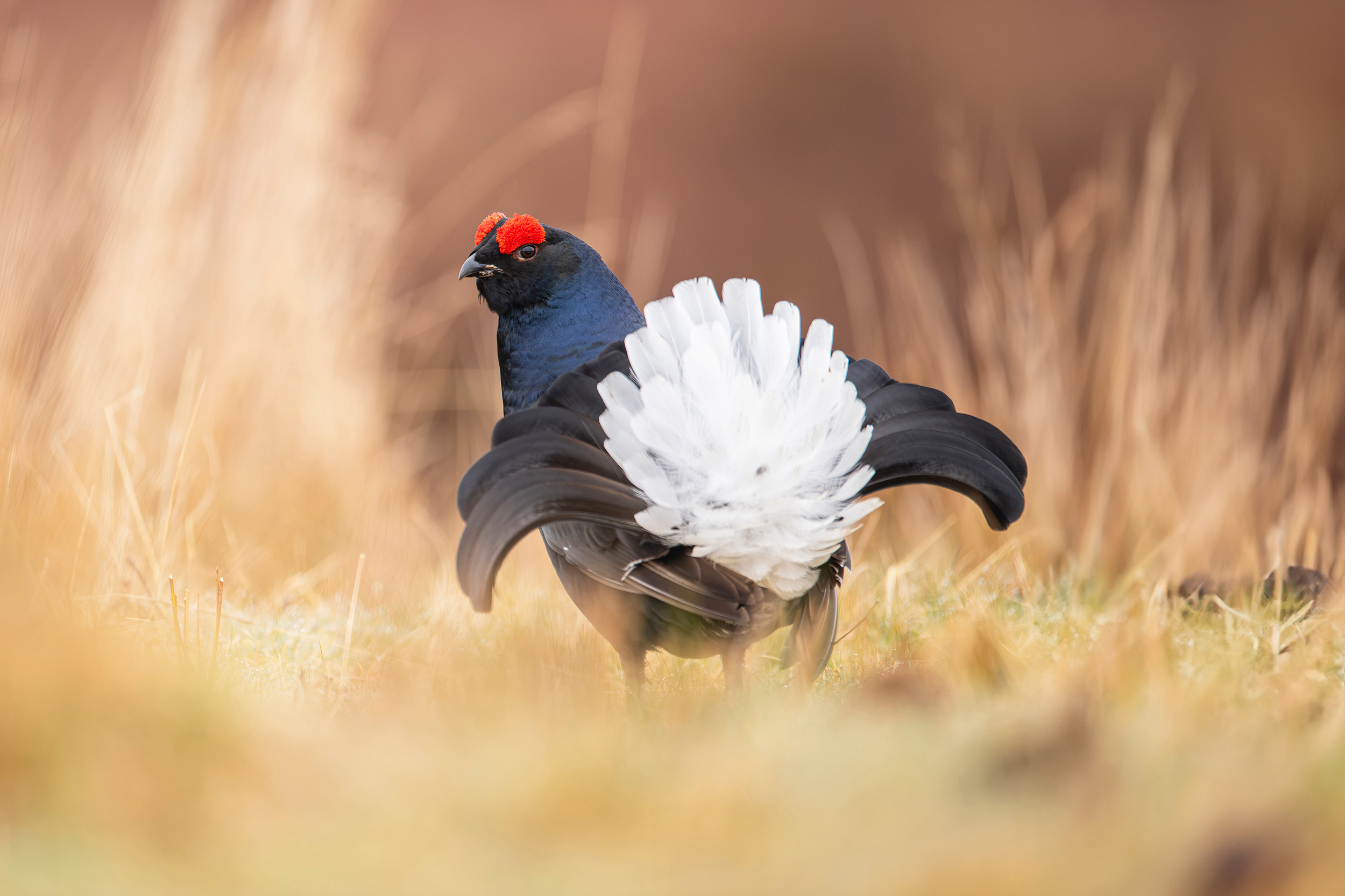
We’re working on improving the Black Grouse’s habitat quality and availability. Photo: RSPB/Ben Andrew
Beaches for birds
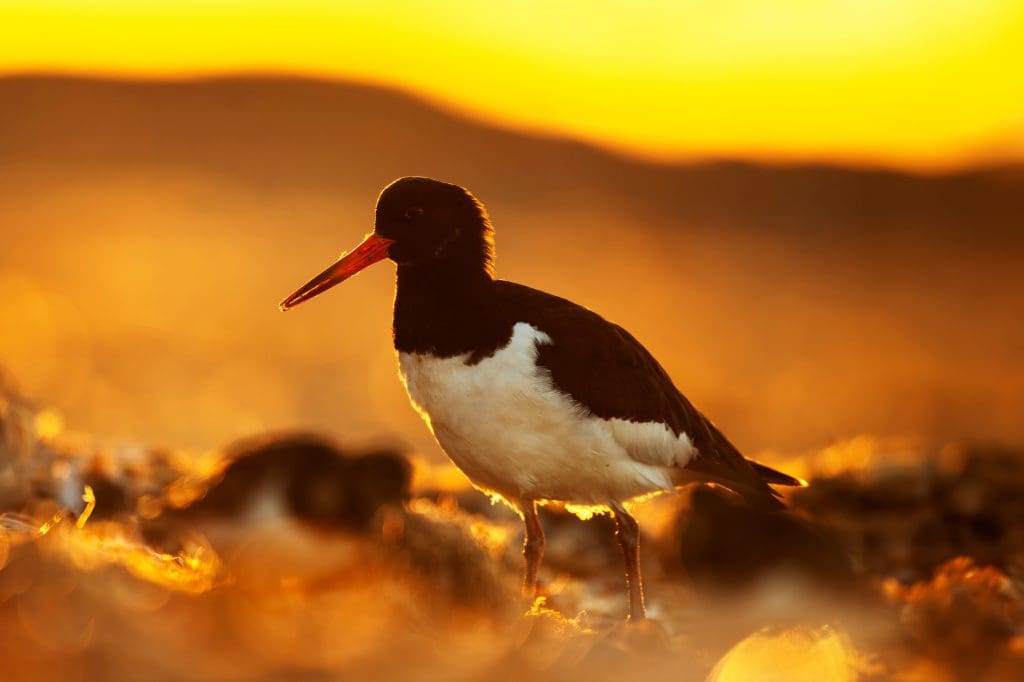
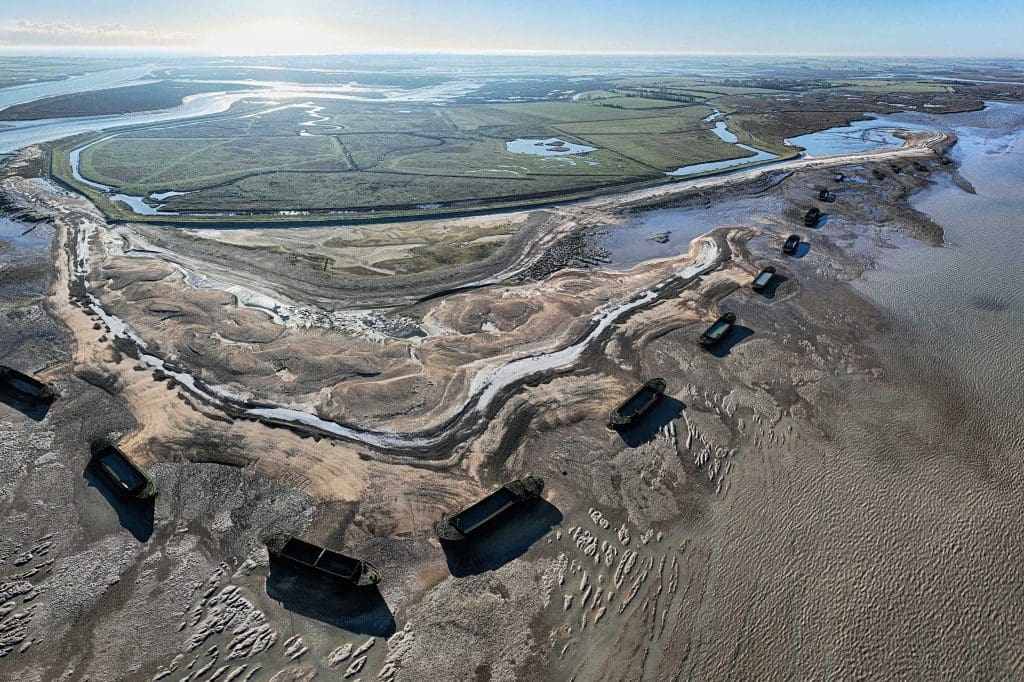
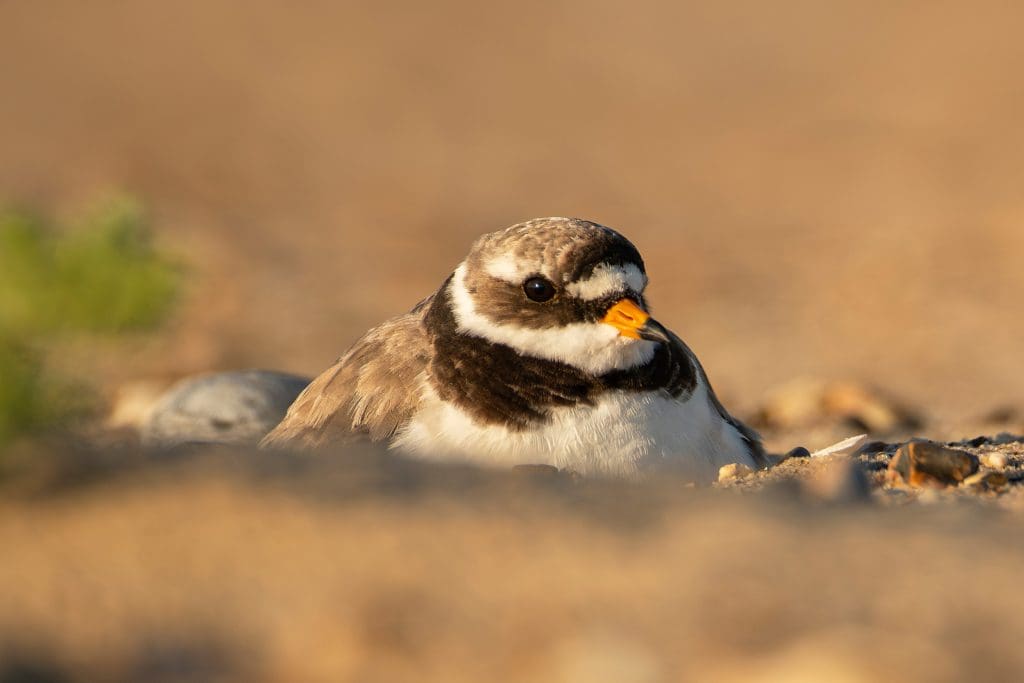
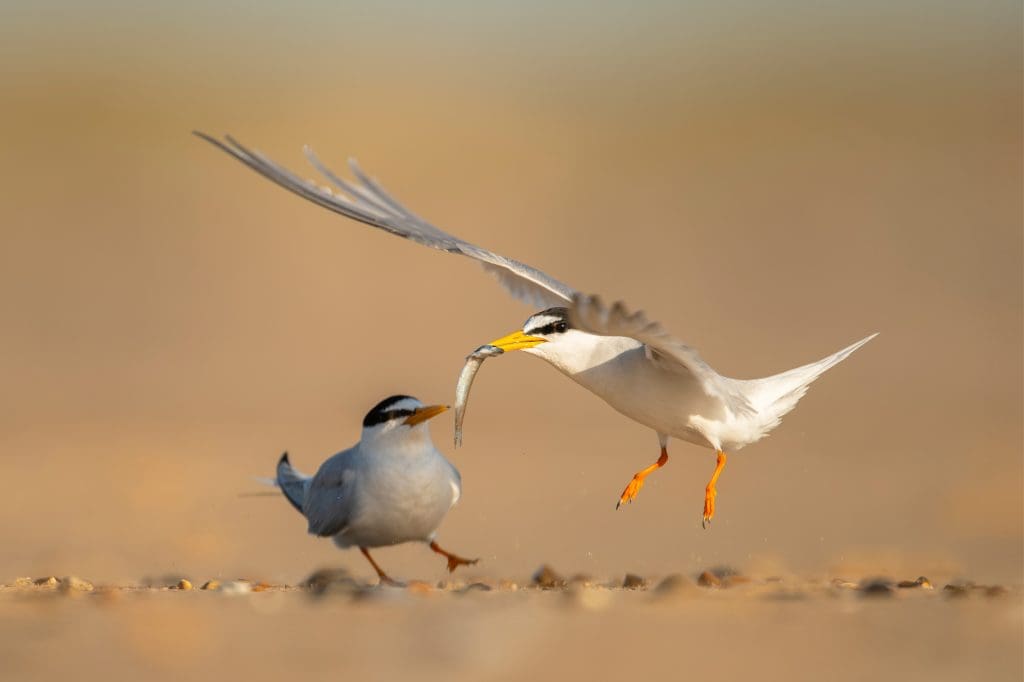
A £2.5m project to create and restore nearly 2 hectares of vegetated shingle beach in the Blackwater Estuary will provide vital habitat for beach-nesting birds including Little Terns, Ringed Plovers and Oystercatchers. The work, led by the RSPB in partnership with Harwich Haven Authority and Essex Wildlife Trust – and funded by the Environment Agency’s Natural Flood Management Programme and the Endangered Landscapes and Seascapes Programme’s Transforming the Thames project – involves moving sediment dredged from Harwich Haven approach channels and port berths during routine maintenance. That sand and shingle will be placed strategically to protect sheltered creeks and channels from larger waves. This will reduce saltmarsh erosion and help shield flood defences surrounding RSPB Old Hall Marshes and Essex Wildlife Trust’s Tollesbury Wick nature reserves. This work will also protect local communities from flooding, and reduce wave impacts on boat moorings and oyster beds.
Sea changes needed
As the UK shifts to renewable energy and offshore wind turbines proliferate, we must balance meeting climate goals with the need to protect species – particularly seabirds, which continue to decline. That’s the message of the RSPB’s updated report Powering Healthy Seas: Turning a vision into reality, published this summer.
The expansion of offshore wind is helping the UK progress towards meeting ambitious climate goals, but much more work is needed to meet nature targets. Offshore wind can pose various threats to seabirds, including risk of collision, displacement from feeding areas, disturbance, and alteration of marine habitats. But, when developed with nature in mind, there is a solution.
We’re calling for a raft of actions by government, including: marine spatial planning that avoids critical areas for seabirds; continuing research to expand the evidence base and inform decision-making; robust mitigation measures backed by evidence; and action to secure seabird recovery. We believe it’s possible to deliver on our Net Zero targets while also ensuring nature is given the best opportunity for recovery.
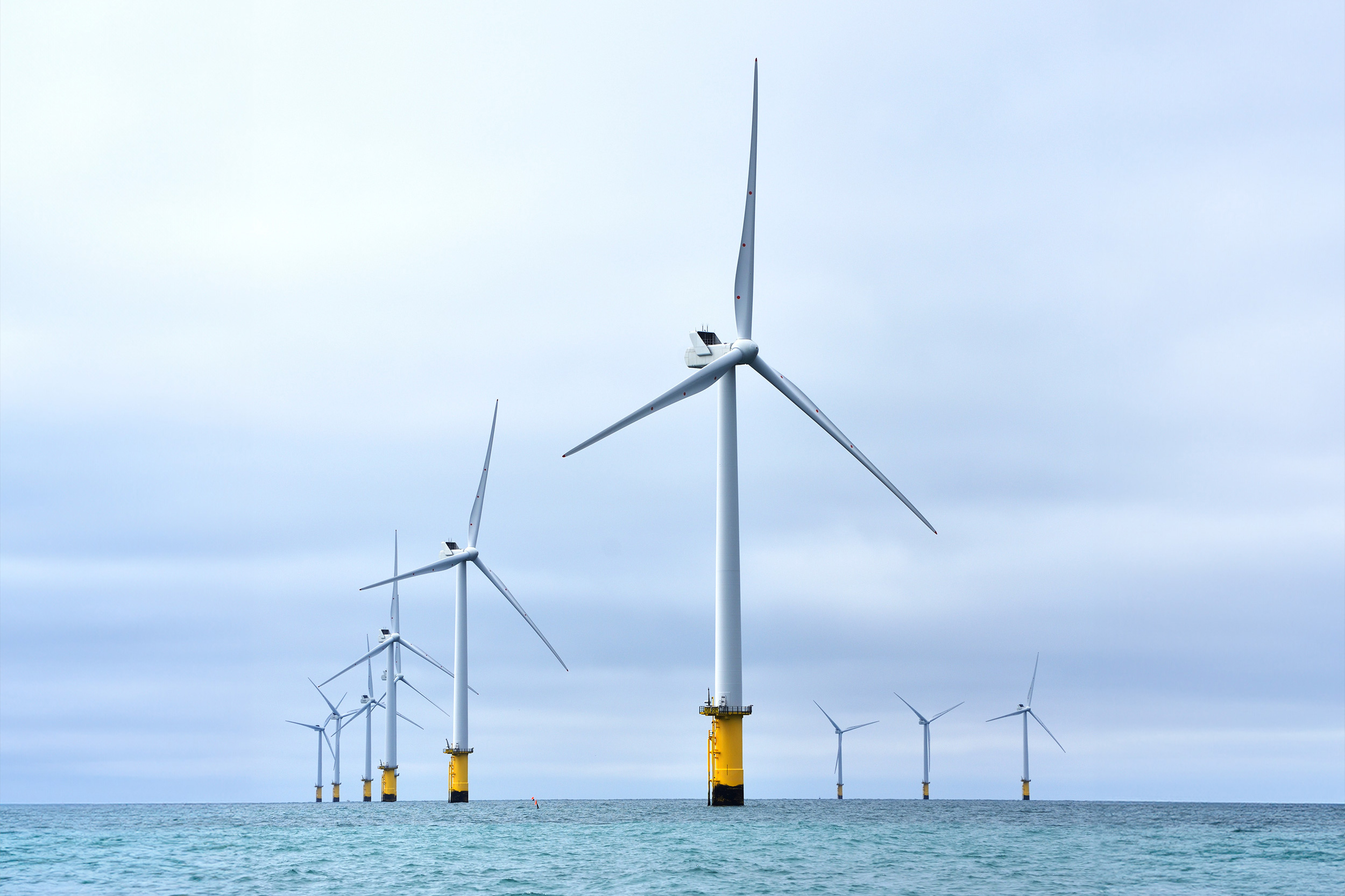
The needs of nature must be taken into consideration when planning offshore wind farms. Photo: RSPB/Katie Nethercoat
Inspiring Nature calendar competition
Got a great snap of a bird, animal, plant or landscape? We’re searching for 12 photographs captured by you to feature in the Inspiring Nature Calendar 2028. Send your entry in by 31 October 2026 and you could be in with a chance of winning great prizes for watching or exploring nature. First prize will receive a pair of RSPB Buzzard binoculars worth £540!
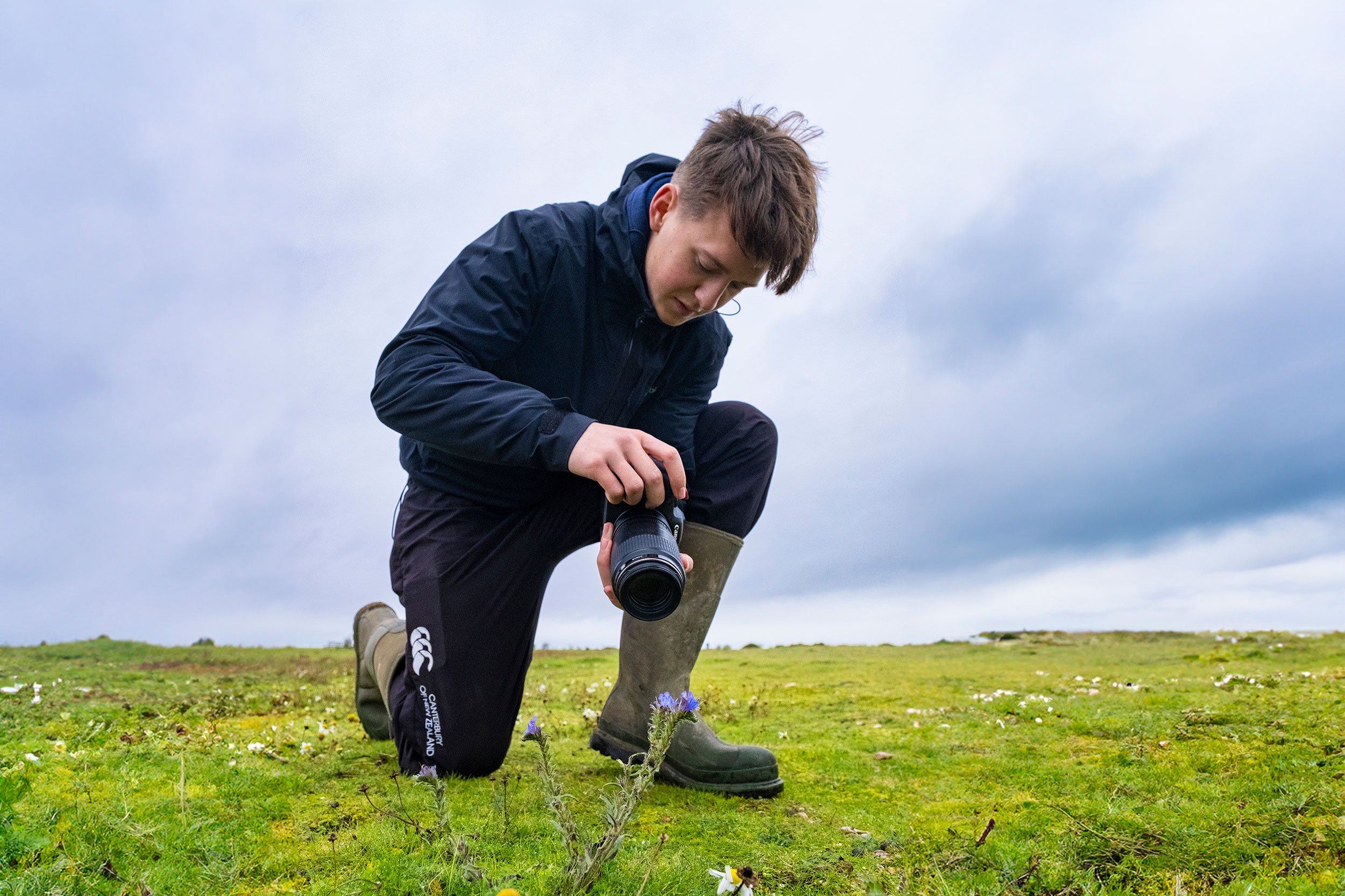
Show us your great shots of nature. Photo: RSPB/Sam Turley
You might also like
World Heritage success for the Flow Country

Three questions: Chelsea Valentine, RSPB Youth Council Member