What should I do if I think I have seen a bird with trichomonosis in my garden?
Deanna Robbins
Finches affected by trichomonosis may show signs such as difficulty swallowing whilst trying to feed, since the disease affects their gullet. This often results in food stuck to the beak or a messy face. However, a range of diseases can affect garden birds, and a diagnosis can only be reached through veterinary investigation. Please report any sick or dead garden birds to our partners at Garden Wildlife Health, and the project vets will provide specific advice.
In general, where sick birds are seen, it is recommended to stop feeding for around four weeks to reduce birds congregating at feeders, and to leave bird baths empty. Only once no further signs of ill-health are observed, gradually reintroduce food and water, whilst closely monitoring the health of the visiting garden birds.
What should I plant for birds at this time of year?
Anita Meriweather
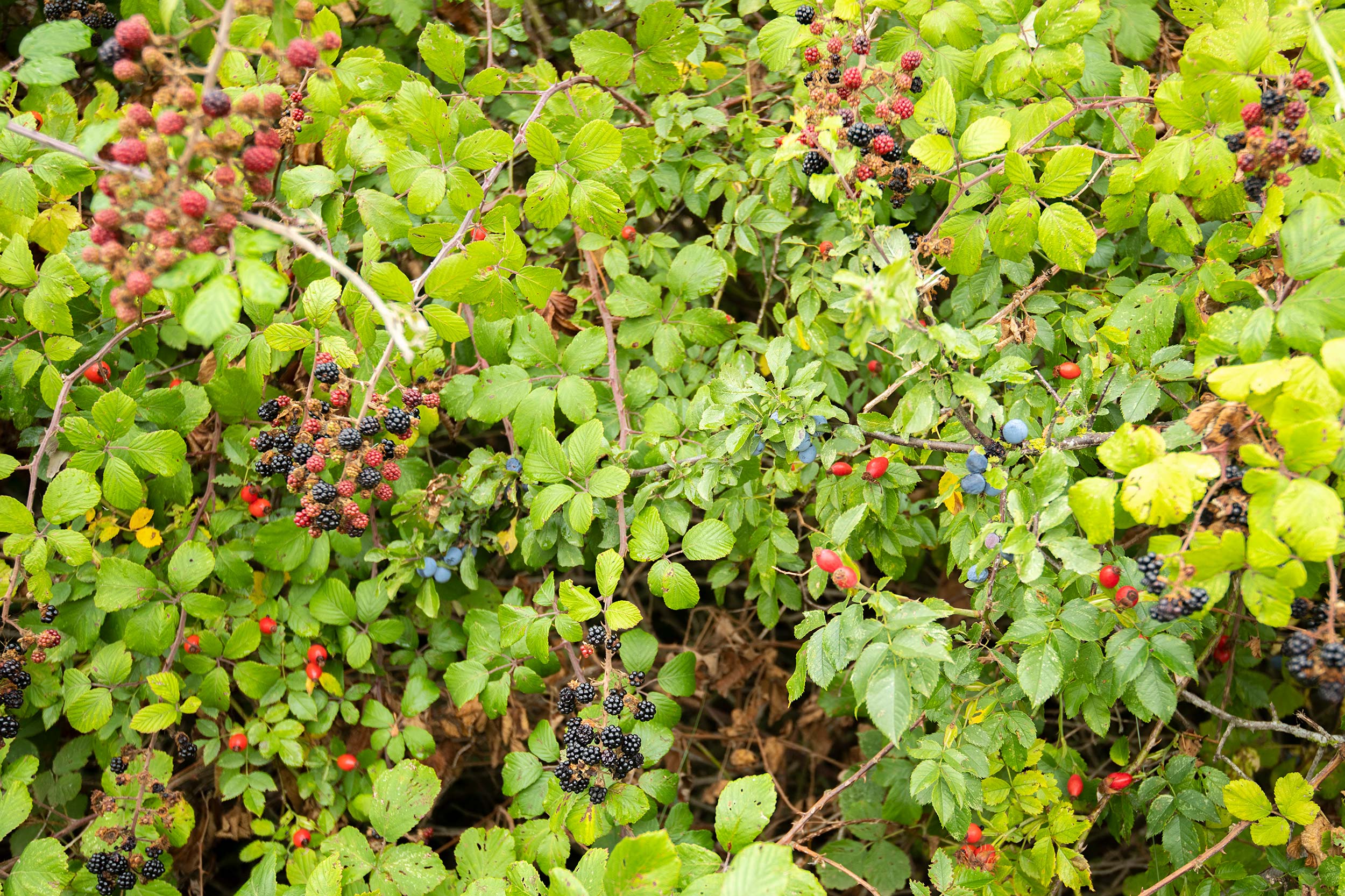
Mixed hedgerow with Dog-rose, Blackthorn and Bramble. Photo: RSPB/Ben Andrew
Having a variety of trees, shrubs, climbers and flowers can provide a long-term supply of natural foods that your garden visitors will enjoy. Birds can feast on the seeds and fruits they produce, or on the insects they attract. Late autumn is a great time to plant many trees and shrubs, while some wildflower seeds are better saved for spring.
Plants that produce seeds enjoyed by garden birds in autumn and winter include Cardoon, Common Knapweed, teasels, thistles, birch, chickweed and dandelion. Trees and shrubs that can be planted at this time of year and benefit a variety of birds include bramble, ivy, oak, Honeysuckle, Burnet Rose, Rowan, Blackthorn and hawthorn.
Find more wildlife-friendly plants listed on our natural feeding page
How to…
Supply water safely
We know supplementary water can be an important resource for birds, but studies have shown water can be a source of disease transmission. To reduce risk of disease, we recommend you change the water in bird baths daily to remove build-up of bird droppings, algae, and other debris. You should thoroughly disinfect the water container at least once a week using a non-toxic disinfectant.
We advise using tap water as it is weakly chlorinated so it’s likely to provide more protection against disease transmission than rainwater. However, if your water is chloraminated (treated with chlorine and ammonia) we would advise sticking to rainwater. You can find out how your water is treated on your water company’s website. If you or your neighbours have a wildlife pond, supplementary water is not necessary.
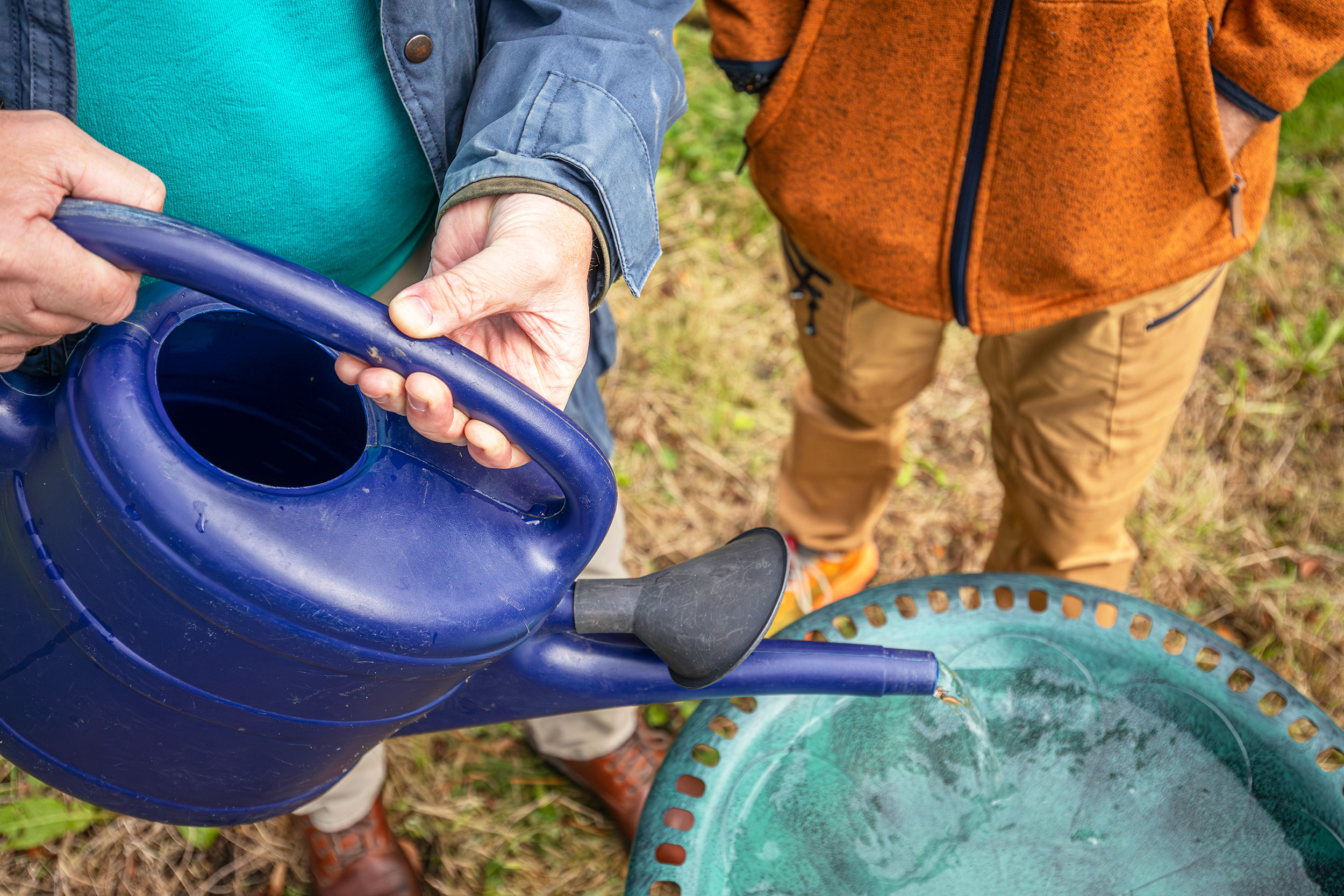
Tap water is generally the best option for your bird bath. Photo: RSPB/Ben Andrew
How should I clean my feeders?
Nikol Allen
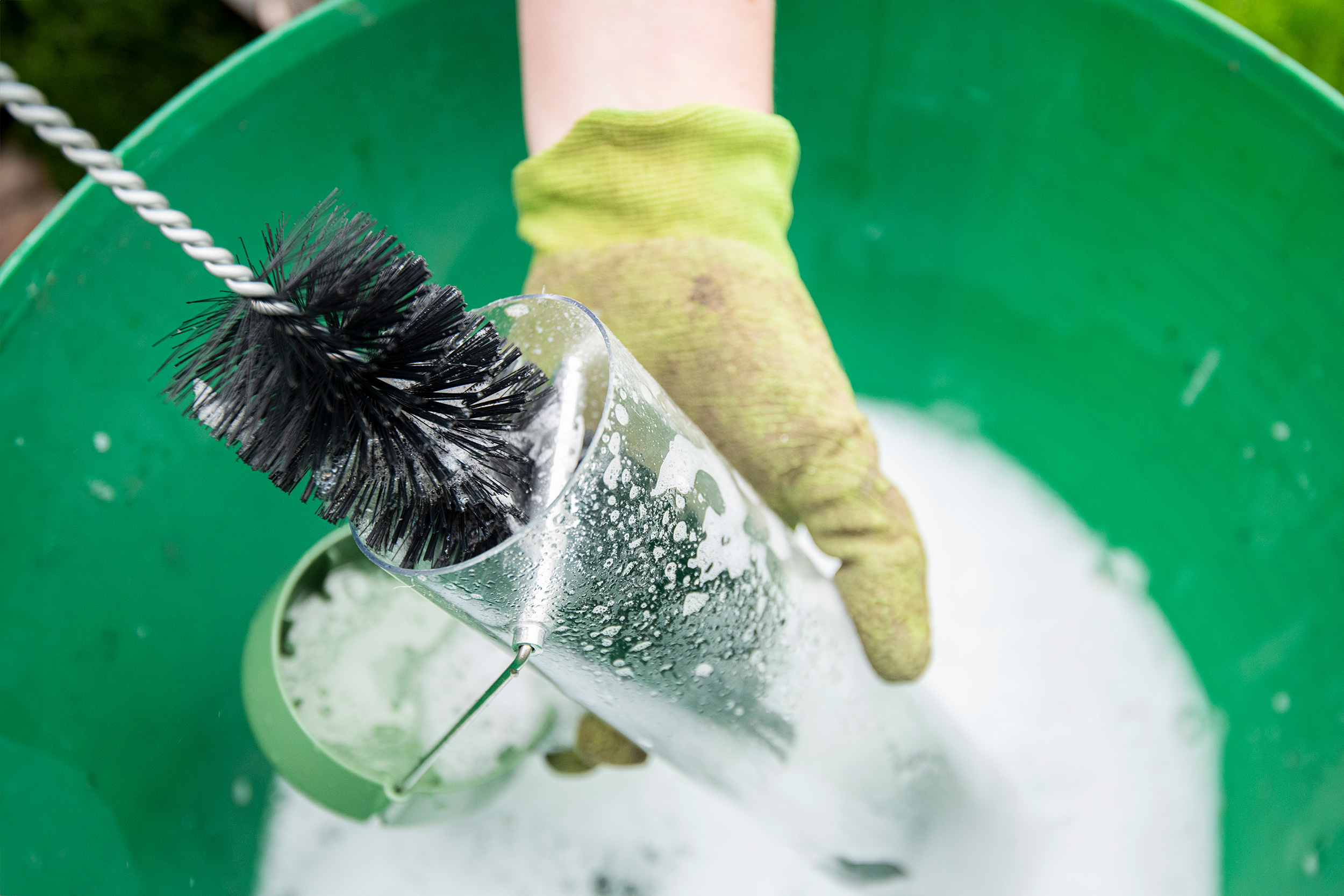
Clean feeders with equipment kept solely for that use. Photo: RSPB/Ben Andrew
Once a week, give your feeders a thorough clean. Take feeders apart so that every part is cleaned and give them a good scrub with hot, soapy water. Use a non-toxic disinfectant such as Ark-Klens or a weak solution of domestic bleach (5% sodium hypochlorite). Make sure to thoroughly rinse them and allow them to air dry naturally before reassembling and filling. Remember to clean feeders outside, using separate utensils. It’s important to wear gloves when cleaning and to always wash your hands and forearms with soap afterwards.
Even daily feeder cleaning will not completely prevent birds consuming regurgitated food, which is why we don’t advise using flat-surface feeders.
What should I feed birds at this time of year?
Jaime Sims
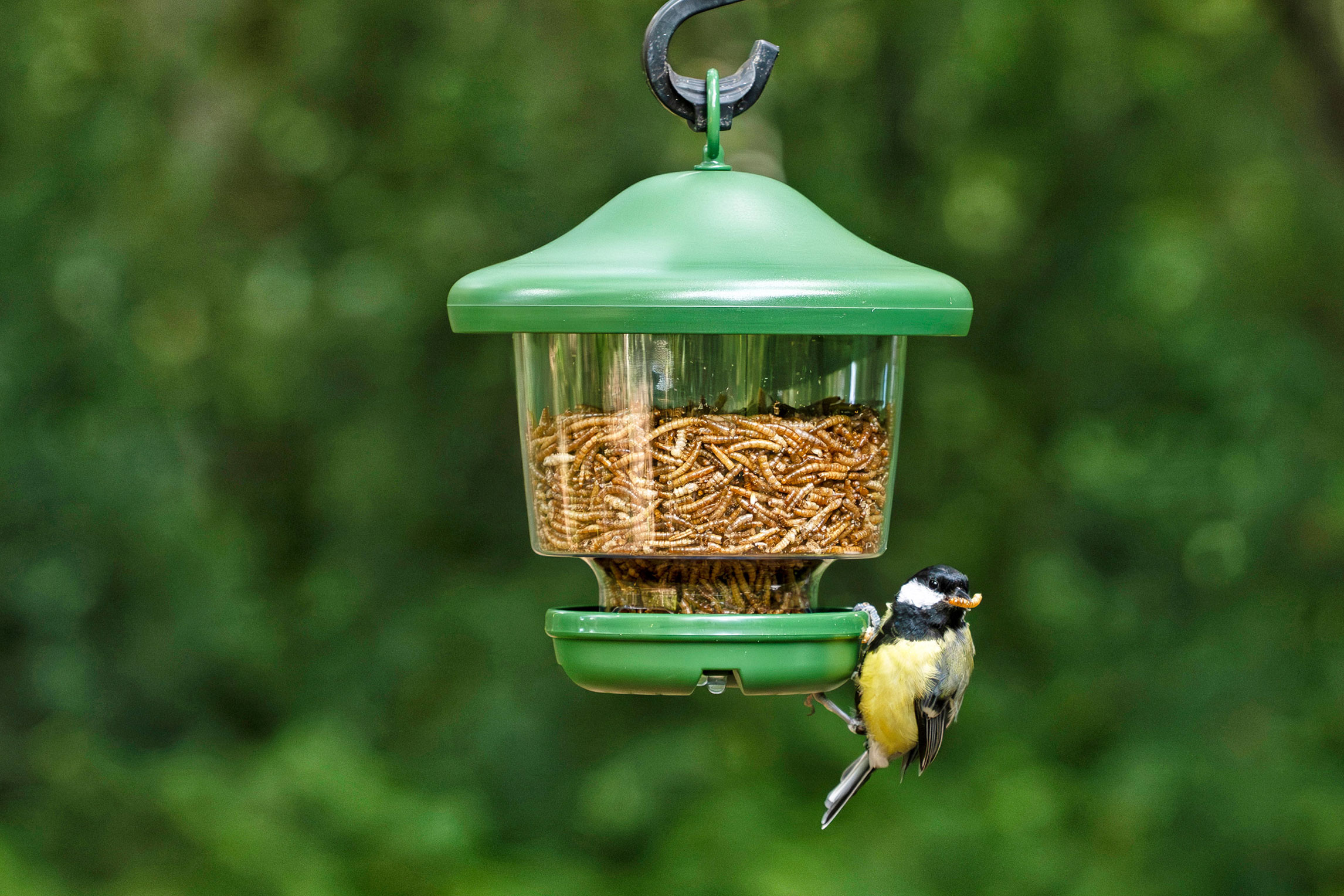
Great Tit. Photo: RSPB/Ben Andrew
Until 31 October, we recommend you continue with our current advice to just feed mealworms and suet. From 1 November until 30 April, our guidance says people can start providing seeds and peanuts again in moderation. We advise adjusting the amount you offer based on demand, to avoid overfeeding and encouraging large gatherings. Limit the amount of all food types that are put out to the volume that the birds in your garden will eat within one to two days for seed and peanuts, within one day by dusk for mealworms, and up to seven days for suet.
You may need to only put out a small offering at first to reintroduce seed-eating birds to your garden. This nuance in our guidance is designed to lower the risks of disease transmission and provide food at times of the year where they can have the most benefit due to natural foods being in short supply during colder months. The period of March to April is also a period of natural food shortage for seed-eating birds, often referred to as the hungry gap. So, a seed offering for these birds at this time of year can be very helpful.
I don’t get finches at my feeders. Should I still follow this advice?
Christina Silver
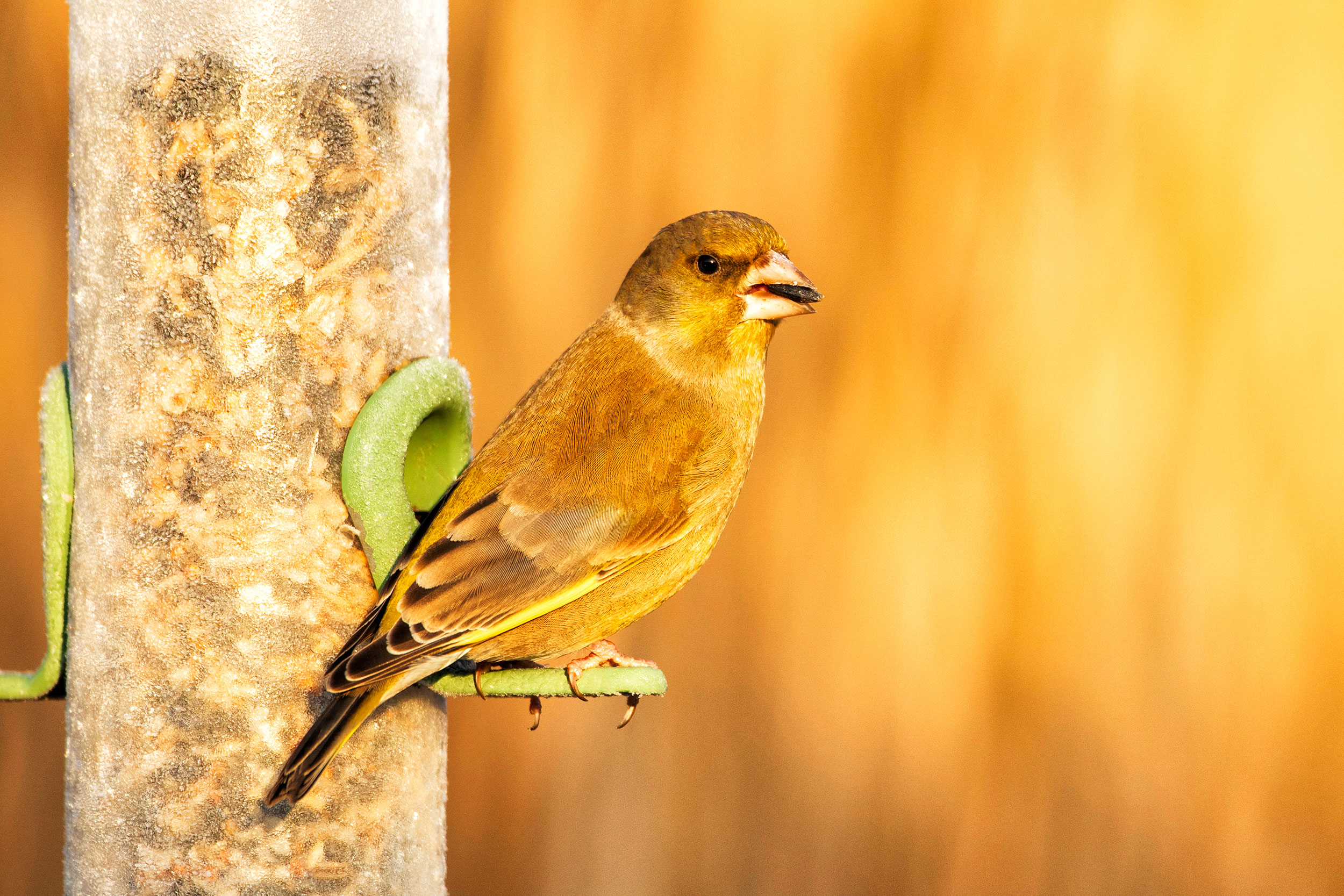
Greenfinch. Photo: RSPB/Ben Andrew
We recommend that people follow our best practice guidance, irrespective of the species you are seeing in your gardens. Our best scientific research shows that the activity of feeding birds in gardens is exacerbating the spread of this disease and the ongoing decline of finch species. Trichomonosis is known to affect all species of finch, including Greenfinches, but it can also affect species such as House Sparrows, pigeons, doves, Blackbirds and Dunnocks, among others, in gardens where there are outbreaks of this disease.
If we continue to feed birds in the way we do now it’s likely that trichomonosis will continue to spread amongst our garden birds and the declines will continue, which is why we felt it was necessary to update our policy and guidance.

Send us your questions
From identifying feathers to the best location for a nest box, send your wildlife questions to the RSPB Wildlife team.
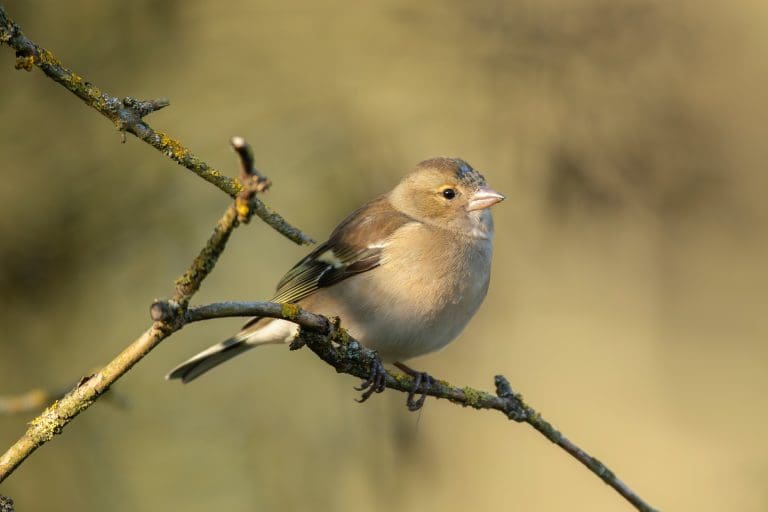
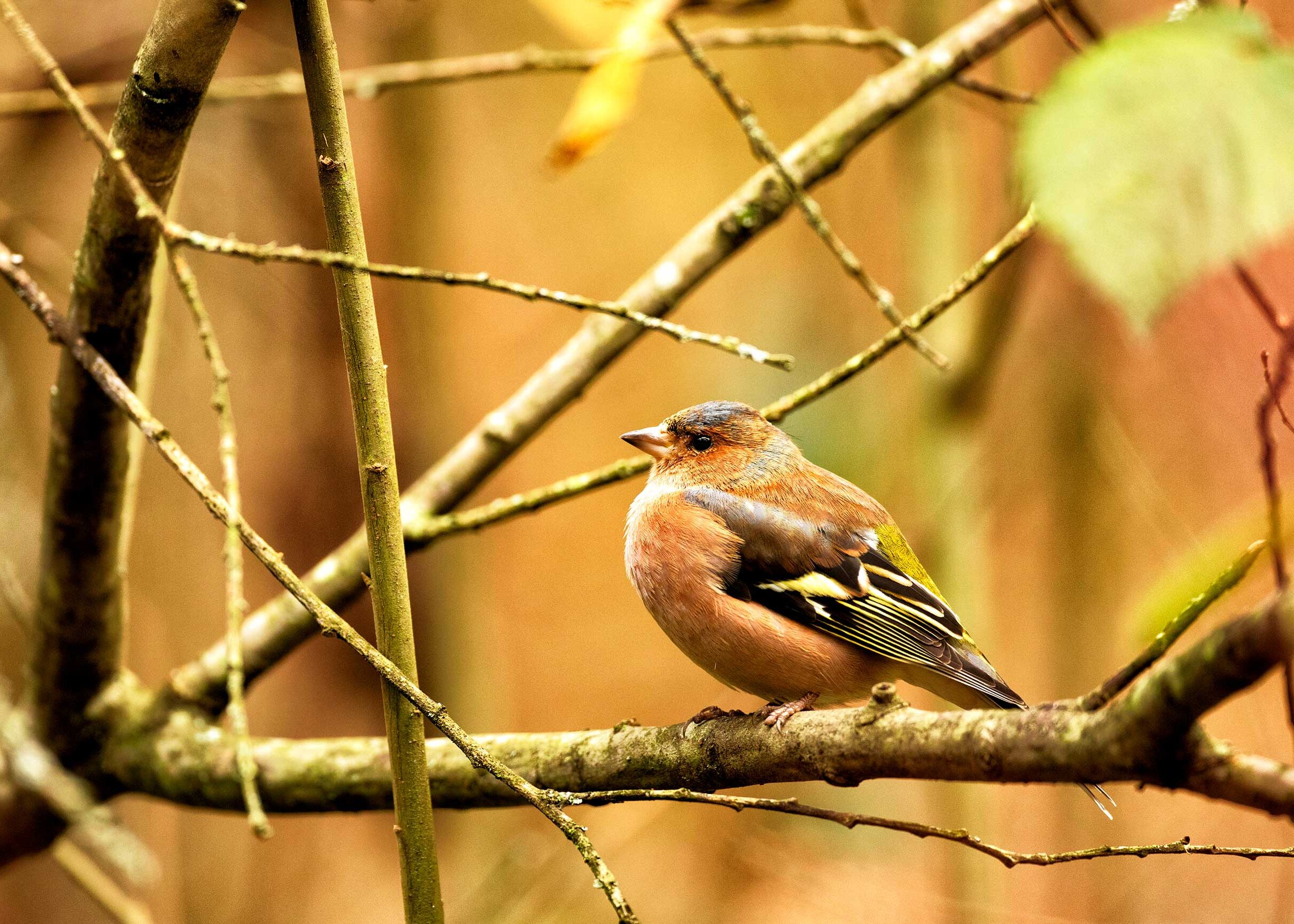
A female Chaffinch. Photo: RSPB/Ben Andrew
You might also like

How to identify finches

Join the fight against a deadly parasite