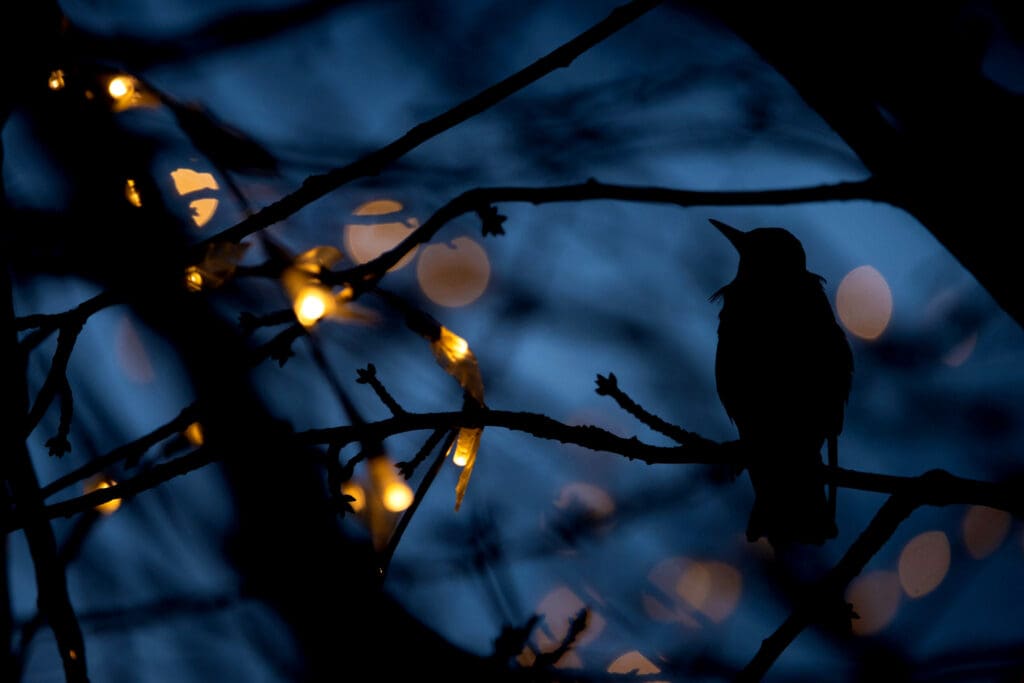
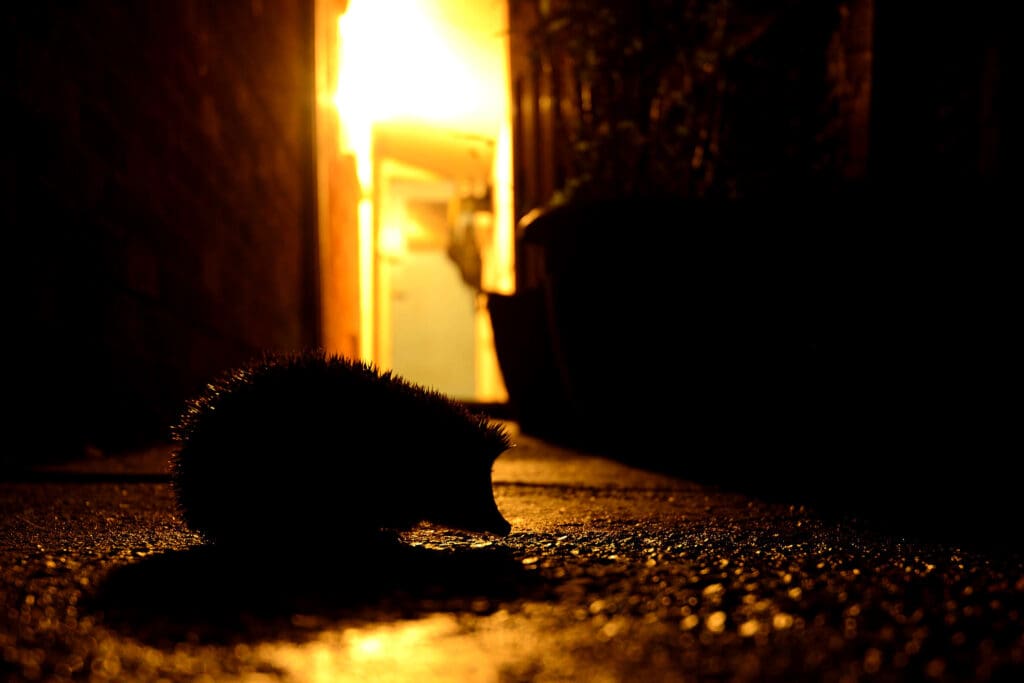
When it gets dark, we take the lights in our towns and cities as a given. Our night-time activities are illuminated by streetlights, shop lights, traffic lights, lights in our homes and offices, even floodlights beaming out into the blackness of the sky. According to research scientist Christopher Kyba, near cities, cloudy skies are now hundreds or even thousands of times brighter than they were 200 years ago. Light pollution now affects 23% of the Earth’s surface and it is rapidly intensifying.
The evidence suggests that this pollution causes urban birds to sing and be active for nearly an hour longer every day than their rural counterparts. Needless to say, the night light also detrimentally affects other animals including amphibians, mammals and insects, causing changes to their normal behaviour.
We have all seen moths aimlessly attracted to bright lights. It turns their night into day.
‘Light pollution now affects 23% of the Earth’s surface and it is rapidly intensifying’
Migratory birds follow ancient routes, and now these routes mean flying over cities. I saw this whilst recording Ring Ouzels during the spring at Wormwood Scrubs, my local patch in west London. This species usually shuns being anywhere near us, yet on migration they will stop off at either historical or other suitable refuelling sites en-route to their breeding grounds. This migration strategy, although never as good as stopping in wild areas, has worked for birds ever since the birth of cities.
But as our cities grew, so did the office blocks and skyscrapers that sprouted up from the ground, all festooned with bright lights. Birds were already dealing with human noise and pollution on the land, sea and in the air. Now, they have to contend with the human-made night lights.
Our lights disrupt their biological clocks. Birds exposed to light pollution at their overwintering sites may start their migrations earlier than the ones not exposed to artificial light. Worldwide, literally millions of birds are attracted by the lights and die after flying into windows. In North America, this is a particular problem with buildings with huge glass atriums. Tired migrating birds make a beeline for what seems like the inviting sanctuary of trees and other vegetation within the atriums only to fatally collide with the glass.
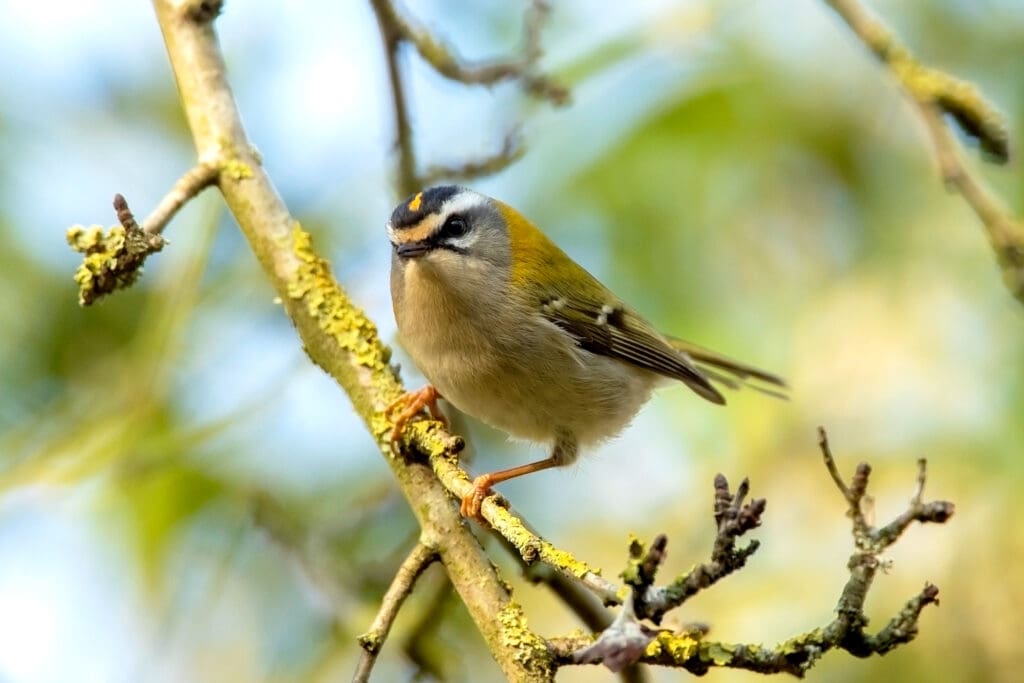
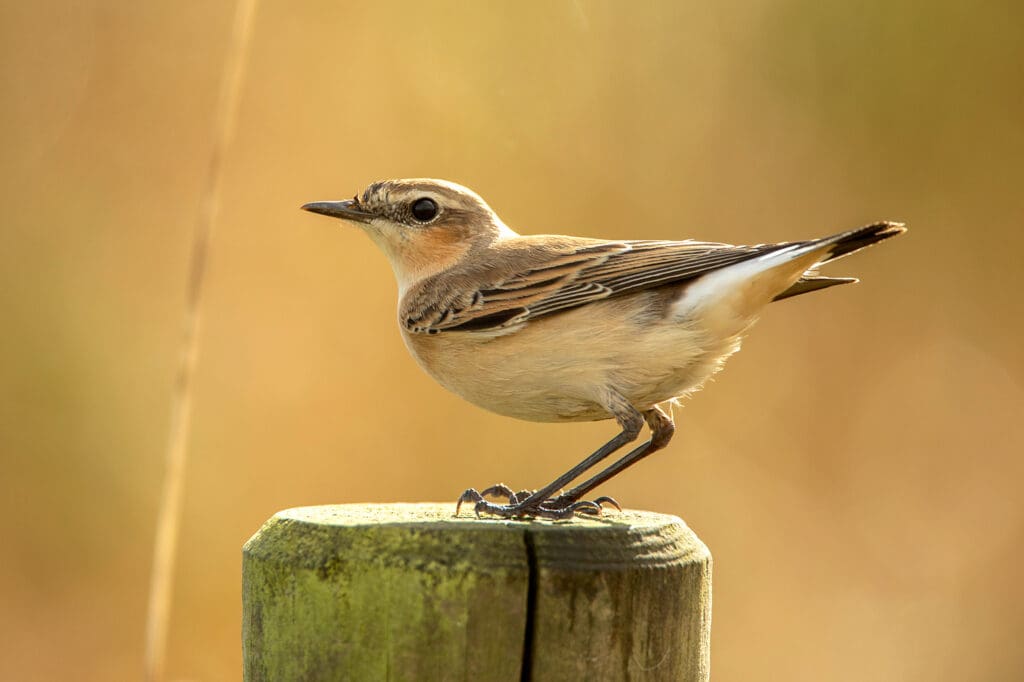
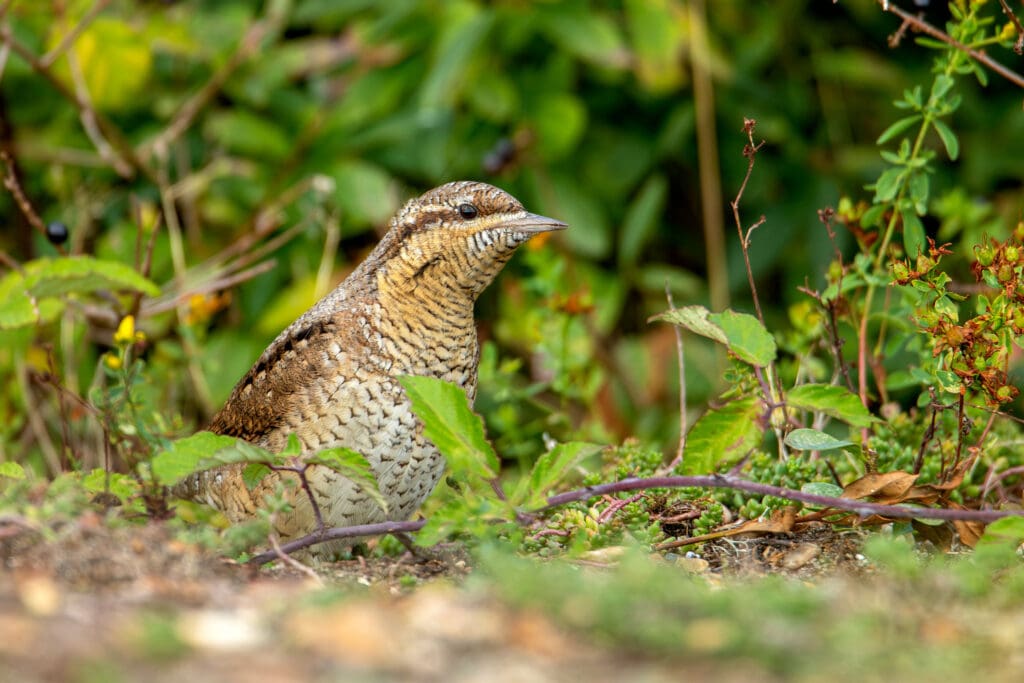
Because the UK does not lie on one of the world’s major migatory corridors, these mass-scale window strikes due to light are not a huge issue. But illuminated buildings can still disorientate migrants. One Canada Square in London’s Canary Wharf is an iconic 50-storey pyramid-roofed skyscraper. Before energy-saving policies dimmed it, the brightest night light in eastern Britain shone atop the pyramid, seen for tens of miles. The result was an array of migratory disorientated birds discovered in the mornings in the spartan gardens below the building. I personally found Wheatear and Firecrest often feeding around lunching office workers. Scarcities such as Wrynecks and rarities such as Blyth’s Reed Warbler were also discovered in similar circumstances.
Although these sightings are a bonanza for local birders, it generally does not bode well. Night-time used to be the safest time for smaller birds to travel. Now, the dangers they face also include predation from Peregrines who have learnt to use to the illuminated night cityscape as another hunting opportunity.
So, what can we do to mitigate this growing problem? We can turn off unnecessary outdoor lights, impress on office block owners to at least turn some of their lights off. Indeed, just to turn off unnecessary lights. We can all do our bit. My mum has taken down her LED garden strip lights, for example. Every light switched off can make a difference.

Be enlightened
The rate of artificial light at night is increasing, sometimes 10% in one year. Find out more about light pollution and how you can help reduce it with the Campaign For Dark Skies Network.
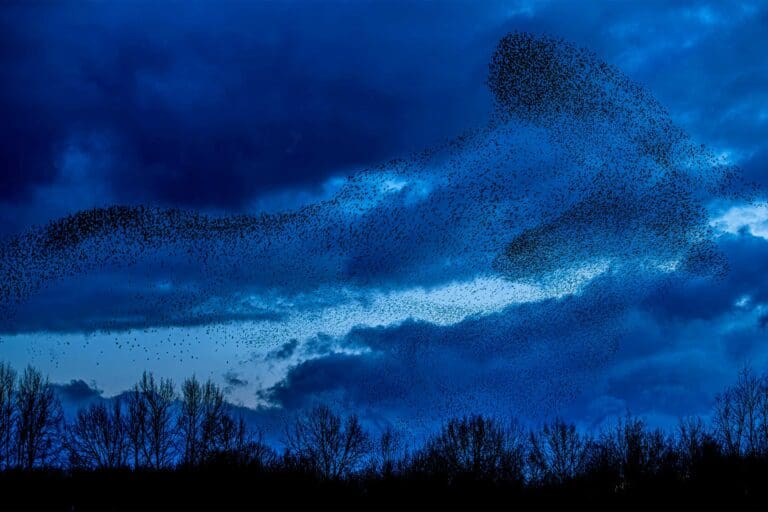
Starlings murmurating at dusk. Photo: RSPB/Ben Andrew
You might also like
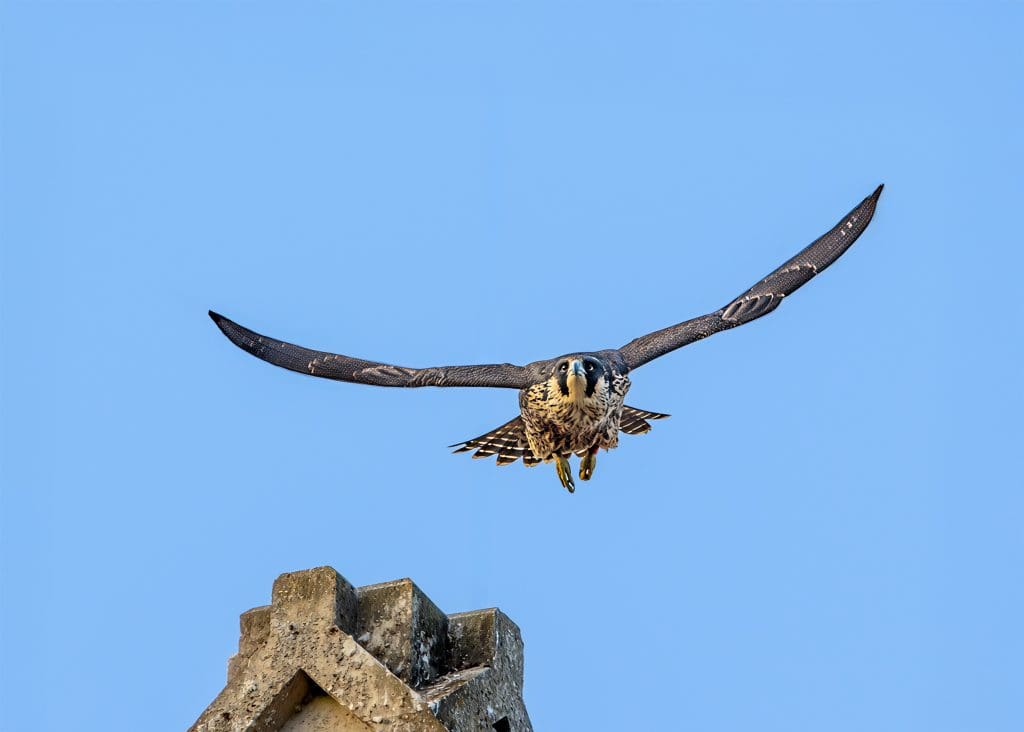
High velocity: the city predator

The unexpected wonders of walking at night