What is your role and what does it entail?
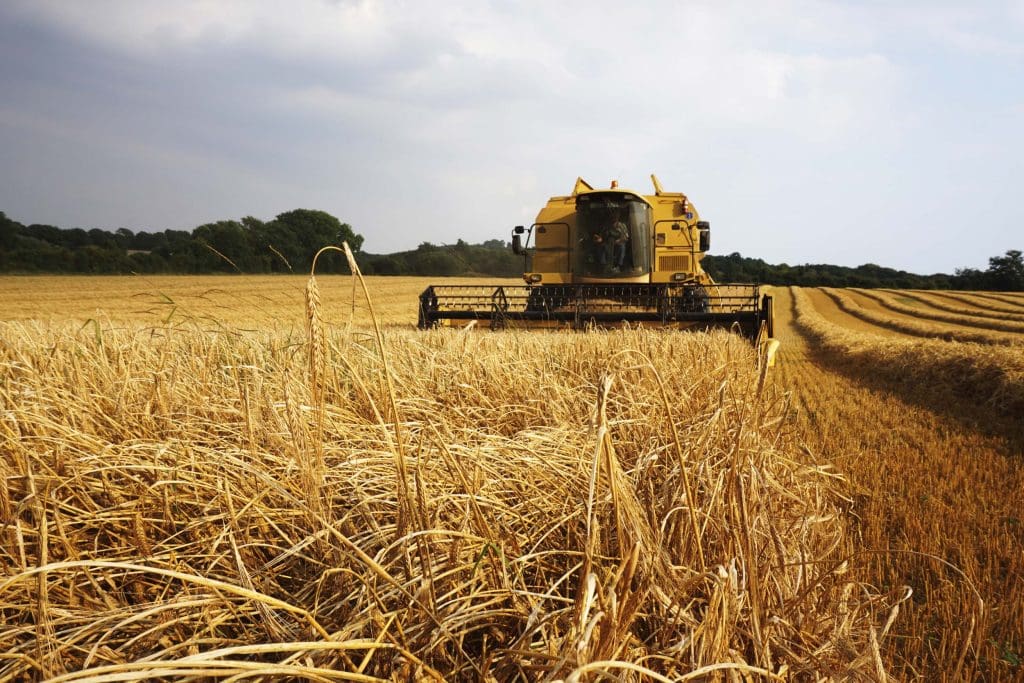
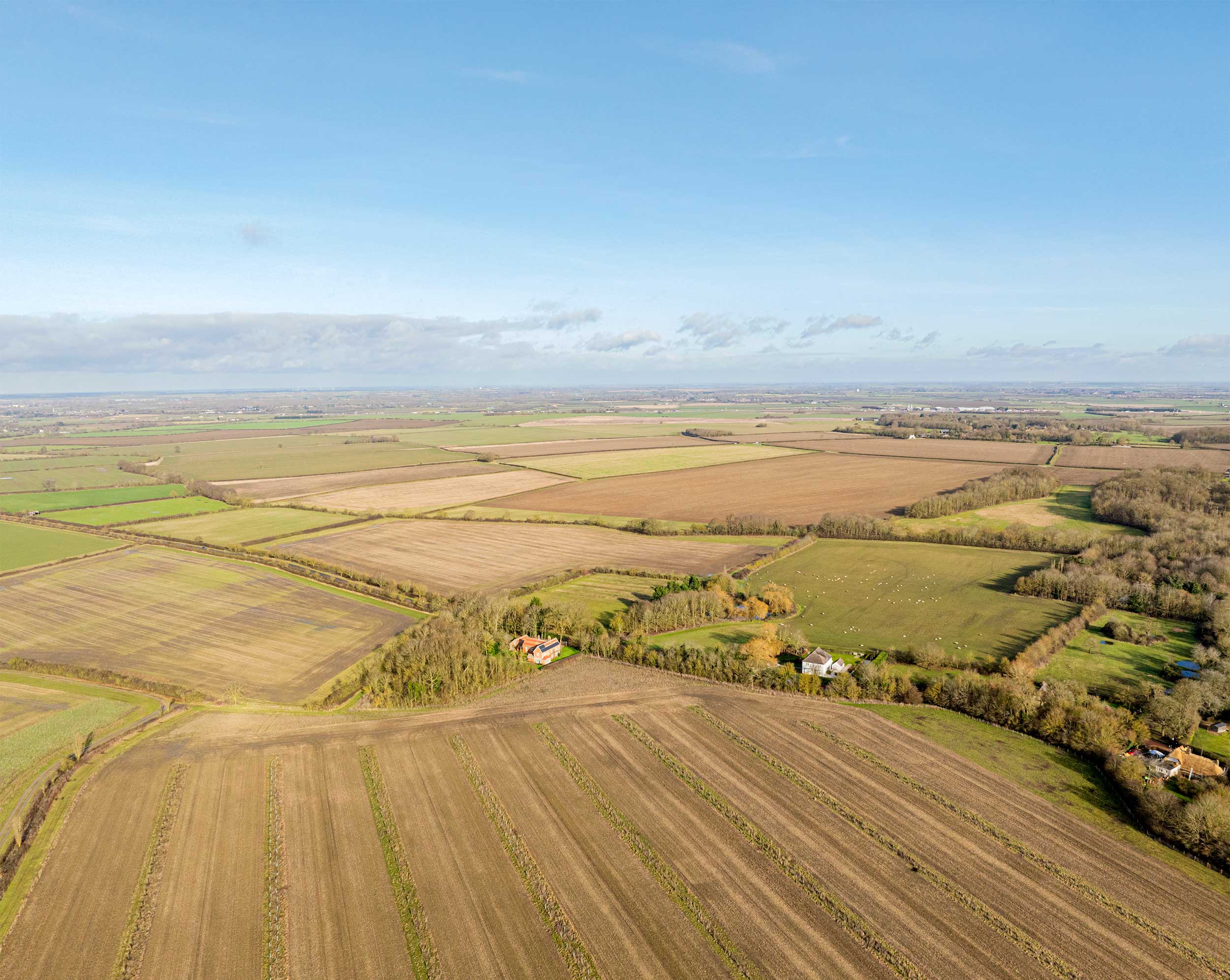
I am Farm Manager at the RSPB’s research and demonstration farm, Hope Farm. My job involves working with our contractors, researchers, ecologists, advisors and many others to deliver for nature, business and food production on the farm. One day I can be working with our contractor to plan farm management, out collecting soil samples the next, hosting events for training or policy visits, or helping to feed into our teams about the practical hurdles we face in trying to work for nature and food production. Every day is very different from the next!
What has been your biggest success so far?
The results of our monitoring over RSPB’s ownership of the farm tells a fantastic story. We have 26 years’ worth of robust data that demonstrates the positive impact farming can have on nature, whilst running a profitable arable farm. We also have enough information that we are able to start to look at some more detailed analysis as well. The relationships we have built up with others outside of the organisation mean that we have been able to learn so much, and we continue to build collaborations to help with our advice and research. We’re always learning.
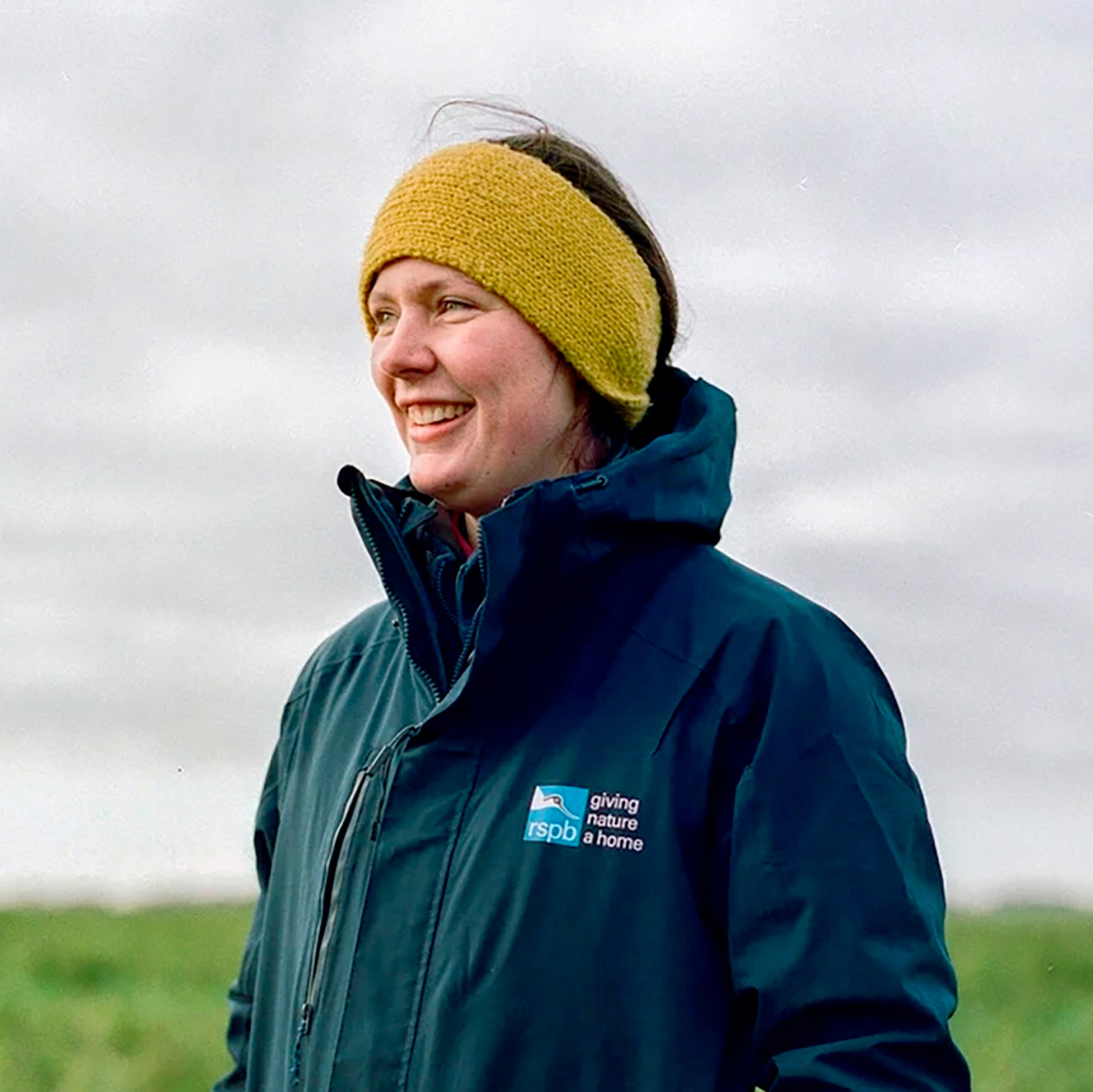
Georgie Bray, Farm Manager at RSPB Hope Farm
What is your biggest challenge in your role?
It’s hard to balance the multiple needs from the farm, particularly in the challenging climate we are in. Our core aims are to deliver for good food, profit, nature, reduced carbon emissions, and other environmental benefits. The weather plays such a pivotal role, often making it harder to deliver all those goals. Staying focused on the long-term benefits of our work helps us to reliably deliver on our strategy despite the difficult weather. Trying to work all of that into a farm business model can make life quite complicated, though!
What current work is underway on Hope Farm and which species will this help?
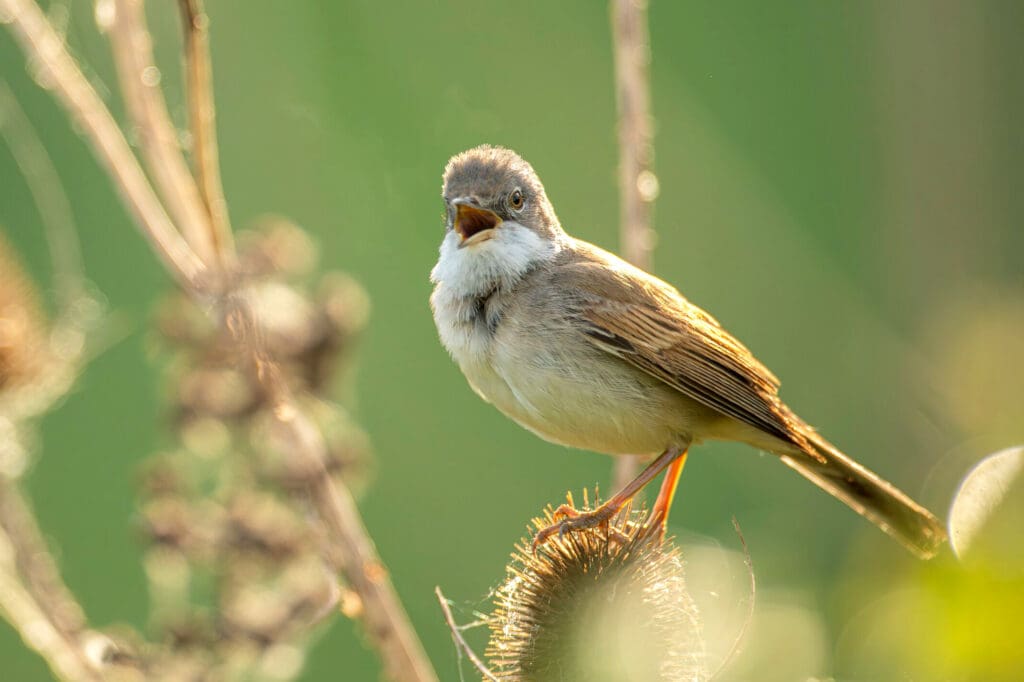
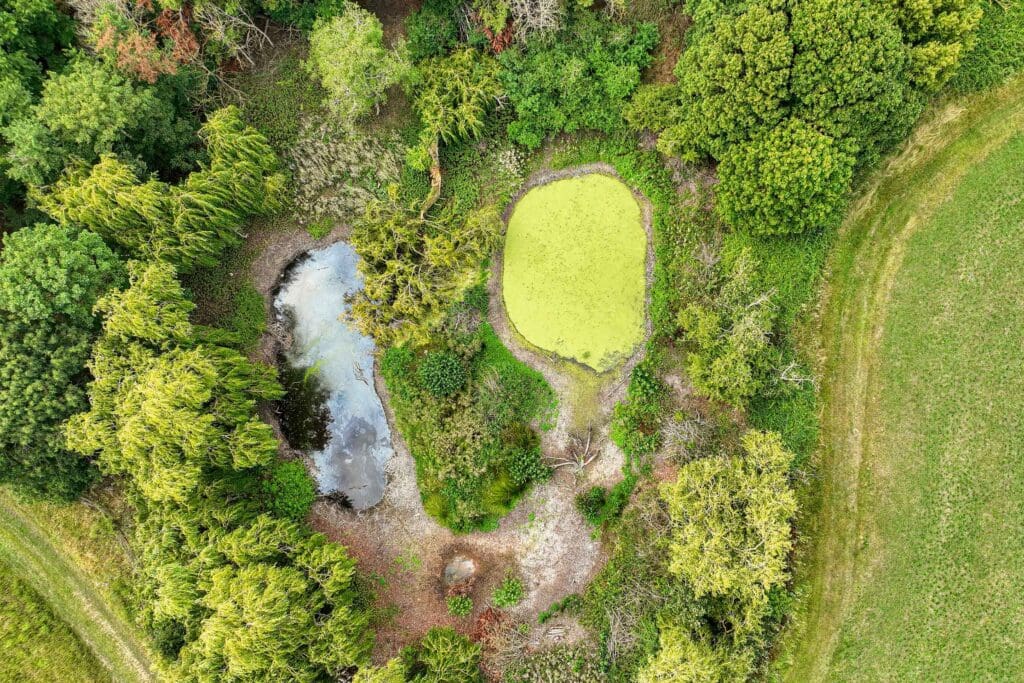
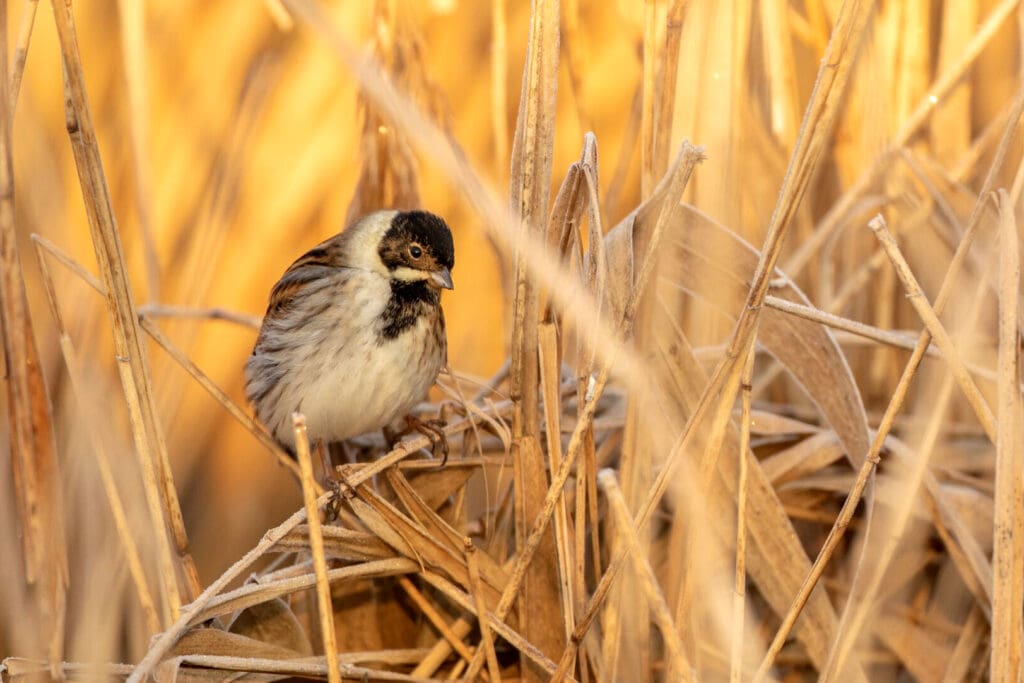
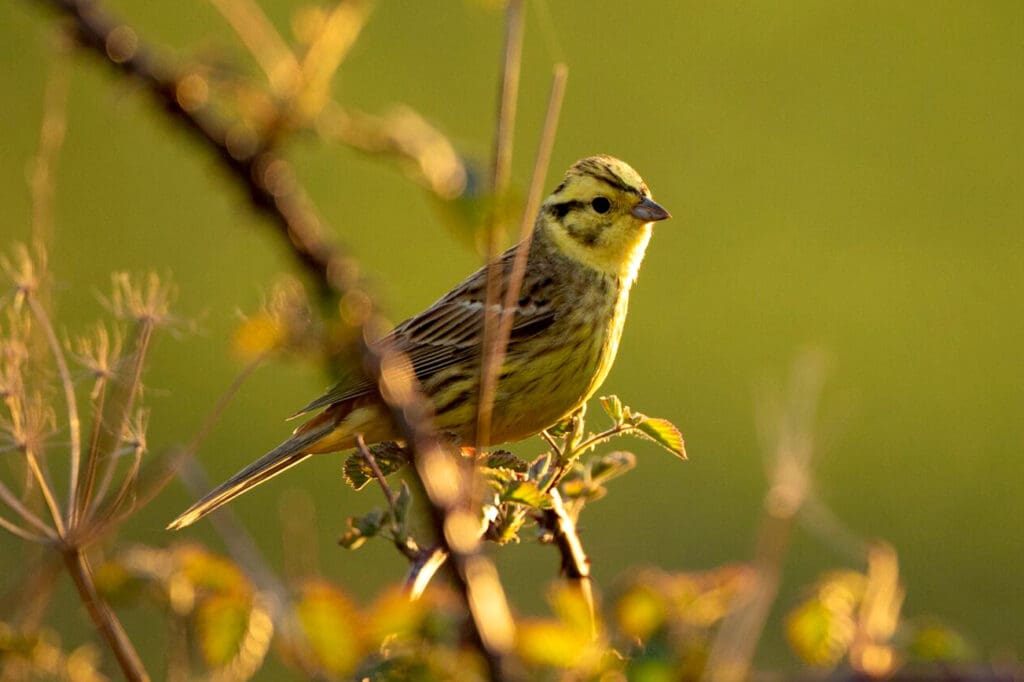
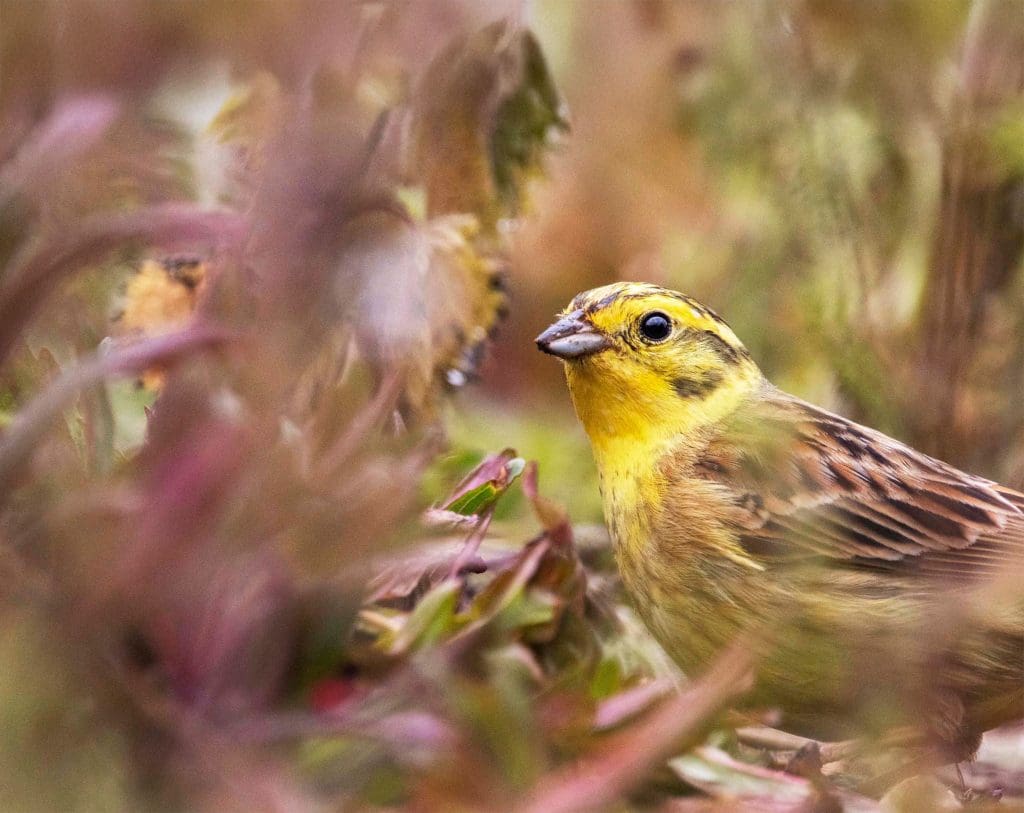
We have been working on pond restoration and on our ditches to hopefully improve habitats for Reed Bunting and other hedge nesters such as Whitethroat and Yellowhammer. Also, we are working with a student from Anglia Ruskin University to analyse 26 years of our Reed Bunting territory monitoring data. This is to better understand why the numbers have fluctuated so much at Hope Farm and hopefully guide future management to further benefit this species.
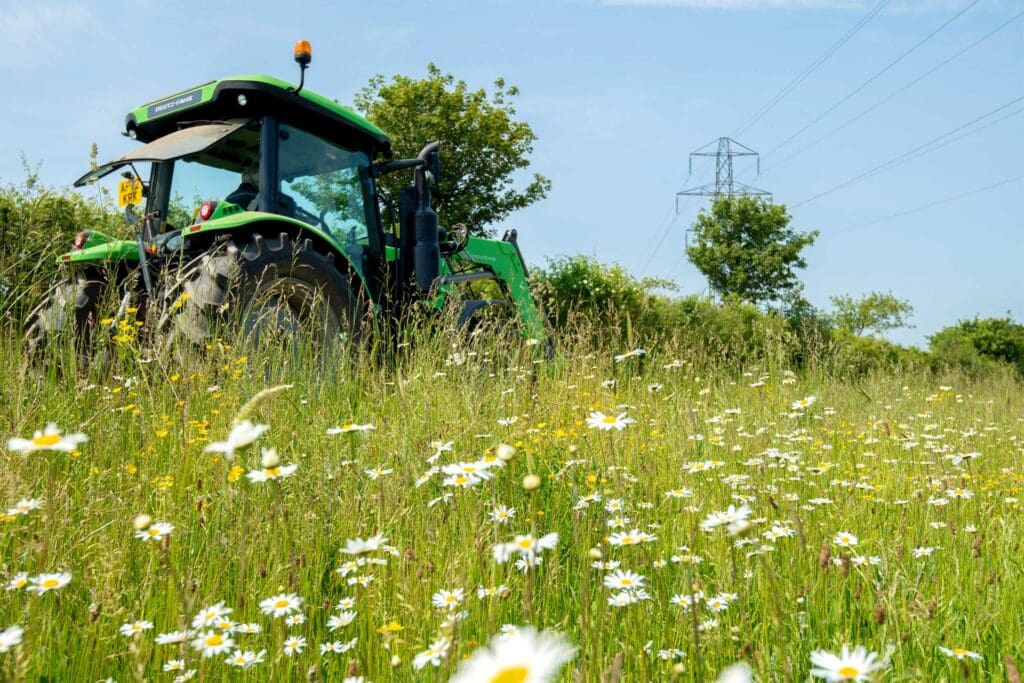
In the field, we have been working for a long time to reduce our pesticide use and restore our soils, which is a long and ongoing process. But, by doing this, we should have soil that’s more biologically rich and able to support more species with healthier crops, which should help to reduce pesticide use.
We have a 10-year agroforestry project monitoring the impact on biodiversity, business and carbon. We have completed our fifth year of surveys and are ready to start analysing preliminary results and see what impact this may have on our farm wildlife going forward.
What is your main message you want to communicate to RSPB members?
As a farm, we are working to deliver positive change to help nature and reduce climate change. We have got an amazingly positive story to tell at Hope Farm, but it’s no small task whilst running a farm business in a turbulent world; I think we are in a more fortunate position than most as we have the backing of the RSPB alongside all the advice and ability to take a long-term view.
With that in mind, we should be doing everything we can to help our farmers continue to farm sustainably and adopt a long-term view to make positive changes for nature and climate. In thinking about what food we buy, who we are supporting, and who we can ask in policy to support farmers better, we are all able to move farming to a better place.
Hear more from Georgie about nature-friendly farming. Video: the RSPB
You might also like
A bright future for Yellowhammers

Restoring our hedgerows