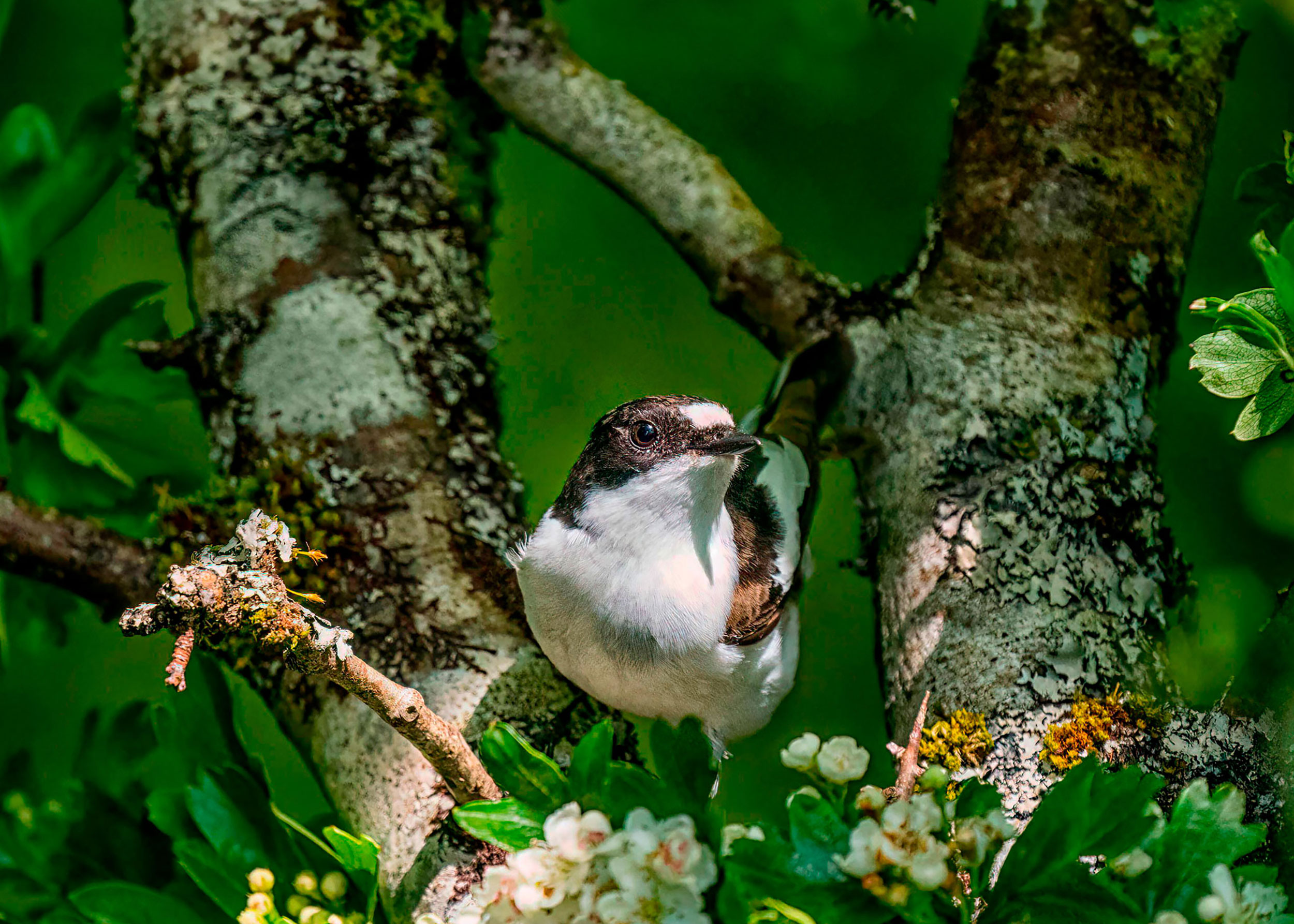
A bright twin-spot is pointing straight at me, looking every bit like a miniature headtorch shining through the forest gloom. “Pied Flycatcher,” I whisper to myself as I keep my binoculars firmly fixed on the endearing little bird.
Dazzling laundry-white patches on its forehead, breast, and wing pop out against the otherwise jet-black plumage, telling me this one is a male. In a flash, he vanishes from view, and possibly in more ways than one.
A sobering new report from the RSPB and BTO – Climate Change and the UK’s Birds – has revealed that climate change is already reshaping UK bird populations in profound and worrying ways. Globally, the last 11 years have been the hottest consecutive years on record, with 2025 registering at about 1.43 degrees above the benchmark pre-industrial average – uncomfortably close to the Paris Agreement’s 1.5 degrees limit.
Here in the UK, average temperatures have increased by 1.2 degrees in the same period, and rising temperatures is now second only to intensive agriculture as a driver of change for UK bird populations. While there are some species that are expanding their range, many species are shifting their ranges and seasonal habits, such as my beloved Pied Flycatchers.
These small, agile, characterful birds can be seen darting through pools of dappled light in pockets of mature and old growth forests of the north and west of Britain. Arriving from their West African wintering grounds in early spring, their egg-laying is timed for the summer glut of spiders, caterpillars and flying insects.
‘Without any interventions, declines of over 70% in some of our seabird species are predicted as early as 2050’
Resident species, such as Blue Tits and Great Tits, also show an extraordinary amount of natural timing. These birds time chick-hatching for when Winter Moth caterpillars emerge who, in turn, time their arrival for when leaf buds unfurl; three moving parts, but all going on the same local temperature cue.
So, even if spring comes early, all are generally able to keep up.
But for species that overwinter in Africa, their arrival dates – and hence breeding attempts – depend on when they set off from their wintering grounds. For our Pied Flycatchers, migration is triggered by cues in West Africa rather than the UK weather. In a warm spring, this can lead to their missing the seasonal caterpillar peak by as much as 27 days.
How to…
Play your part
Simple and effective ways we can all help nature face the challenges climate change brings
-
Use your voice: Feel empowered to use your voice and choices to show the government and decision makers how vital nature protections are to us all – this could be writing to your local MP and calling for nature to be put at the heart of policy, or putting your signature to petitions which urge for greater nature protections to be put in place.
-
Help nature on your doorstep: For people who have access to a garden or outdoor space – during warm summer weather, put out clean tap water each day (and ensure that water vessels are thoroughly cleaned and disinfected every week); try to create shady areas in your garden or outdoor space, to provide respite from direct sunlight (for example allowing grass to grow longer or leaving leaf piles – the messier the better!).
-
Feed safely and seasonally: Climate change is also impacting availability of food sources for birds. We can give birds an extra helping hand by putting out food (read our latest guidance on how to do this safely) and by making wildlife-friendly planting choices (such as sunflowers and teasels in spring, and berry-bearing plants such as ivy and hawthorn for winter).
-
Make simple swaps: Everyone can play their part in fighting climate change, and for those who do not have their own or have access to a garden or outdoor space, there are easy lifestyle changes we can make to reduce our carbon footprint. These include trying to walk, cycle or use public transport instead of driving; looking at our diets; and reducing our use of single-use plastics.
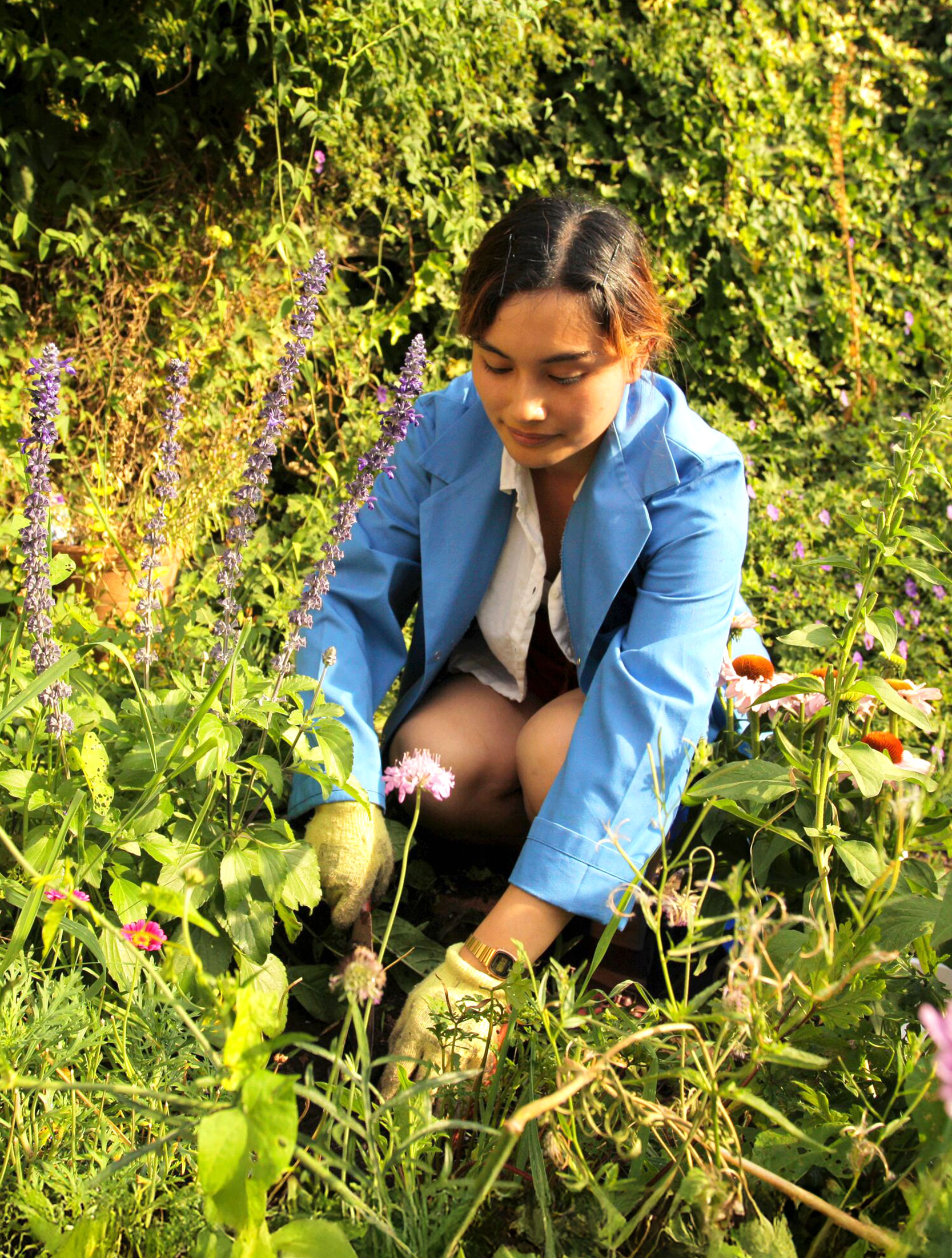
Help wildlife by planting natural food sources in your outdoor space. Photo: RSPB/Rob Carmier
Living on the edge
While woodland birds are a mixed bag when it comes to weighing up climate risk, the majority of farmland species may be experiencing a double blow as climate change and agricultural intensification combine to severely impact insect numbers.
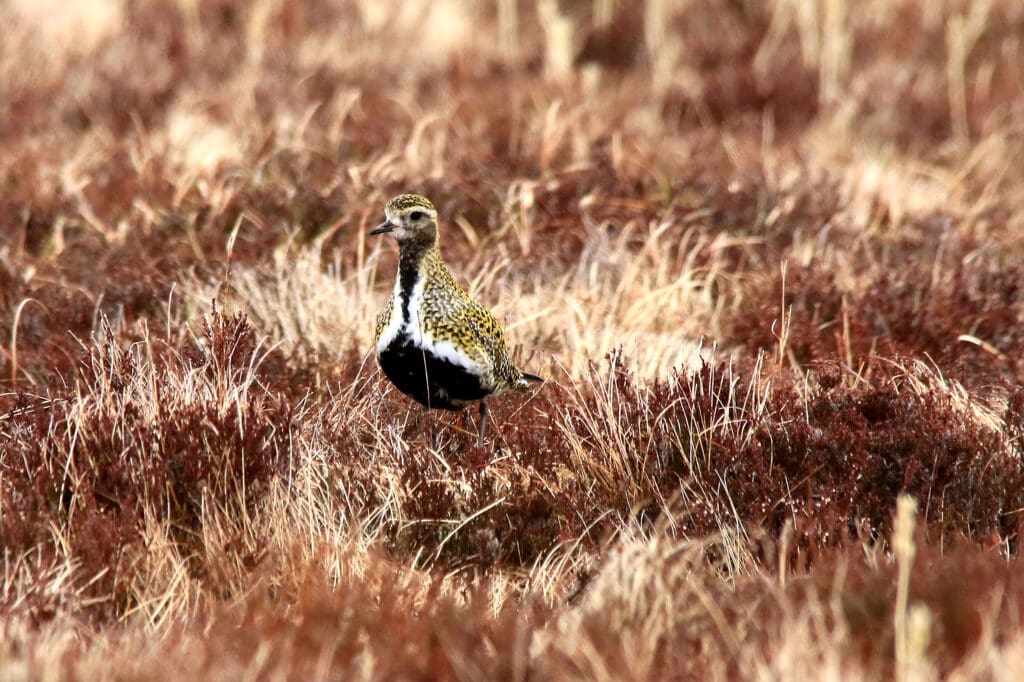
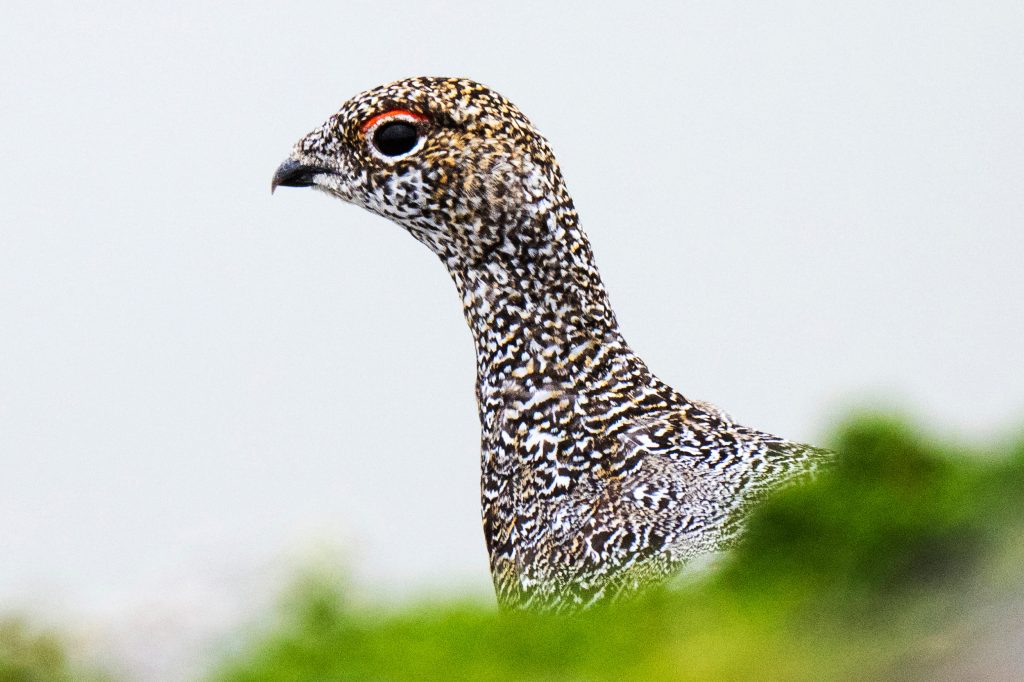
Meanwhile, upland and cold-adapted birds such as Dotterel and Ptarmigan are extremely vulnerable. The UK represents the very southern limit of their Palearctic breeding range, so rising temperatures will only push them further north and out of the UK as they ‘run out of road’ when altitudinal shifts are no longer available.
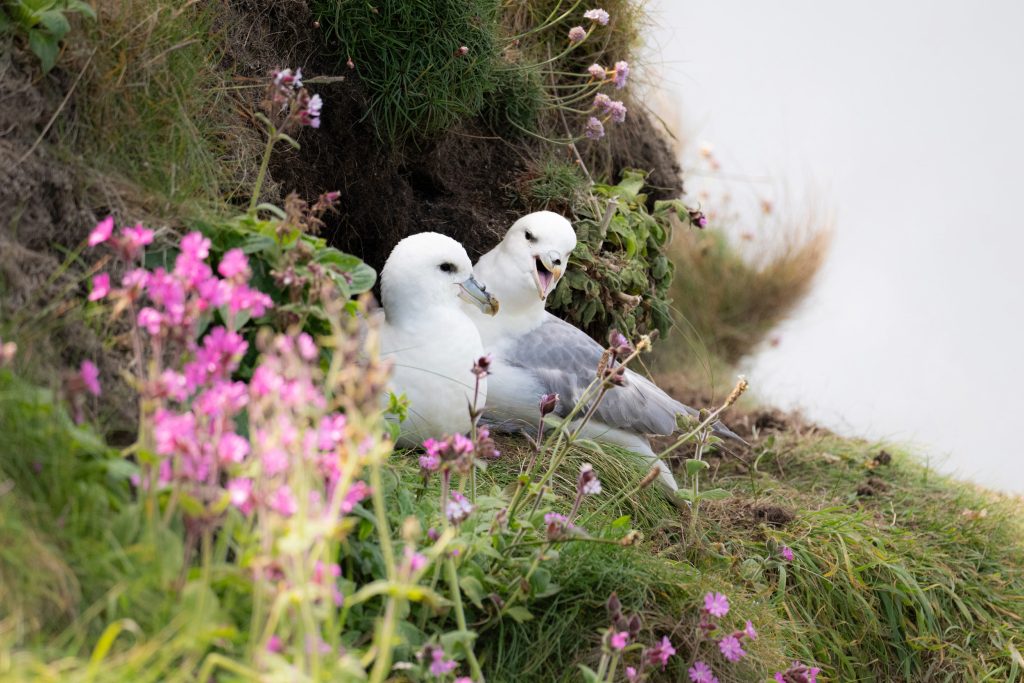
Rare birds, with small and limited ranges, are also at risk, but the real shock is our seabirds; this generally large, robust-looking group of birds are among the UK’s most climate-vulnerable group. Without any interventions or conservation action, declines of over 70% in some of our seabird species are predicted as early as 2050.
Puffins, Fulmars and Arctic Terns have all already experienced major population declines with pressure from multiple fronts; bird flu (Highly Pathogenic Avian Influenza); sandeel populations and other food sources declining under rising sea surface temperatures; an uptick in extreme weather events flooding nests and causing adults to struggle while foraging and drown in stormy seas; and finally, and perhaps most ironically, impacts from poorly sited offshore windfarms.
Read more about the five seabirds recently added to the Red-list
Bucking the trend
As concerning as all of this is, the science shows that some species may actually benefit from this otherwise bleak scenario. While a major 2021 study identified 60 species in the UK as being at high risk of climate impacts, there are some species here that may benefit from the changing climate.
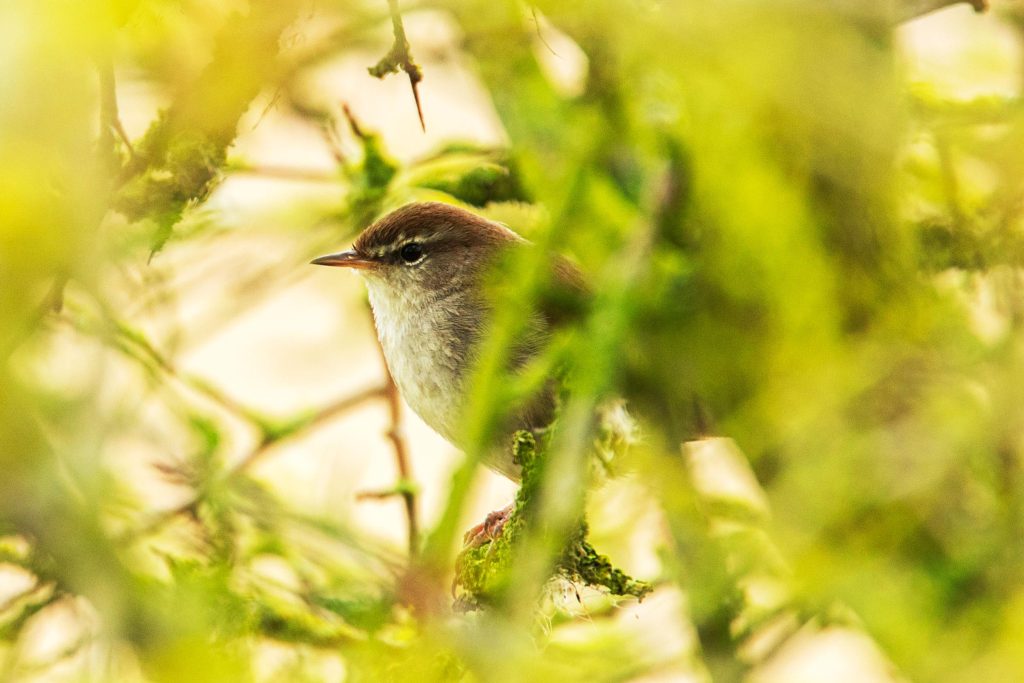
Cetti’s Warblers have been steadily (and not-so-quietly) expanding their range northward over the past 50 years. These little birds were first recorded as a breeding bird in Kent in the 1970s; now, their loud, flamboyant burst of a song can be heard year round in the north of England and Wales.
Similarly, Nuthatches, Garden Warblers, Mediterranean Gulls, and even once-exotic Little Egrets, have all joined the list of beneficiaries. So, while warm-adapted generalists are expected to fare well in the UK, other groups will decline, leading to impoverished and homogenised bird assemblages.
Beacon of hope
Non-interventionists might argue it’s ‘adapt or die time’ for the UK’s birds; that the climate has always been changing and nature has had to respond in kind. Clearly, this is untenable in the face of human-driven climate change, as East Coast Wetlands Programme Manager Milo Sumner succinctly puts it: “It would be like setting fire to someone’s house, then blaming them for not being fireproof.”
The good news is the RSPB, together with other organisations and stakeholders, has already been working on a raft of nature restoration projects to adapt and build resilience in the face of (frankly) horrifying trends and projections. Adapting to rising sea levels has been a priority, as it’s not just coastal wetland habitats that are at risk, but critical infrastructure and people’s homes.
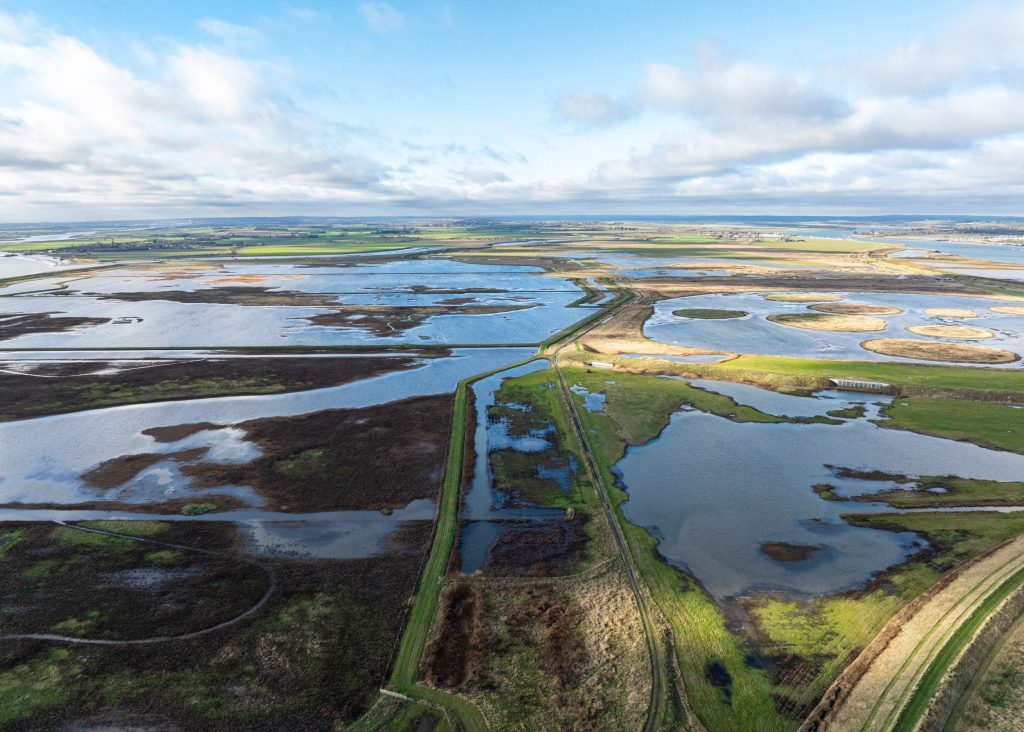
Wallasea Island on the Essex coast is now a flagship coastal wetland nature reserve that was identified two decades ago as at risk from coastal inundation. The RSPB acquired the island in the mid-2000s, with the goal of restoring the island’s mosaic of grasslands, mudflats and marshes, as the land had been drained for agricultural use in the mid-1950s.
Coastal wetlands are vital for migratory birds and for people to connect with nature. Video: The RSPB
More recently, a major infrastructure project was set in motion. A mind-boggling three million cubic metres of material (excavated during the construction of 13 miles of tunnelling underneath London for the Elizabeth Line) was shipped to Wallasea to raise land levels before the sea wall was breached. After a lot of heavy lifting – quite literally – the project has created 700ha of coastal wetland habitat that is now home to wintering Hen Harriers, Short-eared Owls and breeding Corn Buntings, and where cattle still graze as part of the wider management of the reserve.
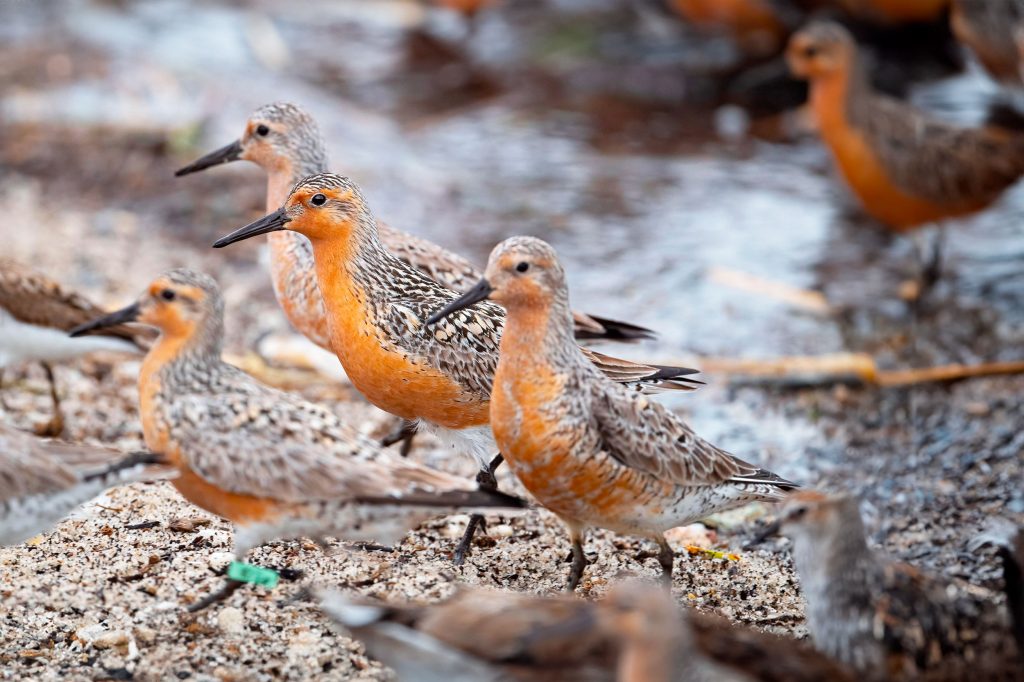
The island now also hosts one of the most extensive areas of shallow, saline lagoons in north-west Europe and sees nationally important numbers of estuarine species including Grey Plovers, Knot and Bar-tailed Godwits. With peak counts of 39,100 waterbirds, it is a vital stepping stone for England’s East Coast Wetlands, helping to link coastal habitats from the River Thames to the Humber estuary.
While the project is impressive, Milo is first to point out that focusing on nature reserves without a grander ambition is simply building a climate ‘lifeboat’. And as the famous line goes: we’re going to need a bigger boat.
Beyond boundaries
Government policies and agri-environmental schemes often assume species “will always use habitat in the same way, even as the climate changes”, as the RSPB report notes. Yet, and at the risk of stating the obvious, we know that when the ‘going gets tough’, birds can, and do, take flight in search of more suitable habitat.
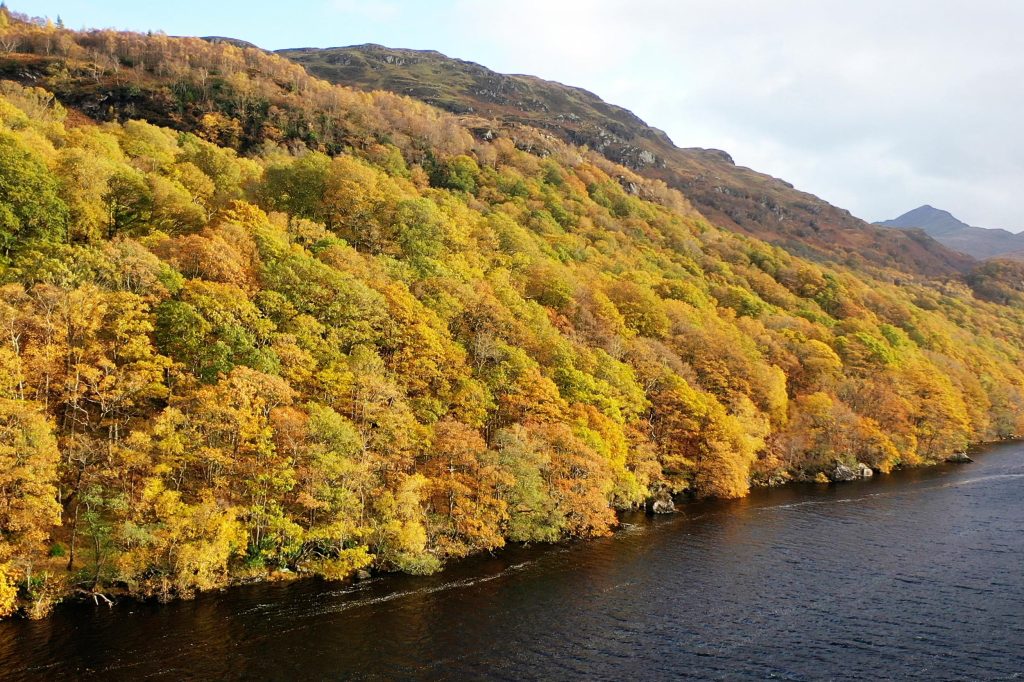
So, focusing on nature reserves is only half the job – we must also consider the land outside of protected area designations to provide vital wildlife corridors that bridge habitats for species trying to adapt in a rapidly changing world. This is especially true for species such as the Capercaillie and Pied Flycatcher that depend on the extremely vulnerable and fragile Caledonian pinewood and temperate rainforest respectively; ecosystems that are already fragmented into isolated habitat islands.
“Nature makes you wait,” says Jenny Tweedie. She’s the Communications Manager for the Alliance for Scotland’s Rainforest, a network of over 40 organisations that includes the RSPB through its ‘Saving Morvern’s Rainforest’ restoration project. She explains it takes decades for newly planted forest to mature enough to support specialist woodland species, so protecting what precious little habitat we do have is vital. The immediate task is removing non-native, invasive plants and managing deer populations, while the long-term goal is to connect the isolated fragments.
‘It would be like setting fire to someone’s house, then blaming them for not being fireproof’
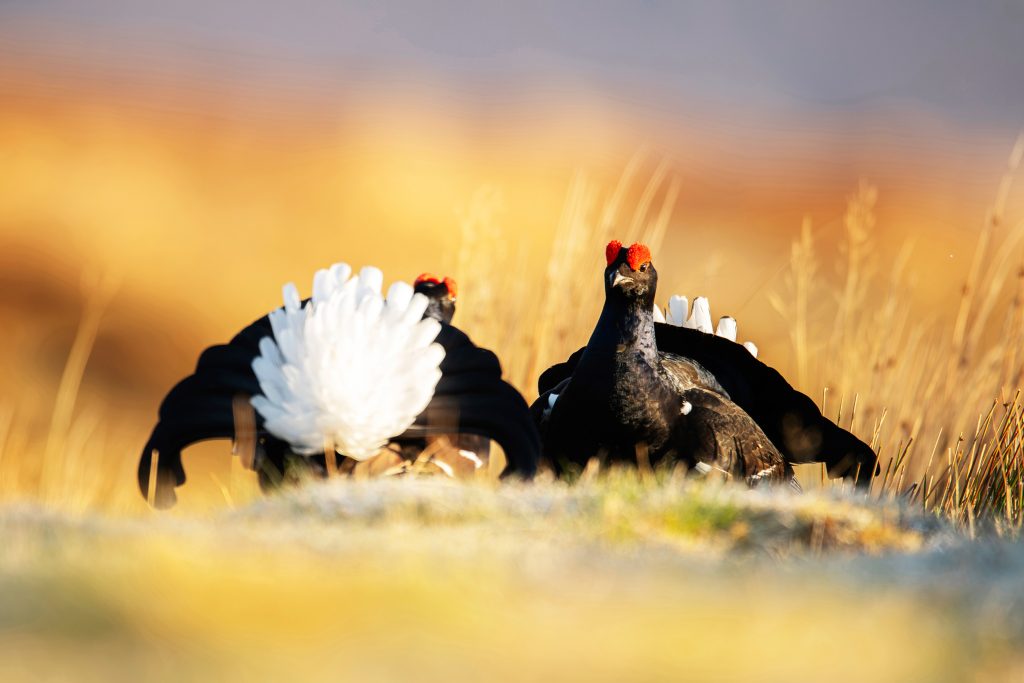
The same goes for people; connection and collaboration across the conservation sector is key. “Working alone is just managing a dwindling resource,” says RSPB Inversnaid’s Site Manager, Fraser Lamont, whose work includes surveying Black Grouse and their leks. While the work to halt the decline of these species is both vital and rewarding, Fraser is in no doubt that the real work is in relationship-building; forging connections with landowners and understanding the needs of all the stakeholders to build greater climate resilience across the region.
Fraser is also on the steering committee for Scotland’s Great Trossachs Forest (another partnership the RSPB is involved in) a 200-year project to create a network of woodland habitats to cover an area the size of greater Glasgow. This landscape-scale, centuries-spanning vision demands a certain humility and ‘Cathedral thinking’, in knowing it will take multiple generations to complete. Clearly, we don’t just need to think beyond boundaries and borders, but across generations, too.
Not just for the birds
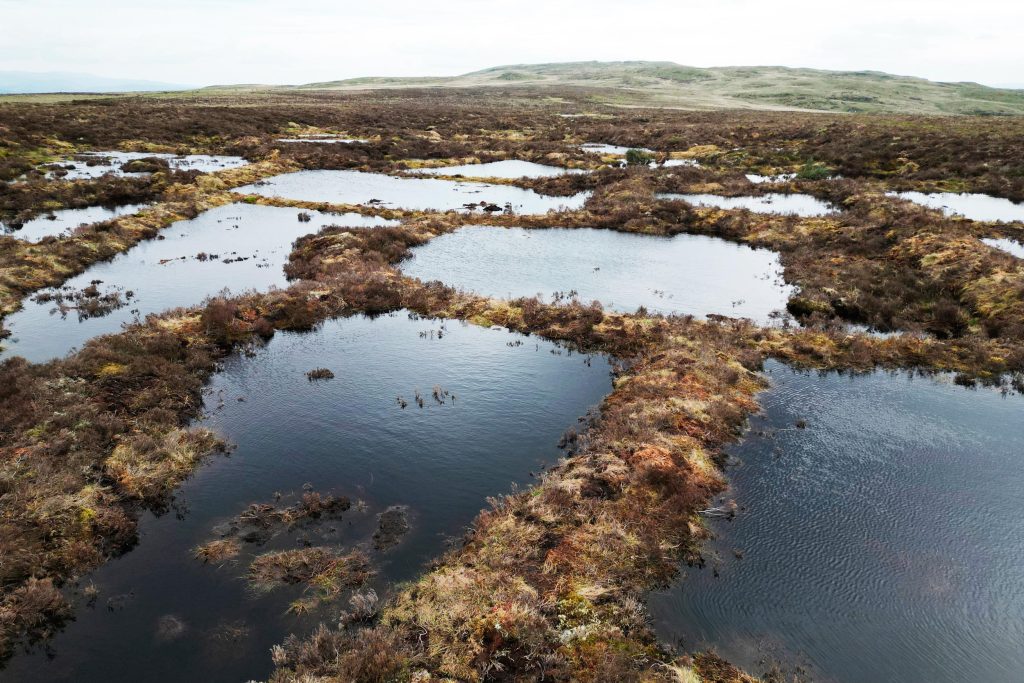
Peatland is perhaps one of our most climate-critical habitats, at least in the short term. Peatlands contain over 50% of the UK’s terrestrial carbon, held in the densely compacted layers of plant material that has built up, at glacial speeds of roughly 1mm per year, over the past 4,500 years. Yet only 20% of UK peatland is currently found in protected areas.
“Why is the peatland here in the first place?” a rhetorical question from Peatland Project Officer, Ben Willcox working at our partnership site at RSPB Lake Vyrnwy, as he describes the vast blanket of peat – 3.5 to 4 metres deep in places – draped over the hilltop. The region’s infamous rainfall creates perfect conditions for peat formation, but as climate change changes weather patterns (milder, wetter winters but more frequent summer droughts) drying causes erosion of peat by as much as 3cm a year, releasing ancient carbon stores back into the atmosphere; the last place it should be in a climate crisis.
What is peatland and can it save the planet? Video: the RSPB
Rewetting peatlands is therefore a high climate priority. The RSPB’s Peatland Project is helping to lead the charge by mapping and blocking eroding channels and old hilltop drainage systems, introduced during post-WWII government agricultural policies that saw vast areas drained in efforts to create upland grazing. Interestingly, in areas where the old drains and channels still stand, the grazing remains poor mainly because of the ombrotrophic nature of this habitat, i.e. the only nutrients entering the system come from the rain; regardless of the drainage.
‘It is vital we get ahead of the curve, so like a big, beautiful nationwide safety net, we are ready to catch species wherever they land’
Driving the nine-tonne diggers (specially designed for the job) over this terrain feels like driving over a sponge. This offers a clue to another vital ecosystem service that peatlands offer: this habitat doesn’t just hold carbon but water, too. Healthy peatlands support highly absorbent Sphagnum mosses; they soak up excess water during periods of high rainfall and gently release it during droughts. This benefits wildlife, but also protects people and infrastructure as climate change increases the risk of flood, fire and drought.
Climate adaption is not an optional extra, but, alongside urgent efforts to reduce greenhouse gas emissions, needs to play a central role in restoring nature across the UK’s habitats and landscapes. As the great climate reshuffle gathers momentum for the UK’s birds, it is vital we get ahead of the curve, by adapting, widening and improving the range and coverage of suitable habitat so, like a big, beautiful nationwide safety net, we are ready to catch species wherever they land.

Protect our protected areas
As RSPB CEO Beccy Speight says, protected areas are one of the UK’s strongest natural defences against climate change. Sign up to become a campaigner with the RSPB and take action to ensure a future for these special places that are becoming an increasingly vital lifeline. You’ll receive a fortnightly newsletter packed with details about our latest campaigns and advice on how to take a stand for the things you care about.
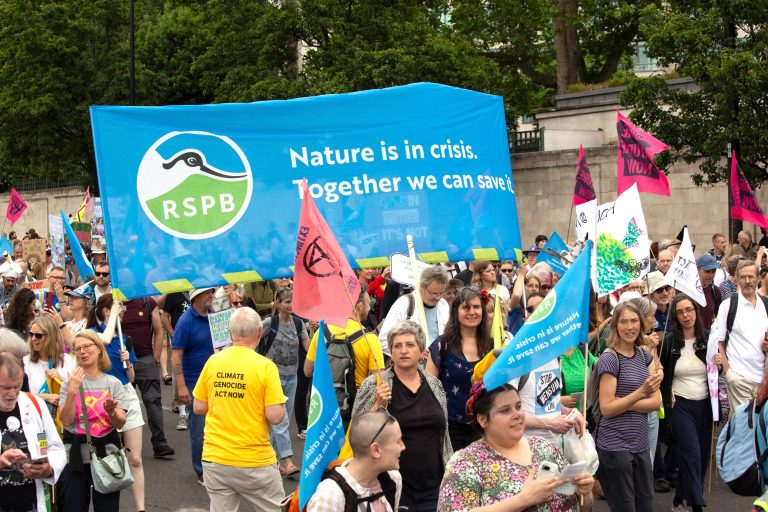
Join us to make our voice for nature louder. Photo: RSPB/Guy Shorrock
You might also like
Life on the Red List
Climate confusion