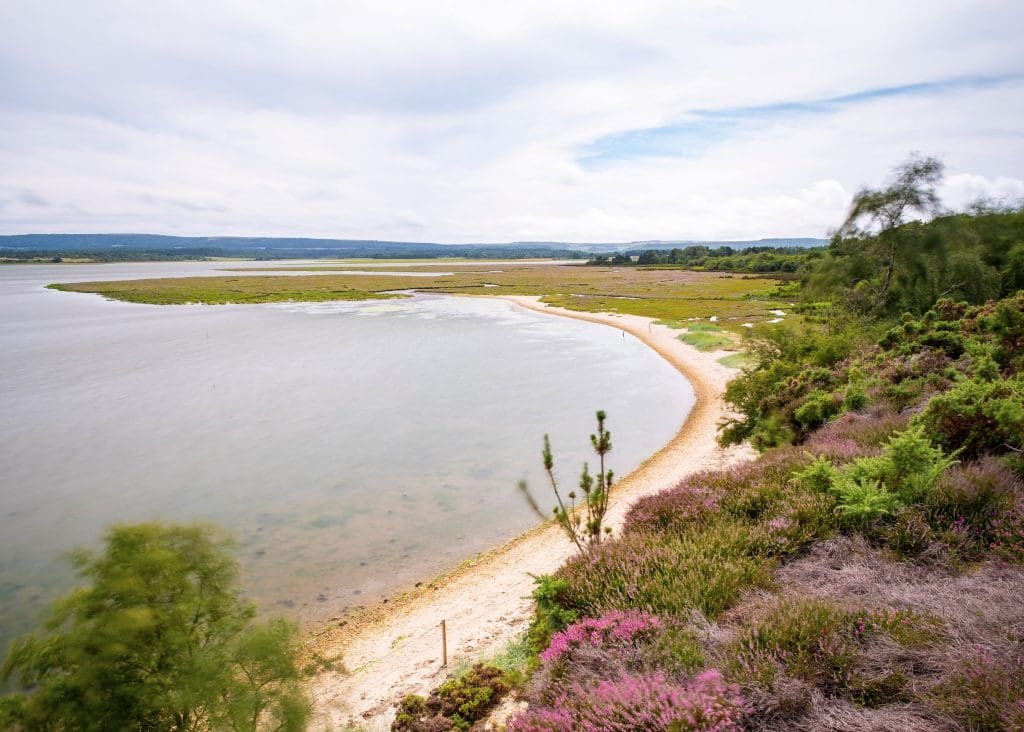
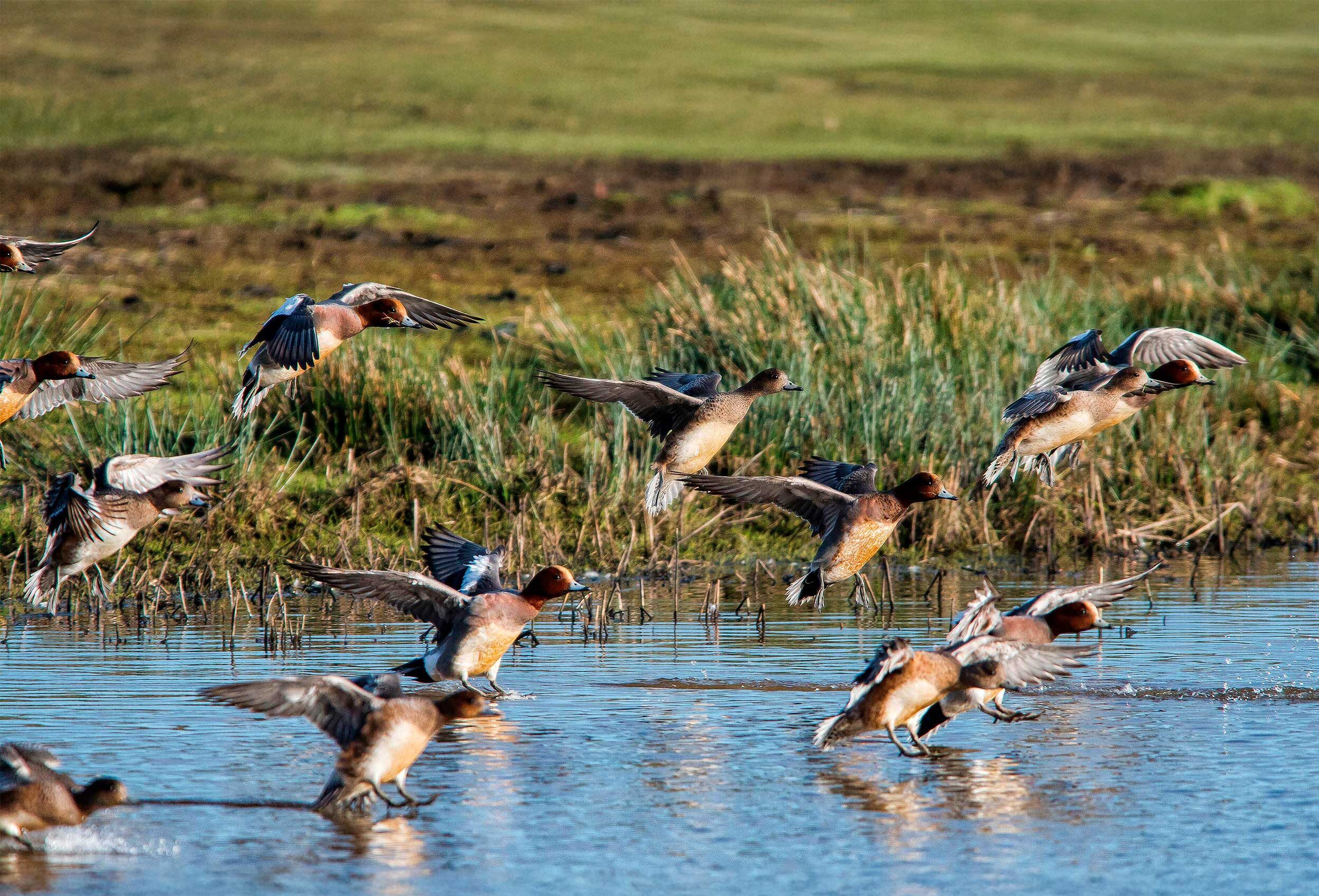
As the cooler, fresher winds of autumn sweep in, chasing away the last embers of summer, thousands of Wigeon arrive in large flocks. On crisp winter days, they can be seen whirling overhead, their white bellies a ripple of silver in the sunlight. These new arrivals join much smaller numbers of resident breeding pairs to find refuge dabbling in the water and grazing among the gently sloping edges of wet grasslands, reedbeds and floodplains. Here, they feed on aquatic plants, roots and grasses.
Hear the sharp whistle of the Wigeon
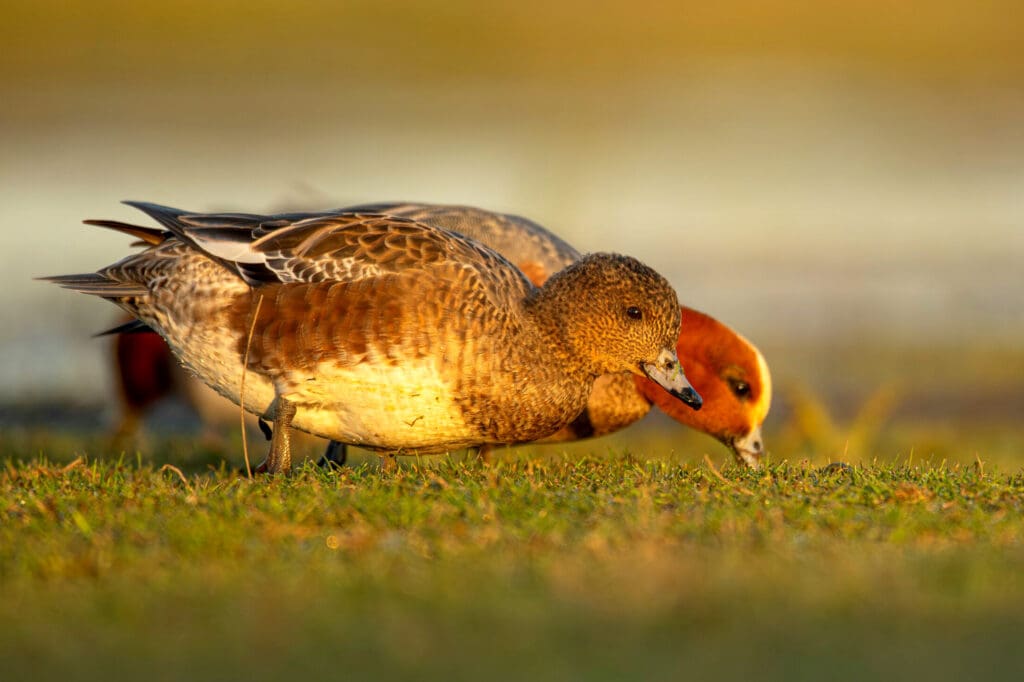
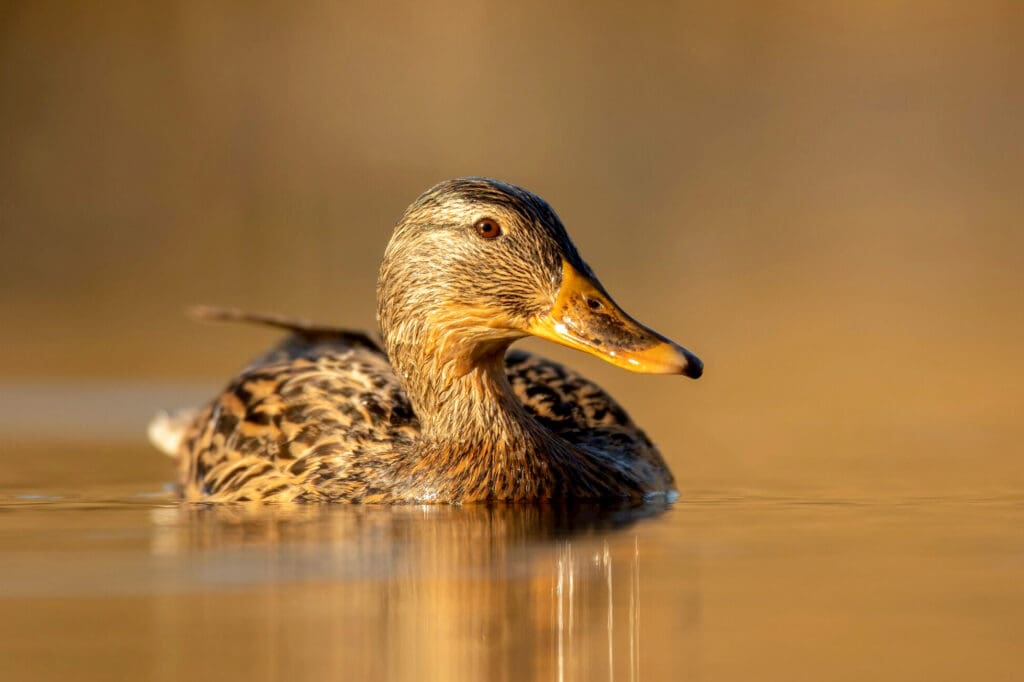
The male Wigeon’s pastel colours, reminiscent of muted sunsets, combine a pink breast, orange head and yellow forehead. These tones are matched by their counterparts’ earthy copper, not dissimilar to female Mallards but distinguishable by a more pointed tail.
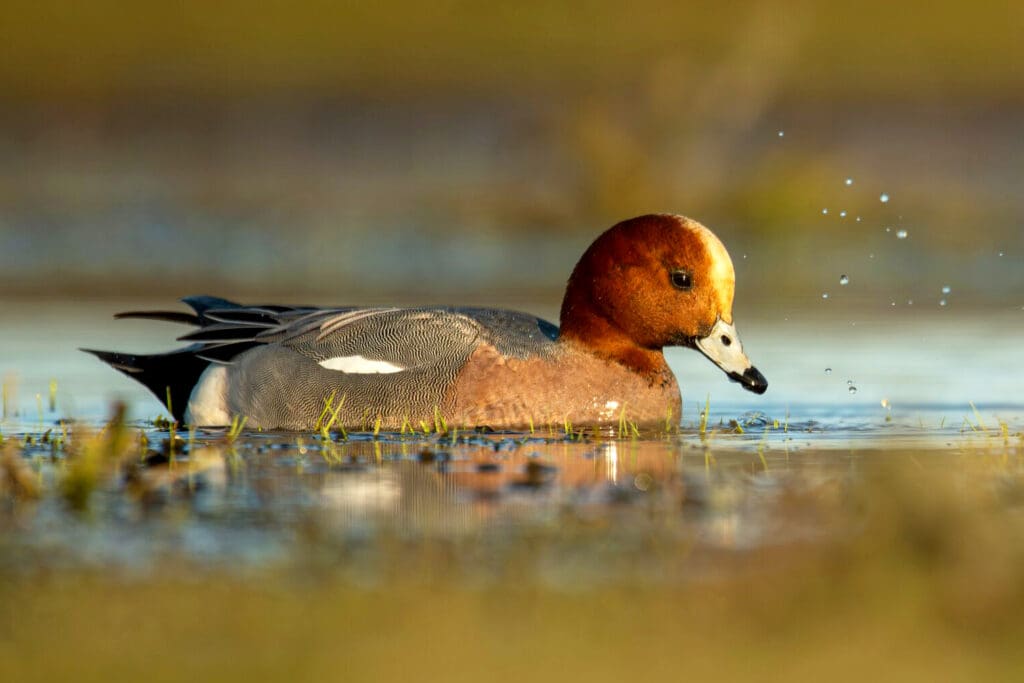
Though their name in early 17th-century slang once implied a fool, these birds are anything but. In fact, they’ve been known to save energy by waiting for other waterfowl to gather plant material from beneath the water, only to steal it from their beaks when they resurface.
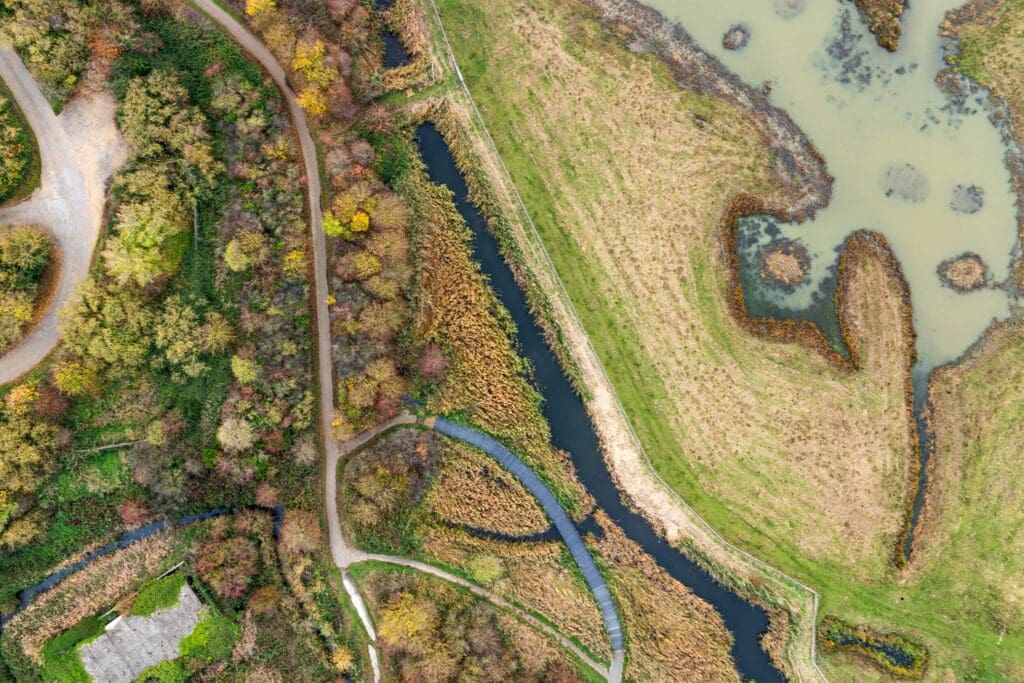
When it comes to their conservation, diversity of habitat is key. The teams at RSPB Otmoor, Rainham Marshes and beyond carefully manage wetland habitat to create an enticing patchwork of wet grassland and semi-permanent pools. The result is an exuberance of avian sounds and life, through which the Wigeon’s clear, piercing whistle cascades: ‘pjiew, pjiew!’
Watch Wigeons on wetlands. Video: the RSPB
You might also like
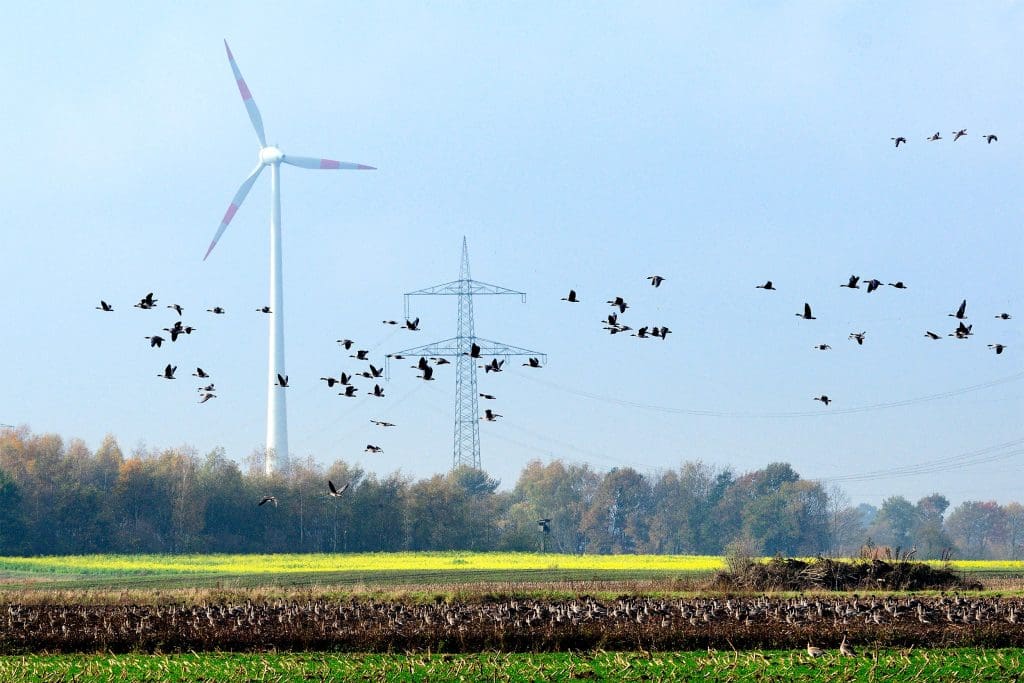
How to identify geese
Your questions – autumn/winter 2025