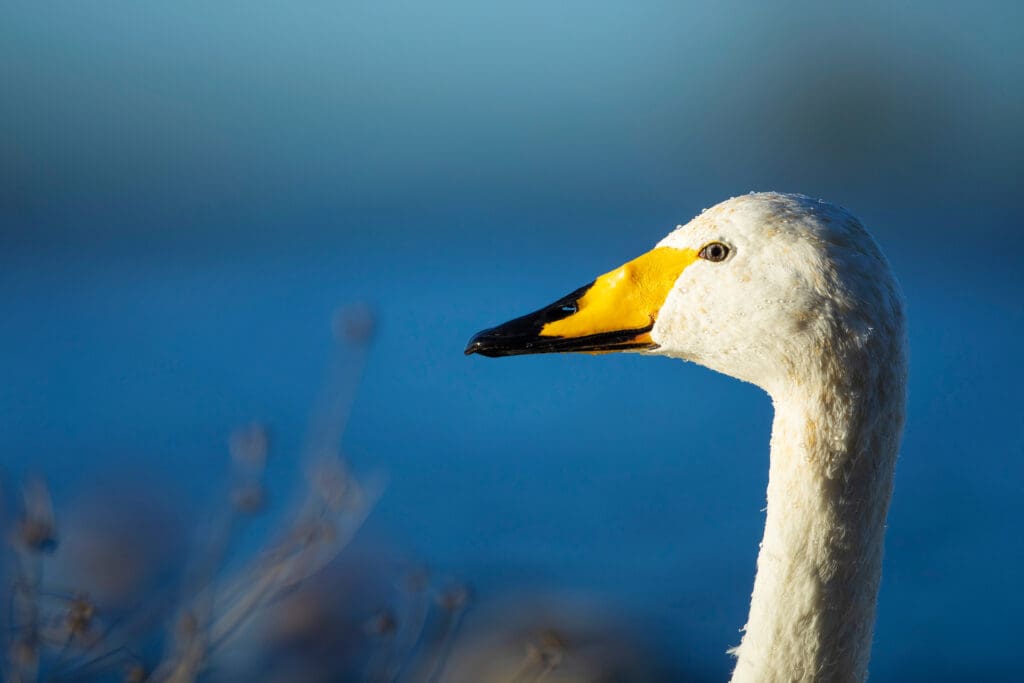
Watching wildlife at any time of year is magical. In winter, long-distance visitors are here to lift our spirits following their autumn migration, and once the quiet of winter has passed, birds are keen to start the breeding season. It’s a joy to watch, but it’s key that we don’t disturb wildlife at this crucial time. This is when we get a glimpse into the worlds of the creatures we live alongside, but getting too close can have damaging effects; for example, human disturbance can lead to seal pups being separated from their mothers making them less likely to survive.
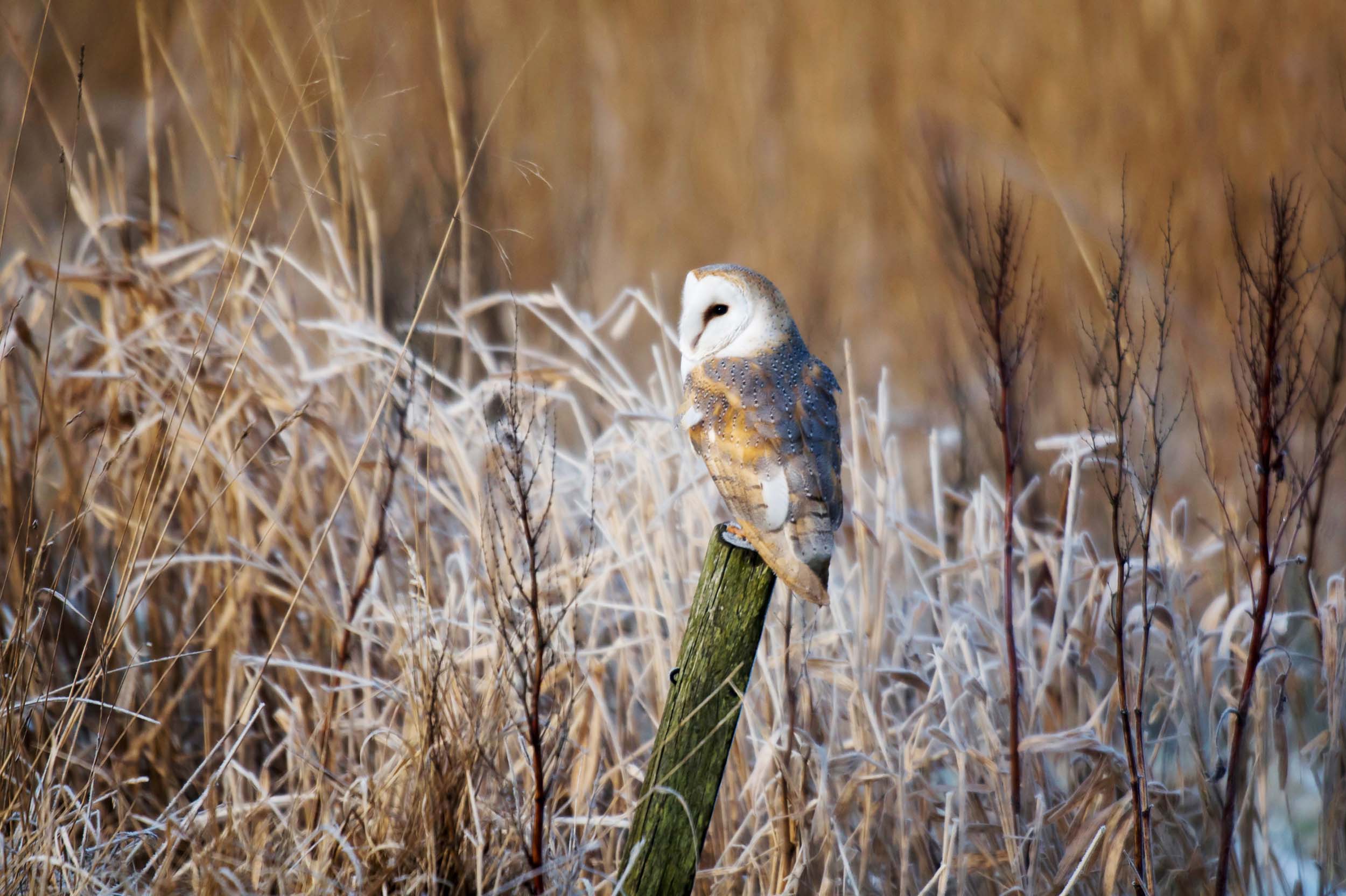
Nothing beats sitting at dusk watching a Barn Owl silently hunt its prey, completely oblivious to an audience. Nature doesn’t know our intentions, so it’s vital that we speak with our actions.
1. Know when to walk away
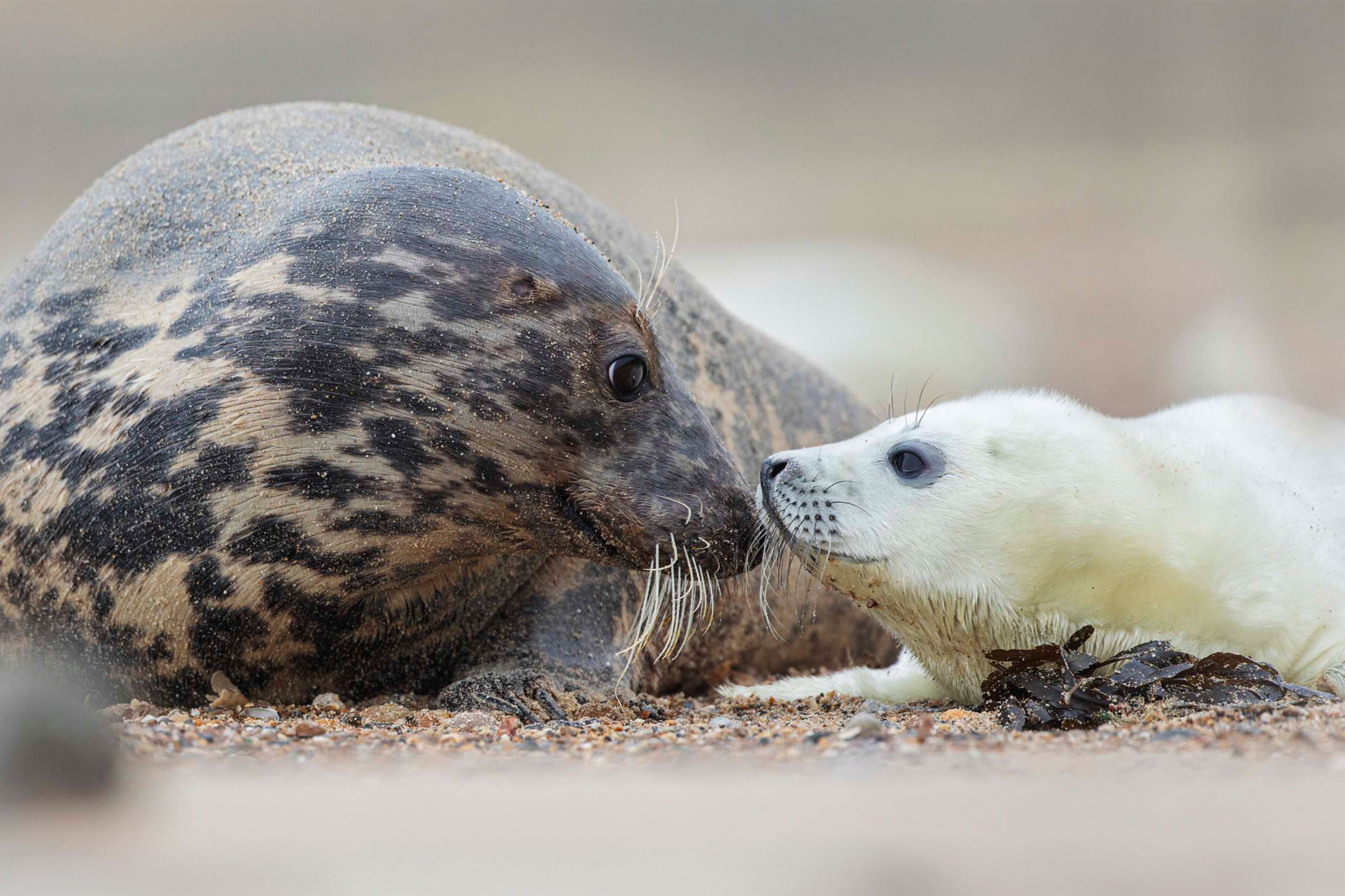
Seals can abandon their pups if disturbed. Photo: Ben Andrew (rspb-images.com)
Wildlife is constantly on alert to detect danger, and that includes us. If you disturb an animal it will let you know. Birds and mammals will use alarm calls and many will hide, run or fly away to protect themselves. This can be detrimental to exhausted migrant birds or animals that are nest building or raising young. If you observe these defensive behaviours, quietly retreat. It is particularly important to give seals space. Being frightened off their resting spots into water can harm them and leave them exhausted. Photographing them should be done from a safe distance using a long lens, as this photo was.
2. Be less visible to see more
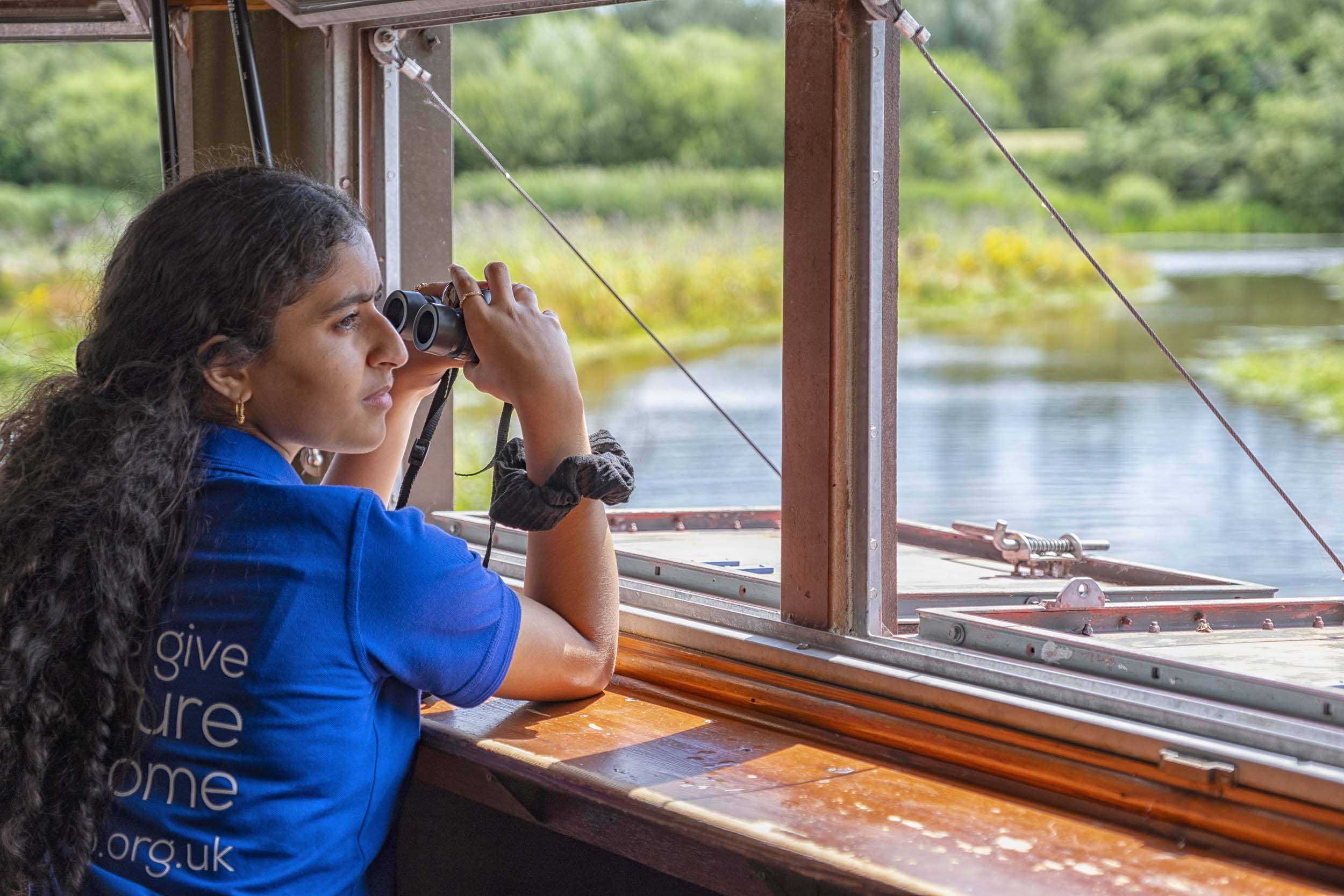
Being still and quiet can lead to some of wildlife’s best views. Photo: Sam Turley (rspb-images)
3. Keep your distance
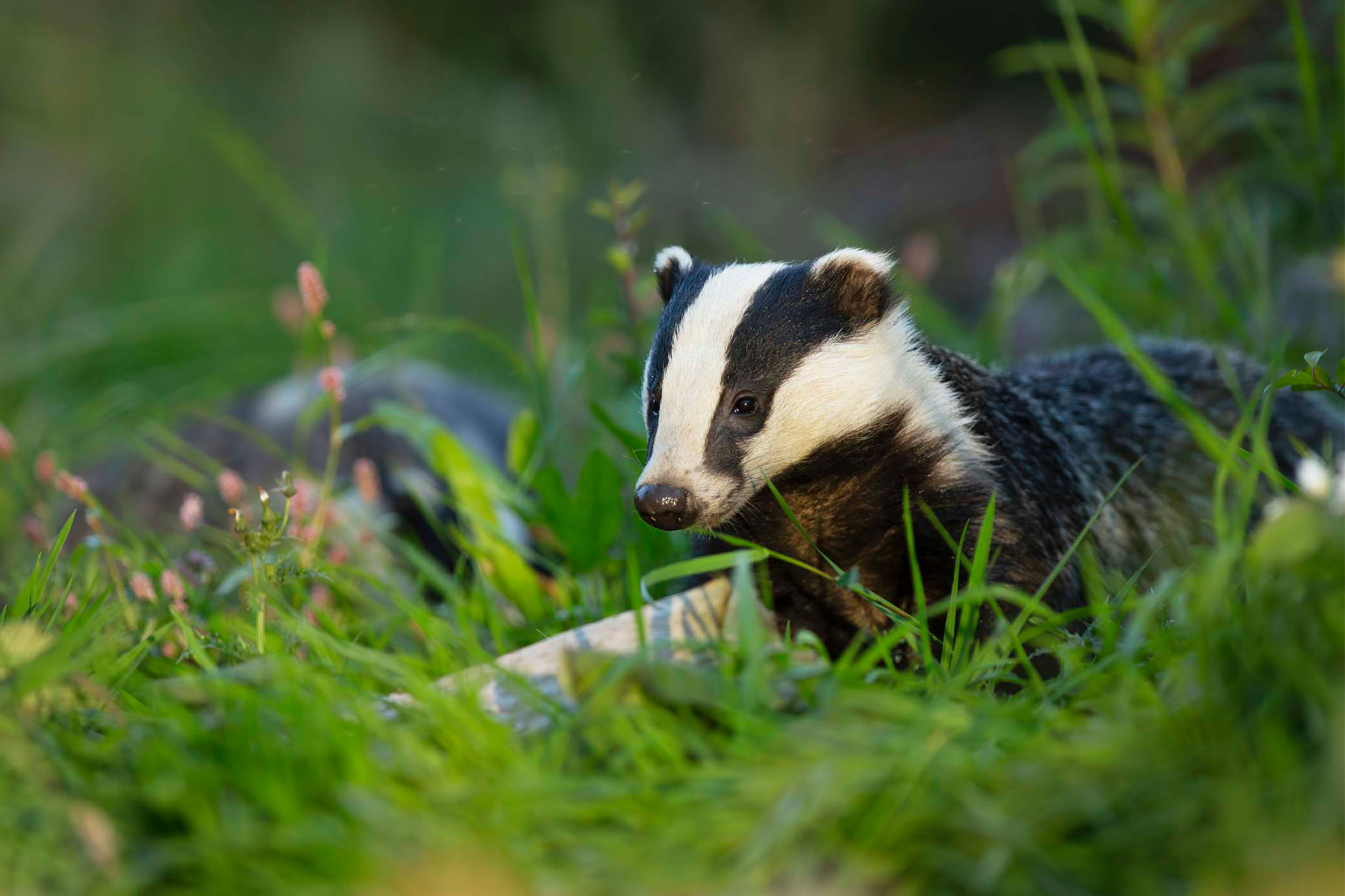
Badgers are a great species to watch via remote camera as you can find their setts and predict where they may go. Photo: Ben Andrew (rspb-images.com)
4. Stick to paths and hides
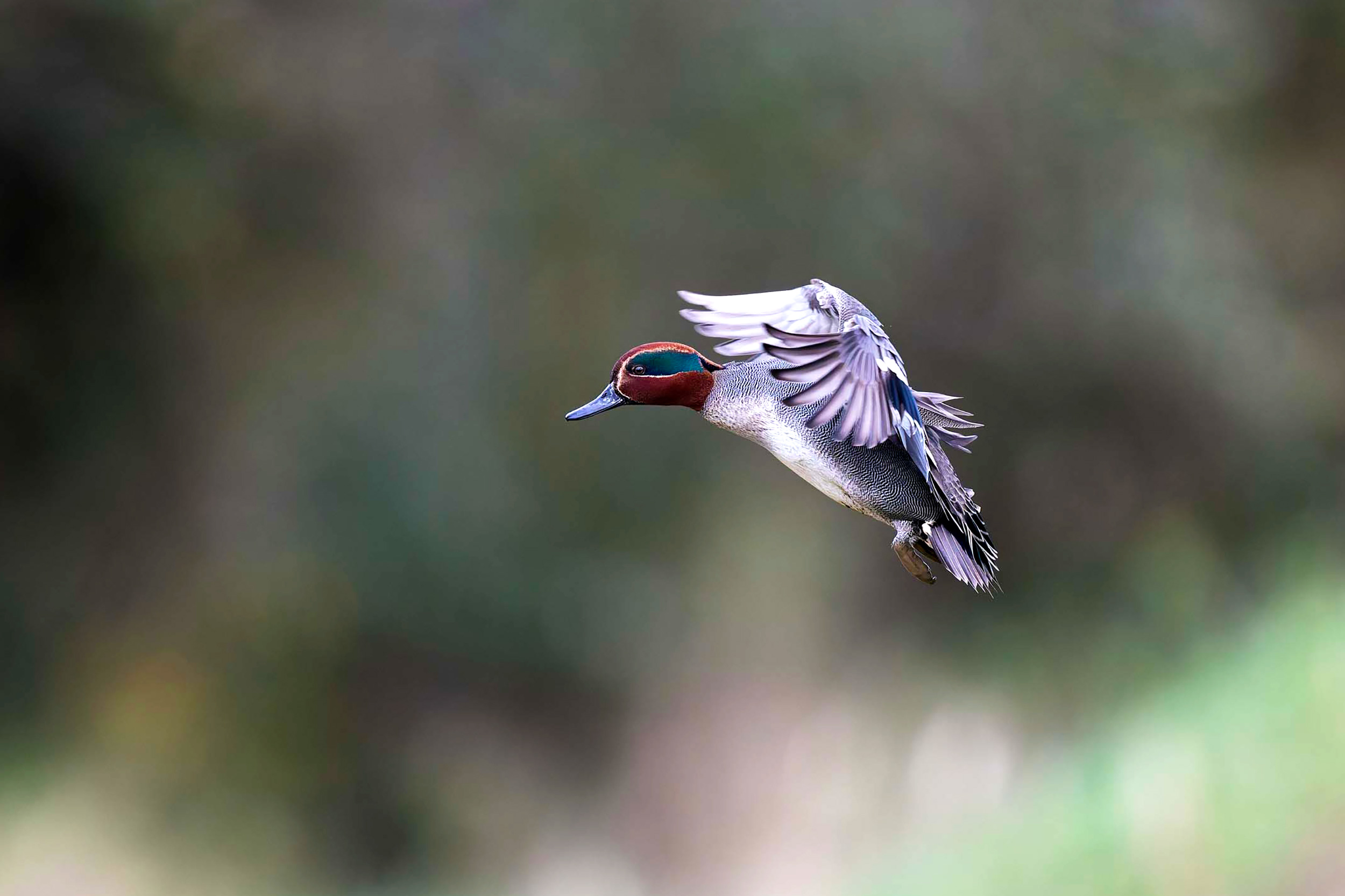
Disturbing ducks, such as Teal, can reduce feeding and roosting time and have significant impact. Photo: Richard Bedford (rspb-images.com)
5. Observe the law
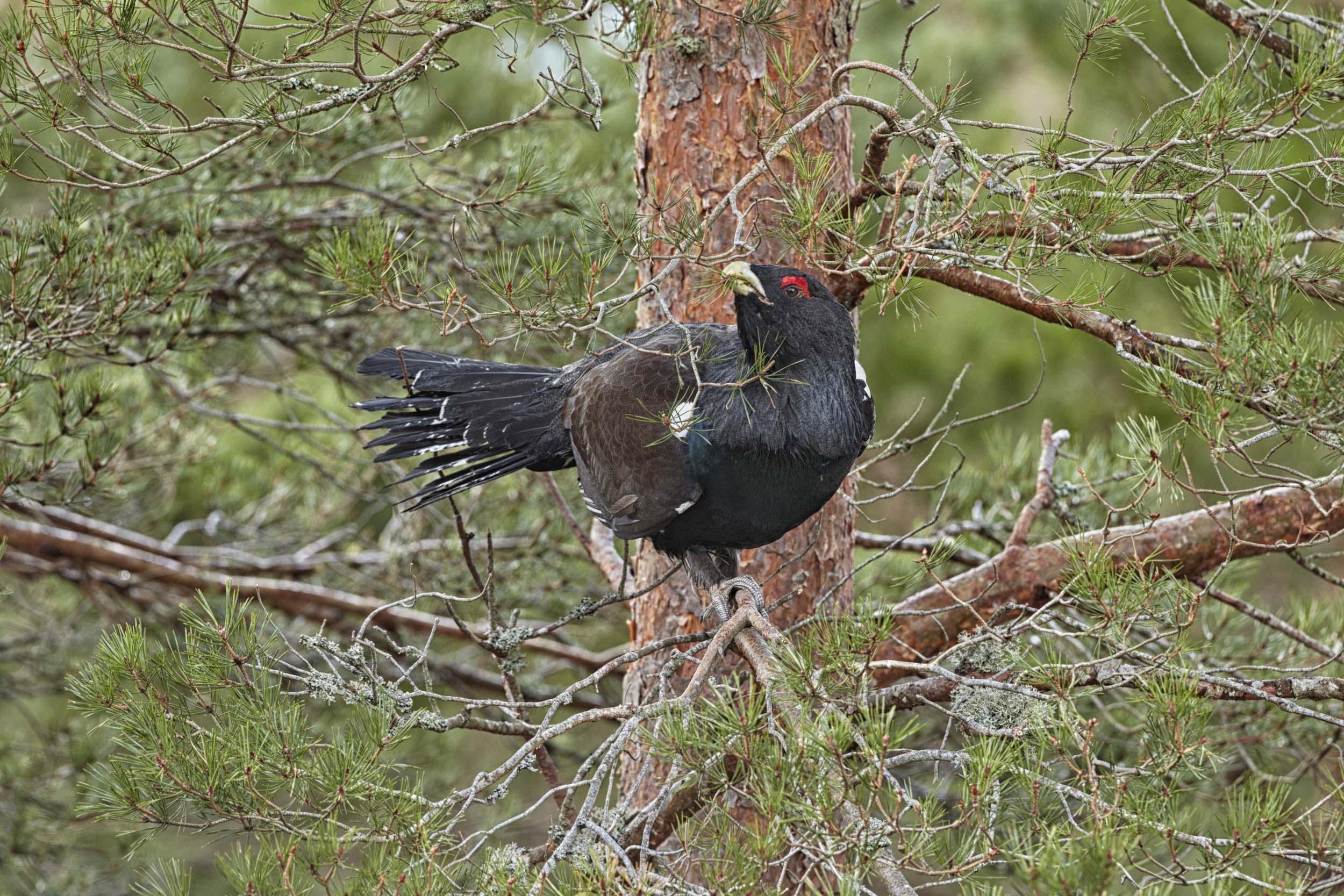
It is a wildlife crime to disturb breeding Capercaillie. Photo: Chris O’Reilly (rspb-images.com)
Listen to the call of the Capercaillie

Find a quiet hide near you
Visit RSPB reserves with observatories for peaceful, low-impact wildlife watching. Settle in, stay quiet, and let the moments come to you. Use our reserve finder to discover hides near you and plan a visit that sees more while disturbing less.
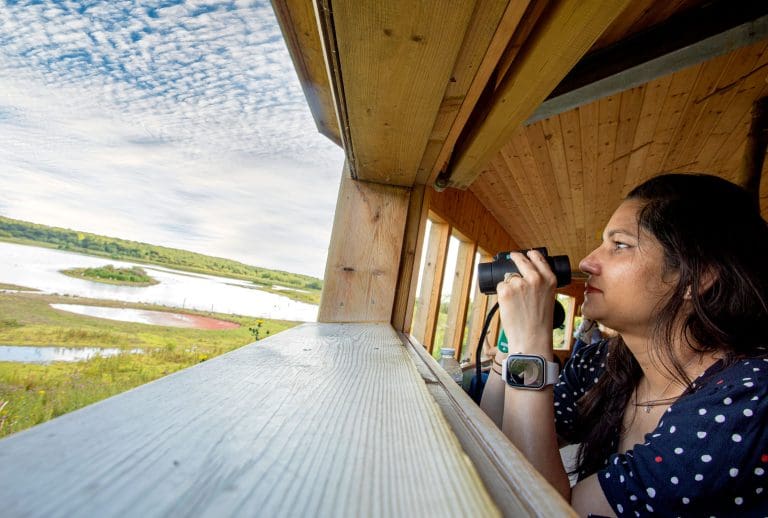
Access over 170 nature reserves with your RSPB membership. Photo: Euan Myles (rspb-images.com)
You might also like

RSPB local groups: united by a love of nature
Winter warmers – RSPB days out