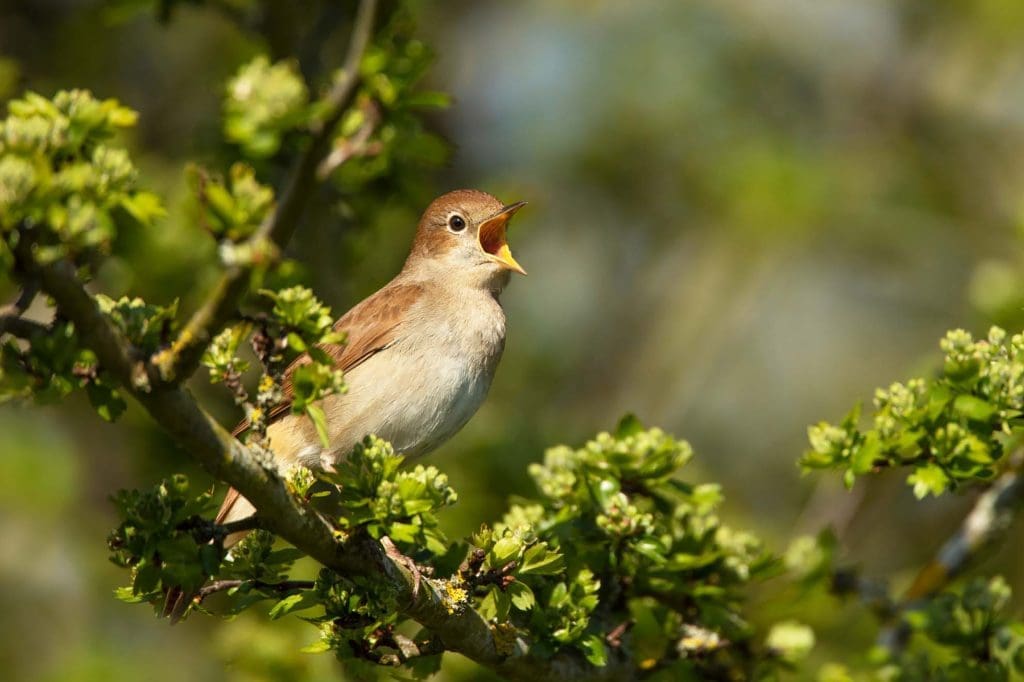
I’m standing motionless on the path with six strangers. Some listen silently; others scramble for binoculars. Others crane their necks, peering into the branches of an ancient oak tree. We’re here for a celebrity of sorts – a Nightingale, muse to literary greats such as John Keats and Oscar Wilde, and the star of the season at RSPB Pulborough Brooks.
This is my first time hearing one of these small brown songsters, and I’m surprised at how clearly the song carries across the small glade in front of us, with rapid-fire high and low notes peppered with almost mechanical-sounding cranks and beeps. The performance lasts for several minutes, and the enraptured audience grows as more visitors stop, transfixed. For a microsecond I spot a small, light-brown body flit between two branches. My first Nightingale sighting.
When the singing stops, the crowd begins to move again, but the crystalline call’s spell still links us. We chat gleefully to each other about what we’ve just heard. Suddenly, it feels like we’re no longer strangers at all.
Listen to the Nightingale’s song
But no one is really a stranger at Pulborough Brooks. Anna Allum, the site’s Visitor Experience Manager and one of my guides for the day, greets almost everyone we come across on the path. Some of the people she speaks to are visitors like me; others are part of the site’s 180 volunteers, many of whom have formed their own friendships over butterfly surveys and post-work lunches.
Everything at the reserve has an undercurrent of friendliness and collaboration. And for good reason – teamwork and a shared enthusiasm for nature are what make this place the wildlife haven it is today.
Visitor’s guide: RSPB Pulborough Books
Getting there
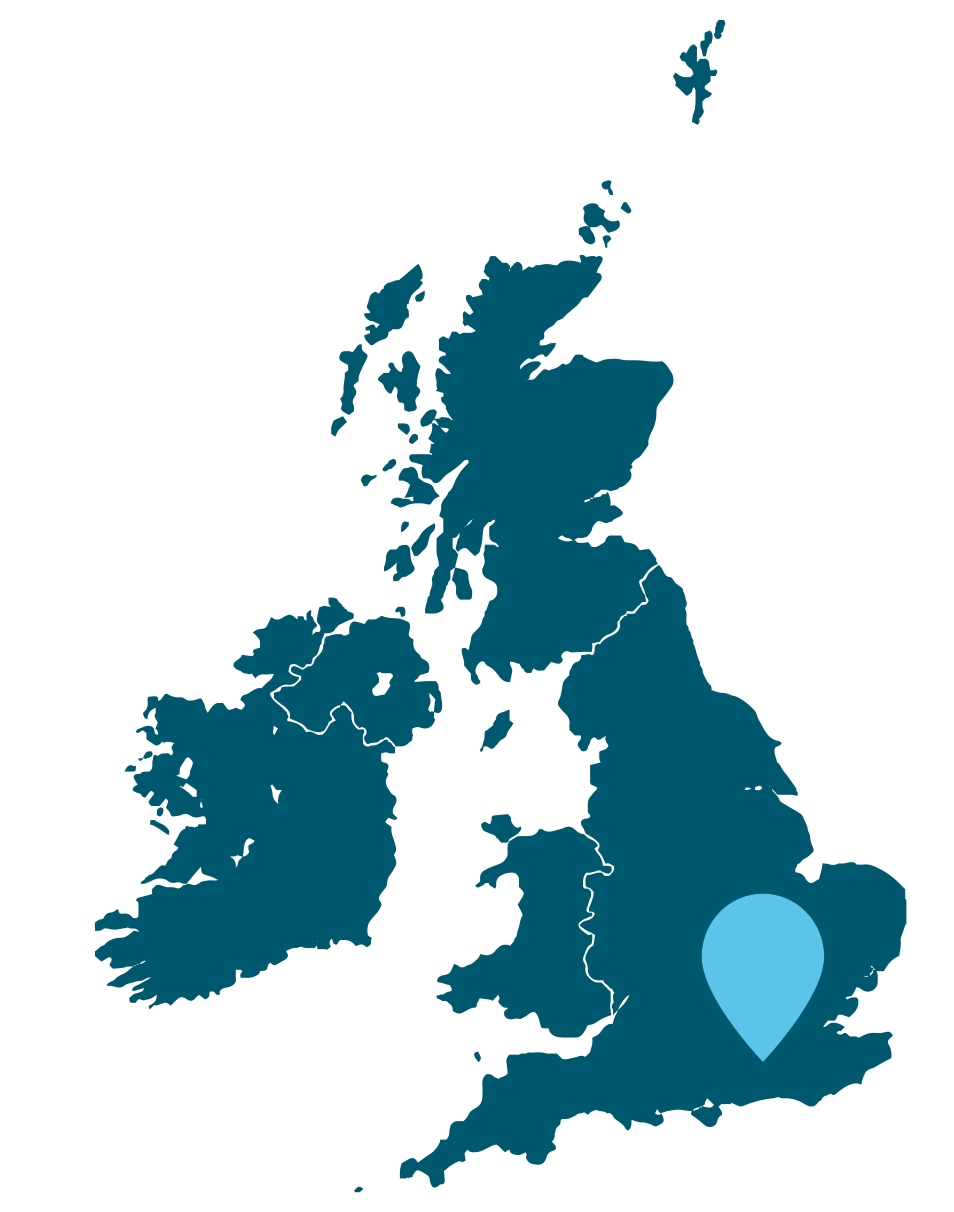
Pulborough train station is two miles from the site. You can take the Compass Bus 100 from the station to directly outside the nature reserve. If travelling by car, follow the A283 towards Storrington.
Entry
Free entry and parking for RSPB members; £5 entry for non-members.
Seasonal highlights
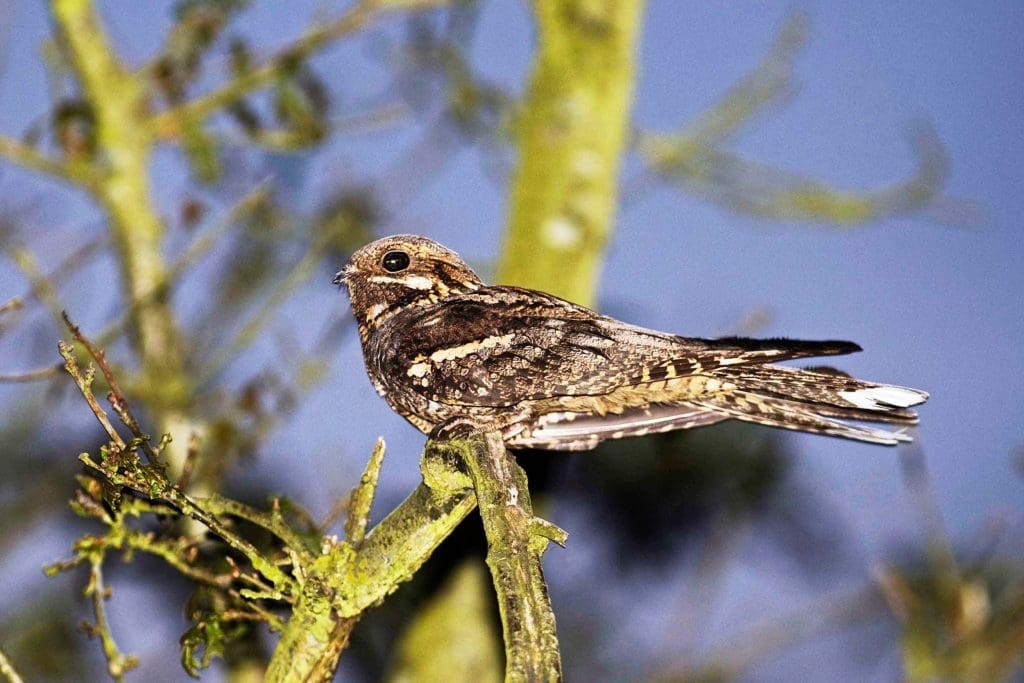
Take in blossoming wildflower meadows on a visit to this nature-rich reserve in spring. In the daytime, watch dragonflies and damselflies dart across the ponds, and visit at dusk in June and July to hear churring Nightjars on the heath and spot twinkling Glow-worms.
This season’s star species
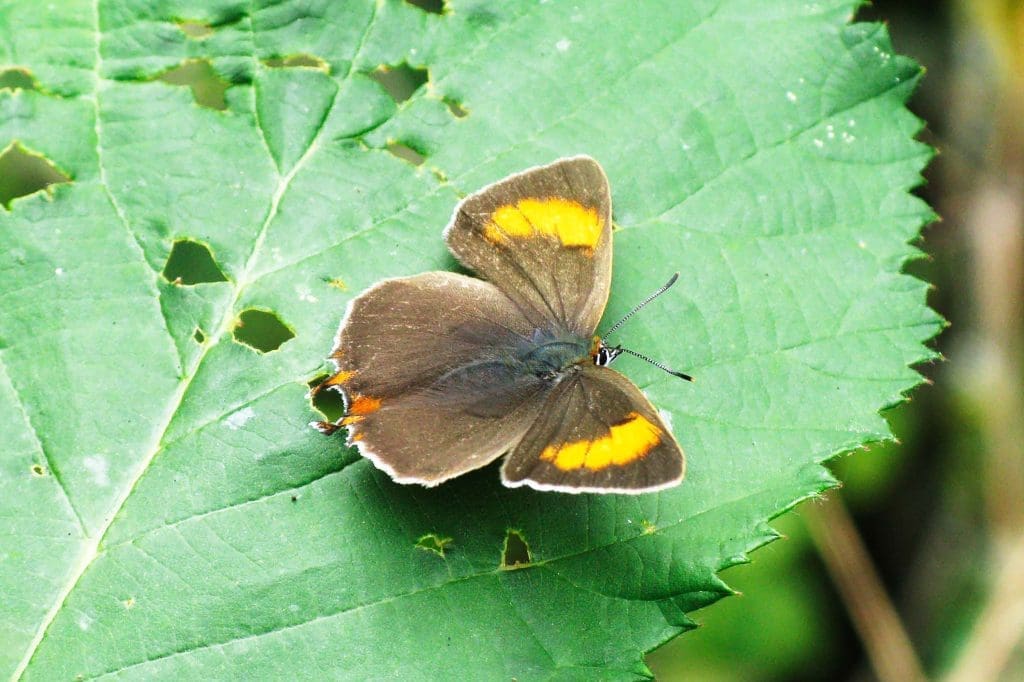
Lapwing, Nightingale, Blackcap, Grass Snake, Brown Hairstreak butterfly
Accessibility
Parking: five Blue Badge spaces and a drop-off point outside the visitor centre.
Wheelchairs: The wetland trail can be accessed with mobility scooters but not manual wheelchairs. The wooded heathland is not suitable for mobility scooters. There is level access to the café.
Dogs: Dogs on a lead allowed on parts of the wooded healthland trail, but not on the wetland trail. Assistance dogs welcome.
Woodland wandering
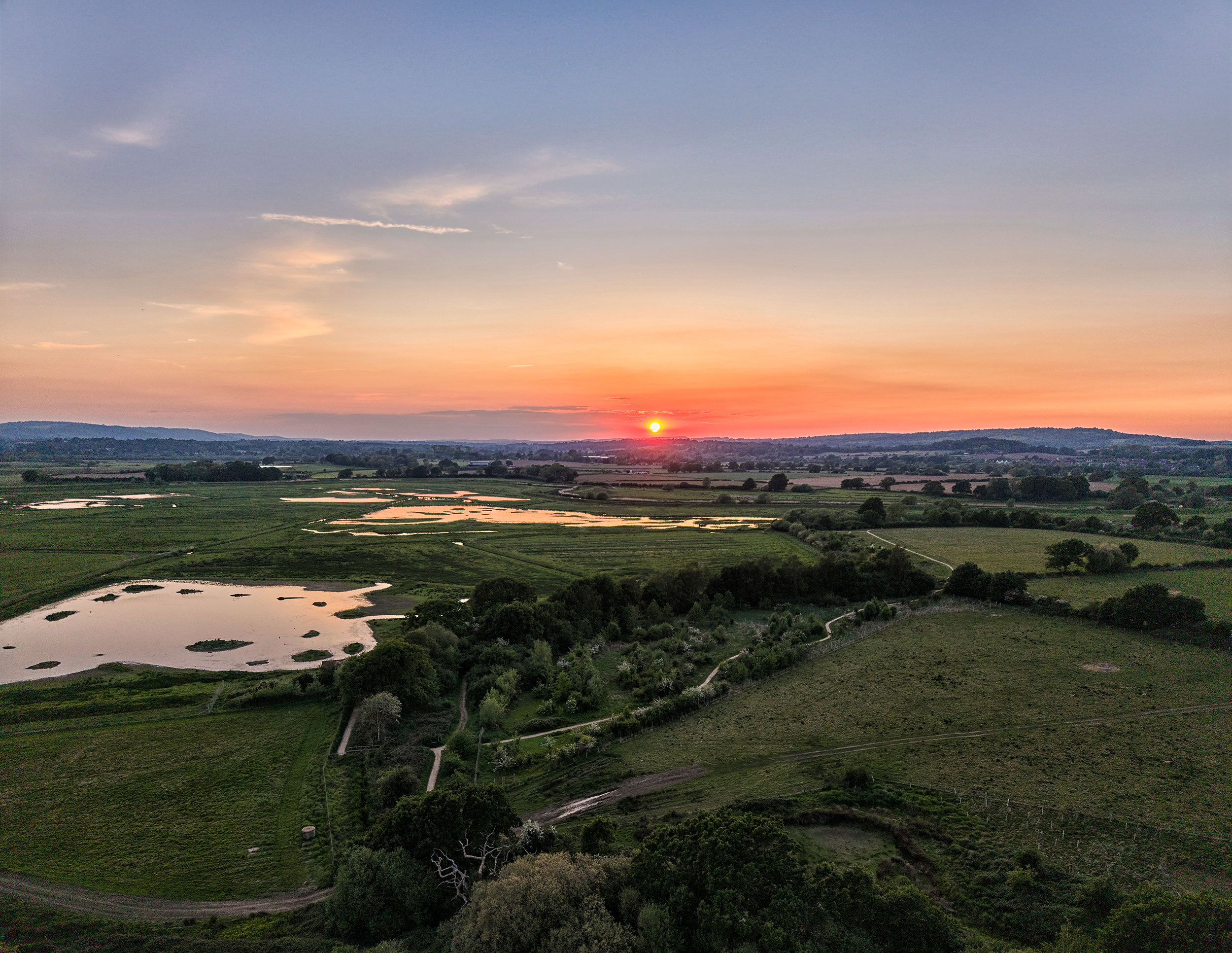
“When it opened to visitors in late 1992 (after the RSPB acquired the site in 1989), it wasn’t a ready-made nature reserve,” Anna says as we sit outside the Sussex site’s barn-turned-visitors’ centre, where my tour begins. We’re overlooking a panoramic view of the wetlands that, with its soft greens and silvery blues, is so pristine that it feels more like a film backdrop than a real landscape. As untouched as it all looks, every part of RSPB Pulborough Brooks has been thoughtfully curated by the team to cater to the wildlife that needs it most.
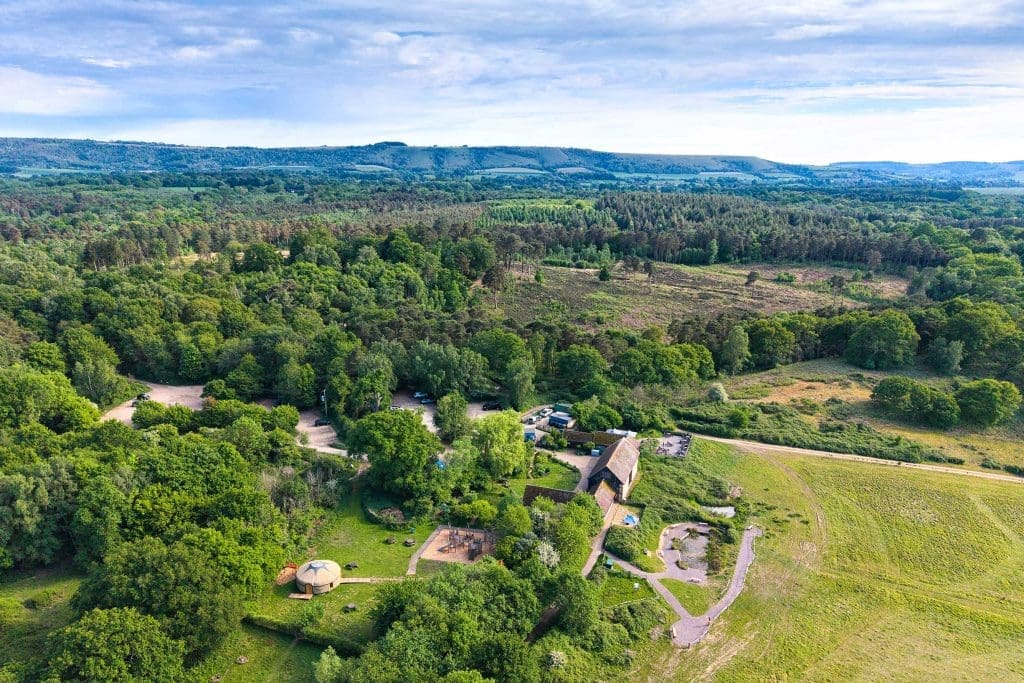
The site is a tapestry of woodland, wetland and heathland. The woodland is a mixture of stately trees, still ponds, sunny clearings and what Anna calls “scrubby bits”, which appear completely untended but are actually carefully maintained for Nightingales, Brown Hairstreak butterflies, Grass Snakes and more.
The wetland is also meticulously managed, with workers and volunteers constantly raising and lowering the water levels for breeding birds such as Red-listed Lapwing and Amber-listed Redshank. And on the far side of the car park, past another stretch of woods, is the heathland, the newest addition to the nature reserve. It’s a small, thriving area of low-lying scrubby brush filled with Nightjars, Woodlarks and rare invertebrates such as the Sussex Tiger Cranefly and the recently reintroduced Field Cricket.
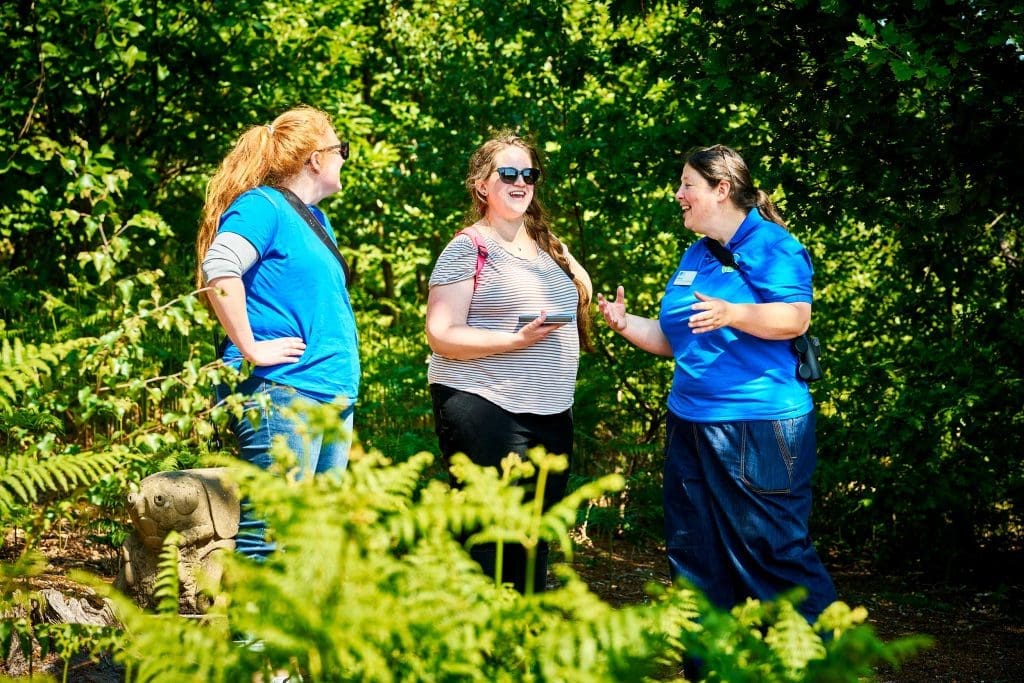
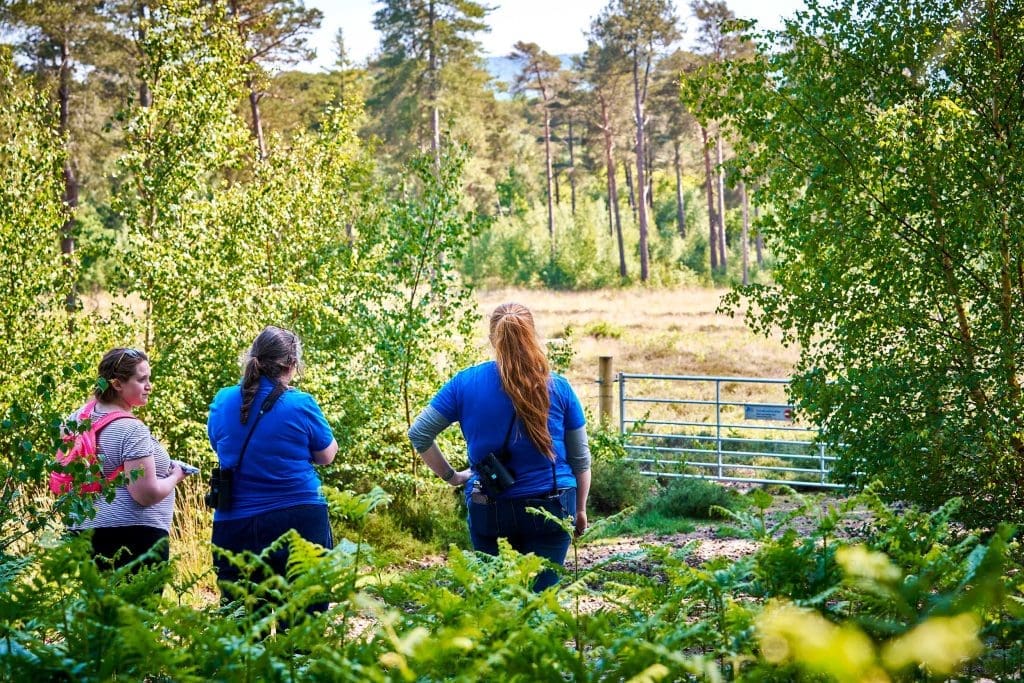
Starting at the visitors’ centre, we plan to wander through the woods and down to the wetland, then back up towards the heath. At nine months pregnant, I’m determined to waddle through as much of the site as possible, and I’m pleasantly surprised to find the slopes gentle and the walks relatively short. Anna and I are joined by Ruth Gillies, Project Manager for the RSPB’s strand of the Downs to the Sea project. This partnership project is focused on restoring and protecting key freshwater habitats in the South Downs National Park, while also increasing people’s understanding of the importance of water in their lives. Downs to the Sea is funded by the National Lottery Heritage Fund and, thanks to National Lottery Players, vital wetland restoration work has already been carried out at RSPB Pulborough Brooks.
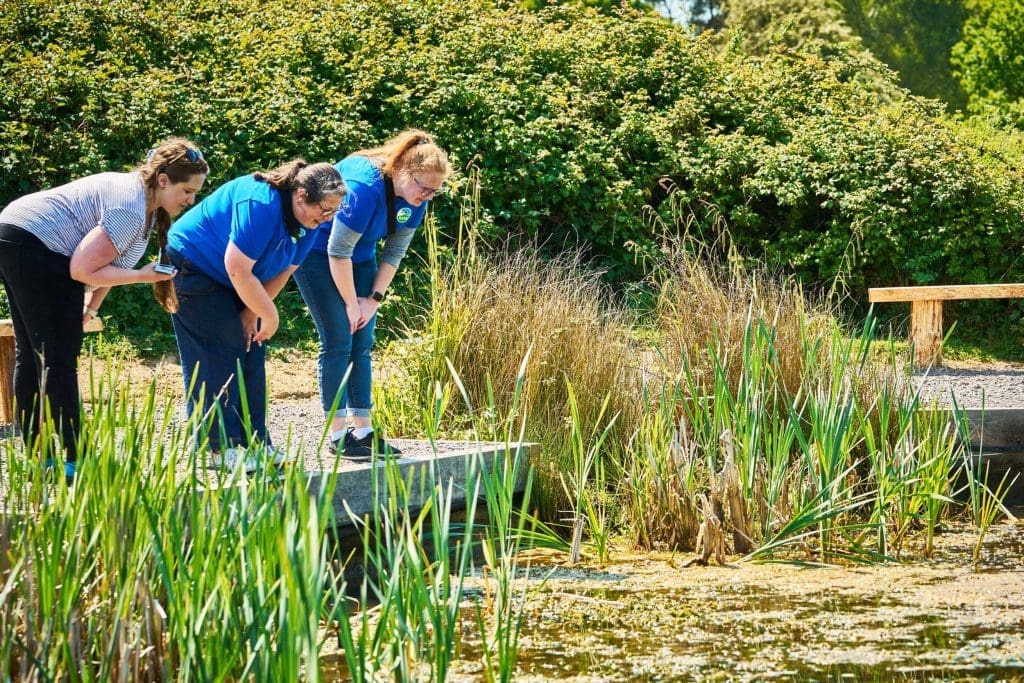
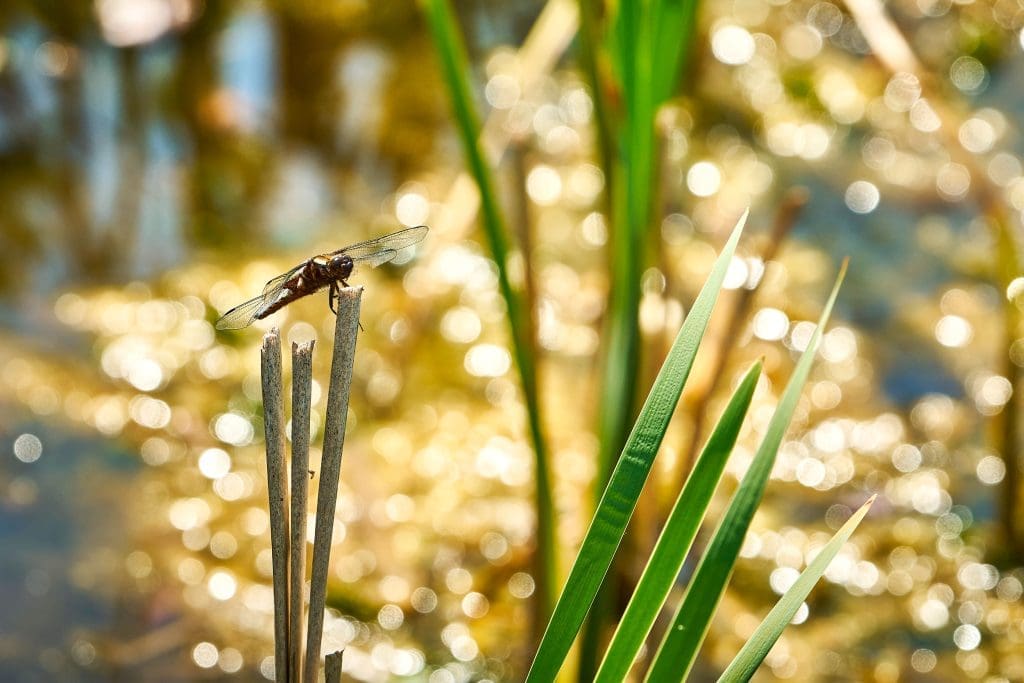
Our first stop is just outside the visitors’ centre at the Window to the Wetlands pond-dipping pond. Thanks to Downs to the Sea, it’s now encircled by a flat gravel path and sports ornately carved benches overlooking the wetlands. In the pond, great globs of vegetation hang motionless under the still water while a lone, perfect water lily floats on its surface. The scene seems tranquil, but to Anna and Ruth, this quiet spot is full of action. Snails cling to the pondweed, water boatmen row through the water and dragonflies soar like jet planes, alighting briefly on the pond grass to display their resplendent colours in the early summer sun.
“You’ve got an amazing eye for spotting wildlife,” I tell Anna. “It’s making me realise how little I look around when I’m out and about.”
“We all interact with nature in different ways,” she shrugs. “And I think that’s what’s so lovely about the natural world. I always have an urge to identify things, but for other people it’s just about being out here and listening.”
‘As untouched as it looks, every part of Pulborough Brooks has been thoughtfully curated to cater to the wildlife’
As we enter the woods, dappled light falls through the branches onto the dirt path. We stop at a bramble patch to pick out the bouncy tones of a Blackcap, the squeaks of a Chiffchaff and a brief ‘choo-choo’ from a Nightingale. Their songs make me wish I’d come early enough for one of Anna’s dawn chorus walks.
The woodland gets even dreamier as we go along. Tree roots dip into mirror-like pools and gauzy willow seeds float down like snow. In a few weeks, the sunnier areas of the wood will be carpeted in wildflowers. Some of the trees are oaks, three to four centuries old, with dead branches jutting out of their living trunks like sun-bleached bones. “They’re just fabulous for wildlife because they have all sorts of nooks and crannies,” says Anna. We pass beautiful handwritten signs with lifelike pictures of birds drawn in chalk pen. Anna, it turns out, is the artist.
Wetland wonders
At the edge of the woodland, we approach West Mead Hide, a low, red-roofed structure tucked in among the trees. It’s busy in there today, so we slip in and stand at the back. The single room is quiet as binoculared visitors gaze reverentially through the hide’s windows, taking in perfect, unobstructed views of one of the wetlands’ glittering ponds.
Anna and Ruth are keen to show me one thing in particular – Lapwing chicks. “With Lapwing, it’s not always about how many pairs you have. It’s how many chicks you get fledged,” explains Ruth. “We’re yet to find out exactly how we’ve done this year, but I think numbers are definitely on the up.” She points to a two-week-old chick as it scuttles busily along the mud bank of the pond. It seems to be all on its own, but Ruth shows me where the parents are hovering a few metres away.
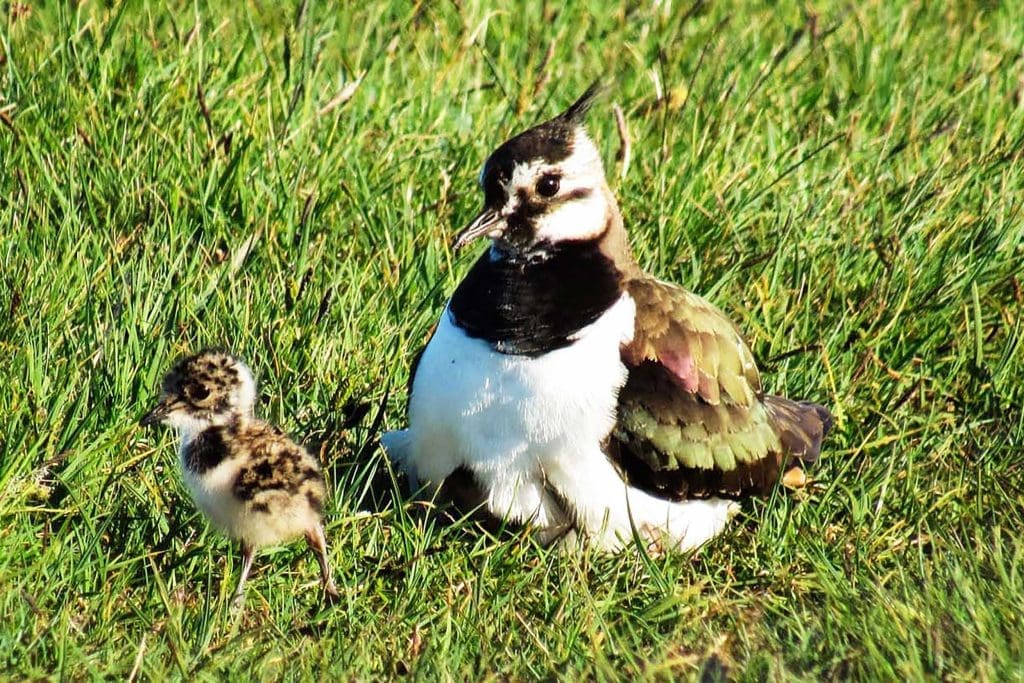
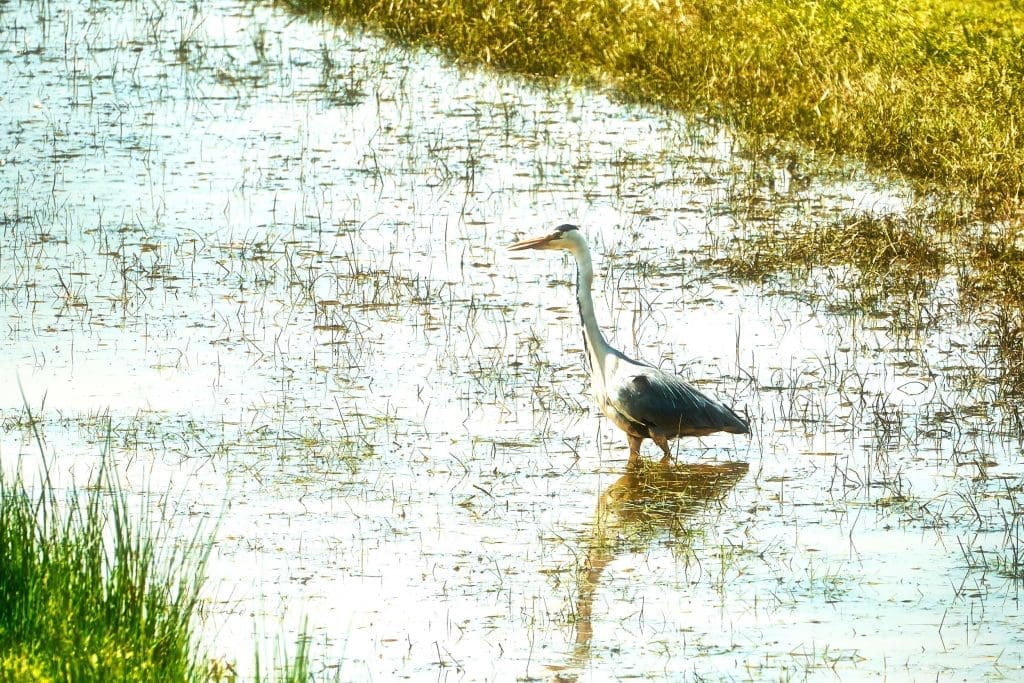
But this pond isn’t just a home for breeding Lapwings – it’s a neighbourhood of birds all bustling about their everyday lives, completely oblivious to their enraptured human audience. A Grey Heron stands stock-still in the shallows, waiting for an unlucky fish to brush its leg; a pair of Canada Geese engage in a loud domestic dispute while a dozen swimming goslings look on; a Redshank steps daintily on neon-orange legs, poking about for worms in the mud.
It’s hard to believe that just over 30 years ago, this thriving wetland was rank grassland, an overgrown former farm that was no good for wetland species and no good for the wintering wildfowl that now visit in spectacular numbers.
“The ditches, which were used to drain the farmland, we now use to keep it wet,” says Anna. “It went from being poor for wetland species to being a really important place for wildlife and then for the people coming to enjoy it.” That importance has been formally recognised – this spot is a Site of Special Scientific Interest (SSSI) and is part of the Arun Valley Ramsar wetlands, Special Protection Area (SPA) for winter birds and a Special Area of Conservation (SAC).
Maintaining the wetland hasn’t been easy – Ruth herself has managed the site’s water levels through many climate change-induced dry seasons and flood events. “We can’t pump water out of the river because of pollution, so we try to hold the water we’ve got and move it around the site to keep those key wader areas wet,” explains Anna. “It doesn’t just happen. It’s a lot of work to get that habitat right for the key species we’re trying to protect.”
‘Pulborough Brooks is just such a magical place that it never ceases to uplift and inspire me’ – Claire Powell, RSPB supporter
Upon the heath
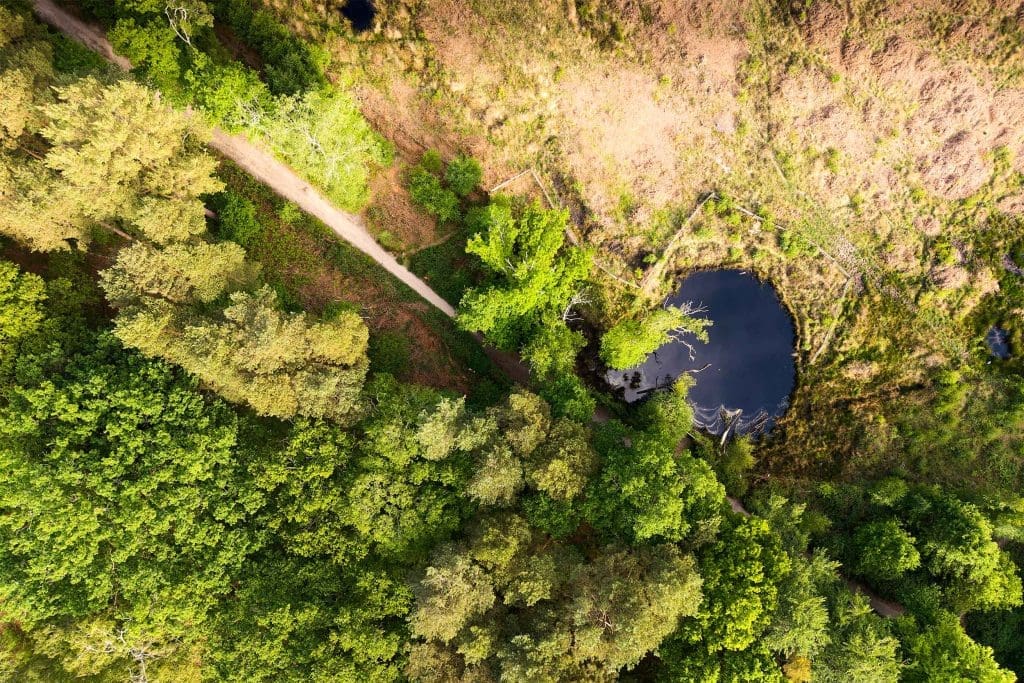
After exploring the wetland, we go back past the visitors’ centre and up to a lookout point over the newest part of the reserve: Wiggonholt Heath, created where a plantation of non-native Corsican Pines and Western Hemlocks once stood. “It was all dark and practically devoid of any kind of birdsong or life,” says Anna. But as the conifers fell, the heathland began to resurrect itself. Heather, which can lie dormant in the soil for 100 years, sprang up naturally. The wildlife began to return, including three pairs of Nightjars.
Listen to a churring Nightjar
A stretch of woodland connects the rest of the site to the heathland and ends on a hill overlooking the heath’s dragonfly filled ponds and golden, low-lying vegetation. To protect ground-nesting birds, the heathland is closed to visitors, but it can still be admired from a perimeter path that meanders around it, or from above, as we’re doing now. “We want to try and give people a chance to see some of the wildlife,” explains Ruth, “but it’s a balancing act.” We stand in the shade viewing the expanse of scrub, punctuated by sparkling ponds and a few soaring pines, through a frame of gently drooping tree branches.
After admiring the view, we wind our way back to the visitors’ centre. I’m now acutely aware of my heavily pregnant belly, and I can’t believe I’ve managed to trek through woodland to wetland to heathland and back again. But despite my tiredness, I feel energised. It’s hard not to be when you’re surrounded by so much life and by people with so much passion for nature.

Visit a reserve
Whether you want to write poetry inspired by nature, enjoy a walk with an expert guide, go pond-dipping with the family, RSPB nature reserves have something on offer for everyone. Covering the length and breadth of the country, the RSPB’s nature reserves are a great place to visit all year round and make some memories.
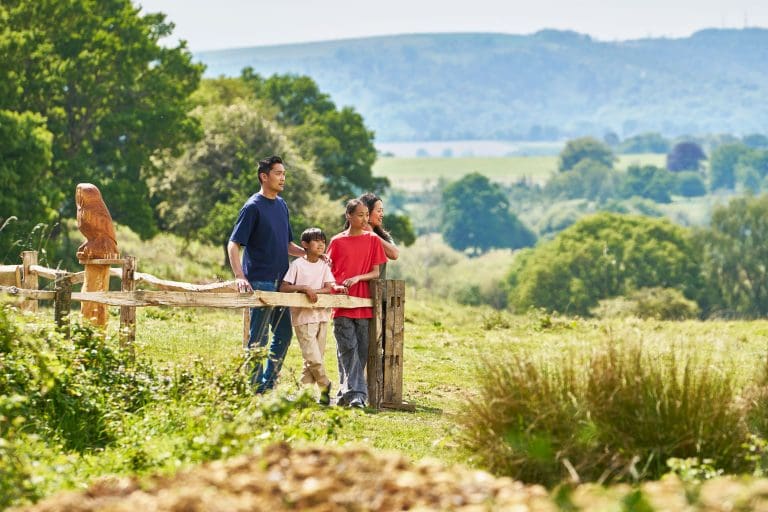
Explore nature reserves such as Pulborough Brooks with a family membership. Photo: Our Media Studio
You might also like
Mud matters

Fields of change: who can be a farmer?