When communities come together for nature, remarkable things happen. RSPB local groups have raised over £25 million for conservation since 1969 and have also helped many struggling species find a foothold in their local communities.
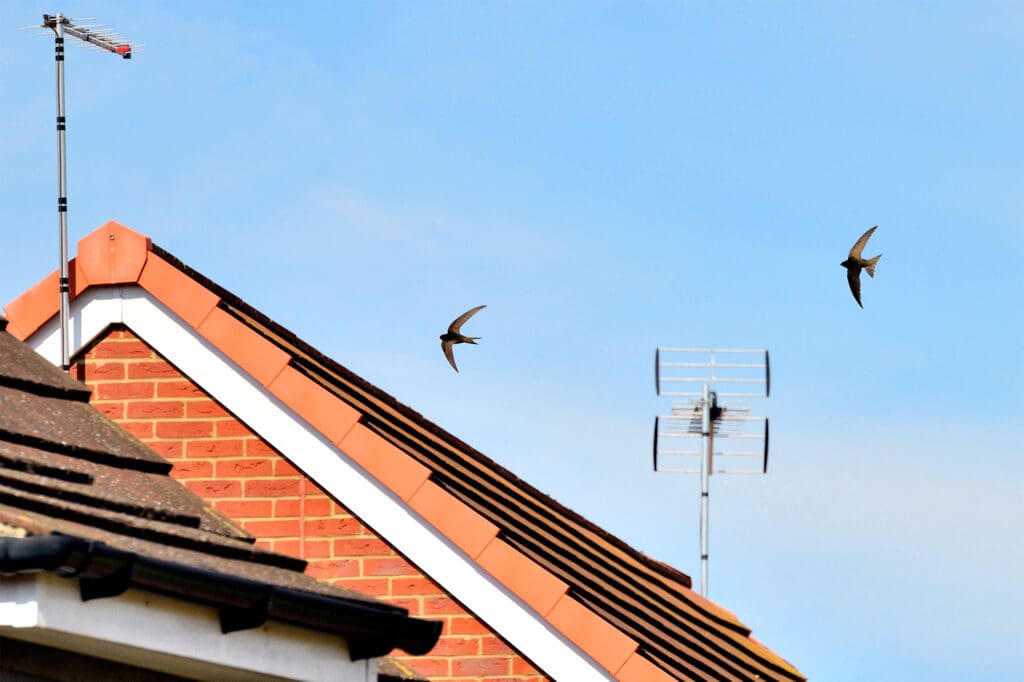
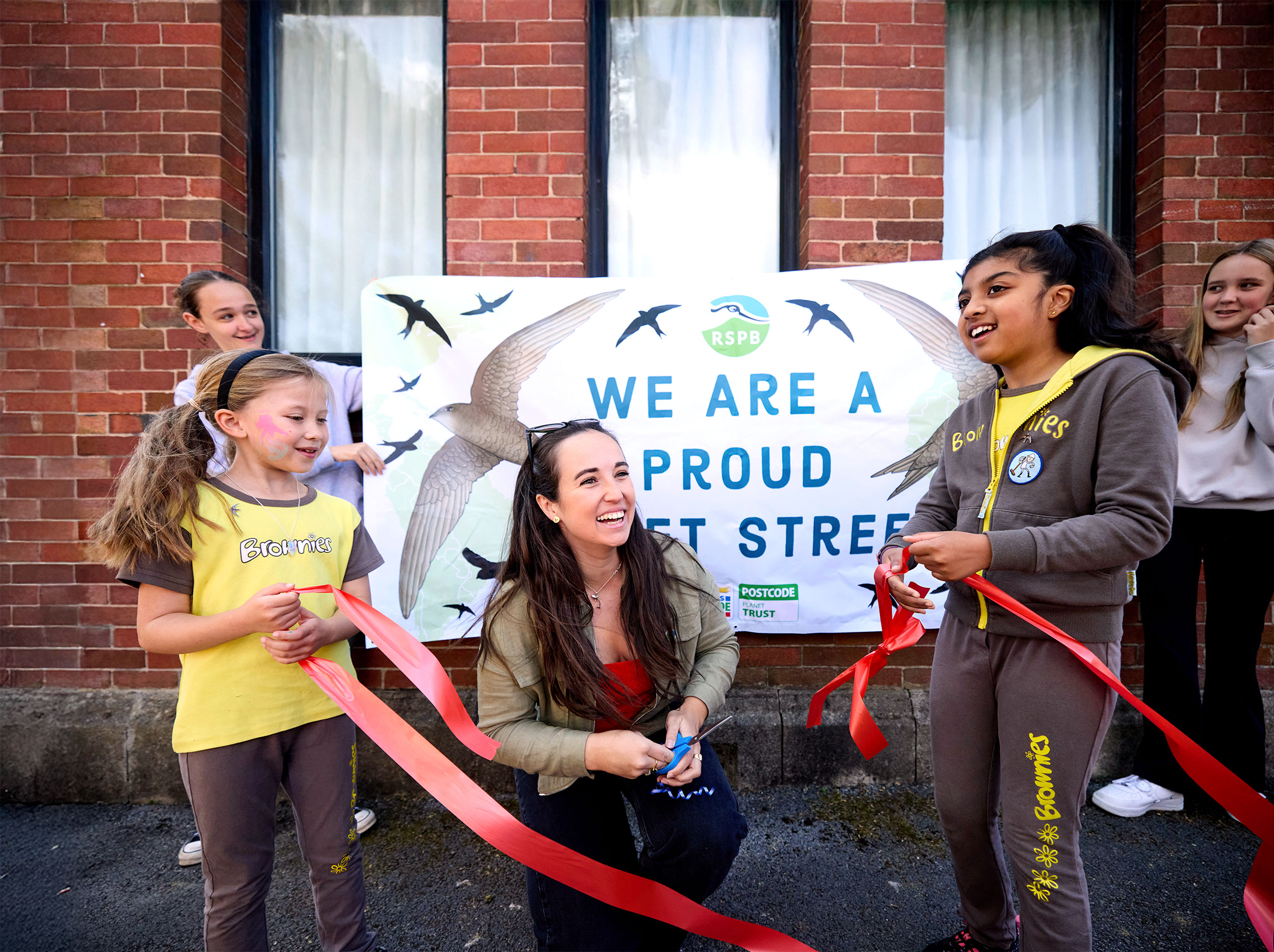
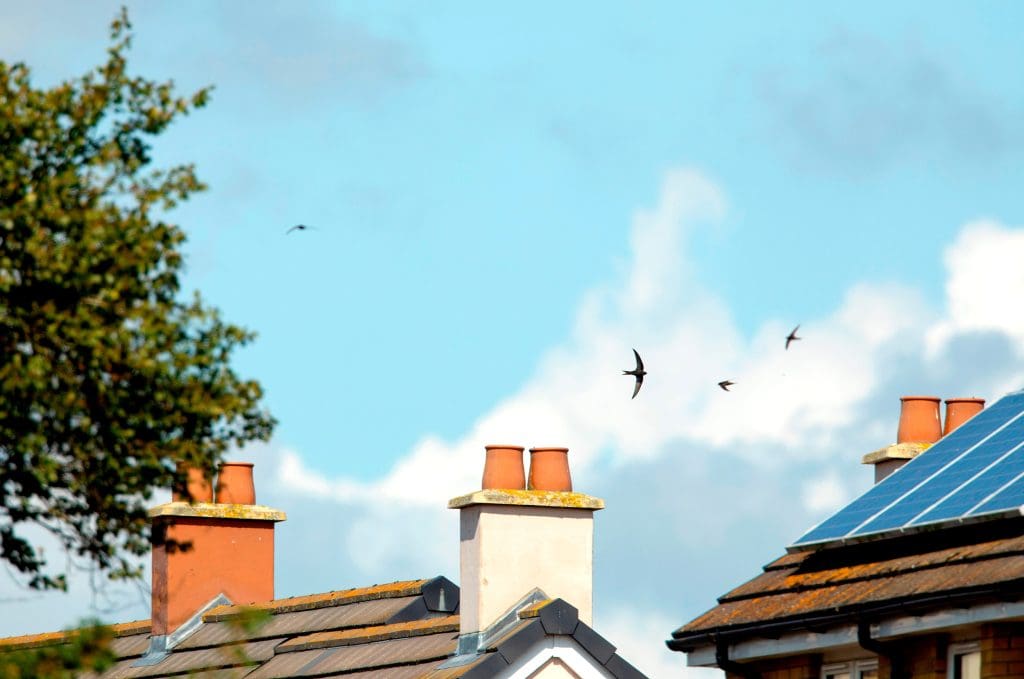
Few sights rival Swifts gliding across our summer skies, their calls echoing between buildings. But as nest sites in older buildings disappear, these Red-listed visitors have suffered serious declines. RSPB local groups are stepping up to raise awareness of these iconic birds.
Listen to the Swift call, a familiar sound of summer
Patrik Ãberg (xeno-canto)
In Bromley, Swift champion Nick Davey has spent five years working with developers and the local council to make Swift bricks a requirement in new developments. “One of my most pleasing results,” says Nick, “was getting 10 Swift bricks installed in a high-street development.”
Northern Ireland’s Antrim group has seen growing enthusiasm for Swift conservation. With support from the Save Our Wild Isles Community Fund and a dedicated Crowdfunder, the group distributed 18 boxes last year around Parkgate and nearby areas. This year, they plan to add 63 boxes in Ballyclare and surrounding villages with help from Openreach.
“We hope to have more birds nesting across Antrim and Newtownabbey Borough than ever before,” says volunteer Michael Ingleston. The local group in Solihull has been mapping Swift nests to help identify key colonies. “Last year’s survey showed two nesting colonies in Shirley and another two in Knowle,” explains volunteer Sophie Curtis.
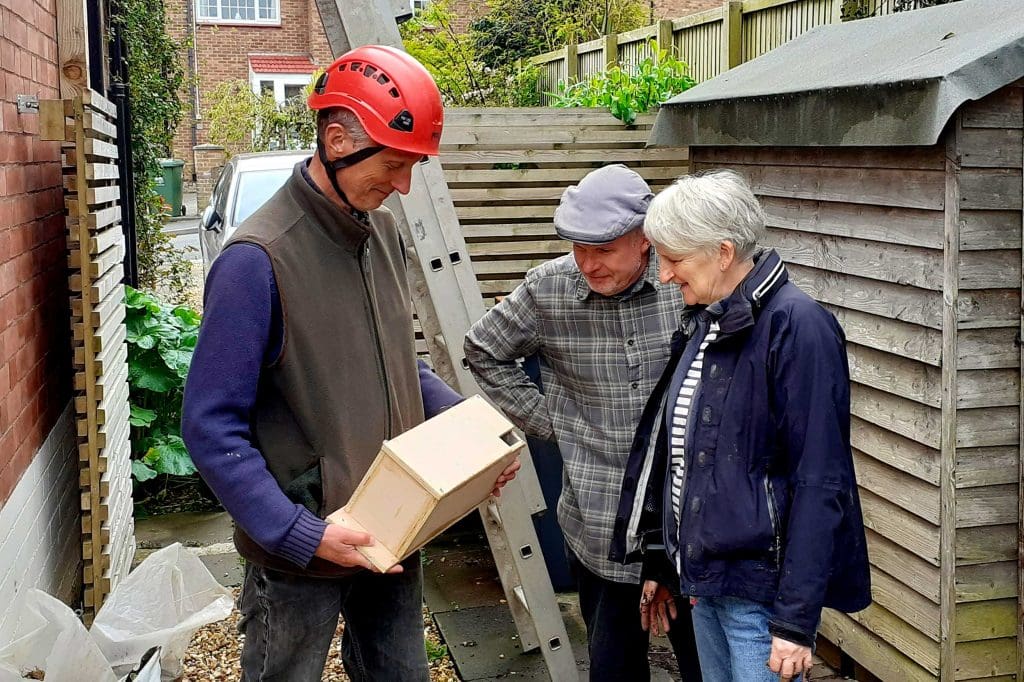
Over the past 20 months, the RSPB has also been running a major Swift box project funded through the Aviva Community Fund and other corporate donations. So far, around 175 Swift boxes have been erected across the region. This effort isn’t just about numbers – we’ve also engaged with local councils, landowners and businesses, encouraging them to fund and install boxes on their premises. These additional installations help expand nest-site availability, especially in urban areas where Swifts struggle to find nesting crevices. Learn more about Swifts.
‘We hope to have more birds nesting across Antrim and Newtownabbey Borough than ever before’
Swifts are under severe pressure in the UK, largely due to the loss of traditional nesting sites in buildings. The RSPB’s Species Volunteer Network supports community-led Swift box projects, helping volunteers identify suitable locations and coordinate installation. Our project contributes directly to that mission – providing new nesting opportunities, raising local awareness, and fostering partnerships that extend beyond our own installations. We hope this work will help reverse Swift declines locally and serve as a model for how communities and organisations can collaborate to bring back these remarkable birds.
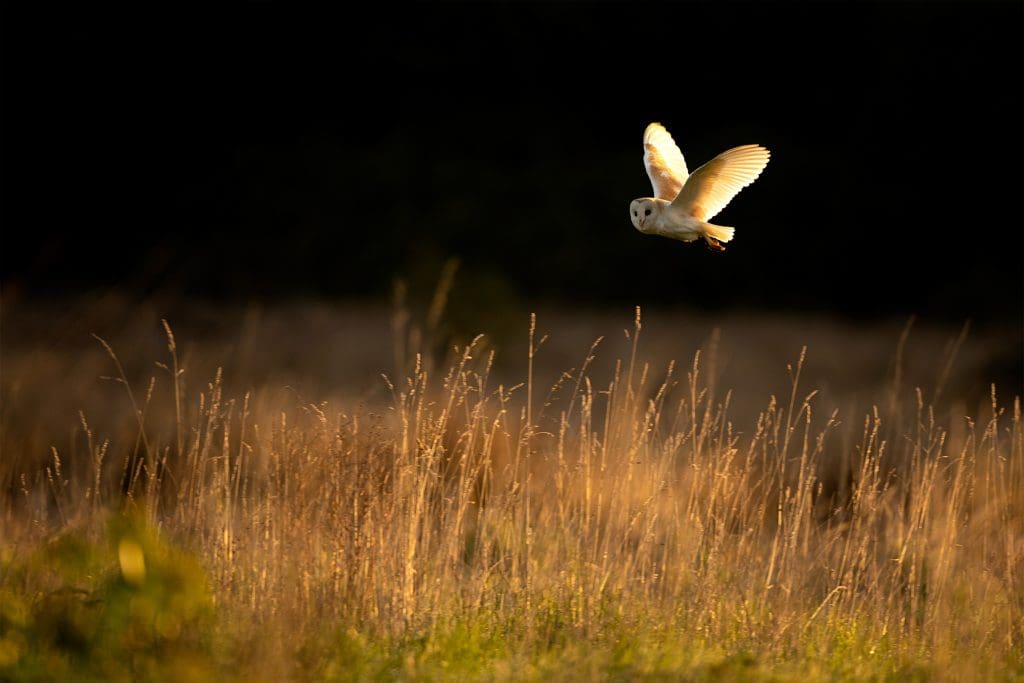
The South East Hertfordshire group has worked closely with Affinity Water since 2019, installing Swift boxes on pumping stations and other sites across Hertfordshire and Essex. Under Affinity Water’s next five-year biodiversity plan, further conservation actions are planned, including support for Swifts, Swallows and martins, alongside Barn Owls.
In Worcester and Malvern, volunteer Simon Evans began leafletting his street in 2022, encouraging neighbours to install Swift nest boxes. With support from council grants and the Worcester Environmental Group, over 150 boxes have now been installed on homes, in nearby villages and on churches, many with Swift callers fitted to attract the birds.
Homes for all
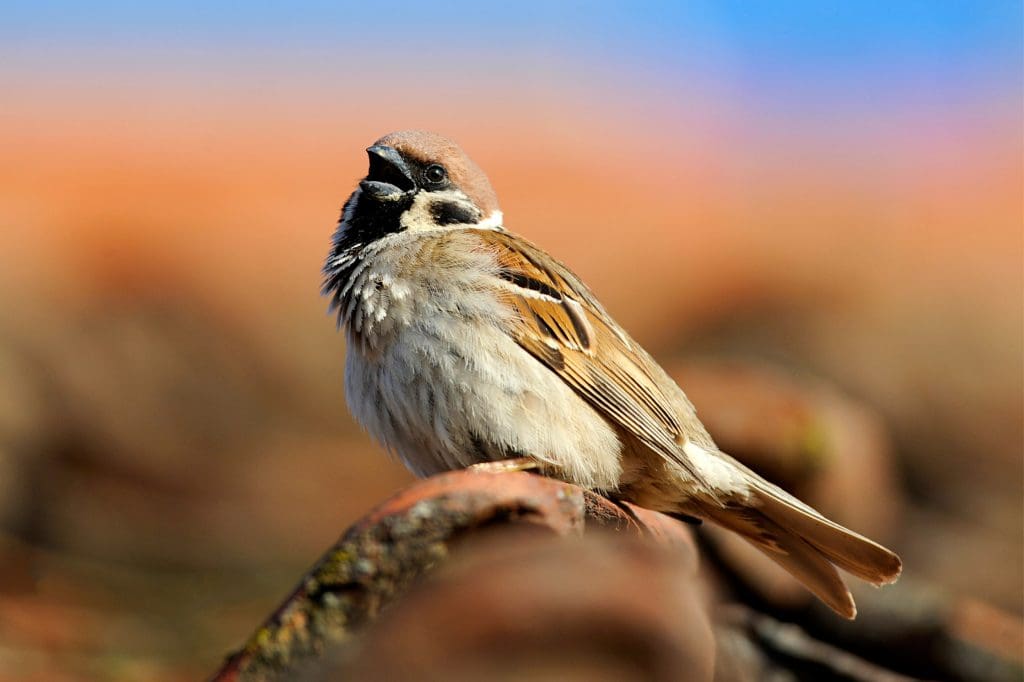
Swifts are only part of the story. Local groups support many species, often creating homes for those struggling to find them. In North Staffordshire, the group supports another Red-listed species: Tree Sparrows, which suffered a severe 93% decline between 1970 and 2008. With new nest boxes, feeding stations and careful monitoring, they’re helping more chicks fledge successfully and are hoping for a third brood this season.
In Worcester and Malvern, the group supports Sand Martins along the River Severn in partnership with the Canal and River Trust. Specially designed nest boxes have helped 400 chicks fledge in a single season. “Our local group mustered plenty of volunteers to get these heavy boxes in place,” says Simon Evans. “You really get to know people through volunteering.”
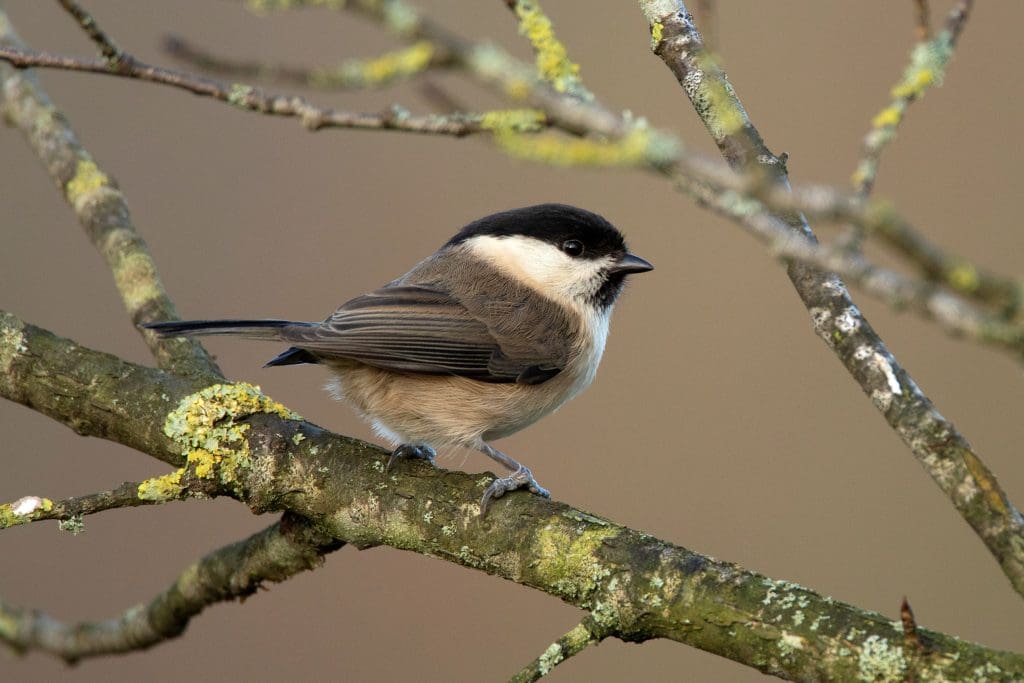
Members of the Macclesfield and Stockport groups have also been surveying Willow Tits in the Peak District. In Bristol, volunteers come together for Citizen Science Sundays, which are spent exploring green spaces and recording wildlife. These events build a picture of the city’s biodiversity and encourage people into local wild sites. Learn more about RSPB work to help Willow Tits.
In West Cumbria, the local group supports butterfly conservation, including reintroducing the Small Blue and the endangered Marsh Fritillary. Meanwhile, at Campfield Marsh, conservation work has helped bring the Marsh Fritillary back from the brink of extinction. The butterfly has not only re-established at Campfield but also naturally spread to new areas such as Swindale Valley, offering new hope for its future.
‘If you start your own project, you’ll discover many like-minded neighbours keen to get involved’
Fun, friendship and community
From wellbeing walks to organising talks and fundraising events, the activities hosted by local groups go far beyond birdwatching.
In cities, the groups help people connect with nature. Each summer, many run Peregrine Watches, giving people a chance to see birds up close. York, Lincoln, St Albans and Salisbury all host watches to protect chicks. In Liverpool, a team of volunteers work shifts to safeguard chicks and talk to the public.
The RSPB South Wiltshire group also runs Date with Nature events at Salisbury Cathedral, sharing the wonders of these birds nesting on the tower. And there is a long history of fundraising, too. Bromley raised over £350 at the Hayes Fair, selling donated plants while chatting to visitors; North West Surrey raised more than £680 with a quiz night; and wildlife cruises run by the South Lincolnshire group raise over £2,000 each year.
Work is also carried out for local heritage and education. In Croydon, volunteers unveiled a plaque in honour of one of the RSPB’s co-founders, Eliza Phillips, while the South East Essex group hosts talks for societies to inspire with the RSPB’s work. As well as educating others, local groups are being given the opportunity to help shape local decision-making on green issues, as seen when the North East Hants group was invited to an Environmental Round Table with their MP.
Bushy Park’s wellbeing walks, run by the Richmond and Twickenham group, offer a gentle way to enjoy the outdoors. “These walks are for anyone who wants to feel more connected to nature, meet new people and enjoy being outdoors,” says volunteer Debbie Williams.

Get involved. Make a difference.
Join like-minded people in your area and help nature thrive.
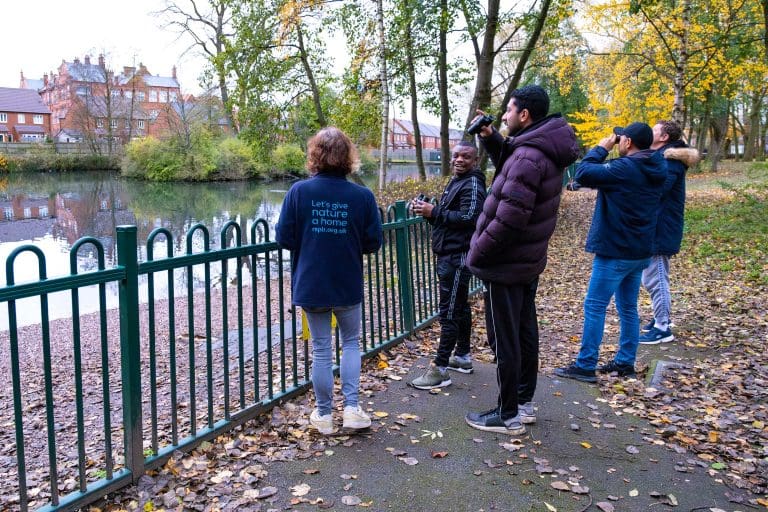
Embrace nature on your local patch. Photo: Sam Turley (rspb-images.com)
You might also like
Volunteering with the RSPB
Nature and Me