Natural remedies
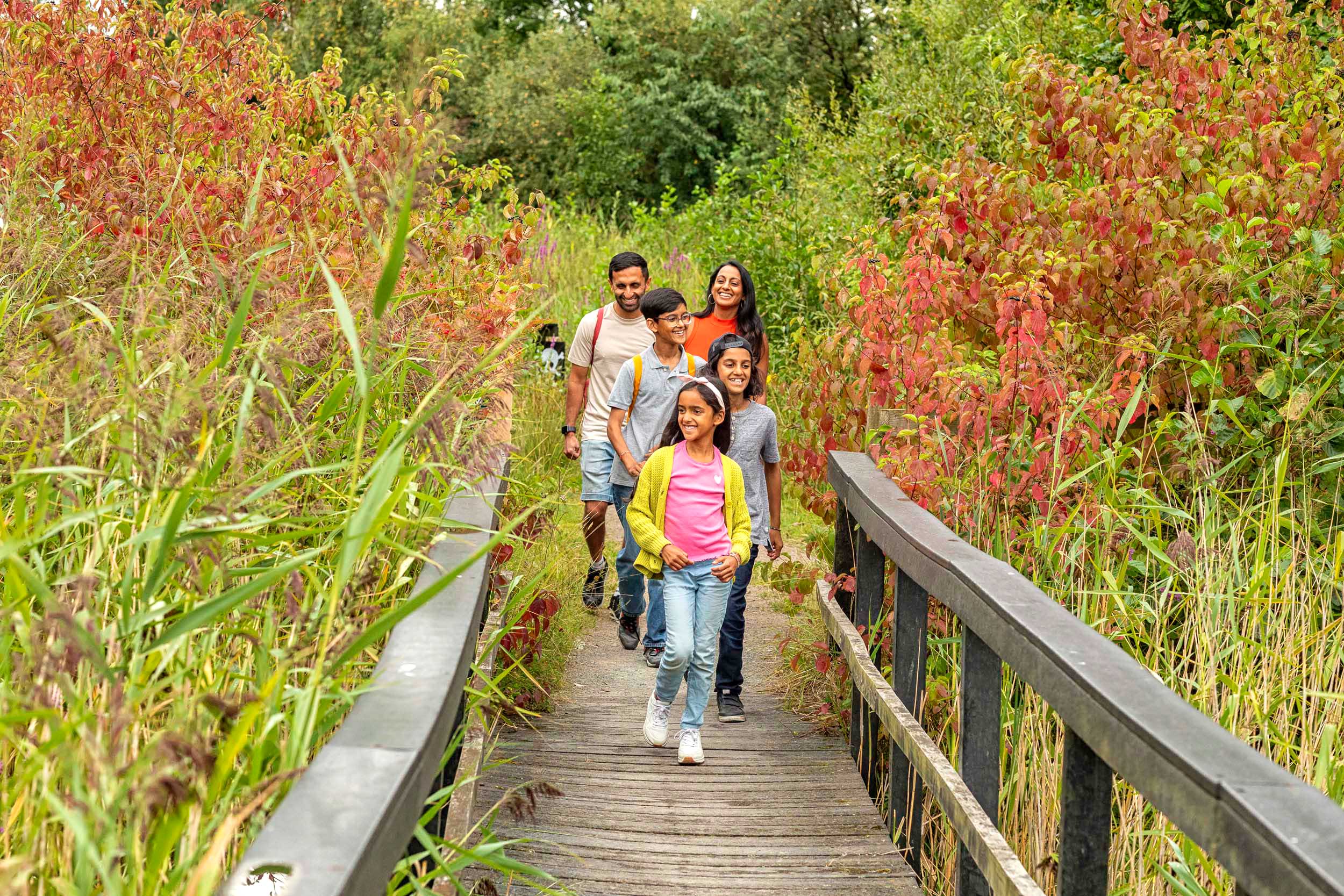
Our vision is to see both nature and people flourishing together. This inspired us to create RSPB Nature Prescriptions, designed to help people reconnect with nature as a powerful way to nurture well-being and address the growing mental health crisis.
We know that improving connections with nature can improve wellbeing, but for many reasons people can find it challenging to know how to do this. Through the Nature Prescriptions project, we train healthcare and other trusted professionals to hold a conversation about the benefits of nature with the people they support.
The concept was trialled in Scotland, where 74% of patients reported that they benefited from their prescription. Since then, it’s been rolled out in more than 26 areas in England, Wales and Scotland, with more added all the time. Projects launched in 2025 focus on urban Cardiff and the West Midlands, supporting people in deprived areas.
Everyone involved receives a booklet tailored to the place they live, encouraging them to experience the joy of nature – perhaps listening for birdsong at different times of day, admiring the colours of autumn berries, or noticing spiders’ webs glistening with dew. Nature is all around us, even in the centre of a busy city, and we encourage people to notice nature wherever they live.
A growing number of healthcare providers and other professionals are being trained to deliver Nature Prescriptions – almost 1,000 to date, sharing more than 10,000 booklets. We’re also developing materials suitable for specific groups of people: for example, in October we launched our Windows to Nature booklet for those unable to leave their homes or staying in hospitals or hospices.
In December we published an Easy Read Nature Prescription booklet for people who prefer more visual materials. New designs will cater for children and young people and those with dementia. An audio version is on the way, too. Find out more.
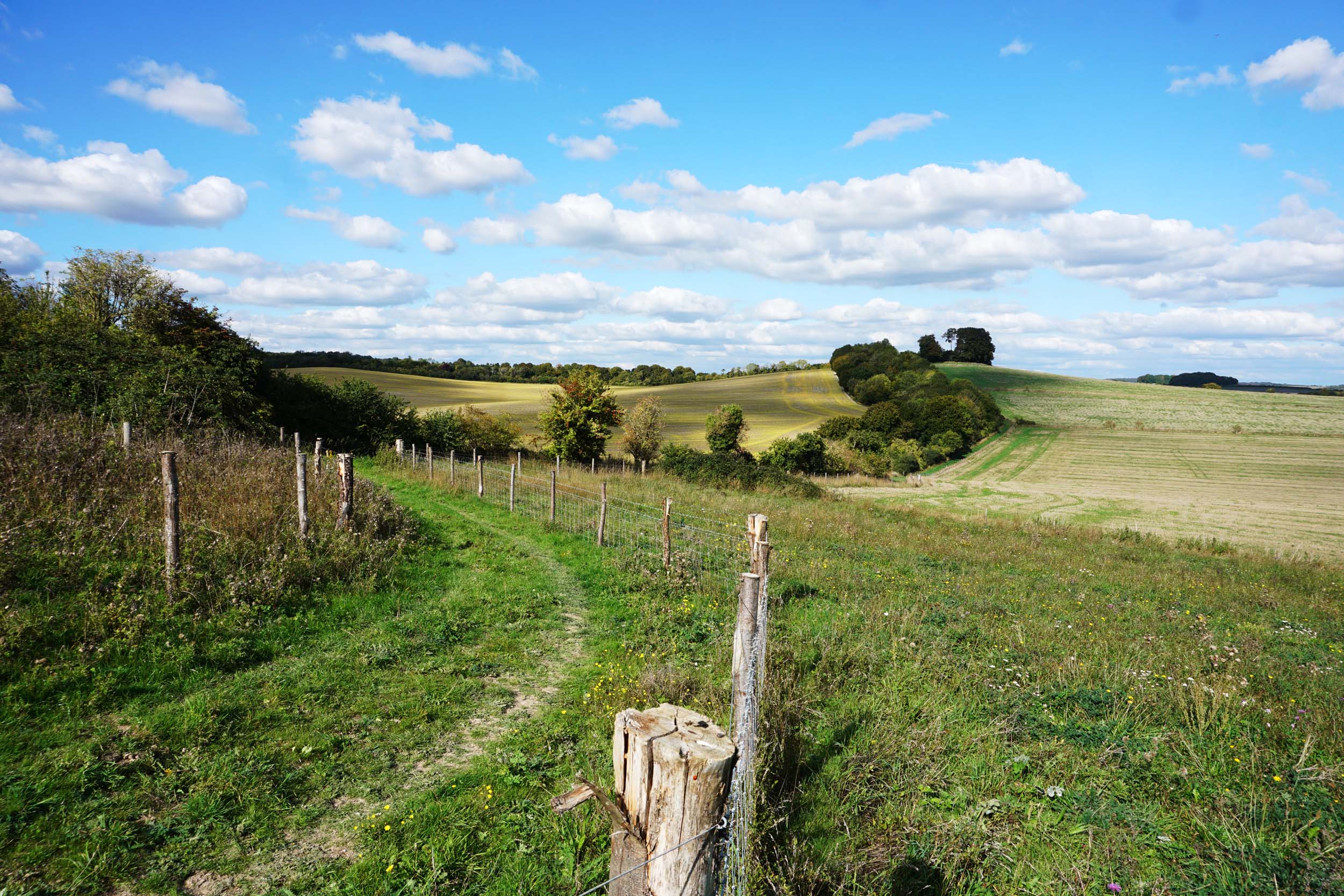
Roundbarrow Nature Reserve. Photo by Patrick Cashman.
Route by Roundbarrow
The A new bridleway east of Salisbury provides off-road foot access between the villages of Pitton and Firsdown, and views across the burgeoning RSPB Roundbarrow nature reserve, which it flanks.
This 120ha former dairy farm, owned by Wiltshire Council and let to the RSPB in May, is being restored to create biodiverse chalk grassland for the benefit of rare ground-nesting birds such as Stone-curlews and Lapwings.
Protect your garden birds
As part of the Garden Wildlife Health partnership, the RSPB is seeking solutions to the decline of the UK populations of Greenfinches and Chaffinches caused by the spread of trichomonosis. The disease, caused by a parasite, affects a number of bird species and is most likely dispersed through contaminated food and water that has come into contact with an infected bird. Our work includes testing infected sites (pictured).
The RSPB is advising everyone not to use flat feeding stations such as bird tables, window feeders or other tray-type seed feeders. Research so far suggests that these present the highest risk of disease as they can retain regurgitated food and faeces, so we have suspended the sale of these items.
The longer bird food remains in feeders, the greater the risk of disease spread. Avoid overfilling your feeders to reduce waste and prevent a build-up of food underneath feeders. Cleaning feeders and bird baths at least once a week can help limit the spread of diseases, too. The water in bird baths should be changed daily and, if your feeders have a lot of visitors, cleaning more than once a week is best.
If you see diseased birds, stop feeding for two to four weeks. Once you stop seeing sick birds, gradually start feeding again. You may need to withdraw feeding for a further two-to-four-week period if you see more sick birds, or three to six months if the disease persists. Look out for an update in the next issue of The RSPB Magazine. And find further information on this issue here.
Find the latest advice, and report sick or dead garden birds.
The Garden Wildlife Health project is a partnership between the Zoological Society of London (ZSL), the British Trust for Ornithology (BTO), Froglife, and the RSPB. Find out how you can help keep the birds in your garden healthy.
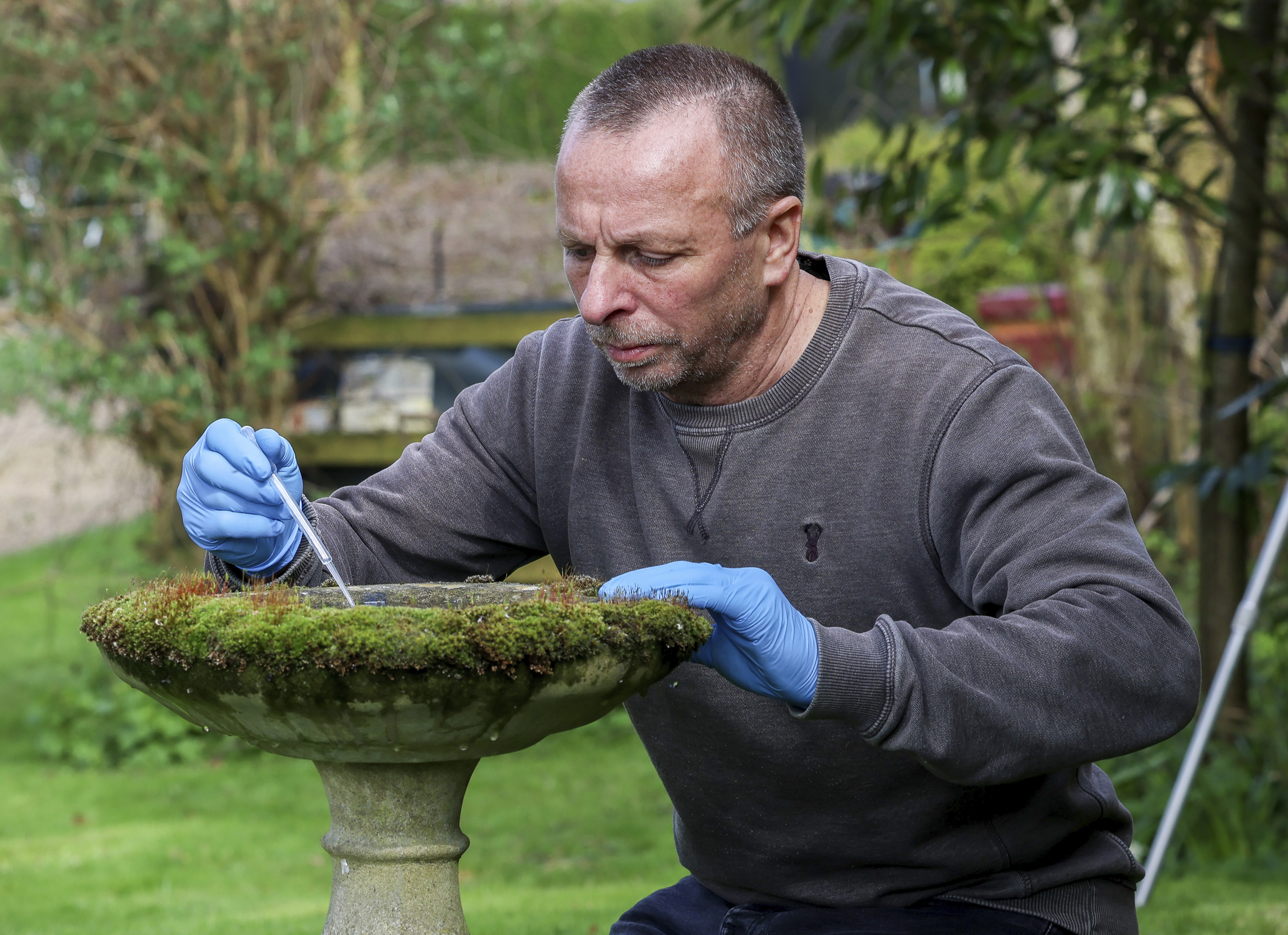
The RSPB’s job includes testing infected sites. Photo by Peter Medlicott.
Soaring on screen
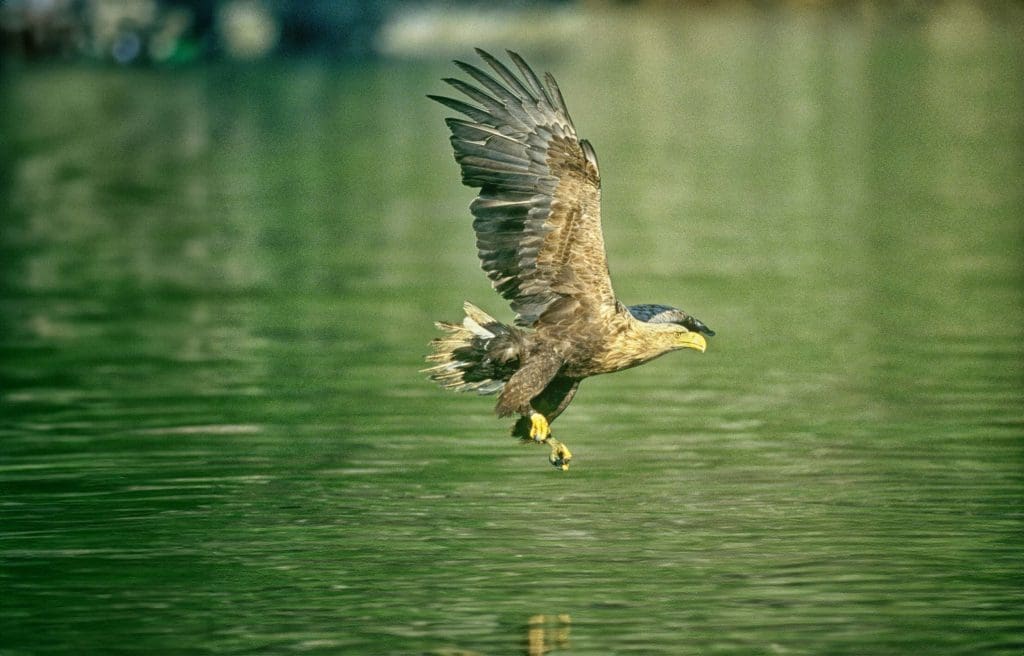
A powerful new film created by the RSPB celebrates 50 years of the successful reintroduction of White-tailed Eagles to the UK. Our largest bird of prey went extinct here in 1918, when the last wild individual was shot in Shetland. Following an attempt to re-establish a population on Fair Isle by then RSPB Scotland Director George Waterston and reintroduction champion Roy Dennis, the main phase of the project was launched in 1975 with translocations from Norway to the Isle of Rùm. Breeding populations have now taken root in Scotland, Ireland and southern England.
The half-hour film, Return, celebrates both the species’ revival here and the human connections it inspires. Accompanied by a gorgeous soundtrack from musician Alice Boyd, it’s a moving tribute to those involved in the project.
“I’ve had the privilege of seeing those birds in the sky and on the nest, and of speaking to people who’ve dedicated their lives to them,” reflects director Percy Dean. “Now I’m connected to the sky, and the eagles, and all those people.”
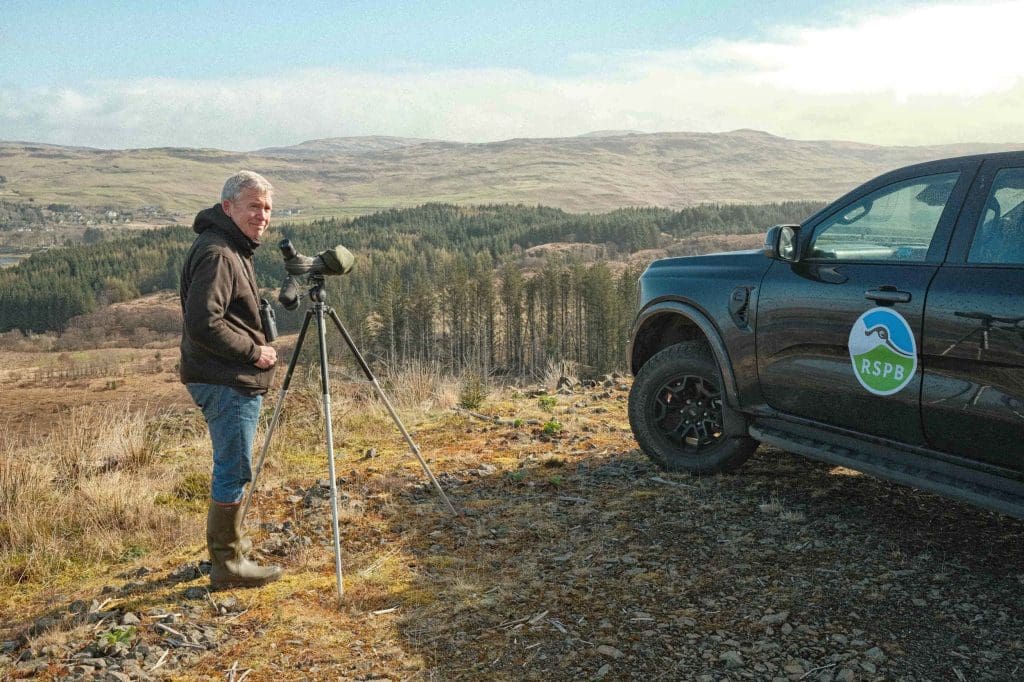
Another key figure featuring in Return is Dave Sexton (pictured), long-time RSPB Mull Officer, where he was a driving force behind the first successful breeding in 1985, he is now an RSPB Ambassador. “It’s a masterpiece of film-making, creating real emotion as well as a sense of well-being and happiness – a sense that a terrible wrong, their extinction in 1918, has been put right,” he says. Watch Return.
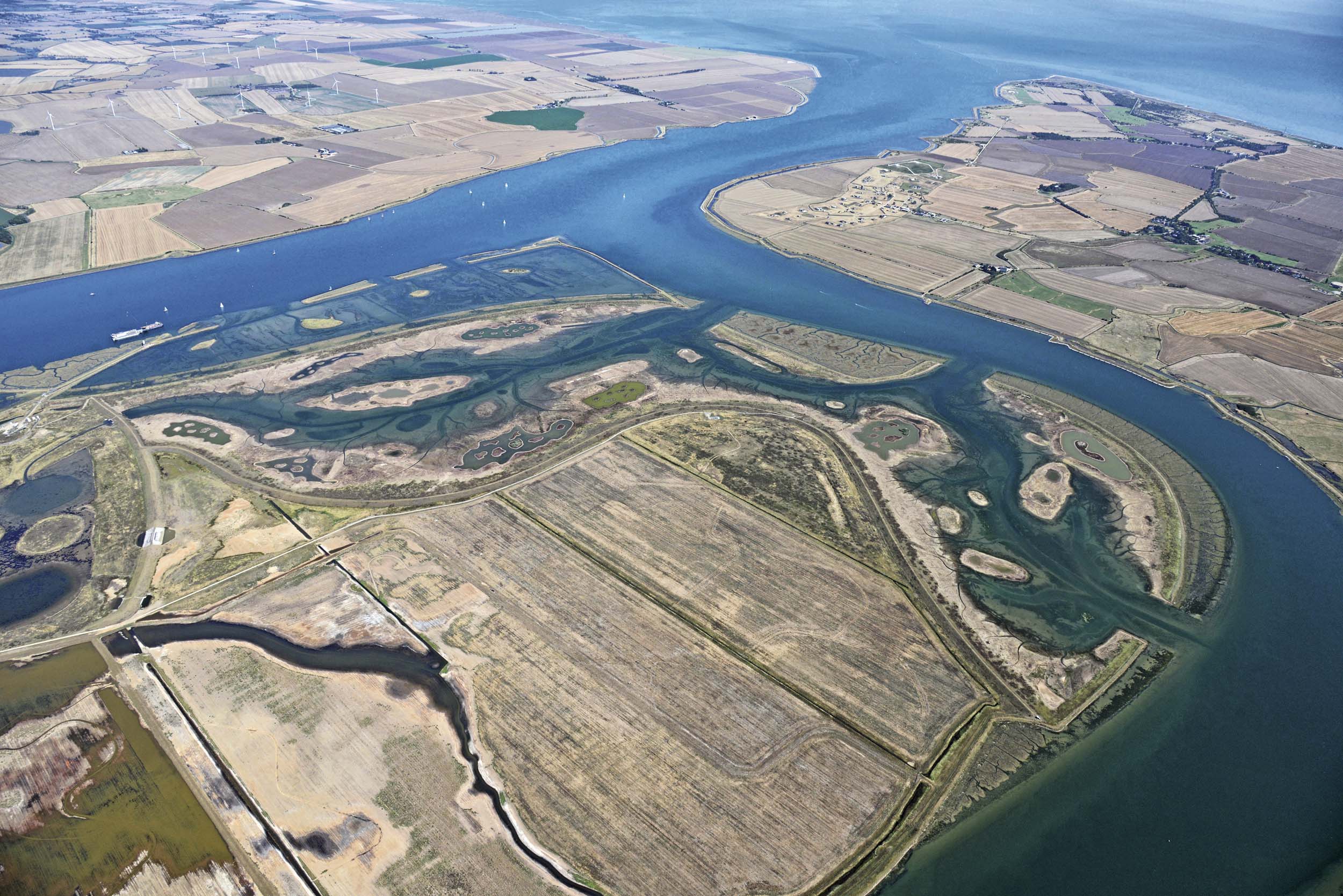
RSPB Wallasea Island at high tide. Photo: David Wootton (rspb-images.com)
Birdlife soars at Jubilee Marsh
We’re celebrating the 10th anniversary of the creation of Jubilee Marsh on RSPB Wallasea Island Nature Reserve, Essex, and the flourishing wildlife it’s welcomed. Since 2015, when sea walls were breached to let the sea back in after four centuries, bird numbers have boomed from just a handful to nearly 40,000 overwintering individuals, including Avocets, Knot and Bar-tailed Godwits. The RSPB, supported by the Environment Agency, worked with Crossrail in using over three million tonnes of soil excavated during construction of London’s Elizabeth Line to create new spaces for birds and other wildlife. This is just part of work to benefit the East Coast Atlantic Flyway for migrating, breeding and overwintering birds.
Natural talent
We’re proud to again partner with the Wainwright Prize, celebrating the best UK nature writing. The winners, announced in September, represent diverse backgrounds and subjects across six categories. This year’s Wainwright Prize Book of the Year went to Chloe Dalton for Raising Hare. “It is the story of a very special hare that I encountered when she was a leveret, and raised and lived alongside but never caged,” says Chloe. “So it’s a story of coexistence.”
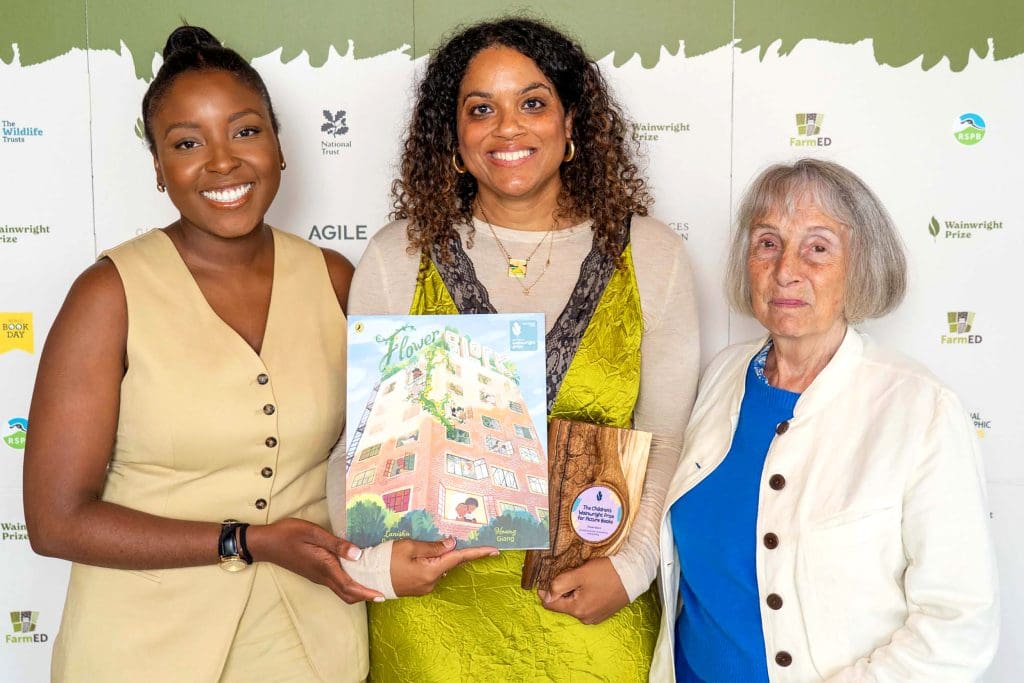
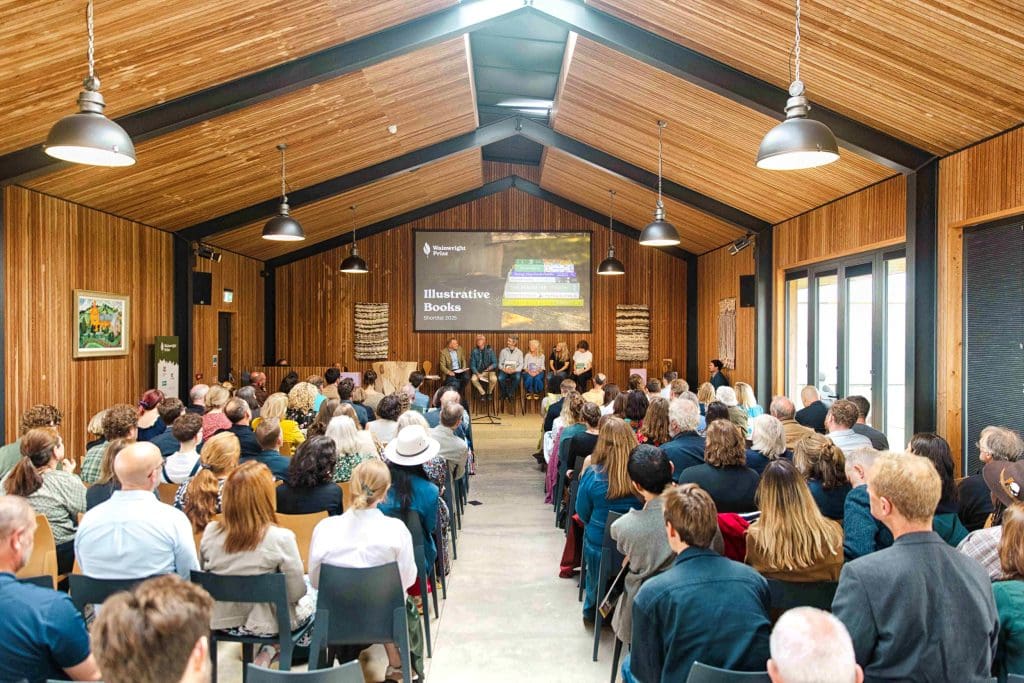
Lanisha Butterfield (pictured below) took the Children’s Wainwright Book of the Year award for Flower Block, illustrated by Hoang Giang, about a boy who plants magical sunflower seeds in his high-rise home. “If you can see it, you can be it,” says Lanisha, reflecting on the importance of diversity in nature writing. Guy Shrubsole won the Conservation Writing prize for The Lie of the Land; George Steinmetz’s Feed the Planet won for Illustrative Books; Wildlands by Brogen Murphy took the Children’s Wainwright Prize for Fiction; and the Children’s Wainwright Prize for Non-Fiction went to Secrets of Bees by Ben Hoare, illustrated by Nina Chakrabarti.
“These books are full of urgency, hope and joy,” reflects awards judge Alex Try, RSPB Director of Communications. “We’re delighted to help the authors reach more people.” Find out more about the category winners
Hen Harrier fears
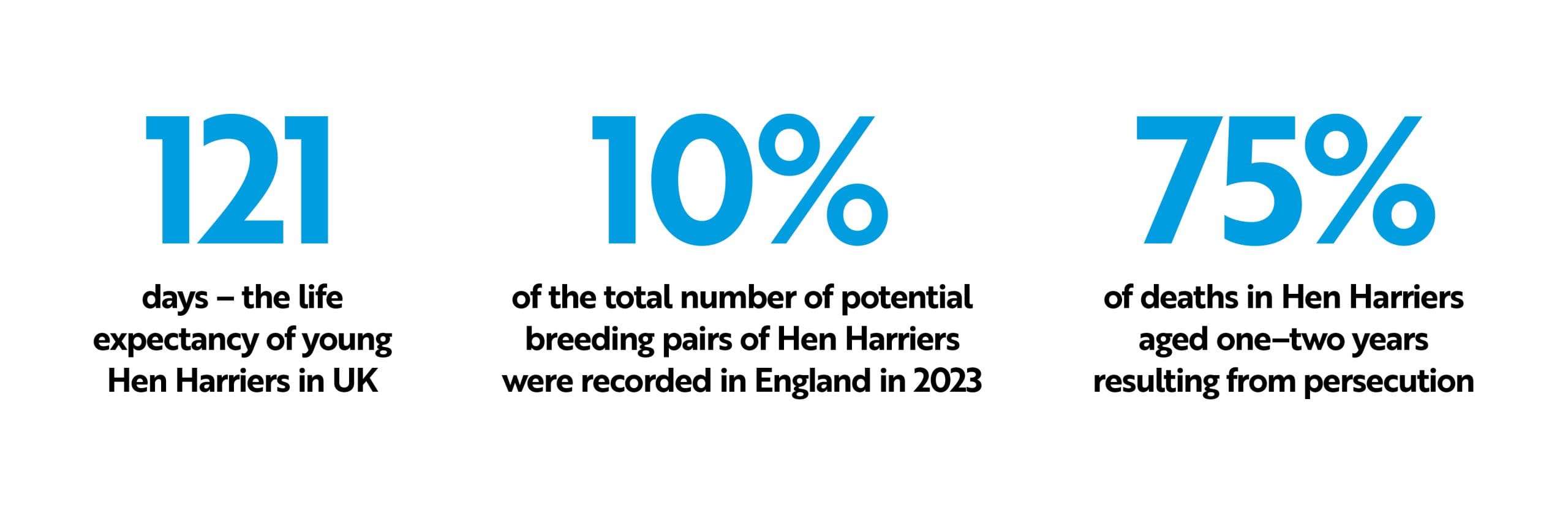
The number of Hen Harriers killed or missing in the UK has reached a horrifying new high. A new RSPB report, Hen Harriers in the Firing Line, cites 102 confirmed and suspected incidents of persecution in the UK in the years 2020–2024 alone, with 89% of those cases in northern England. Persecution is the main cause for the low population of Hen Harriers in England and Scotland. Learn more about birdcrime.
Tellingly, 112 birds fitted with satellite tags by the RSPB Investigations team and other conservation organisations suspiciously disappeared between 2010 and 2024, most sending their last transmission on or near land managed for grouse shooting. The RSPB is calling for the introduction of licensing of grouse shooting in England, in hope of deterring such crimes. Read the report.
Montagu’s Harrier breeding
A pair of Britain’s rarest breeding bird have raised four youngsters in England for the first time since 2019. This slender, medium-sized raptor migrates from winter grounds in Africa to breed in Europe. Typically nesting in agricultural fields, particularly winter-sown cereals in the UK, Montagu’s Harriers have been impacted in Europe by the changes in farming, earlier harvests and wetter summers. After a recent high of nine successful nests in 2011, UK numbers dwindled, and in 2021 the bird was placed on the UK Red List of Birds of Conservation Concern.
So the news that a pair had been seen in England in May was greeted with huge excitement. After the nest was located, with the amazing co-operation of the farmer on whose land it lay, it was monitored by a volunteer and the RSPB; when the chicks hatched, a fence was carefully installed to protect them from ground predators. The young birds made their first flights in late July. It’s hoped the adults will return to breed in 2026.
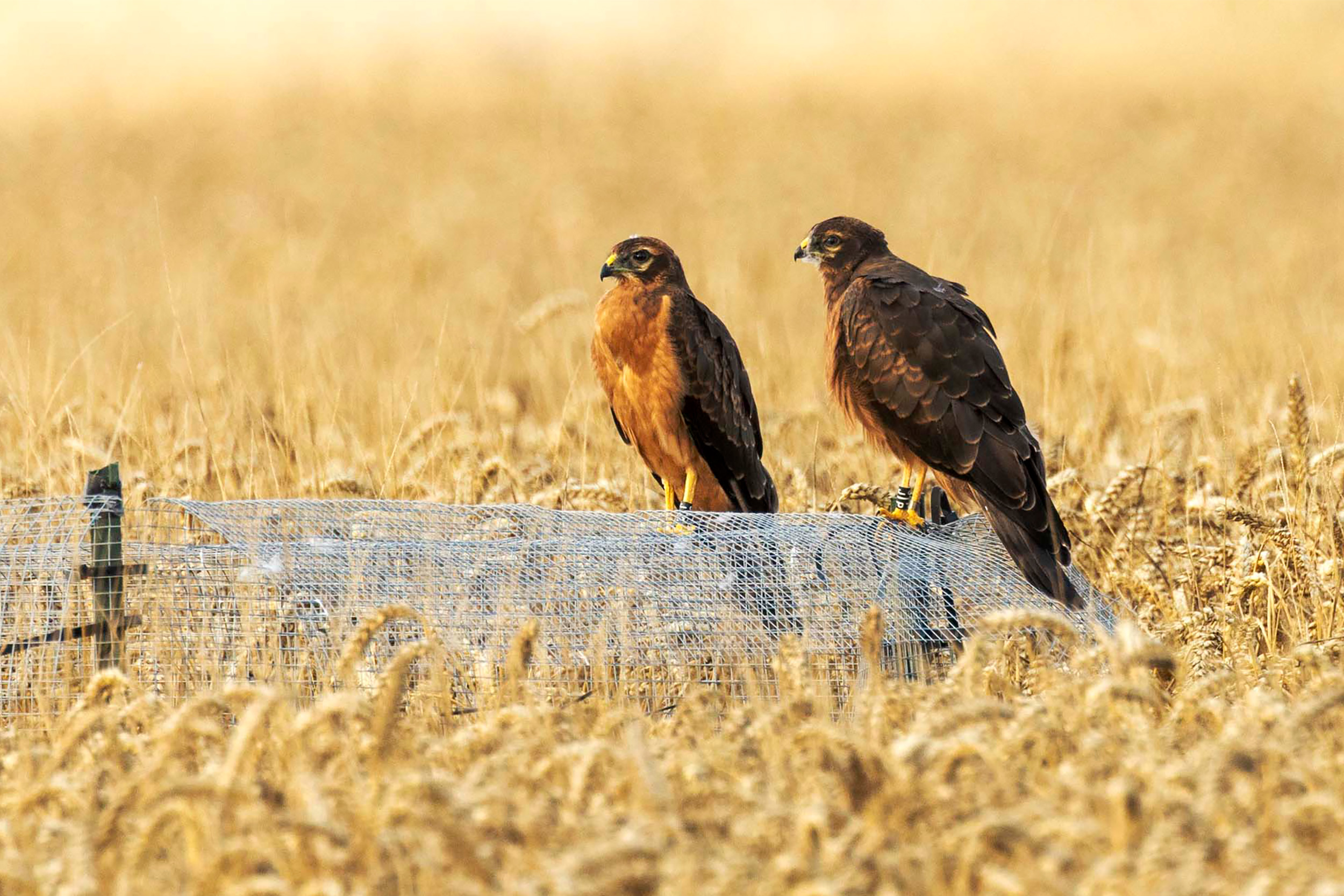
Female Montagu’s Harriers juveniles on a fence. Photo: Graham Catley.
Cheers for volunteers
In June we celebrated our fabulous volunteers with the annual RSPB President’s Awards. Roy Williams, who is 80 years old and has volunteered at RSPB Sandwell Valley for a decade, won the award for Best Urban Action for Nature for leading and helping with 102 school groups in the last three years.
Best Newcomer is Evan Williams (pictured), working with school groups in Glasgow for the Giving Nature a Home project. The residential volunteering team for LIFE Raft was named Best Team for their work eradicating non-native rats and ferrets that prey on Puffins and other birds on Rathlin Island. The Manchester Swift City project was recognised as Community Champion, while Ashleigh Thomson won Young Volunteer of the Year for her work with Wildlife Explorers Conwy. Pete Wood was celebrated for Outstanding Voluntary Action, restoring wildlife-rich reedbed at RSPB Ham Wall. And Sharon Irvine showed Outstanding Volunteer Leadership, connecting children with nature through Wildlife Explorers at Northbourne. Thank you all!
Read more about Rathlin Island and its ambitious eradication efforts to save seabirds.
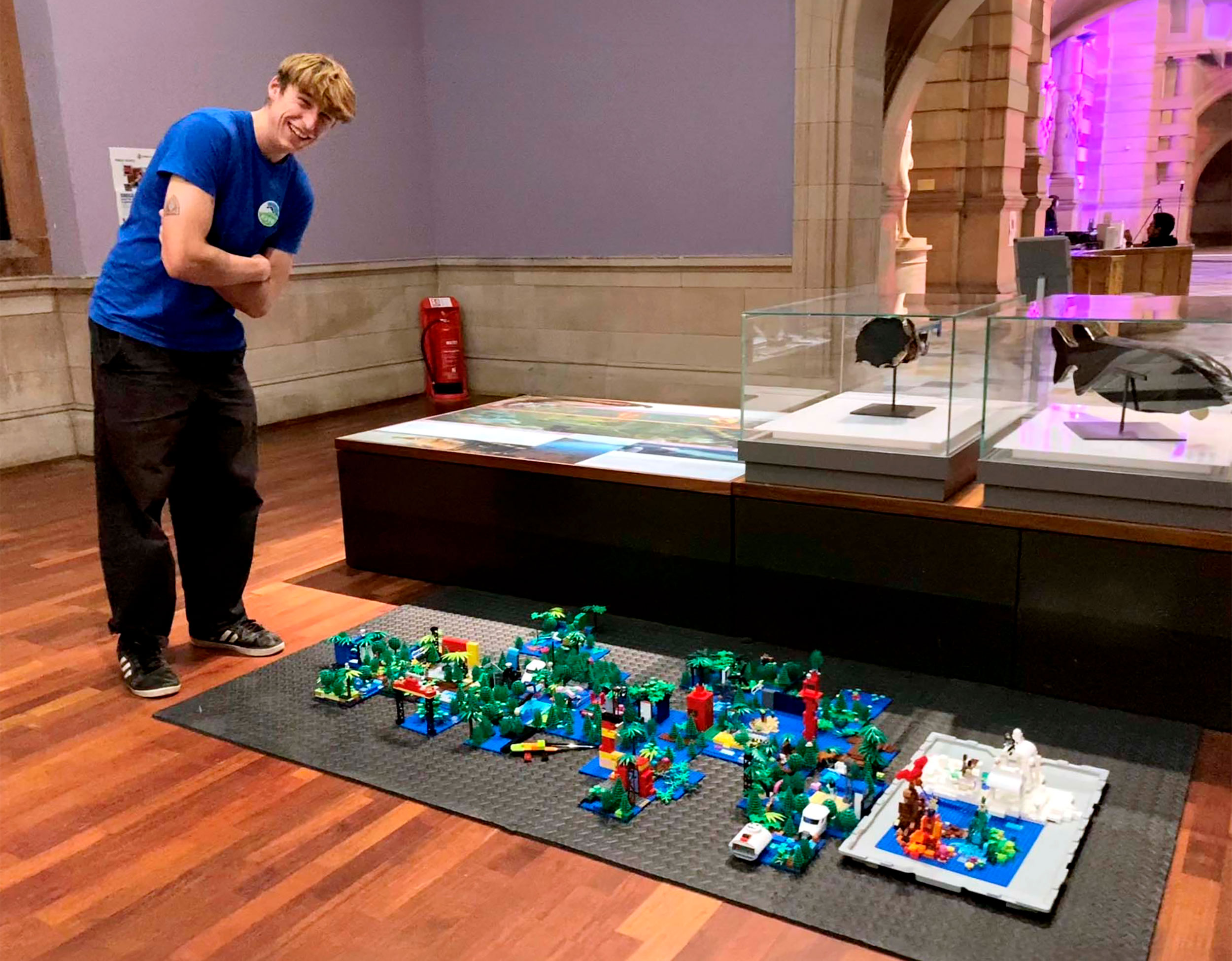
Evan Williams won Best Newcomer, working with school groups in Glasgow for the Giving Nature a Home project.
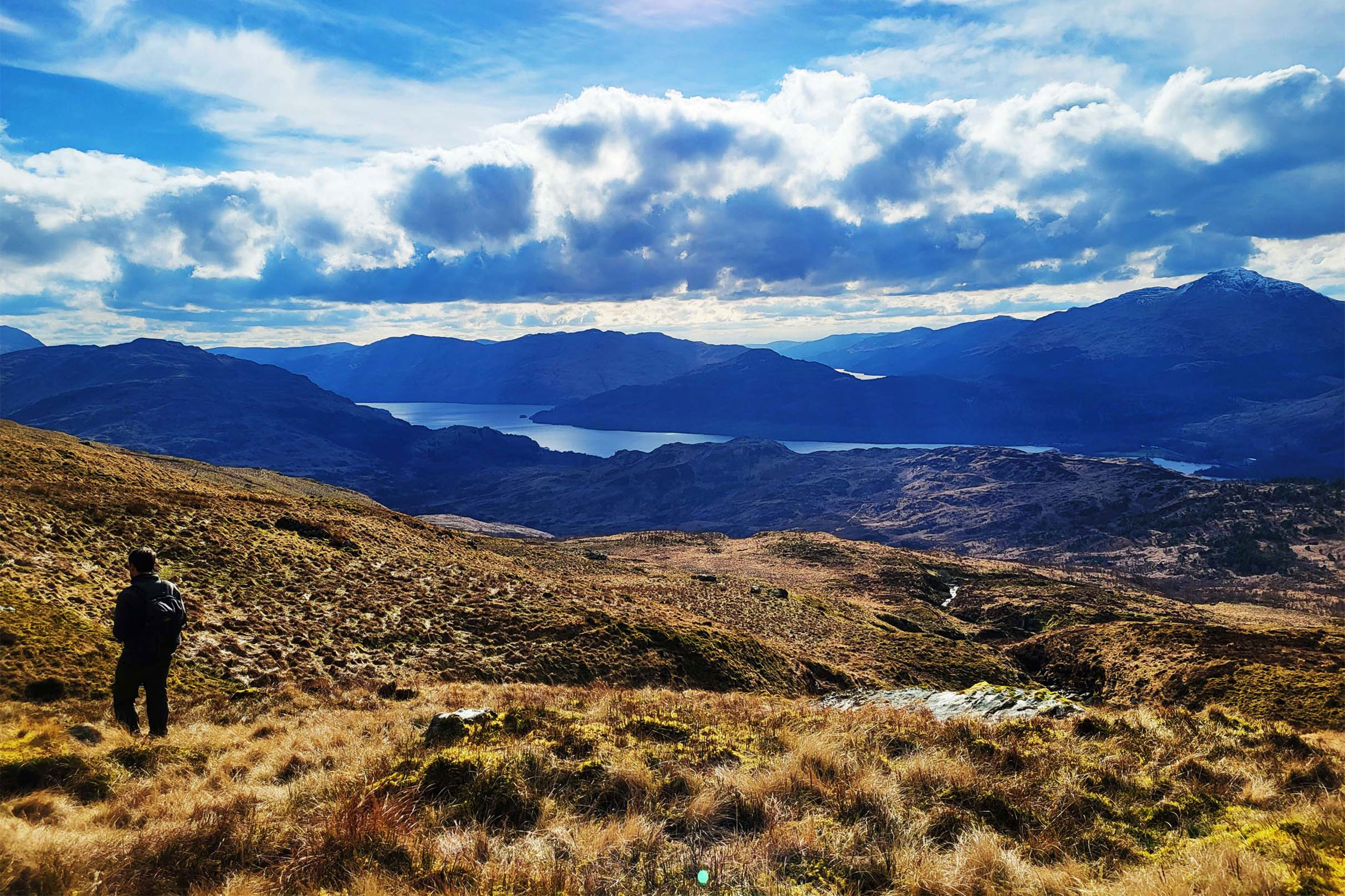
Inversnaid Nature Reserve. Photo: Seonaid Mason.
Biodiversity boost at Inversnaid
An ambitious 10-year project to restore 218ha of upland acid grassland at the RSPB’s Inversnaid nature reserve will benefit native wildlife including Black Grouse and Golden Eagles. Funded by SSEN (Scottish and Southern Electricity Networks) Transmission, work will involve the removal of invasive non-native rhododendron and Sitka Spruce; managing wild herbivores to prevent overgrazing; and using advanced monitoring technologies to measure biodiversity progress.
The project, linked to SSEN Transmission’s refurbishment of the Sloy-Windyhill overhead power line, provides a great example of how renewable energy development can leave a positive legacy and protect biodiversity.
Great White hopes
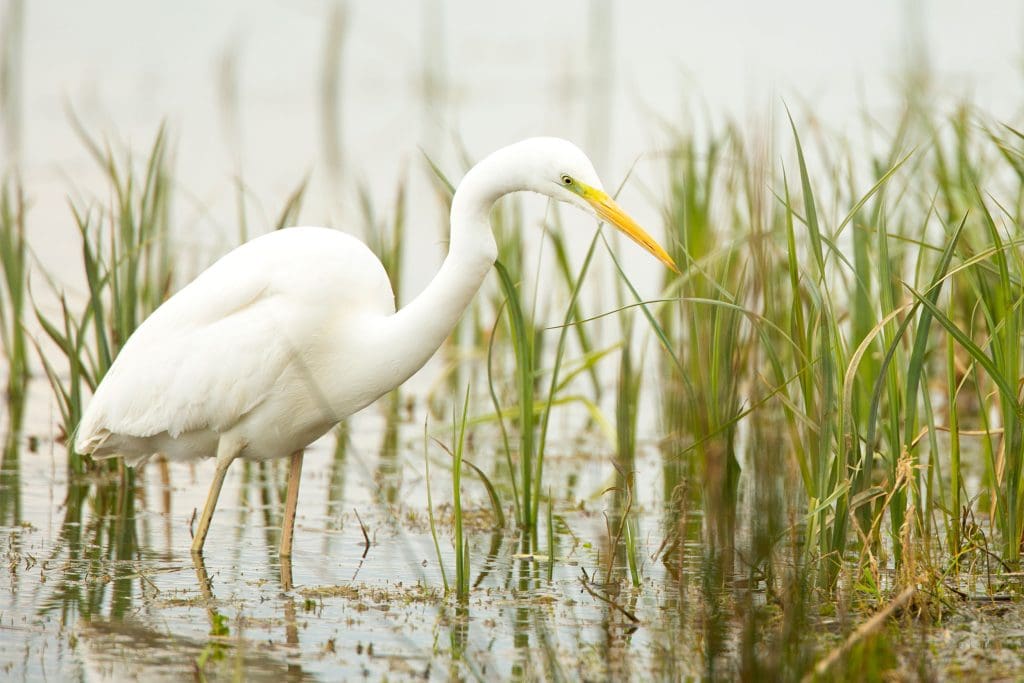
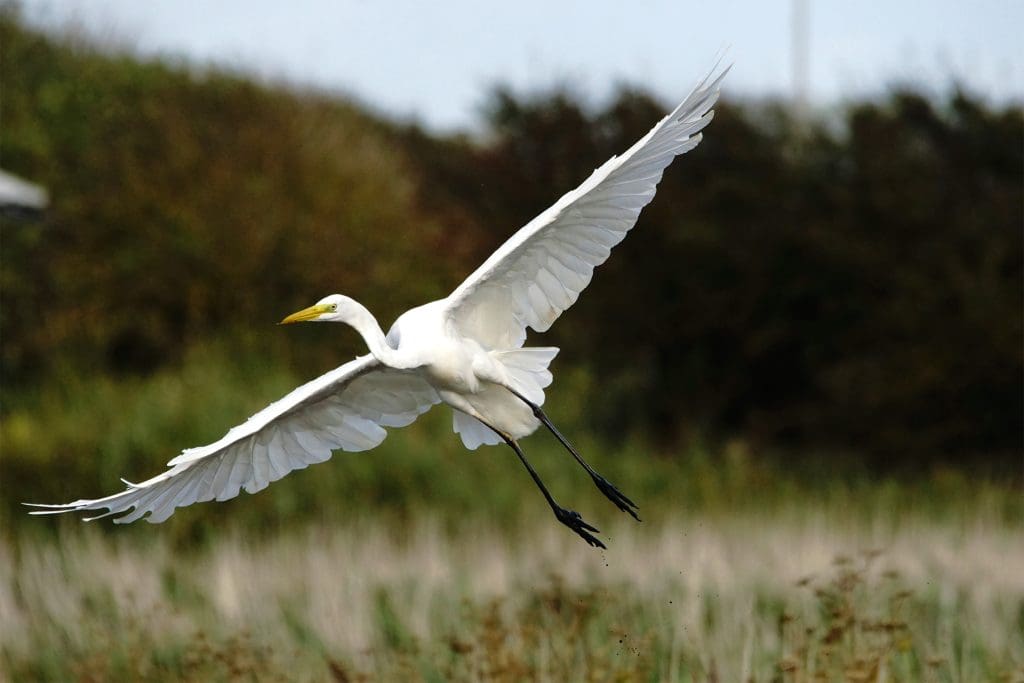
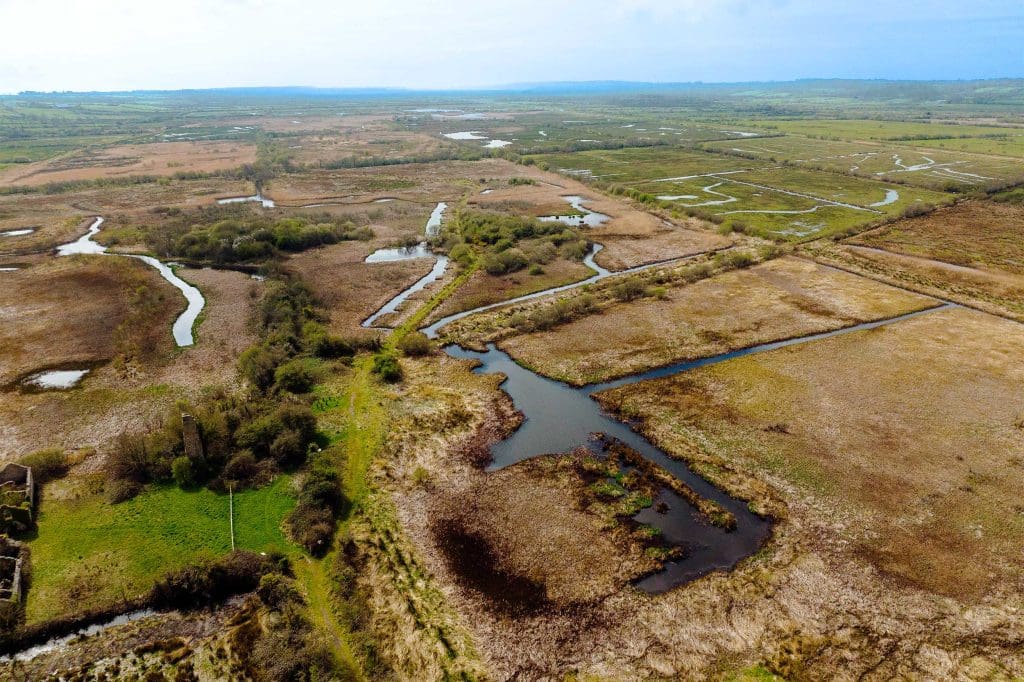
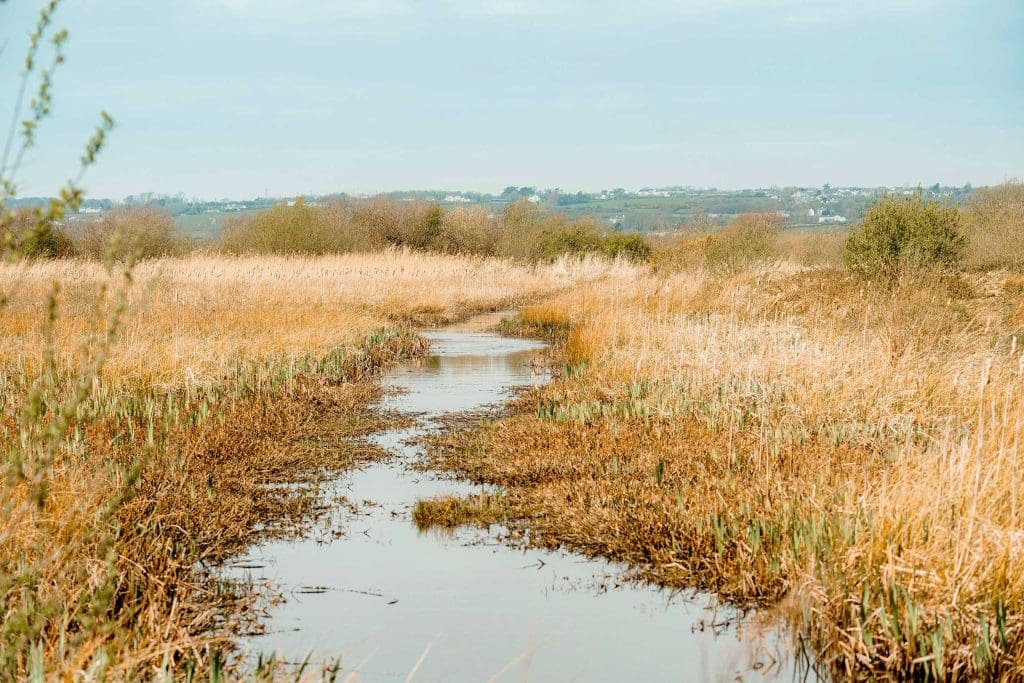
Four Great White Egret chicks have fledged from two different pairs at RSPB Cors Ddyga on Ynys Môn – a first for Wales. “We are so pleased that the work to create wetlands for Bitterns and breeding waders has provided a place for other wildlife to move into as they adjust to our changing climate,” said Site Manager Ian Hawkins. Great White Egrets also bred for a second year running at RSPB Loch of Strathbeg in Scotland.
Atlantic achievements
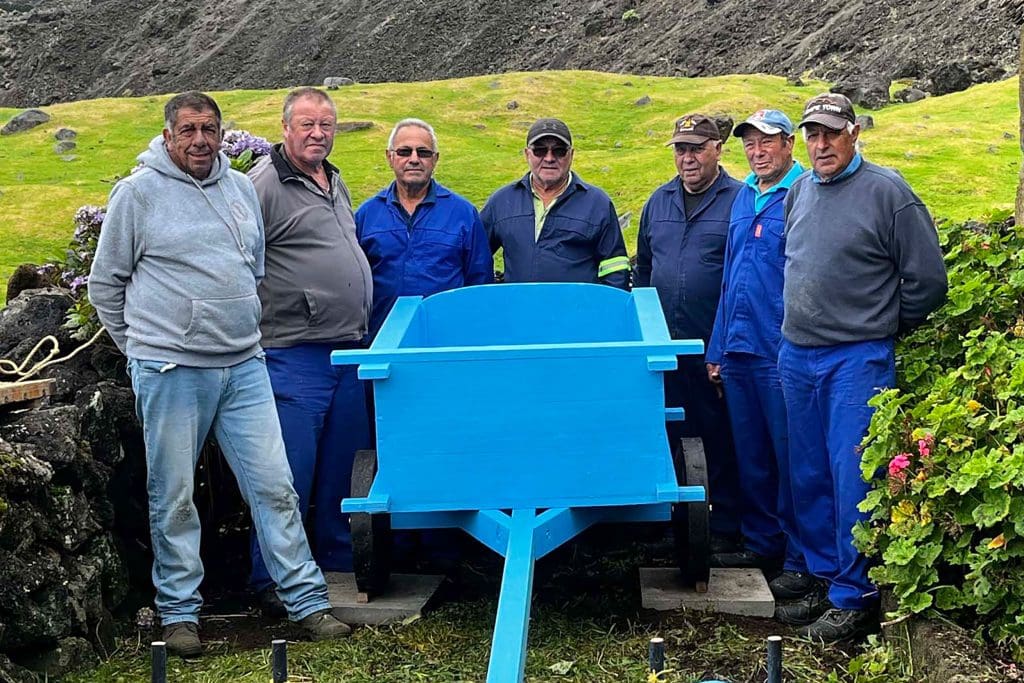
We’re celebrating a host of impressive successes on Tristan da Cunha and surrounding waters through a groundbreaking four-year project ending in December.
Atlantic Guardians, developed by the RSPB and the Tristan Government, and funded by Blue Nature Alliance, launched in August 2021 when the South Atlantic UK Overseas Territory established a vast new Marine Protection Zone. Determined to safeguard their pristine seas and ensure a sustainable fishery, the Tristanian community worked to expand wildlife knowledge, develop skills in marine conservation, nurture a love of the ocean and build global awareness of this remote volcanic archipelago and its natural riches.
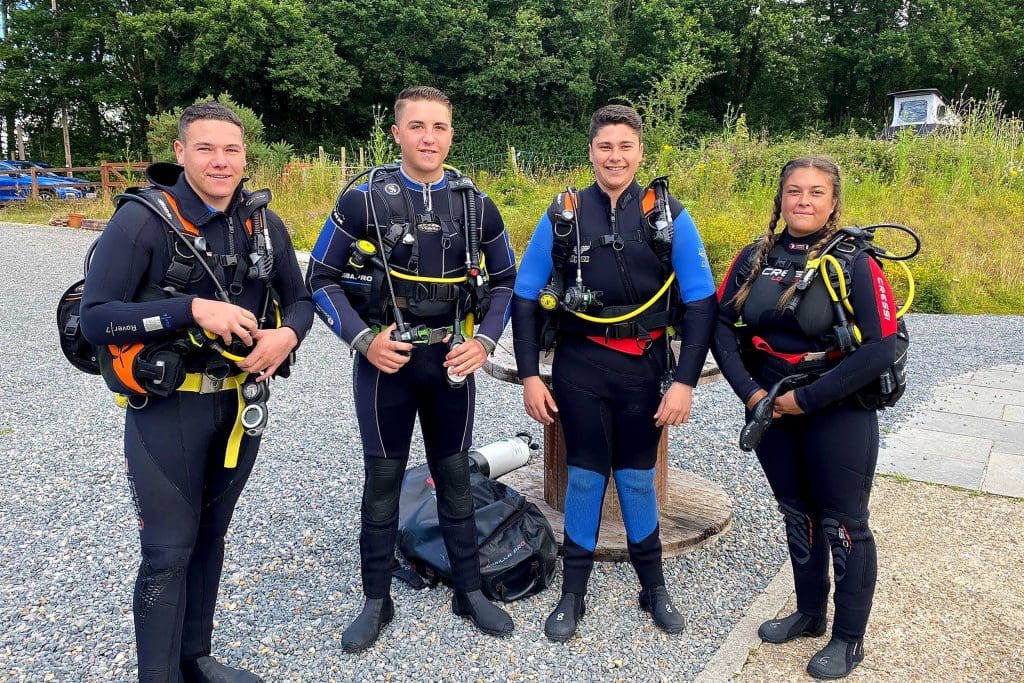
Just a few examples of these efforts include satellite-tagging Blue Sharks, placing acoustic recorders in the ocean to monitor cetaceans, and setting baited cameras to spot passing wildlife – including footage of a juvenile Blue Shark, suggesting an internationally important nursery in Tristan’s waters. Four young school leavers visited South Africa and the UK for specialist conservation training, and Janine Lavarello became the archipelago’s first Marine Protection Zone Officer.
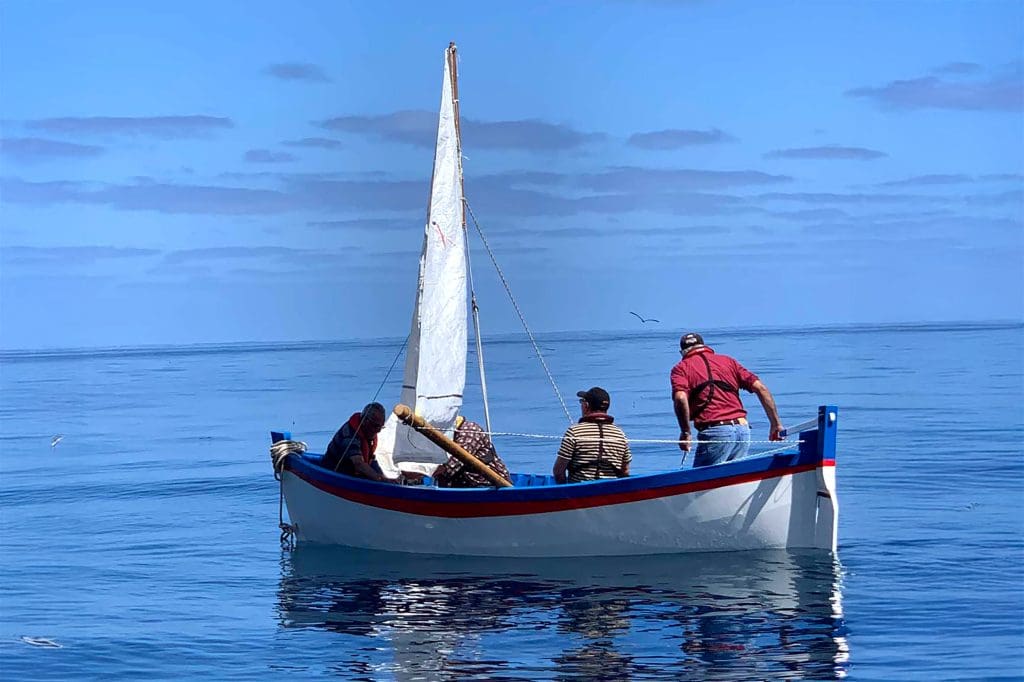
A revaluation of Tristan’s lobster fishery raised vital income, and the creation of various community events and facilities – from a South Atlantic schools’ network to the construction of a traditional longboat and a new fishing shed – celebrates this UKOT’s heritage and improves daily lives. Find out more.

Cornish Chough success
For the third year in a row, Cornish Choughs have raised more than 100 young. In fact, 129 Choughlets fledged from 48 breeding pairs, up from 114 youngsters last year and just 14 in 2013.
It’s an amazing conservation success story: following the extinction of Choughs from Cornwall over 50 years ago, hard work by the RSPB and other organisations – including the National Trust, Cornwall Birds, volunteers who monitor the birds, and nature-friendly farmers and land managers – created the right conditions for their return.
Nearly a quarter of a century after the first birds returned to The Lizard in 2001, one of their daughters, now 16 years old, has successfully raised 48 chicks! Hilary Mitchell and Steve Ashby from Cornwall Birds said: “No one back in 2001, when three Chough arrived on The Lizard from Ireland, would have imagined this level of success was even possible.”
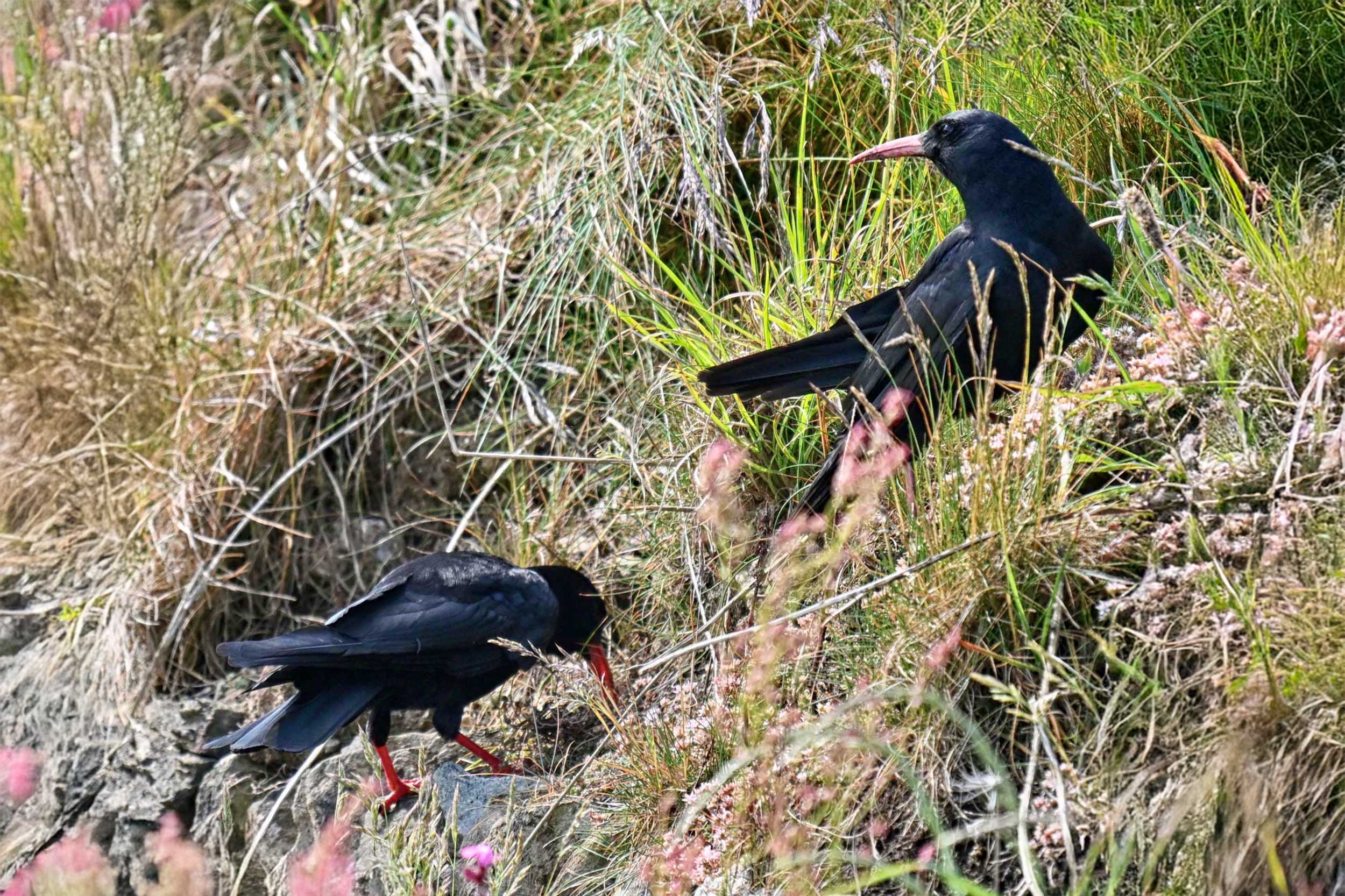
Nearly a quarter of a century after the first birds returned to The Lizard in 2001, one of their daughters, now 16 years old, has successfully raised 48 chicks! Photo: Geoff Rogers
Iceland, for peat’s sake
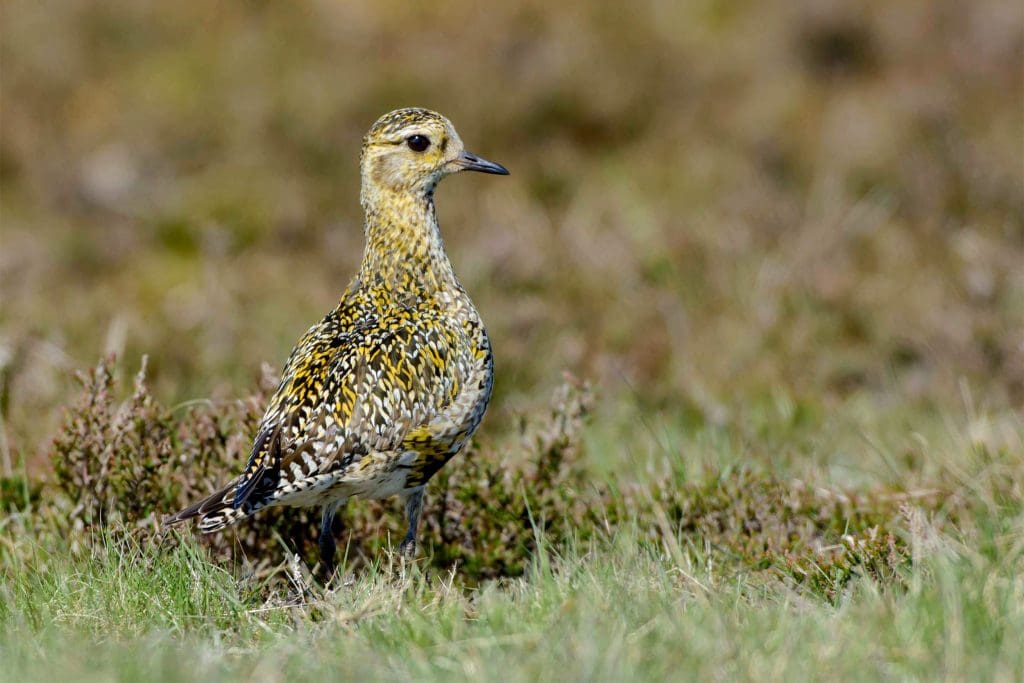
An ambitious new five-year project will work to restore and protect Iceland’s lowland peatlands, benefiting species including Dunlin, Black-tailed Godwit, Redshank and European Eel. The €8m project is co-funded by the European Union through the LIFE programme. Historically, swathes of this important habitat have been drained, mostly for agriculture. The new project, launched in September and led by the Agricultural University of Iceland, together with six partners including the RSPB and Fuglavernd/BirdLife Iceland, will work across 407,000ha to restore structure, functions, health and climate change resilience. Iceland’s peatlands are home to internationally important breeding populations of migratory wading birds who winter in the UK, including 61% of the world’s Golden Plovers, 28% of the world’s Whimbrels and 12% of Redshanks.
Read more about Redshanks and what you can do to help them thrive in the wild.


Manx Shearwaters breed on Rathlin
Manx Shearwaters have nested successfully on Rathlin Island for the first time in decades, following years of conservation work. These Amber-listed seabirds once bred in significant numbers on this island off the coast of County Antrim, home to Northern Ireland’s largest seabird colony, but no confirmed nesting had occurred since before the end of the last century. Since 2021, the LIFE Raft (Rathlin Acting for Tomorrow) project – a partnership led by the RSPB – has been working to remove non-native Brown Rats and ferrets, which prey on eggs and chicks. This benefits burrow-nesting Manx Shearwaters, Puffins and other species. We’re thrilled to have footage showing the Manx Shearwaters flying into the burrows, indicating the birds are breeding on Rathlin Island again.
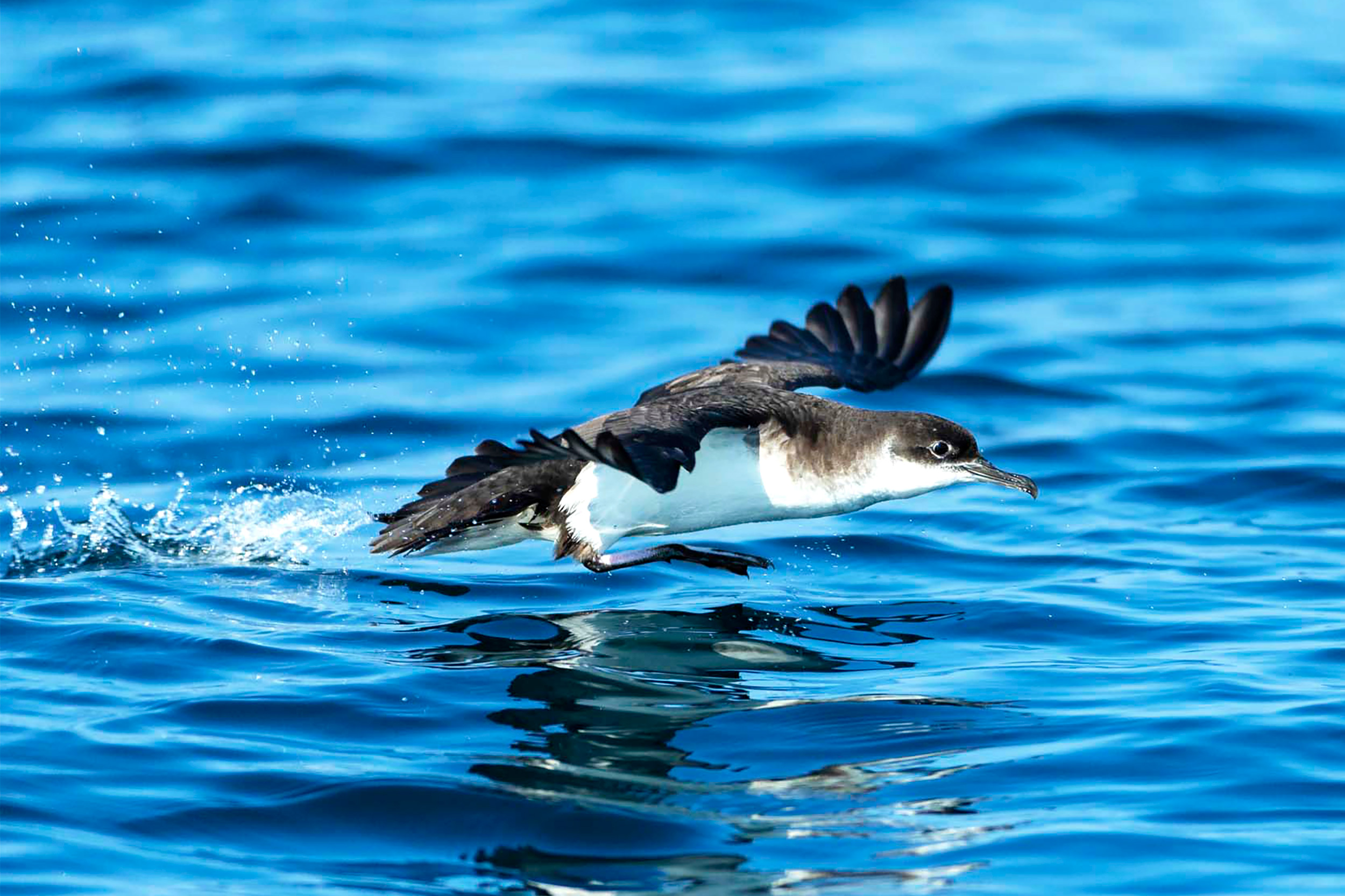
We’re thrilled to have footage showing the Manx Shearwaters flying into the burrows, indicating the birds are breeding on Rathlin Island again. Photo: Greg Morgan (rspb-images.com).
Wild Questions: a new RSPB podcast
The new RSPB podcast, Wild Questions, hosted by RSPB TikTok creator Yas Devi (pictured) and The RSPB Magazine editor Jamie Wyver takes a quirky look at the world of birds. Each episode features a new guest and their unusual nature questions: expect weird and wonderful tangents but solid science facts! Find out more

Peatland protection
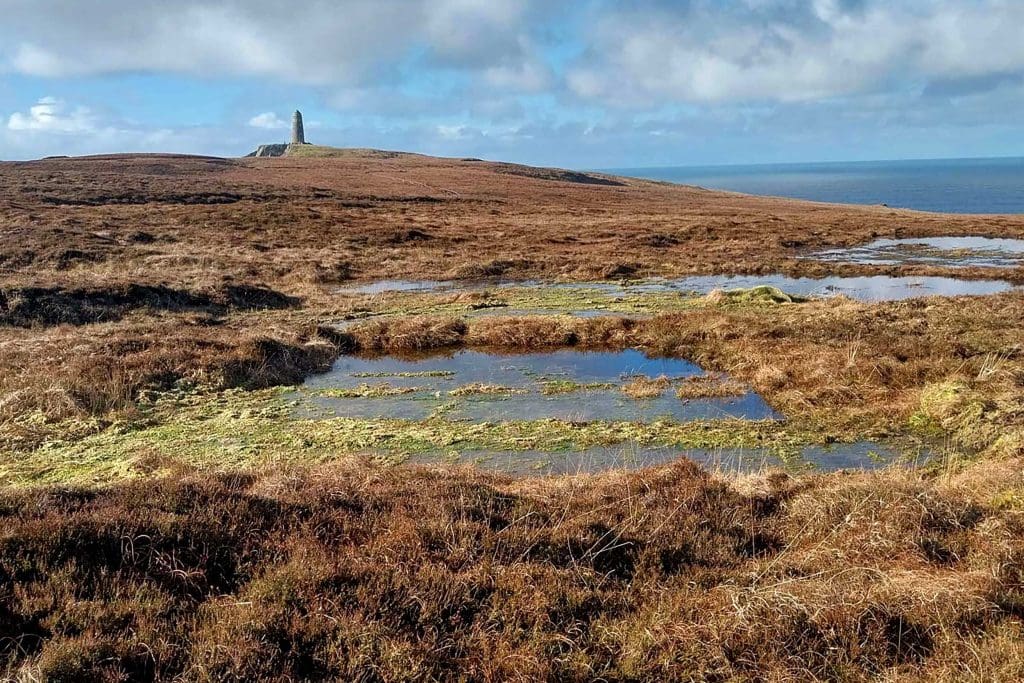
Plans are under way to restore around 1,000 hectares of peatland over the next five years at The Oa. This is thanks to a partnership between Suntory Global Spirits, Diageo, The Glenmorangie Company and the RSPB.
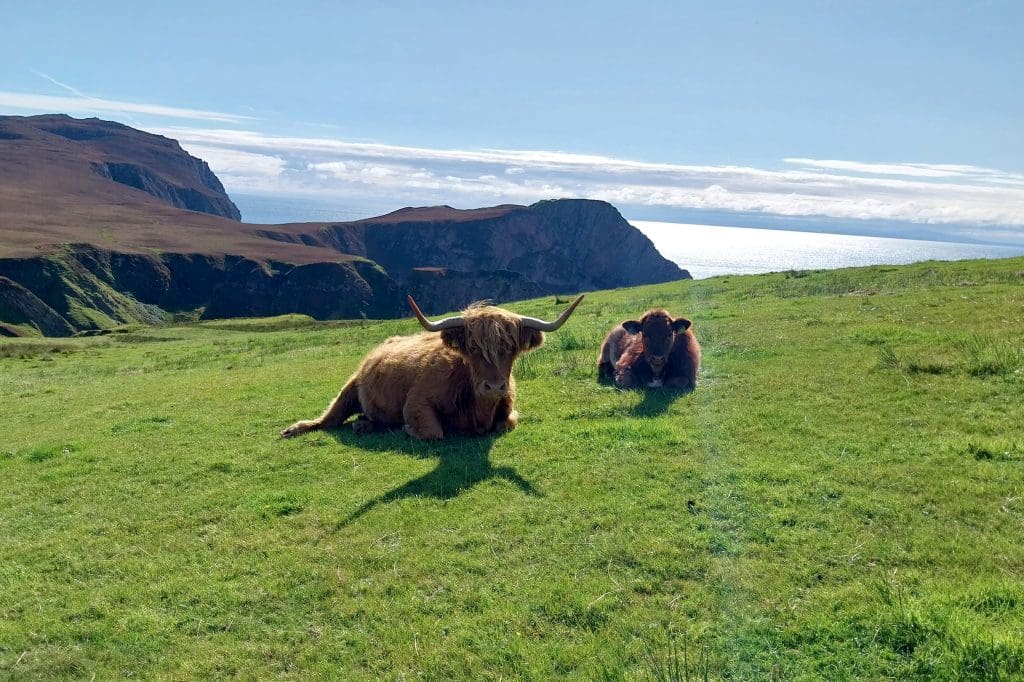
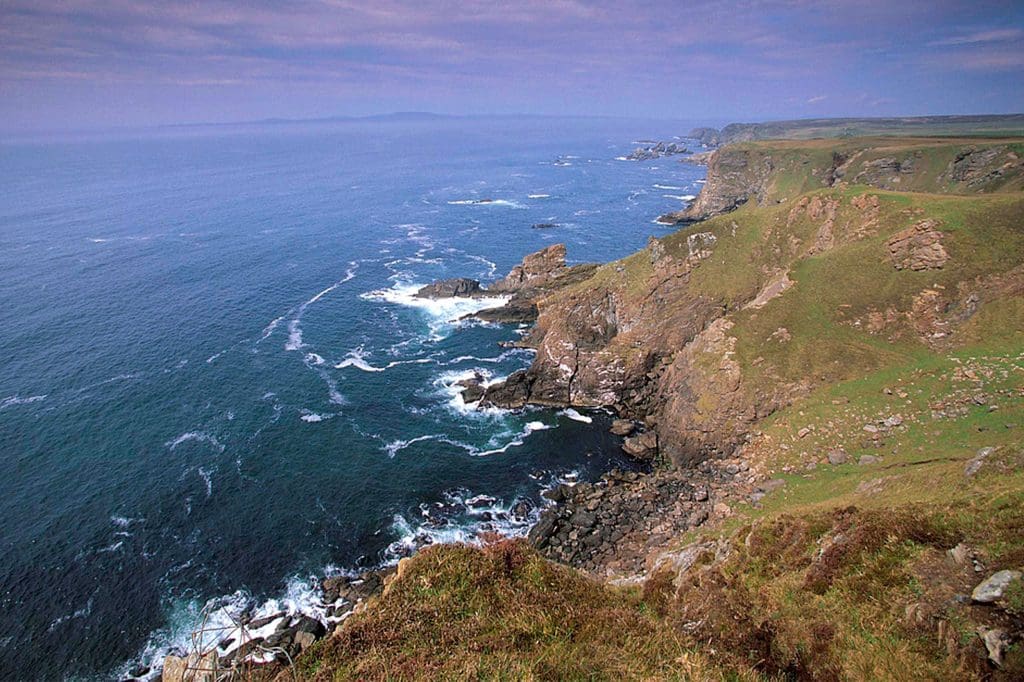
The Oa is an RSPB nature reserve on the southern edge of Islay, with moorland and nature-friendly farmland bordered to the south by towering rock faces. Here, the peatland has been artificially drained due to centuries of domestic peat cutting. This practice was once essential for the survival of rural communities.
Restoration work will result in the peat bog’s increased resilience against flooding and wildfires. It will also provide improved habitat for many species, including Curlew, Golden Eagle and Hen Harrier, and the vast flocks of geese that visit Islay each winter. Other wildlife, including butterflies, will benefit, too. For example, increasing the amount of cottongrass will help boost numbers of the Large Heath, and more Devil’s-bit Scabious will provide food for the caterpillars of the Marsh Fritillary.
Peat restoration also plays an important role in the country’s response to climate change, with this habitat storing about 10 times as much carbon as all of the UK’s forests combined.
Collaboration on this scale amongst peers in a highly competitive market such as Scotch whisky is unprecedented. It’s an example of the way the RSPB is partnering with commercial organisations that want to make a genuine contribution to nature – responsible business collaboration can have much greater impact and influence than that of one organisation alone.
You might also like
RSPB news roundup (autumn/winter 2025)
Life on camera in Hutan Harapan