


John Alec Baker (pictured below), author of The Peregrine (1967) would have been 100 this August. Published five years after Rachel Carson’s Silent Spring, Baker won acclaim and awards, alerting readers to the plight of the bird and its prey, becoming one of our most important and singular nature writers.
I first read The Peregrine in fits and starts in my twenties. A budding ‘new nature writer’ and an environmental activist, it was an emotional, heady time. I loved Baker’s incandescent writing: “the Peregrine lives in a pouring-away world of no attachment, a world of wakes and tilting”, and the calls of Stone-curlews, “fossil voices released from the strata of the chalk.”
Discover more about Peregrine Falcons
I recognised the anguish, love, rage and strangeness of his words, and couldn’t read it all at once. It called to mind teenage fears I’d only just left behind, and laid bare ones we were facing.
It read like a cinematic flash of an age: all frightening ‘Lonely Water’ safety ads of the 1980s, nuclear threats, chainsawed hedgerows and chemical pollution; the post-pastoral backlit by beauty, accompanied by an operatic score. It intensified a yearning to write, from a female perspective of a different generation. It challenged me.
‘It intensified a yearning to write, from a female perspective of a different generation. It challenged me’
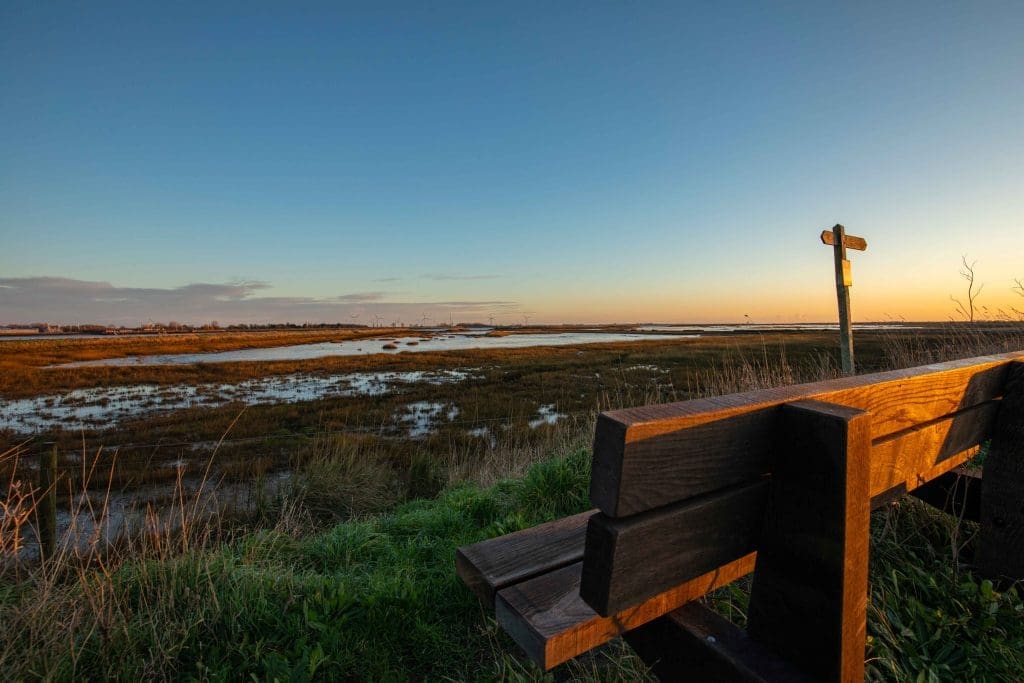
The Peregrine is a high-octane, passionate and relentless field guide of brilliance, brutalism and imagination, that reads like a novel. It compresses 10 years’ observations, following Peregrines on bike and foot, around the Essex estuarine landscape, into one season. It is pervaded by loss and the changes wrought by recent war; Baker saw London devastated in the Blitz, and the post-war destruction of nature. Yet he soars and plummets with the birds. He strives to become them, mantling their prey remains, divining kills, cloud banks and wind direction, before returning to office work and the Chelmsford council house he shared with his wife, Doreen.
It’s a divisive book. If it’s a work of non-fiction and field observation, how is some of it possible? Are some Peregrines misidentified? Or is this Baker’s persistent witness, seeing behaviour others haven’t, or that’s altered by chemical poisoning up the food chain? But he preempts many of these questions in his book, his “house of sky” (the title of Hetty Saunders’ brilliant biography of 2017) of literary, poetic and imaginative licence. Authentic, transcendent, we fall in love with the birds and are compelled to reach for something better for them. As “many die on their backs, clutching insanely at the sky in their last convulsions, withered and burnt away by the filthy, insidious pollen of farm chemicals”, that is exactly what happened.



I have not revisited the book since, and wonder how it has aged. But I still feel its burning intensity. Most of us delight in nature that pops into view, before something else catches our attention. Unless we are a scientist, passionate observer, writer or artist, we rarely have the kind of sustained, experiential, laser focus on a species that Baker had. That kind of intensity takes us deeper into the world and further from it too. But when we return, we are enriched, our vision altered, slightly wounded and more in love with the world than ever.
Thank you to our reader David Simmonds who suggested we cover this topic: “Not only did J.A. Baker write a superb book, but he was a visionary and a proto-conservationist.”
You might also like

RSPB news roundup (winter/spring 2025)

Comment: The outstanding east coast of England


