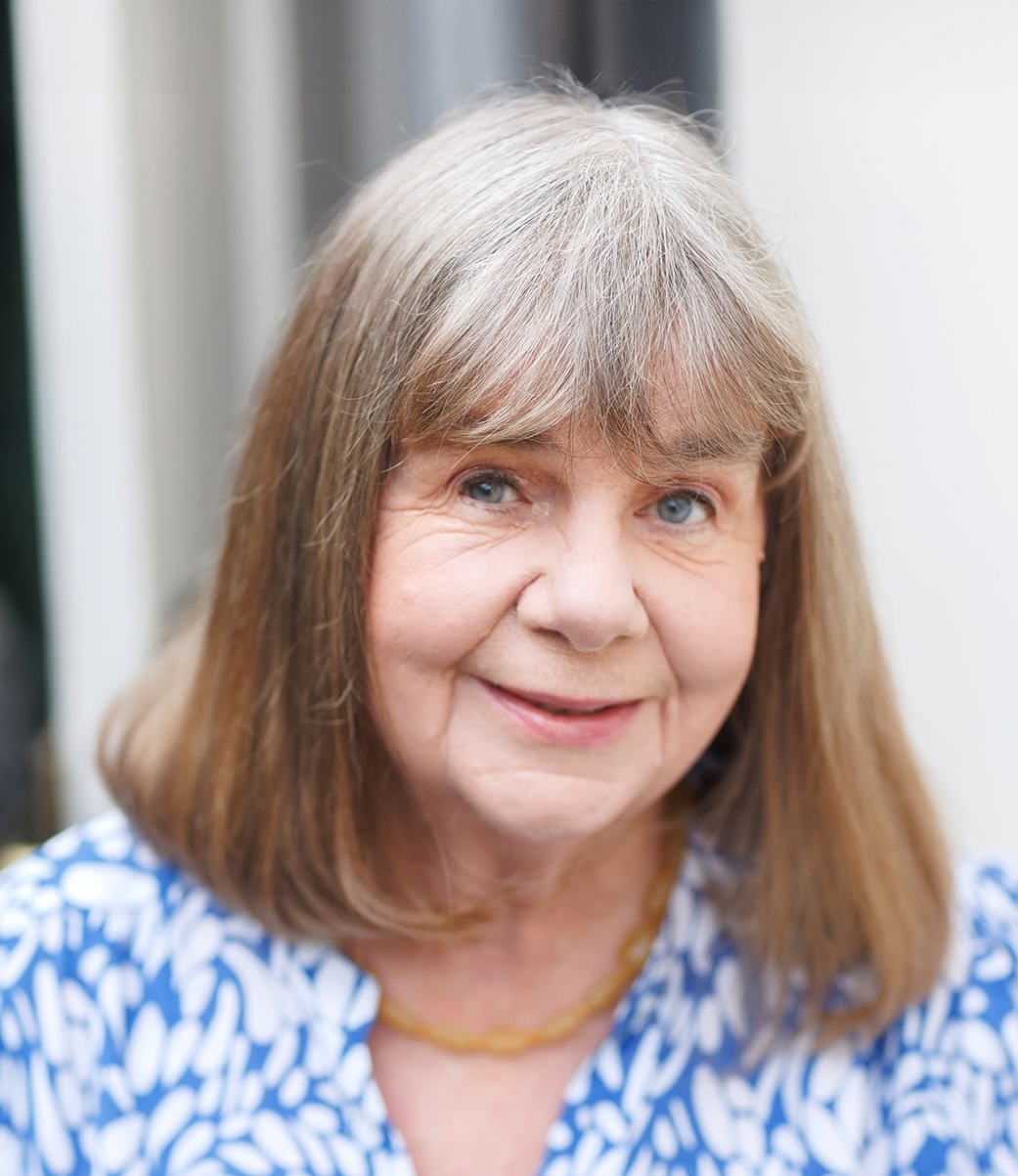
Acclaimed children’s writer Julia Donaldson began by writing songs to perform while busking. It wasn’t until she was approached to turn one of her songs into a picture book that she broke into the world of children’s publishing.
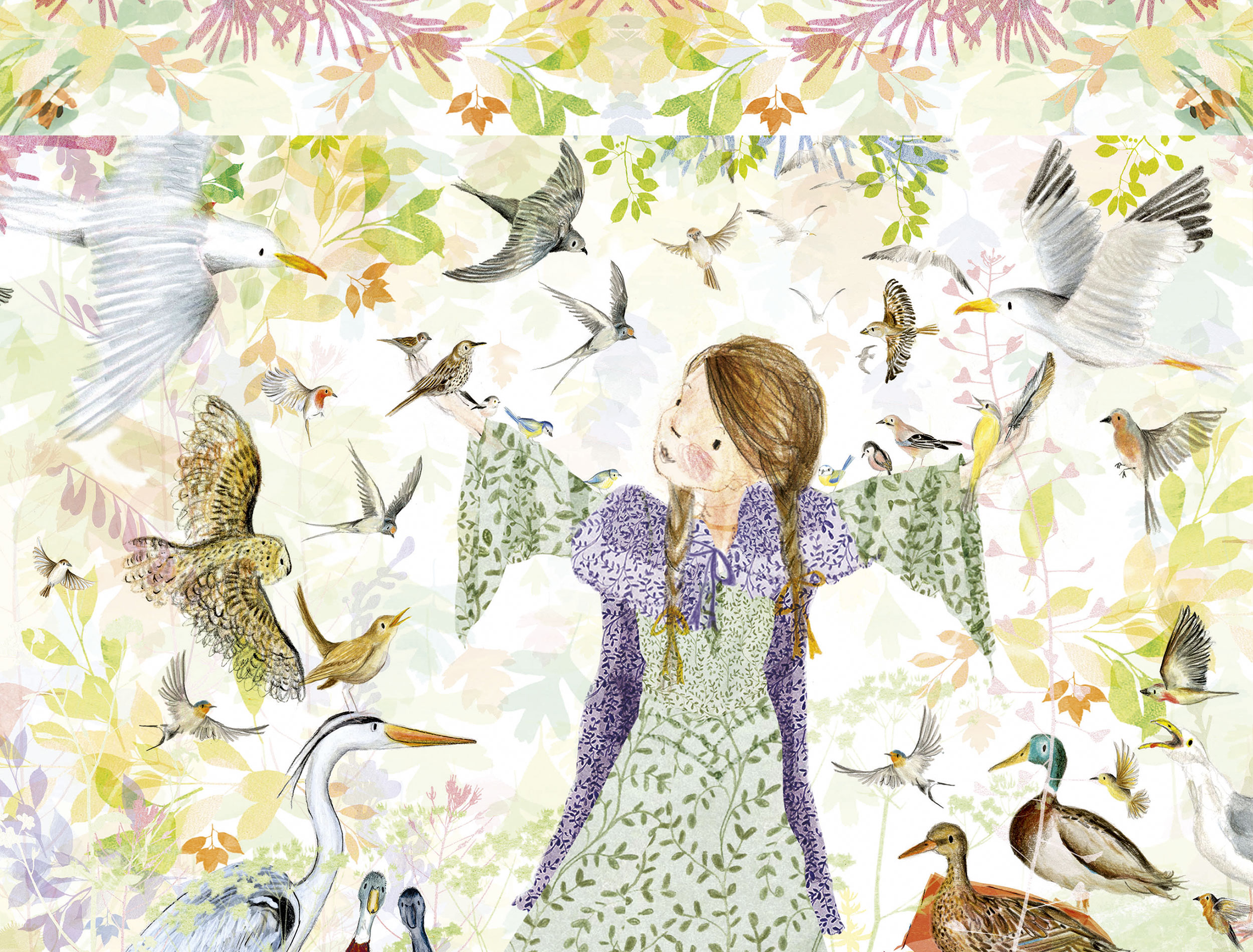
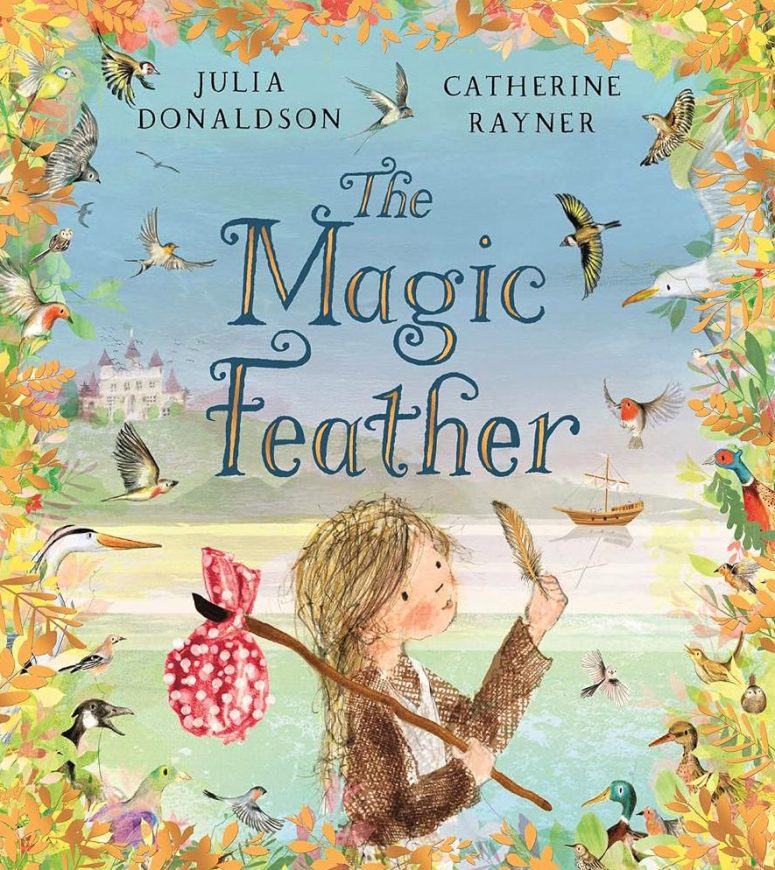
Today she is known as the author of family favourites including The Gruffalo, Stick Man and Room on the Broom, as well as many more, and regularly writes stories that bring the natural world to life. Her new book The Magic Feather, illustrated by Catherine Rayner, tells the story of a girl who can talk to birds and beautifully brings to life some stunning UK species.
Here are some of Julia’s tips for creating a story that celebrates the natural world.
Take a walk
The practice of walking through nature can get your mind into quite a receptive mode. You might not even be thinking about a nature-based story, but I feel being in the open air is very productive. Walking along I find a good place for airing ideas.
Inspiration is everywhere
Anything could inspire a story. I watched a David Attenborough programme about bowerbirds and that inspired a story. It doesn’t just have to be going out into the wild. It might be going to a museum or a nature reserve. They often have placards telling you about some interesting creature. One of my stories was inspired by a moth trap at an event I went to.
Find out more about where Julia finds inspiration
Character building
I think most stories with animal characters are really fables. Such as in the classic tale of The Hare and the Tortoise, the hare is a person who’s very capable and speedy, but a bit lazy, and the tortoise is a slow, plodding type of person who gets there in the end. Pay attention to the characteristics of an animal, and see how you can use those to depict some kind of human behaviour.
Hear more from Julia on building animal characters with human traits
Good things take time
I’ve got a whole file on the computer of half-baked ideas, but I don’t spend very much time on them. I’ll only start to write once I know something is potentially going to really work. For example, for my book Jonty Gentoo I’d had an idea about a penguin, a Polar Bear and an Arctic Tern for years. I was excited when I found an Arctic Tern could fly from pole to pole, but then I couldn’t think what the storyline would be. It was on ice for years until I cracked it.
Story first
Don’t try to preach. While I very much do want children to be out more in the natural world and spend less time on their screens, that’s not the aim of writing. It would be a bonus if reading The Magic Feather got them interested in birds, but first and foremost I just want to write an enjoyable story.
End on a high
Make sure you have a good ending. Very often editors tell me they get work submitted that’s really well written and really promising, and then at the end it just falls a bit flat. Think about how you wouldn’t start a joke without first knowing the punchline.
Persist, persist, persist
Keep at it. Eventually luck will strike, but maybe not in quite the way you’d envisaged. I’ve had loads of rejection letters in my life, but I was lucky with that first one that got me out there.
Know the market
I think it’s good to be aware of what’s out there and the type of stories that publishers look for. However they’re always looking for the next different thing so don’t let that limit you too much.
Julia’s advice for story writing
Julia Donaldson has written songs, plays and stories since she was a young girl. In 2019, she received a CBE for her children’s writing. Julia’s latest book – The Magic Feather – about a girl who can talk to birds is out now.
You might also like
Small change, big impact: how to feed your garden birds
Reading for nature lovers