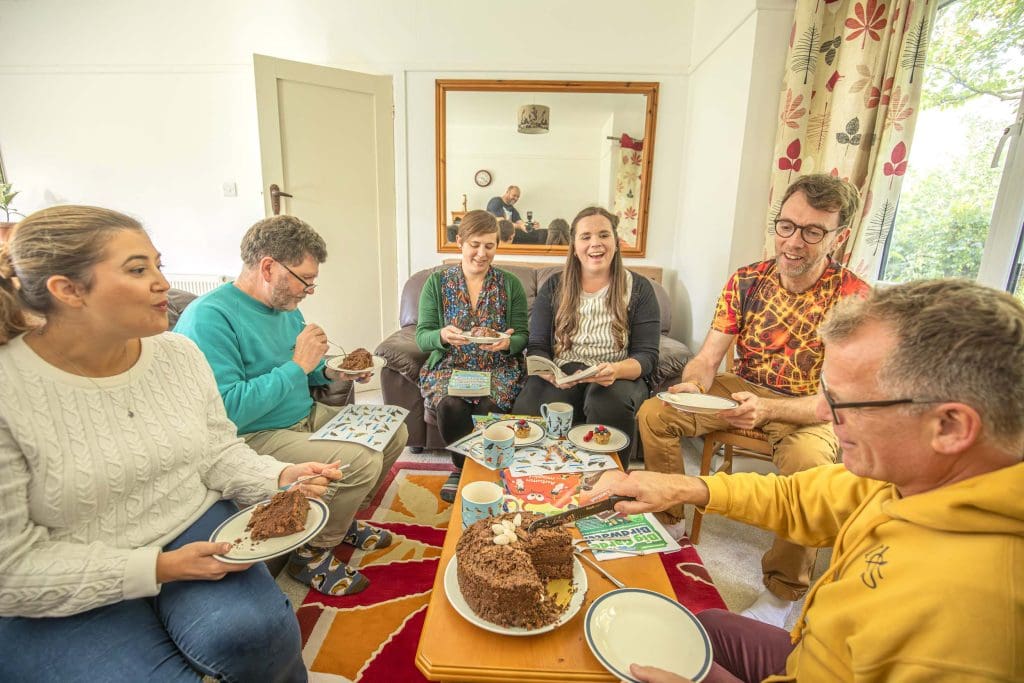
Whether it’s chatting to family on the phone, sitting with a friend sharing a plate of biscuits, or swapping stories with the neighbours over the garden fence, many of us will have a Big Garden Birdwatch story to share. “Did you see..?”, “Well we had three…”, “Of course the woodpecker didn’t show up.” These are the everyday nature experiences that bind us.
The world’s largest garden wildlife survey, the Big Garden Birdwatch is a huge driving force for nature. Since 1979, it has help us build a picture of how garden bird populations are faring. But it is also so much more than that. It is a story to share with fellow nature lovers, common ground that we can all compare. For you don’t need to travel, have access to a large green space or even own a pair of binoculars to do the Birdwatch. You only need a local green space (your garden, balcony or a local park) and a way to write down what you see. That’s it!
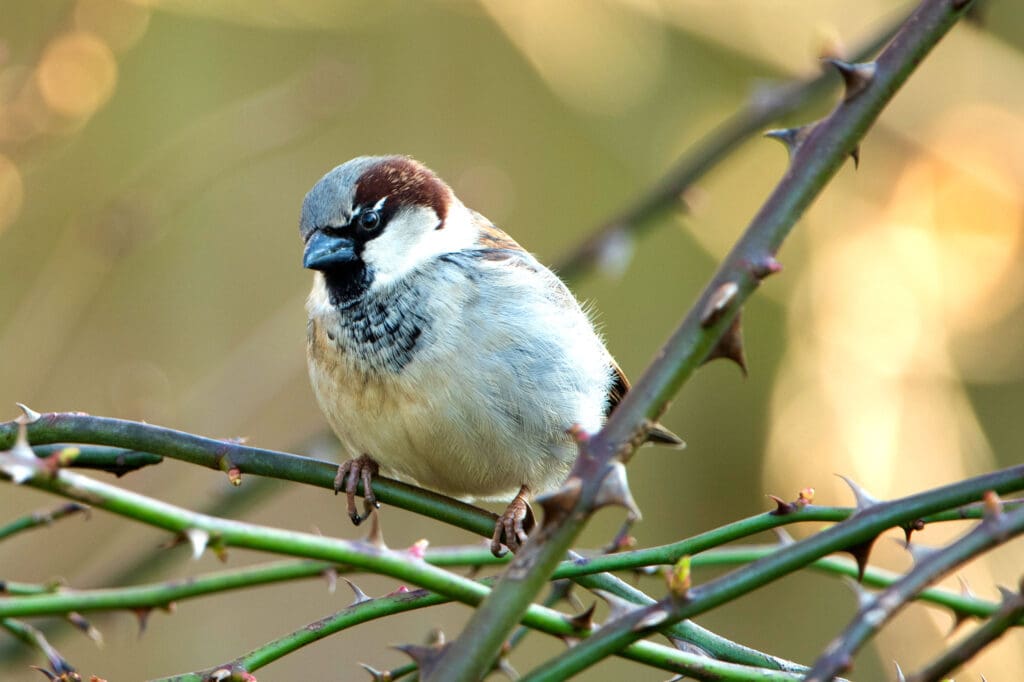
Many may also be surprised by the wealth of wildlife they see on their first Birdwatch. Taking the time to stop and listen, newcomers may discover the flock of local House Sparrows, or the resident Starlings. Perhaps a Robin hops from garden to garden or even a Sparrowhawk makes an sudden, dramatic visit. The Big Garden Birdwatch is the perfect way to inspire others to enjoy the nature on their doorstep, and become advocates for it in the future. We need more people than ever to love their local wildlife.
Four long-term birdwatchers share their stories of how they’ve done just that, and used this annual event to inspire others.
Too cool for nature? David Lindo, The Urban Birder
One of the greatest pleasures that I get from birding is showing a passer-by something amazing that I had just discovered through my telescope. I love the sound of the ensuing gasp of astonishment that invariably occurs followed by the furtive glance with their naked eye as they try to work out exactly where the object of their fascination is within the vista before them. I particularly remember an occasion when I was at a RSPB Peregrine Watchpoint outside Tate Modern, London. I had my scope trained at one of the magnificent falcons when a young girl decided to peer through. I think the sight that met her young eyes changed her life. She was dumbfounded.
The world’s fastest animal right there in front of her eyes. Her reactions moved me to tears.
My work is all about public outreach. I try to demystify the world of natural history to make it palatable and understandable to the most uninterested of us. Indeed, I particularly target those of us who think that they are too cool to bother with nature. When I ran my Vote for Britain’s National Bird Campaign back in 2014/15, my aim was not primarily to discover Britain’s National Bird but instead to get people who professed to have zero interest in birds enthusiastically talking about them. Those were the voices that I was really most interested in hearing.
‘I think the sight that met her young eyes changed her life. She was dumbfounded’
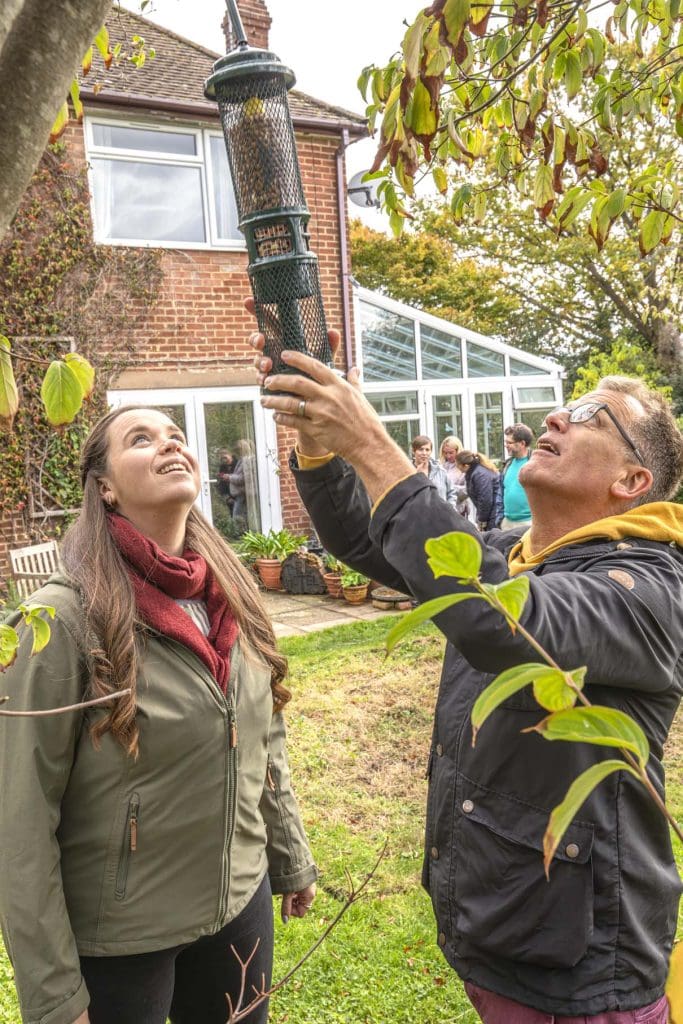
The RSPB’s Big Garden Birdwatch is a great initiative to get people united around our UK birds. The premise is so simple: over the course of an hour to identify and count the birds that visit the garden or parkland that you have chosen for your study area. It can be done while sitting inside looking through the window of a comfortable heated hide – aka your lounge – as you indulge in tea and biscuits. The preparation is simple: just put out food to attract the birds and sit back to watch the show. Simple. Well, to increase your chances of getting a few birds through it would pay to have been feeding them for a while before your Big Garden Birdwatch count, held annually over the last weekend of January. If you are a complete novice, it could be good to cast your eyes over the identification guides that the RSPB produces for the occasion. That way, you will be ready to identify the usual suspects with ease as they show up in the garden.
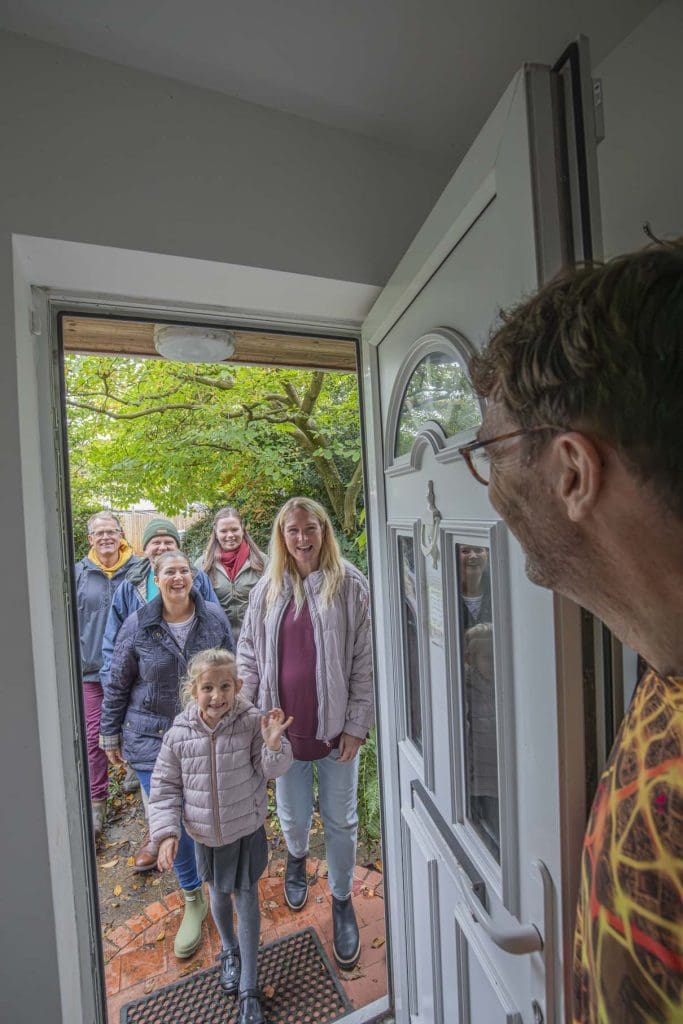
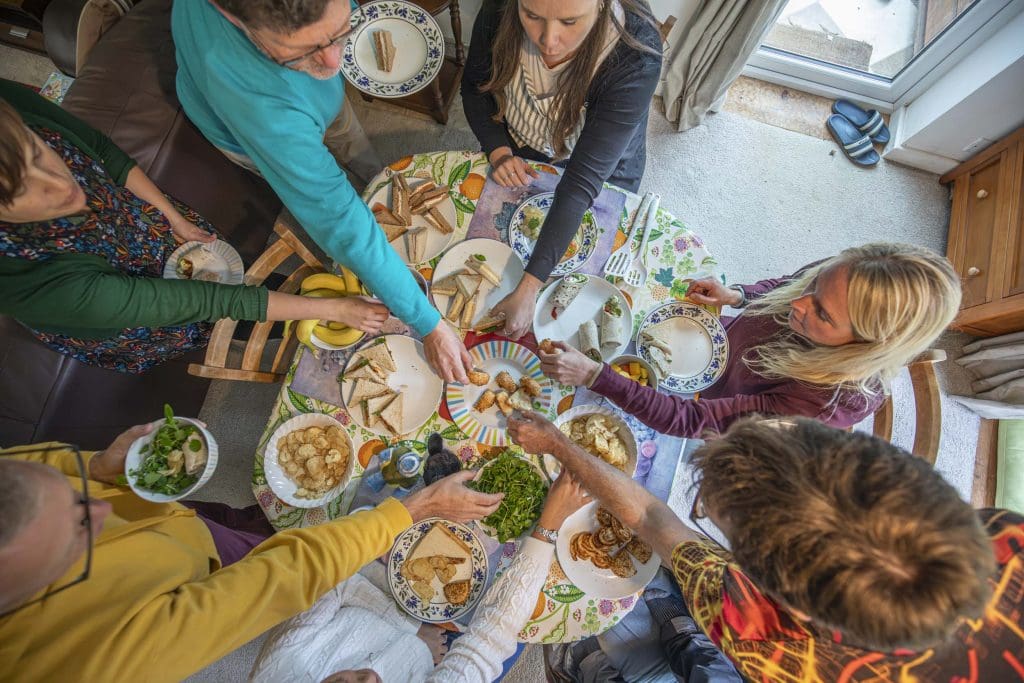
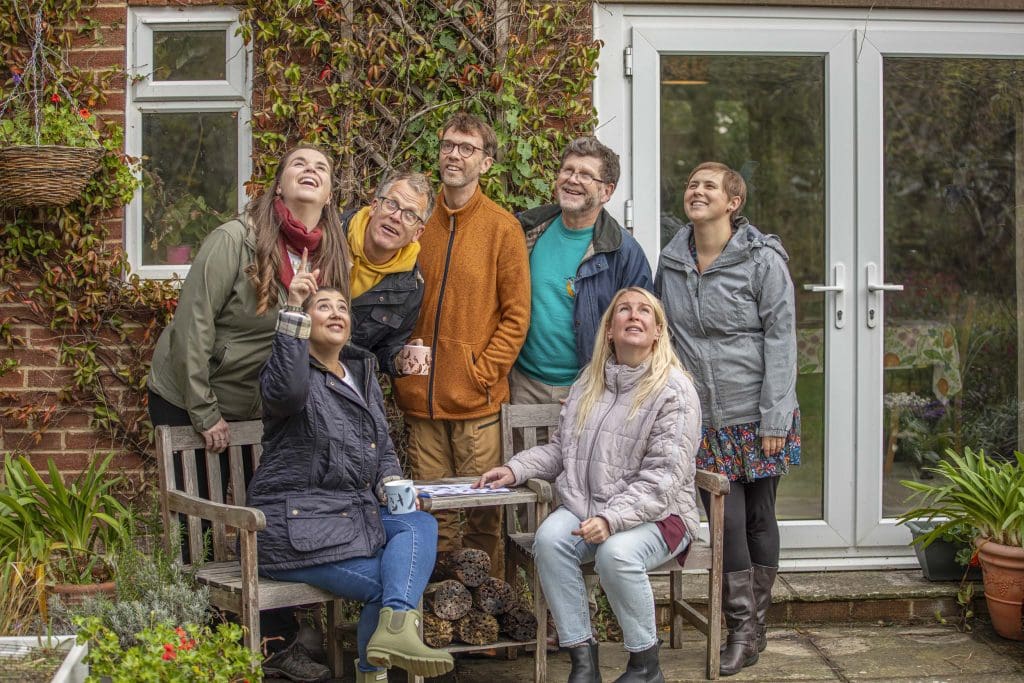
It is also a great excuse for a social gathering. Get your family and friends around as more eyes watching may equate to more birds. Once, I was in the palatial West London home of a friend of Simon Cowell’s. She had invited me to help her identify the birds during her Big Garden Birdwatch hour. The first birds I saw were a pair of Stock Doves at the back of her garden. She was delighted as they were a new species for her, and immediately reached for her chequebook and made a substantial donation to conservation. If only all fundraising was this easy!
Lecture halls to bird calls Jane Schwab, University Swift Champion
In my second year at university, once I’d found my feet in Manchester, I decided to dedicate some time to volunteering. Since I hope to work in ecology – particularly biodiversity, conservation and rewilding – joining the RSPB felt like a perfect fit. I took on the role of University Swift Champion, and my work involves bridging the RSPB Swift conservation team and universities across Greater Manchester. We work to raise awareness of Swifts; why they matter, why they’re in decline and how people can help.
Over the past year, I’ve helped at a range of events focused on connecting people with nature. The biggest event of the year was the Big Garden Birdwatch at Castlefield Viaduct nature reserve. Over the weekend, we hosted talks, birdwatching, apple feeder making, displays of vintage RSPB magazines and children’s crafts. I promoted the event through university channels and nature society pages and, despite the inevitable rain, turnout was fantastic.
Our aim has always been to raise awareness, educate and inspire action – and I truly think we achieved that. I’m currently in Spain for my research year, still focusing on bird conservation, but I’m excited to see what’s next: a planned ‘Swift Cycling Path’ through Greater Manchester, more collaboration with university faculties, and the launch of an official blog and Instagram to engage even more students with the RSPB.
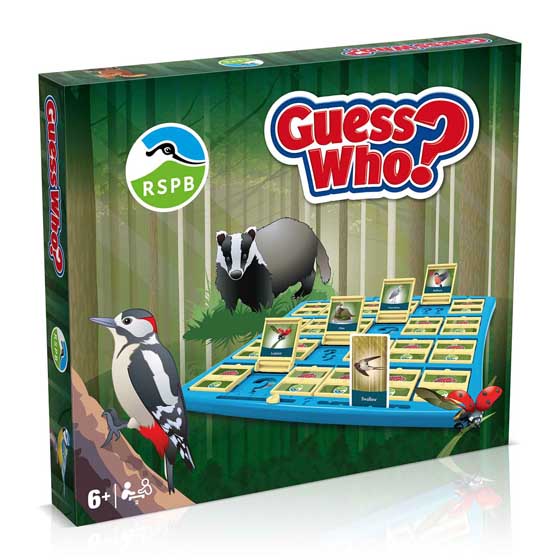
RSPB Shop
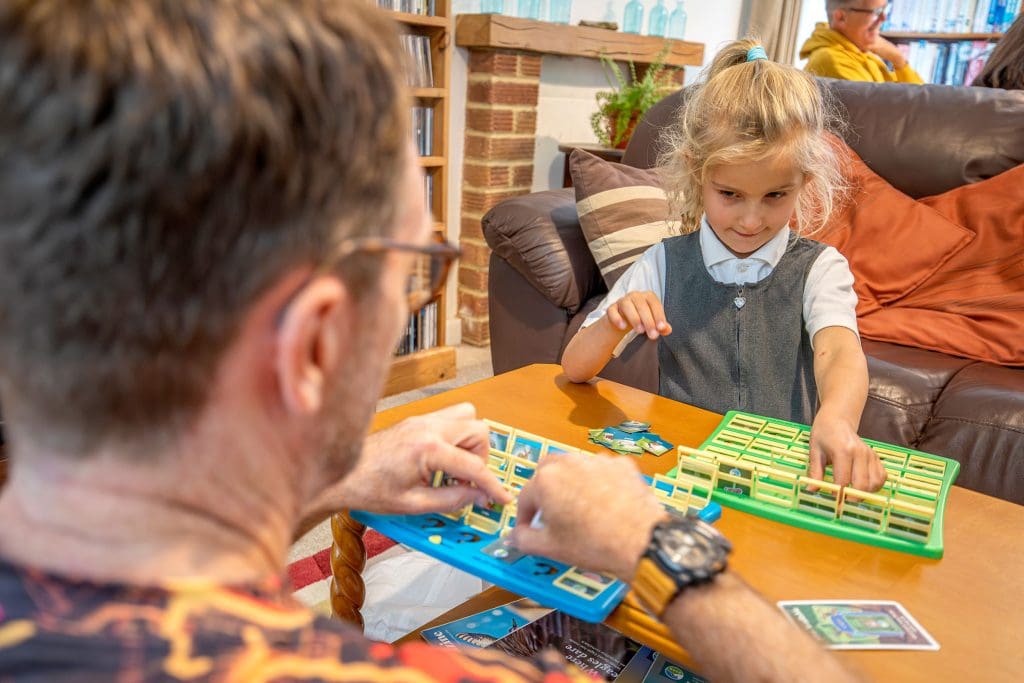
Learn through fun!
Teach kids about UK wildlife with this fun Guess Who? game. Featuring 24 animals, this is a great way to test your knowledge as a family.
Bringing family together Nicola Chester, wildlife author
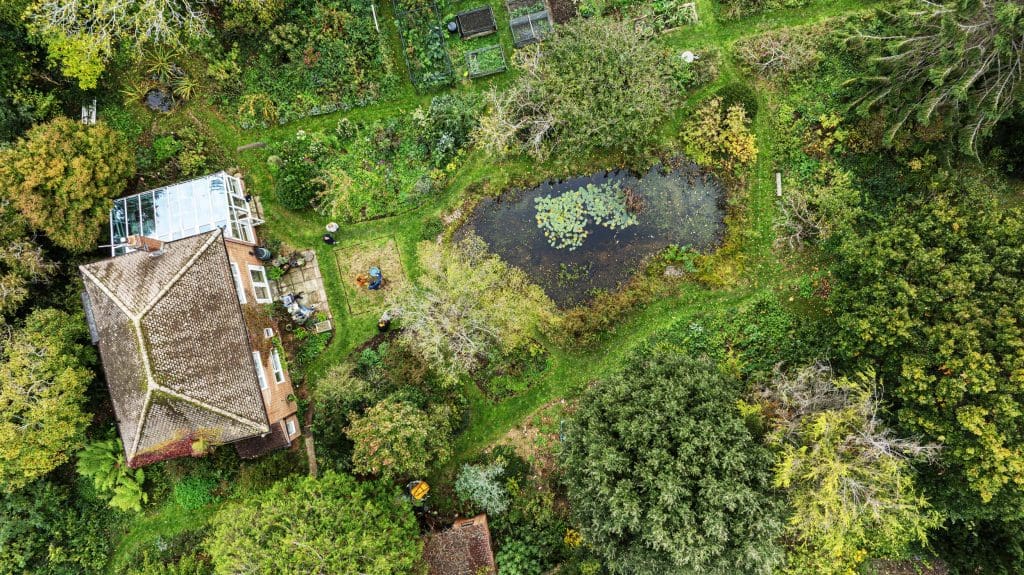
A lifetime (so far) of Big Garden Birdwatch, the last weekend in January around which so many connections and memories pivot, has meant counting birds in nine different gardens over 40+ years. My first was also the first ever in 1979, and I’m ashamed to say that what I remember of that was our dented-but-glorious green and gold biscuit tin, shaped like a circus tent. I also missed a few when I lived in a cabin in the foothills of the Rocky Mountains in Canada and the Rockies were my back garden. It just wouldn’t have been fair.
Over that time, Greenfinches, Mistle and Song Thrushes have become so much rarer, but the ruckus of Sparrows and Starlings have stabilised, with the living space we’ve provided under our house eaves. Bullfinches and Marsh Tits are relatively new on the scene. And our garden, over 20 years, has got deliciously wilder, lovelier, and friendlier to wildlife.
Increasingly, the birds I’m counting aren’t so much on the feeders as they are in the fruit trees, or bending the long stems of seedy grasses, alighting on teasles and tweezering the thistle heads.
There has been plenty of drama and surprise, too. A Stoat ribboning through proceedings, a Coot (we’re a bit far from water), fly-throughs by Sparrowhawk and two species of owl at once (a Tawny sleeping in the oak and a Little Owl glaring from the neighbour’s fence). It never happened again. Mum had a Goshawk sweep through the garden. But it was July and no way was she allowed that.
‘It’s helped build childhoods grounded in nearby nature, it’s connected us with family and community’
While I’ve always been a diligent counter, definitely not counting the birds that are always in the garden until it’s Birdwatch-time (Long-tailed Tits, I’m looking at you), I have, embarrassingly, forgotten once or twice, to send in my counts.
But, of course, although counting the birds and sending your results in is the most important part, making involved, citizen scientists of us all, it’s not the only important thing. The fact we already know who’s likely to show up and be counted means we are connected to and invested in the wild world outside our window.
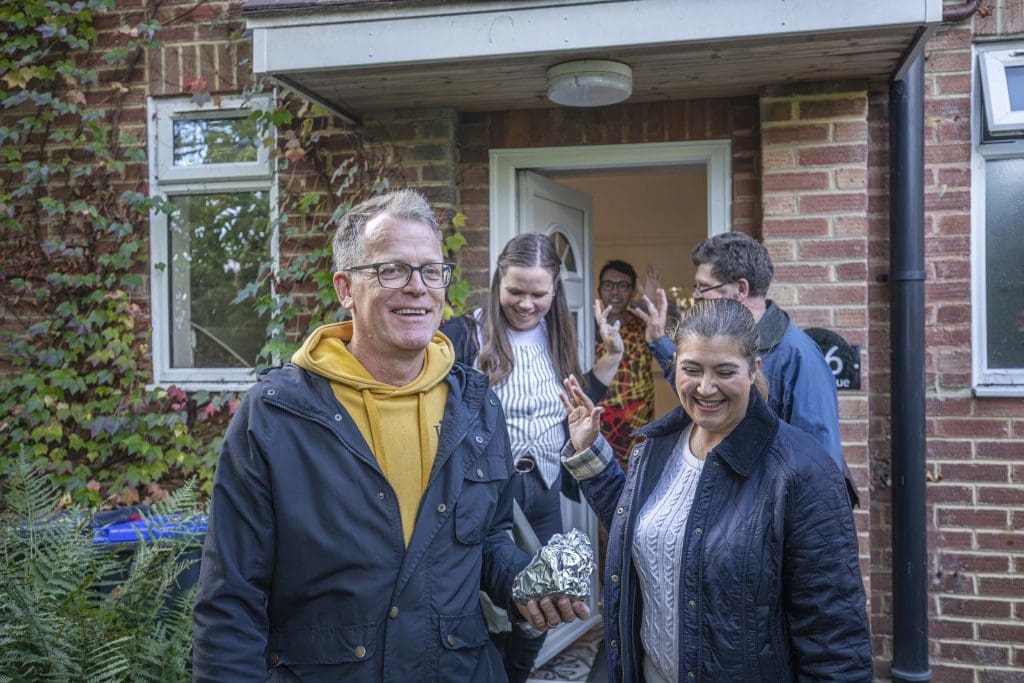
It’s a conversation starter with neighbours – “You’ve got Redpolls?” – and widens our community. It’s connection with family. When I left home, my first Big Garden Birdwatch was done over the phone with Mum, 200 miles away; and when the children came along, sitting on the draining board, their little feet in the kitchen sink, Nannie joined in by phone, too. Now, my oldest two report on the birds from their urban flats via WhatsApp.
That one Birdwatch weekend of the year is so much more than that. It’s helped build childhoods grounded in nearby nature, it’s connected us with family and community. The birds always bring us together. The birds, always, are home.

Birding on campus Michael Teague, RSPB University Ambassador
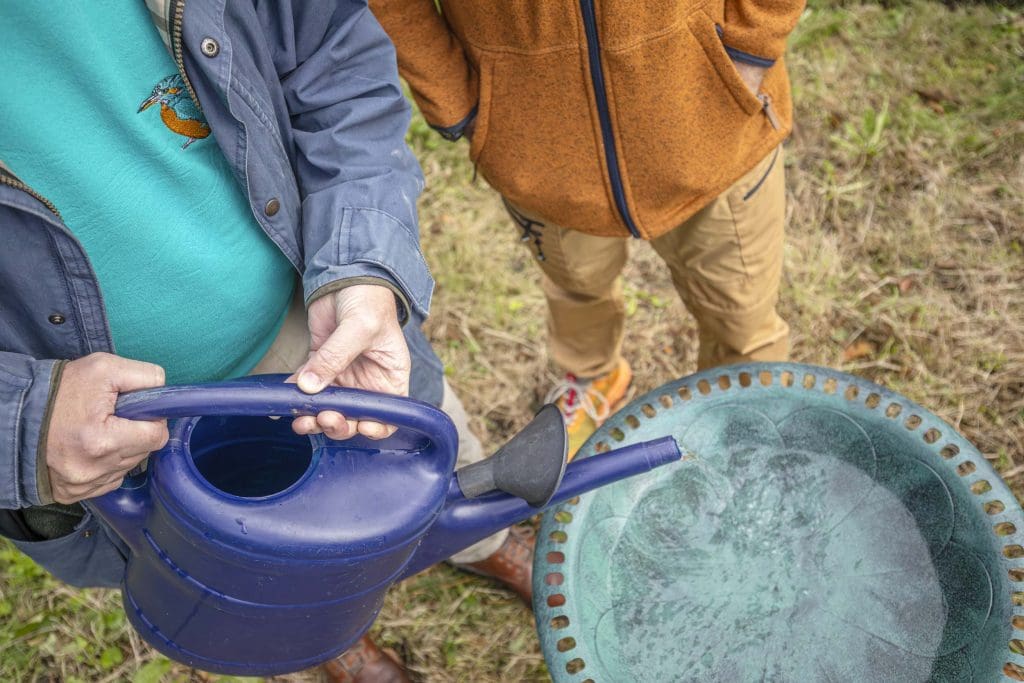
I first got involved with my local RSPB group in Lincoln last summer, volunteering for their Peregrine Watch at the cathedral, and got chatting with committee members about how we could get more students involved in RSPB events. I’m a mature student studying Ecology and Conservation at the University of Lincoln, so it was the perfect chance to connect my studies with something that makes a difference locally. Not long after, Alasdair McKee, RSPB Local Groups Development Officer, approached me about becoming an RSPB University Ambassador.
Since then, I’ve helped bring the university and the RSPB Lincoln Local Group closer together through events and initiatives that encourage students to experience nature on their doorstep. We’ve had a fantastic response, with students joining the group’s monthly field trips. We were even mentioned in the Summer/Autumn issue of The RSPB Magazine for the initiative.
Like many students, I live in the city centre without access to a garden, so when the 2025 Big Garden Birdwatch came around, something I’ve taken part in since my childhood growing up in the New Forest, I came up with the idea of running on-campus events so everyone could take part. Working with the RSPB group and the university estates team, we organised sessions at both campuses, inviting students, staff and members of the public to spend an hour counting birds, learning about the local ecosystem and simply enjoying noticing nature.
Despite the blustery weather, the event was a roaring success. Almost 40 people came along across the two events, a mix of students, staff, RSPB members and locals. The highlight was spotting three Kingfishers, a species you usually don’t expect during the Big Garden Birdwatch, which thrilled everyone.
What struck me most was how people of all ages and experience levels shared sightings and swapped stories. For many, it was their first time birdwatching; for others, it rekindled something they hadn’t done in years. It was a reminder that even in the middle of a city, nature is all around us. I’m already planning to run similar events for the 2026 birdwatch, and hopefully for many years to come.
Frequently asked questions
Get involved
Your Big Garden Birdwatch questions answered
1. Can we take part as a group?
Absolutely! But if you’re counting together, make sure that you only give us one set of results.
2. Can I take part for all three days?
You can, as long as each time you are in a different place. We ask for only one result from one location.
3. Does the time of day matter?
It might affect the number and variety of birds you see, but it won’t affect the overall results. With so many people taking part across the country, factors such as time aren’t an issue.
4. Why is it held over one weekend?
It’s a snapshot in time. By keeping the time of year consistent we can better compare the results.
5. Why in winter?
Birds are more likely to be in our gardens, and it’s also for consistency. Learn more on our website.
Share your passion
It’s estimated that 85% of the UK population live in urban areas, but wildlife in these locations can often be overlooked. For many, the idea of appreciating nature conjures up images of standing in a flower-filled meadow in the countryside where the only sound is birdsong and a babbling brook. But that’s just not true, nature is everywhere; sometimes we just need to be reminded to look.
In 2025, we saw an increase in people living in towns and cities taking part in the Big Garden Birdwatch. With funds raised by players of People’s Postcode Lottery, bespoke participation packs were sent to households across Birmingham and Manchester, encouraging them to take part in the Birdwatch. A total of 649,890 packs were delivered and despite Red weather warnings in place for a storm that weekend, there was a 50% increase in participation. This was an amazing result for urban wildlife and local communities.
The Big Garden Birdwatch is for everyone
This year, why not see who else you can get involved in your annual ritual? Whether it’s friends, family, next door neighbours, or even a local group, showing people the wonder of nature on their very doorstep can change lives. Register to take part on 23–25 January 2026. Let’s make it count.
How to…
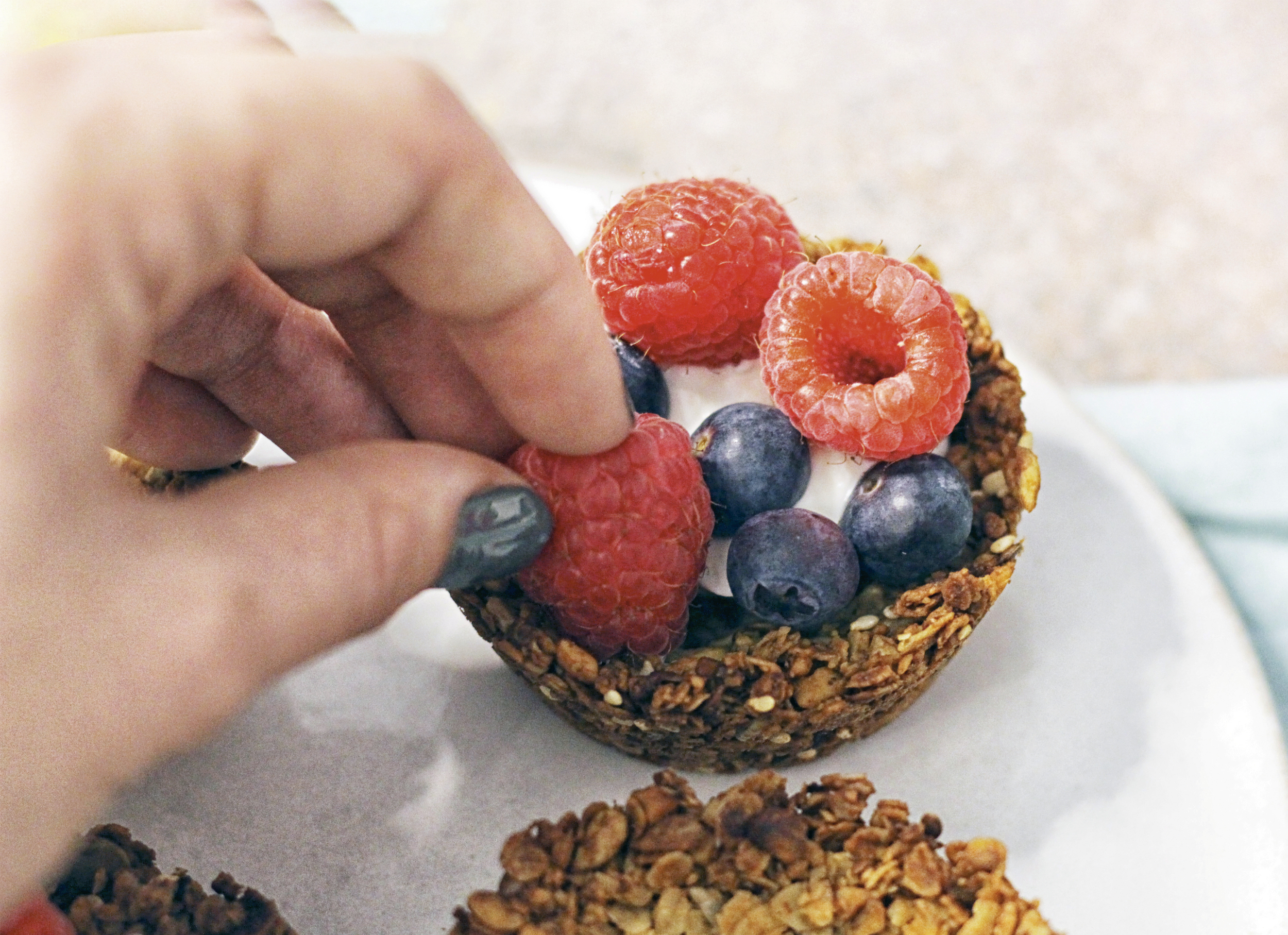
Make breakfast nests for friends and neighbours
Treats to share by Liberty Mendez
Ingredients:
- 50g unsalted butter (or vegan alternative)
- 50g honey (or vegan alternative)
- 1 tsp vanilla extract
- Pinch of salt
- 100g oats
- 30g mixed nuts (optional)
- 35g mixed seeds
- 6 tbsp Greek yoghurt (or vegan alternative)
- Berries
- Heat your oven to 200°C/180°C fan/gas mark 6. Melt the butter, honey and vanilla in a saucepan. Set this aside
- Mix the oats, mixed nuts, seeds and salt together. Combine with the melted butter mixture.
- Grease a muffin tin. Divide the granola mixture evenly. Dip your fingers in water and shape the nests by pressing them in the middle.
- Bake for 12 minutes until golden brown. Allow them to cool.
- When you’re ready to eat them, spoon yoghurt into each nest and top with the berries and extra nuts.

Join the Big Garden Birdwatch
Big Garden Birdwatch is the world’s largest garden wildlife survey. Every year, hundreds of thousands of nature lovers like you take part, helping to build a picture of how garden birds are faring. From bird feeding advice to tips on attracting wildlife, we’ve got everything you need to prepare for your Birdwatch.
Find out more, register to take part and get your free ID guide on our website. You’ll find plenty of helpful ID tips on there too.
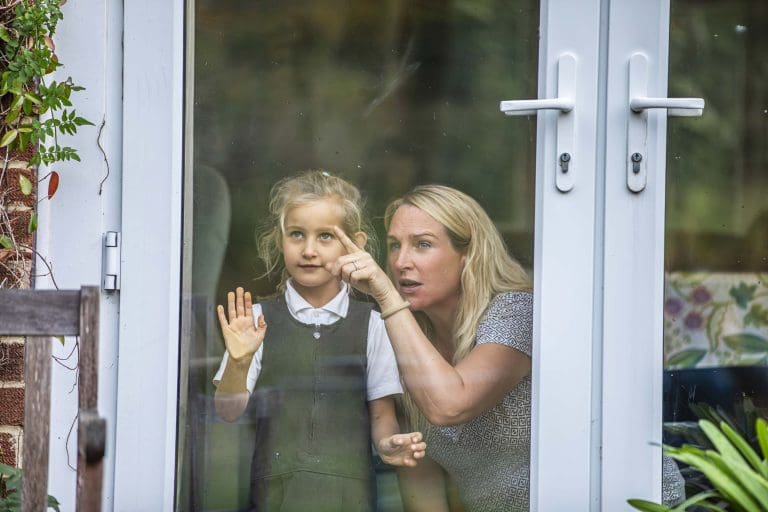
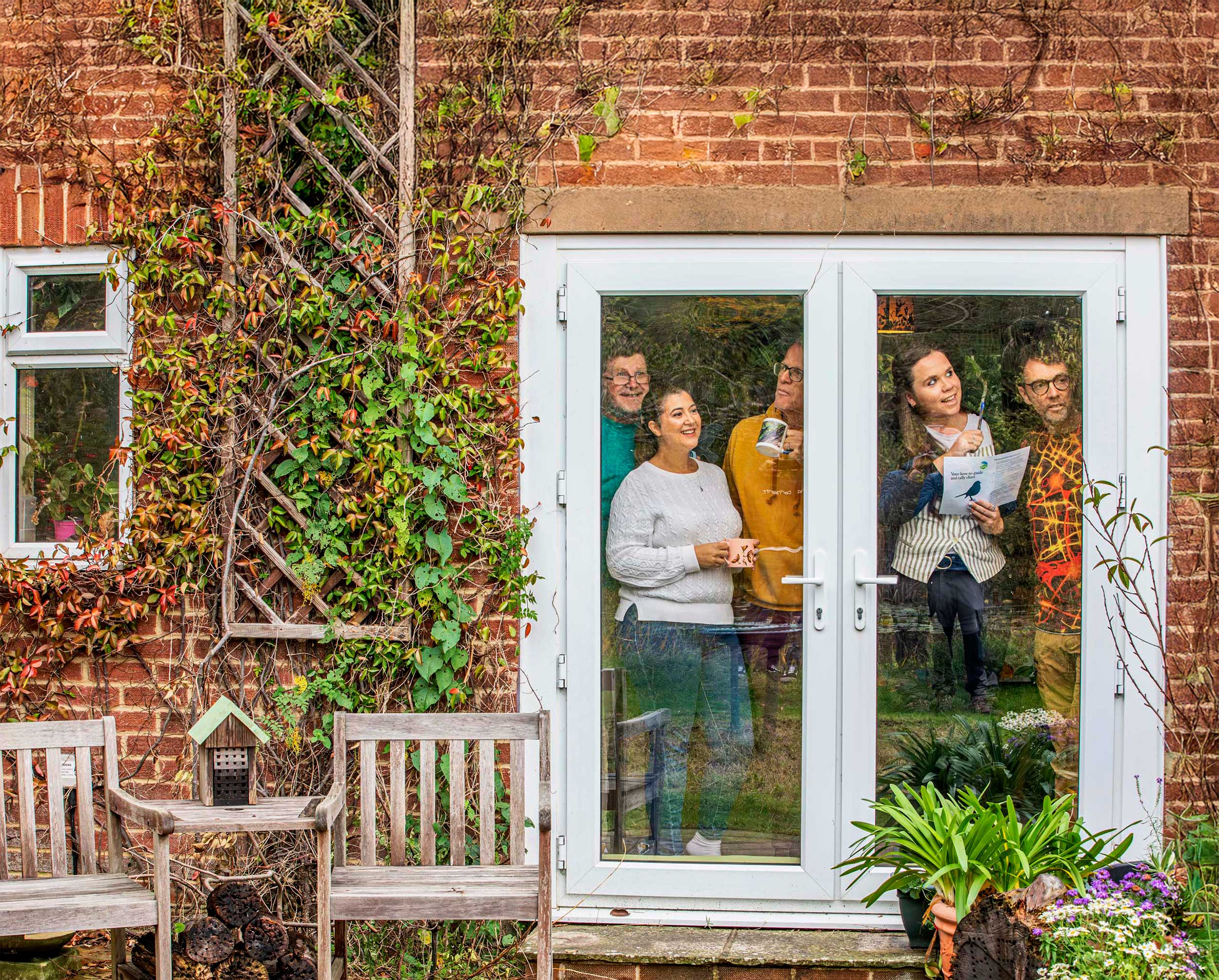
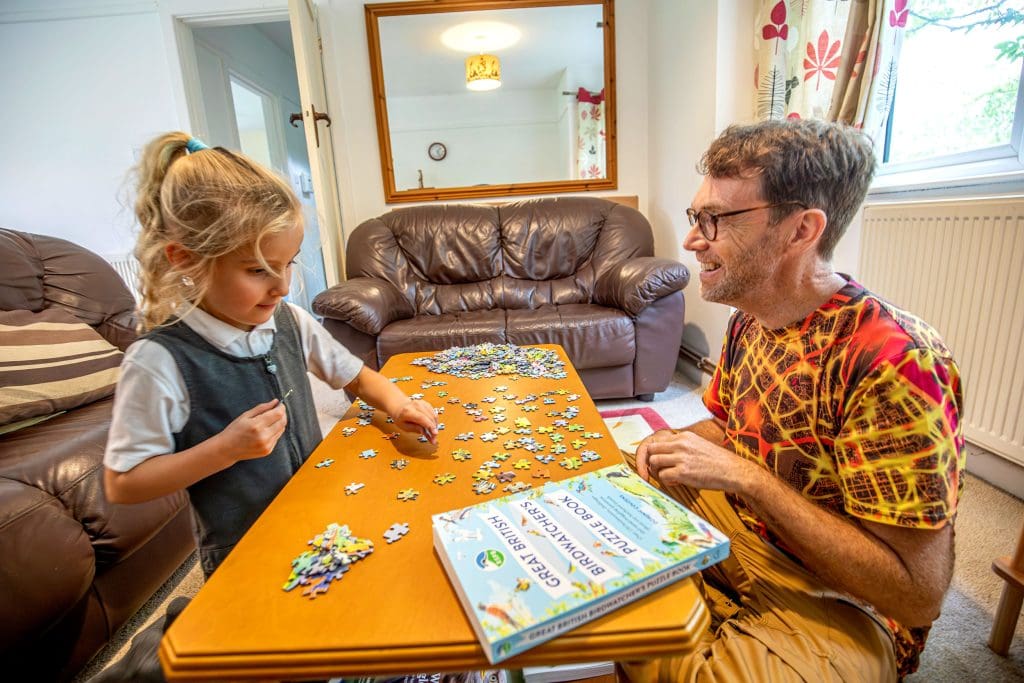
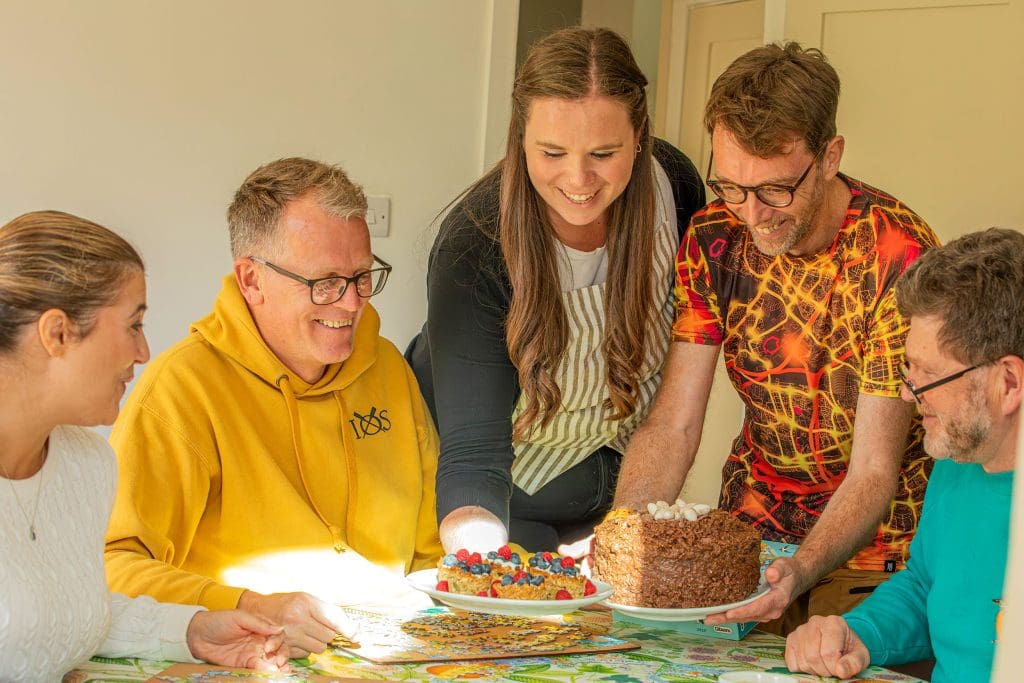
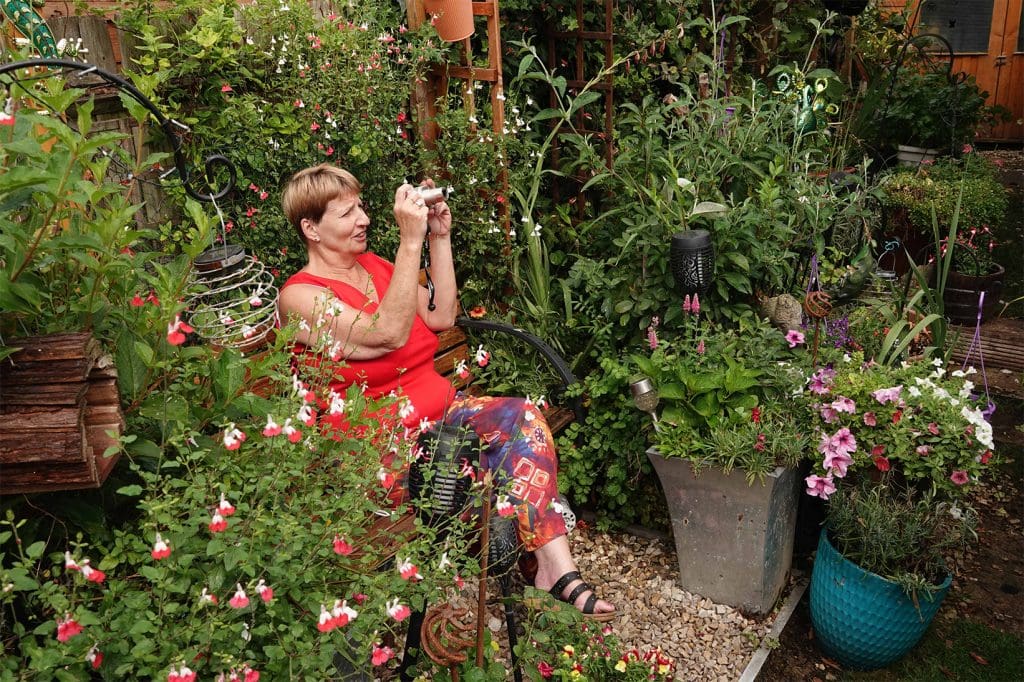
Enjoy sharing the Big Garden Birdwatch with friends and family. Photo: Ben Andrew
You might also like
How to attract birds to tiny gardens
Secret lives of familiar garden birds