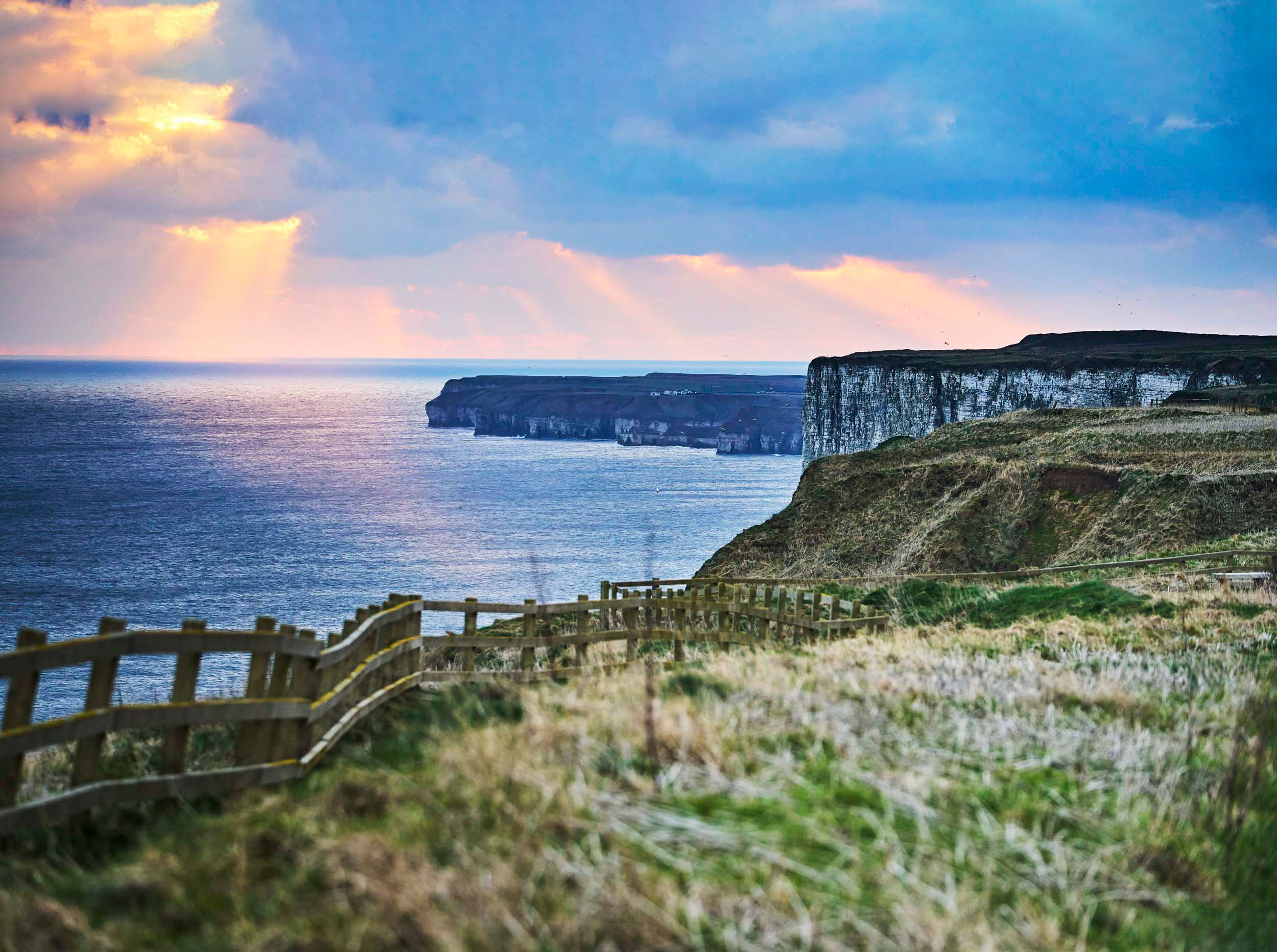
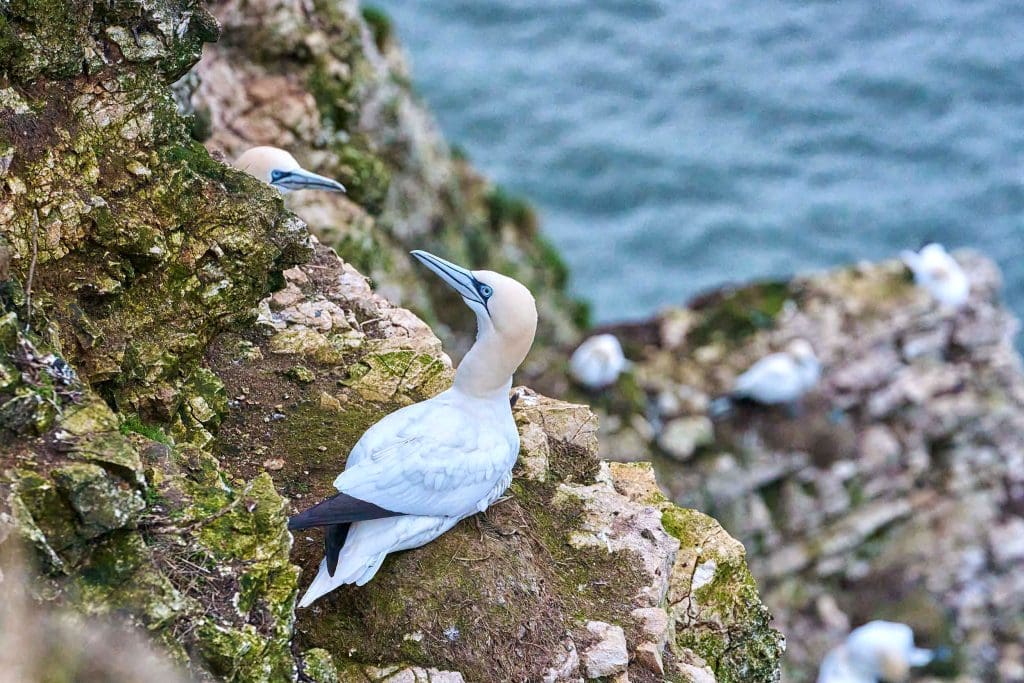
As I stand atop the sheer cliffs, overlooking the North Sea, the Gannets come close enough to touch. At this range I can see the flawless texture of their streamlined feathers. Fading down the long neck, the head’s gentle cream gives way to the pure, brilliant white of the body. There’s that piercing blue eye.
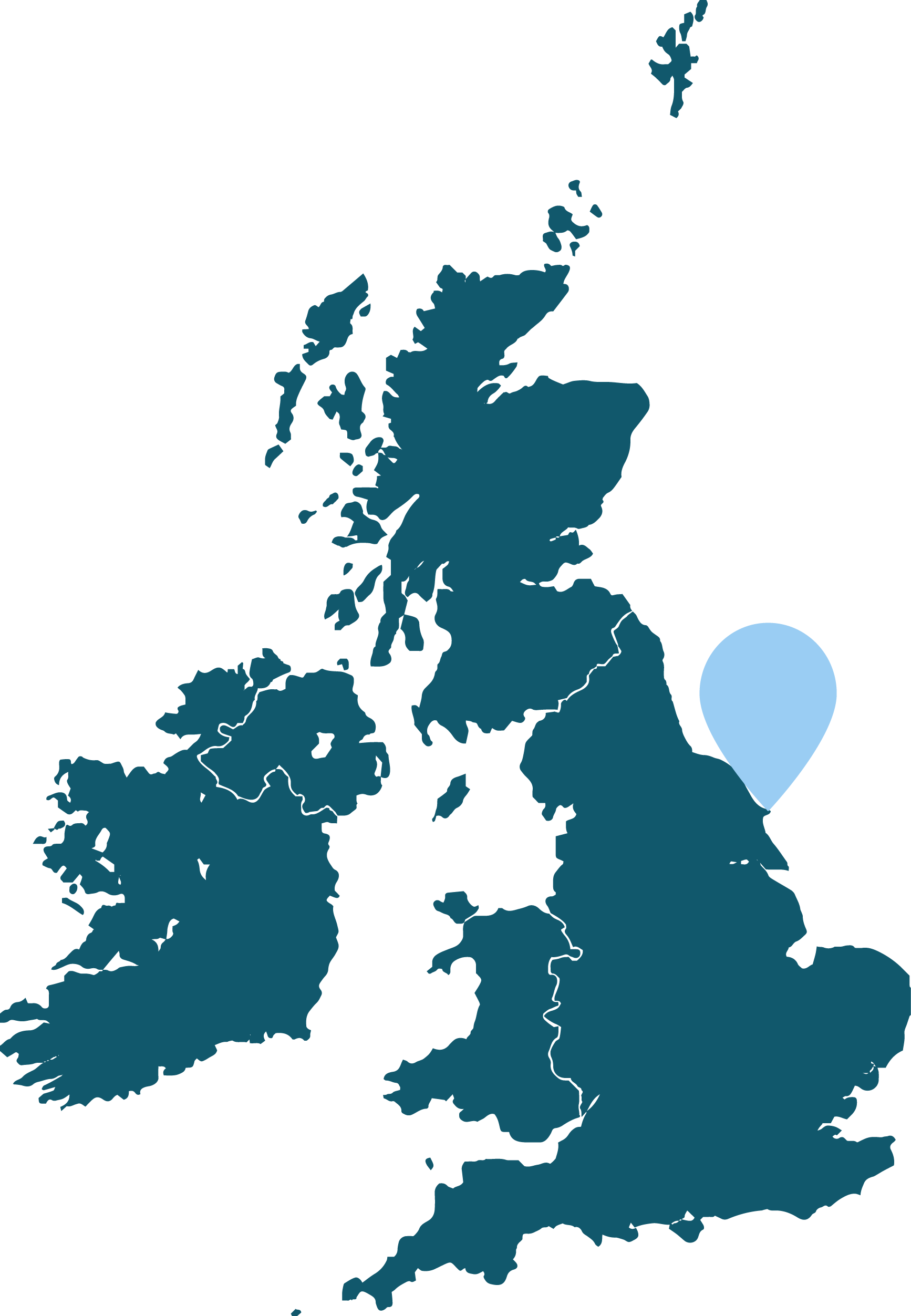
I’m at the RSPB’s iconic Bempton Cliffs in Yorkshire, but this is not Bempton as many may know it.
The cliffs are not heaving with a plethora of seabirds, there is no clamour and bustle of nesting and rearing chicks. It is February and there are only the Gannets and the Fulmars, and the odd Shag scooting across the waves below.
On planning this visit, I hadn’t relished the thought of a trip to some exposed cliffs in the tight grip of winter. Everyone I spoke to warned me “wear layers!” And the conditions were as brutal as I had been warned they would be. Wind whipped in off the North Sea, making my eyes water. My toes went numb. At least it wasn’t raining.
My day began with a trip to the visitor centre. Heaving in summer, in winter things are less manic, but there are still plenty of hardy wildlife watchers availing themselves of a warm drink and a piece of cake before heading out into the cold. From the windows I could see over the rough grasslands and few weather-beaten trees, to the tops of the sea cliffs beyond. Out of the corner of my eye I did spot a brief distant flash of white, my first tantalising glimpse of the Gannets.
Discover why visiting seabirds choose these formidable seaside rock faces for nesting
Visitor guide RSPB Bempton Cliffs
Getting there
The nearest train station is Bempton, which is around a 1.5 mile walk from the nature reserve. If coming by car, Bempton is a 30-minute drive from Scarborough.
Entry
Free entry for RSPB members, and £4 for non-RSPB members in winter. Parking is included in the admission fee.
Seasonal highlights
See a small number of Gannets securing the best early nesting spots. Short-eared Owls and Barn Owls can be seen quartering over the grasslands. Winter rarities might show up.
This season’s star species
Barn Owl, Snow Bunting, Linnet, Yellowhammer, Short-eared Owl, Tree Sparrow, Merlin.
Accessibility
Parking: 74 car parking spaces, with 11 Blue Badge spaces and a drop-off point immediately outside the visitor centre.
Wheelchairs: Level access for the visitor centre and shop. There are viewpoints with accessible bays; benches at regular intervals; and some trails have tarmac paths.
Dogs: Dogs on leads are allowed on all footpaths and well-behaved dogs are welcome in the visitor centre. Assistance dogs are welcome in all parts of the reserve. Find out more ahead of your visit
Nature’s rest stop
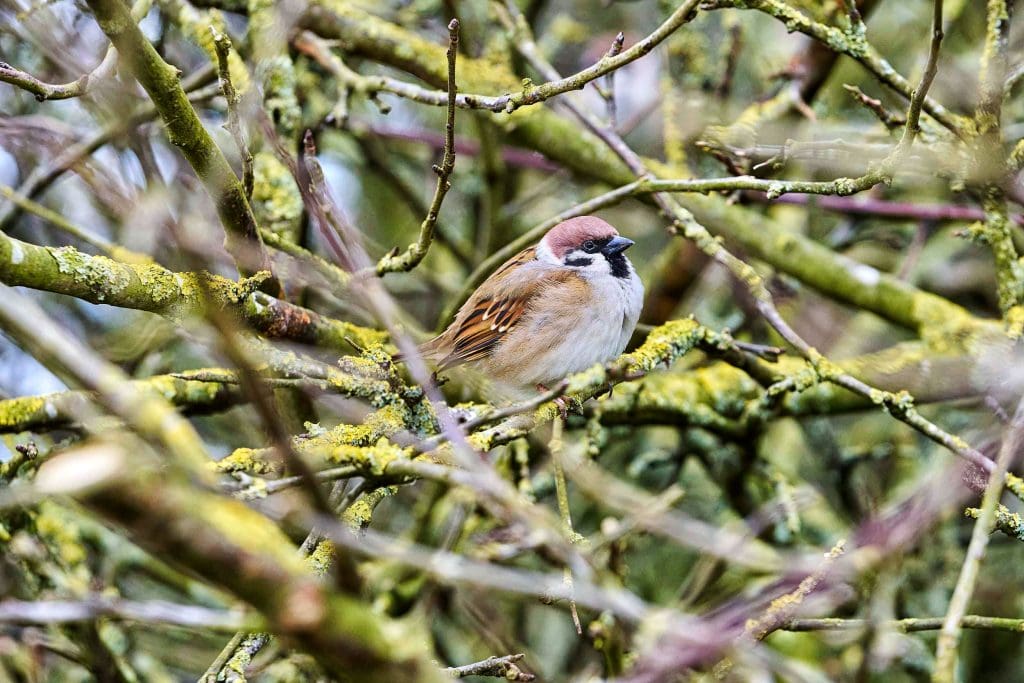
I am met by Dannie Jackson, who has been the Duty Manager at Bempton for five years. After giving me an outline of the site, together we step out into the biting wind. The first thing to catch my eye is a sparrow, perched at head height in the low scrub just outside the centre. Accustomed as I am to friendly House Sparrows in Bristol city centre, I give it a smile, but I do a double take. Instead of a grey head I see chocolate brown. “Oh my gosh it’s a Tree Sparrow,” I gasp. This is a lifer for me. Dannie laughs at my amazement.
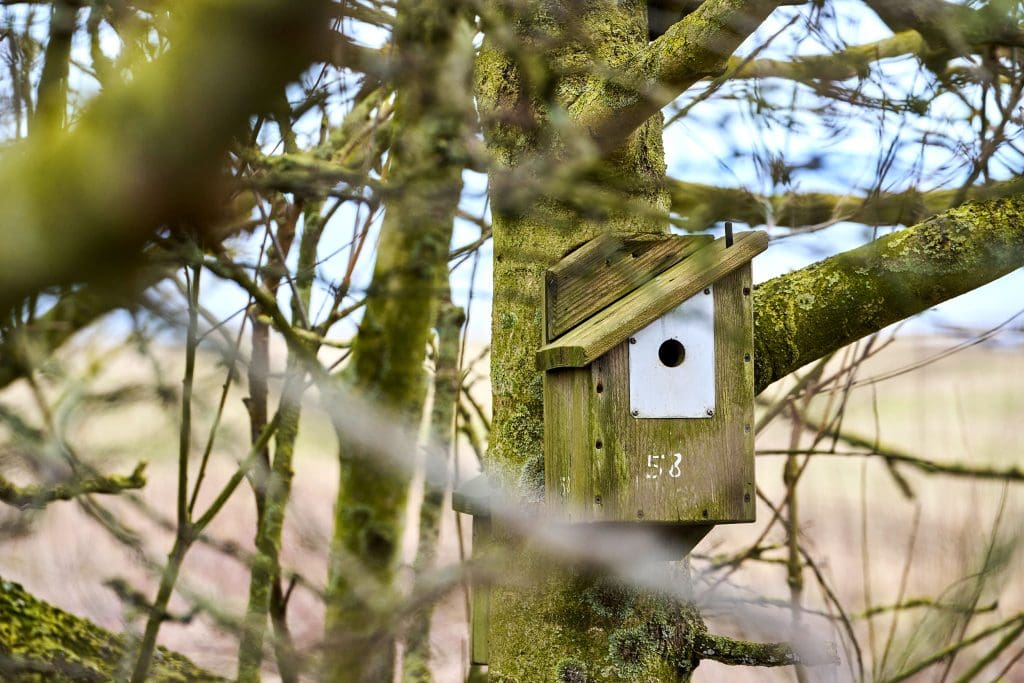
“They’re so common here I forget they’re a rare sight for some people,” she says. “They nest in the boxes on the visitor centre and do very well. Over 400 fledged in 2023 and over 250 in 2025.” With the serious declines this little bird has suffered since 1970, this is heartwarming news to begin the day with. The hedges here are alive with them, chattering away in busy flocks.
This first surprising sighting is typical of Bempton in the winter, it is a place of special species and breathtaking moments. In winter look for Redwings, Goldcrests and Bramblings. Woodcock have been seen here, as have Snow and Lapland Buntings. Learn how to ID buntings.
‘Often the first stop for exhausted migrant birds who have just crossed the North Sea, there is no telling what might turn up here’
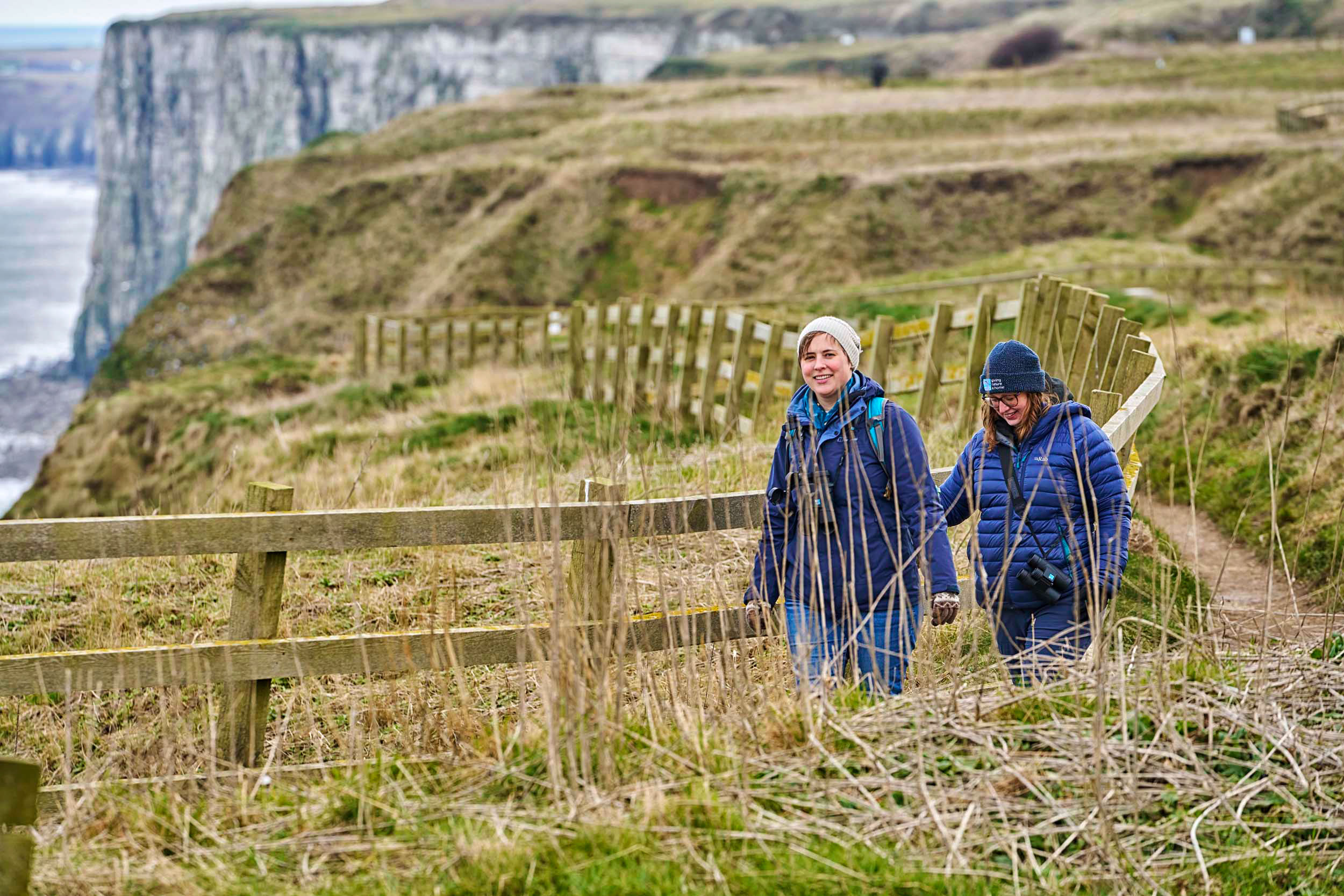
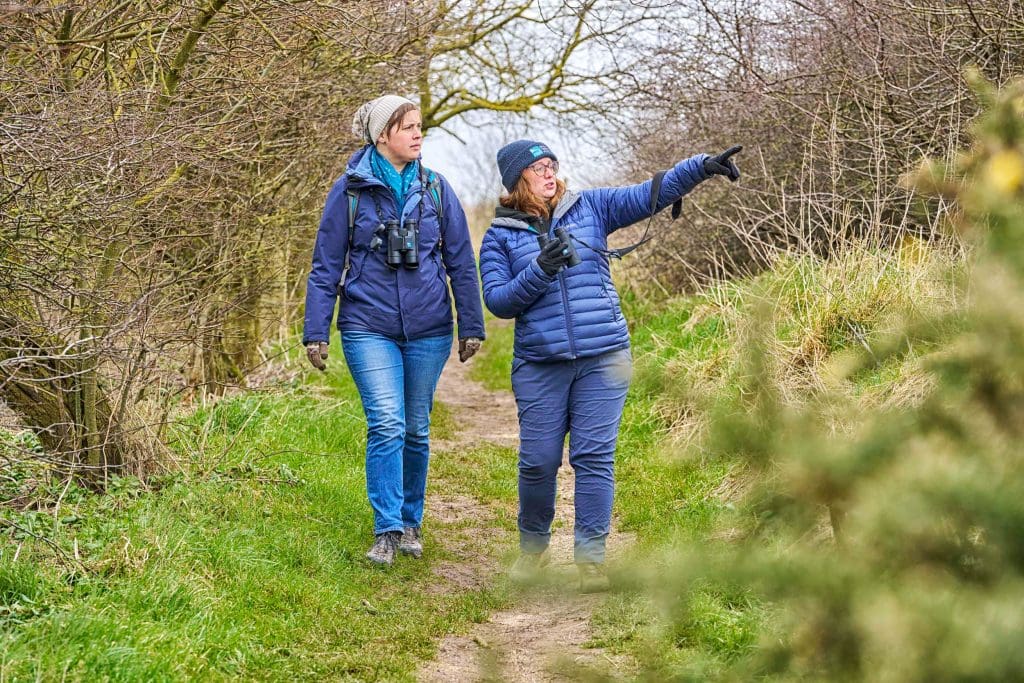
Emma (ahead) and Dannie walk the clifftop trail. Photo: Our Media Studio
Often the first stop for exhausted migrant birds who have just crossed the North Sea, there’s no telling what might turn up here. In October 2024 a Pale-legged Leaf Warbler stayed for about a week, this was the first of this species to be seen alive in the Western Palaearctic. Rare shrikes have been seen here, too. Dannie shows me the ‘magic bush’ that she and her colleagues often check. One of the first trees on site that migrant birds hit, it often holds rarities.
The space in front of the centre may not look like much, but the team has worked hard here to provide everything an arriving bird needs. There are hedges and trees (small because of the harsh conditions but actually around 30–40 years old), the long grasses are alive with small mammals such as voles and mice, and in summer wildflowers provide plentiful insects. There are also sources of water in the shape of both seasonal and more established ponds. These areas welcome Barn Owls and Short-eared Owls, as well as other raptors: Kestrels, Peregrines, Sparrowhawks and even the occasional Marsh Harrier. Test your bird of prey knowledge in our quiz.
Listen to the call of the Sparrowhawk
Sparrowhawk. Audio: Sophie Neill (xeno canto)
To the cliffs
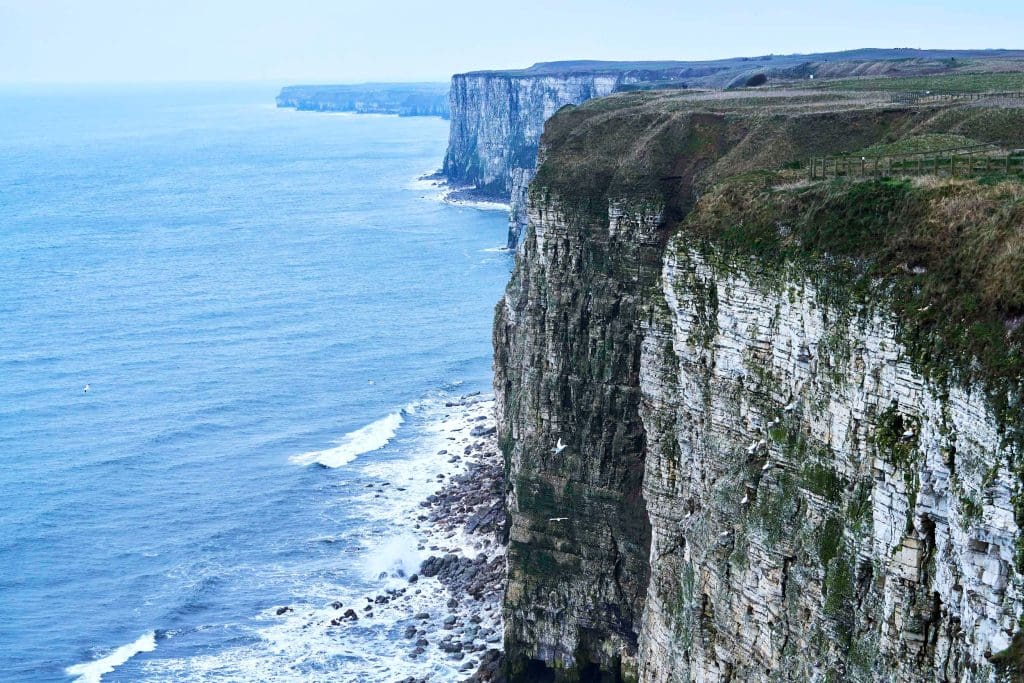
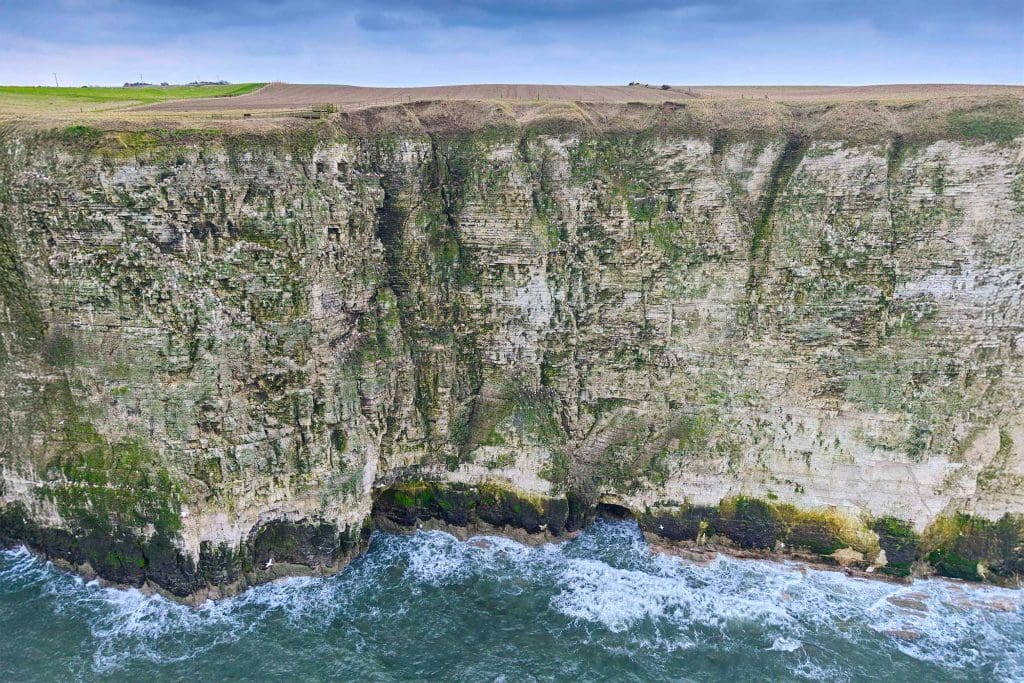
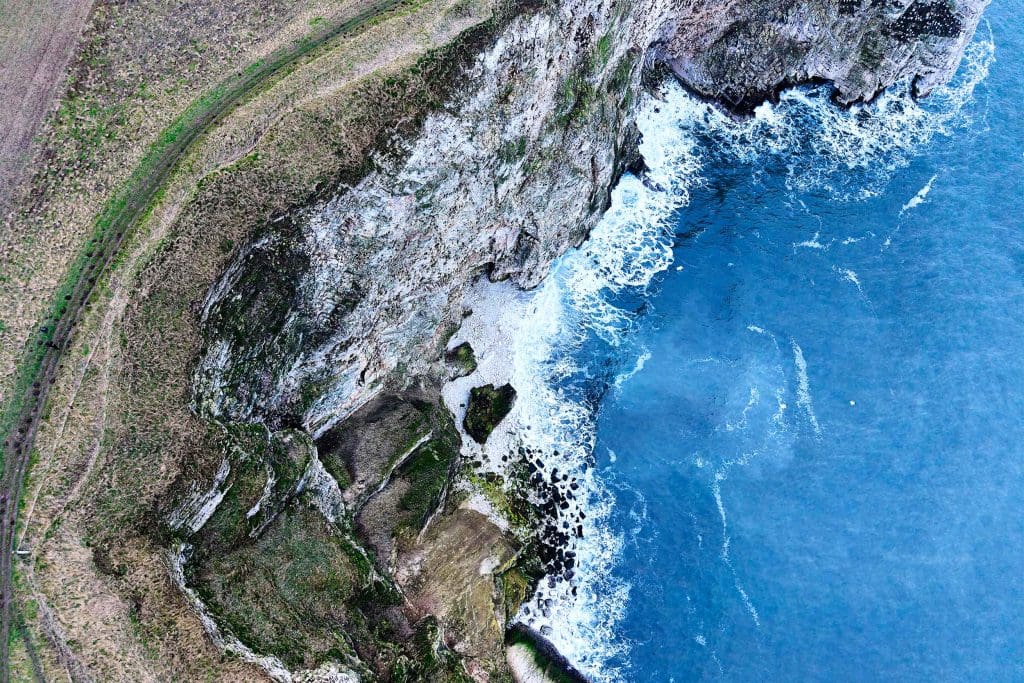
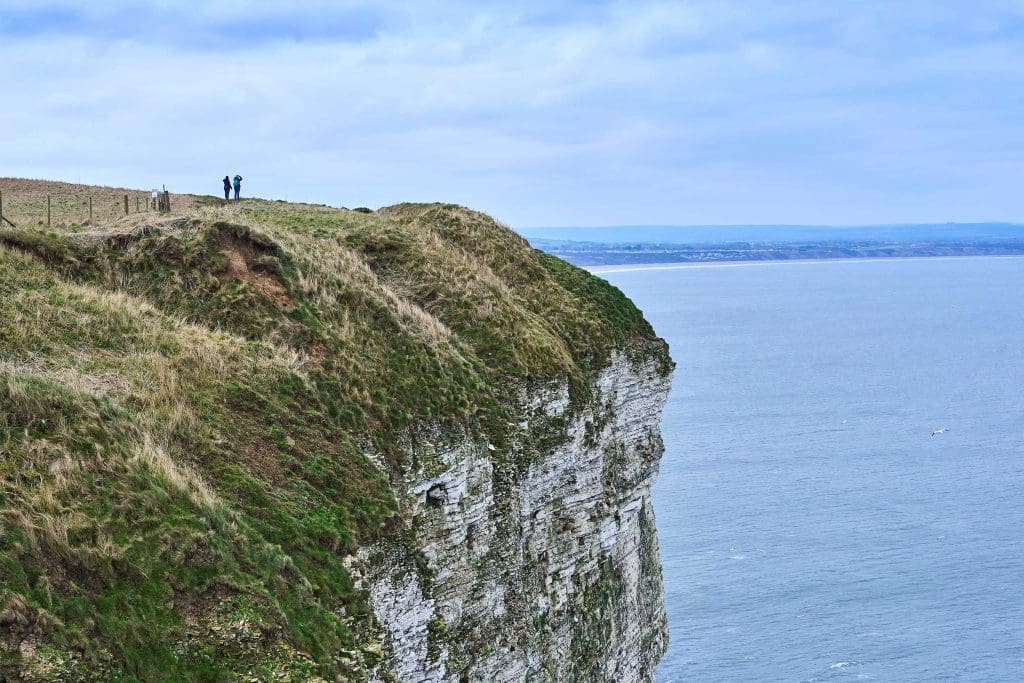
Of course, what Bempton is most famous for is those sheer cliffs. Indeed, look at the site on a map and it is a long strip that runs along the coast, the abutting fields on the clifftops are owned by farmers.
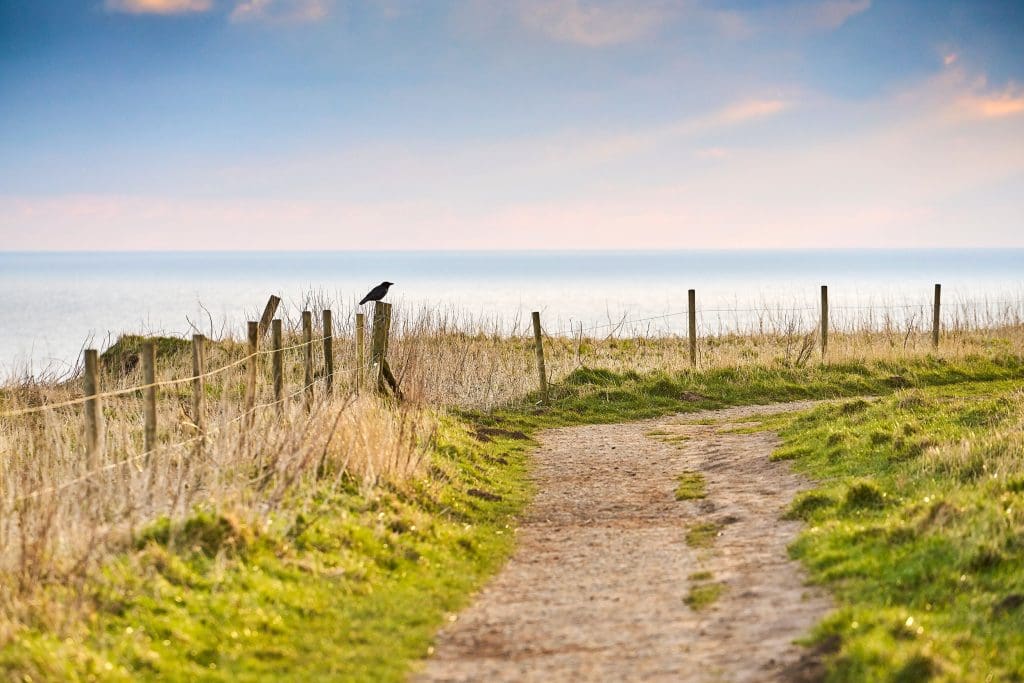
“One farmer has allowed us to take over the edges of his fields so we’ve planted a sacrificial crop there,” Dannie explains, as we walk the edge of the cliff. “When the wintering birds come in, such as buntings and Yellowhammers, it adds to their food supply in the wintertime.”
Heading along the Staple Newk Trail, I wasn’t sure what to expect in the depths of winter, knowing that the Puffins, Guillemots and Razorbills that nest here come spring would be absent, so my heart soared as I saw the ethereal white shapes of Gannets riding the wind. There was no summertime clamour of calls, but the cliffs were by no means empty. Learn how to ID common seabirds.
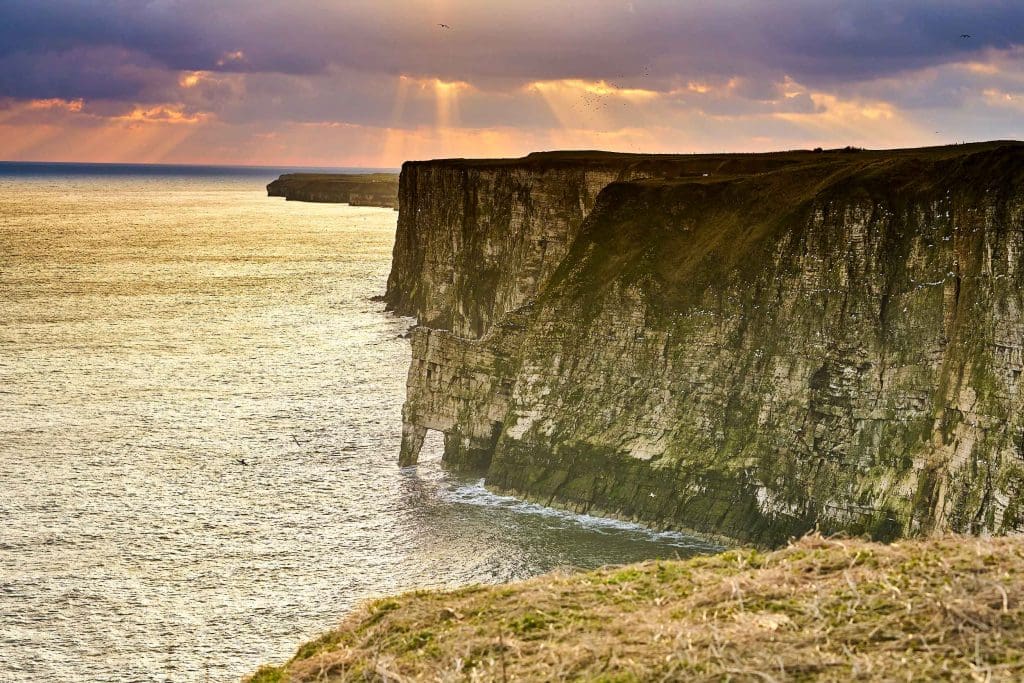
There have been seabirds nesting on these cliffs for hundreds of years. In 1869 a local reverend, Barnes Lawrence, was the first to begin protecting them, as shooting for fashion and for sport was rife. Kittiwake feathers were fashionable on hats, and the birds here provided easy target practice for those getting their aim in before heading to the grouse moors. The reverend aimed to put a stop to this as, as well as being worth protecting in their own right, these birds were actually also providing a valuable service to humans. The sheer volume of them all gathered on the cliffs, chattering away, was enough to be heard in the dark and so it helped to avoid shipwrecks in these perilous waters.
In 1954 the problem had shifted to egg collecting, thieves scaling the 400ft cliffs on ropes to raid the precious nests. There were some species individuals that never produced a single egg year on year, the problem was so rife. And so, the Protecting Birds Act stepped up.
The RSPB then started to acquire land here in 1976, to add to this protection, and today this has expanded to include 5km of cliffs.
Time to reflect
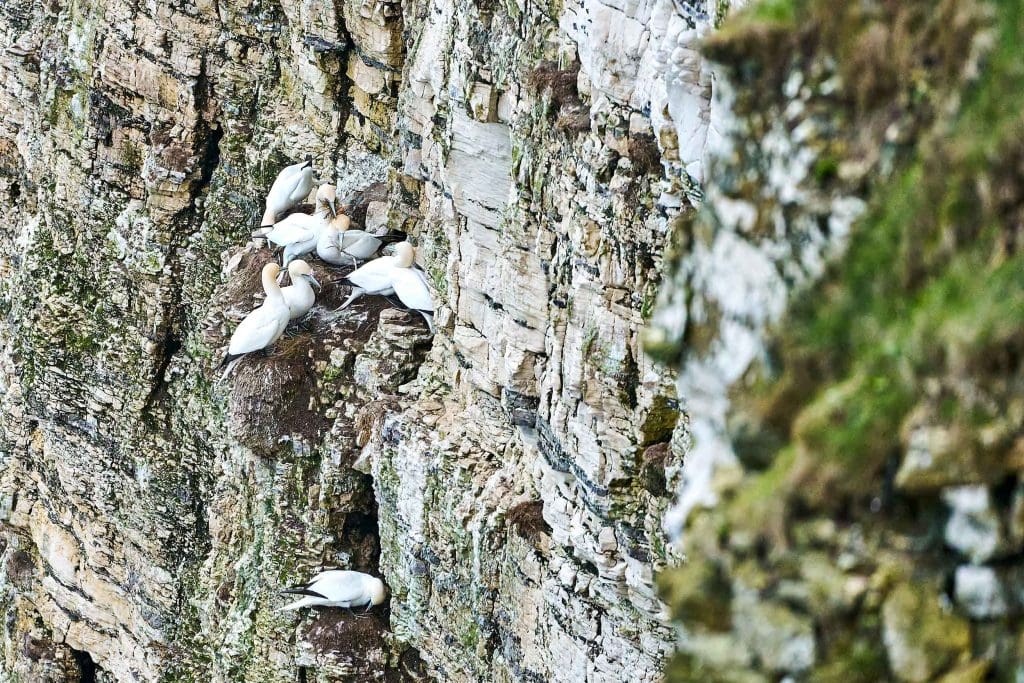
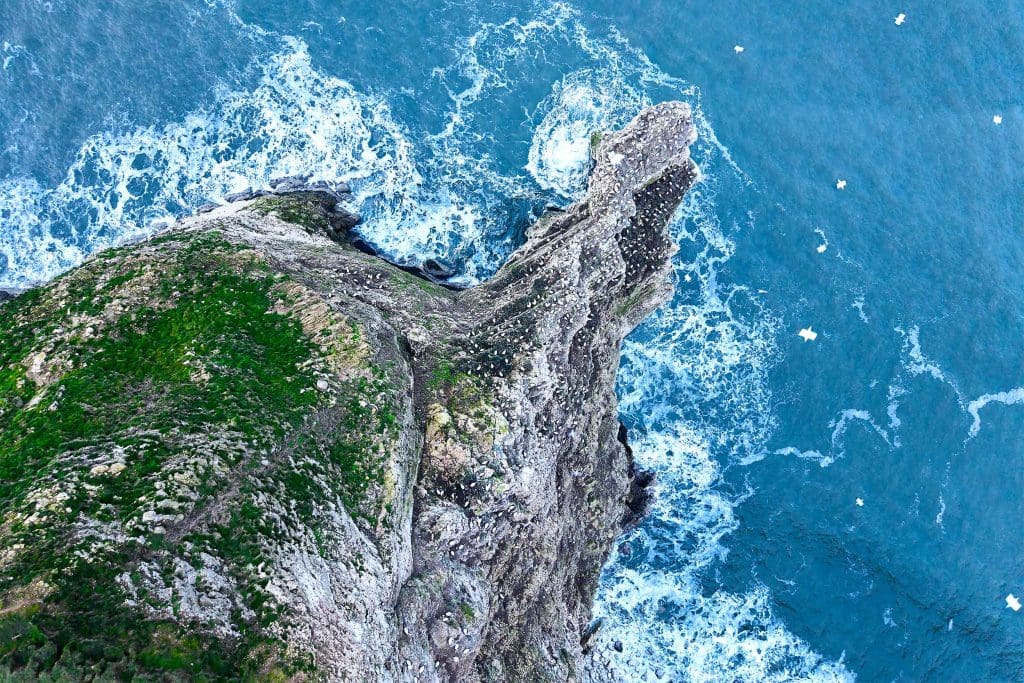
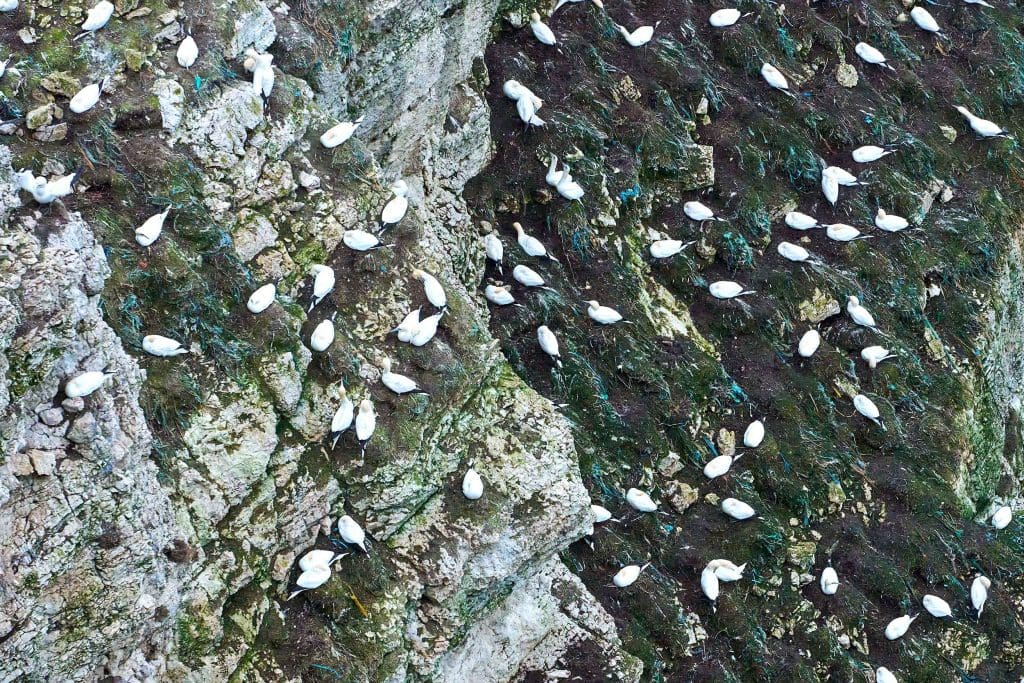
It’s over these cliffs that Gannets glide at eye level. No binoculars are needed here. On my visit they are already jostling for nest space on the, as yet, lightly occupied cliffs. Mated pairs greet each other with beak waggles and preening. Should an interloper intrude on their space a swift sword fight ensues. They are also already picking up nesting material, flying over our heads with beaks full of seaweed. Sadly some of the nests out on Elephant Rock contain the bright blue of fishing line. Dannie once saw one with a mobile phone.
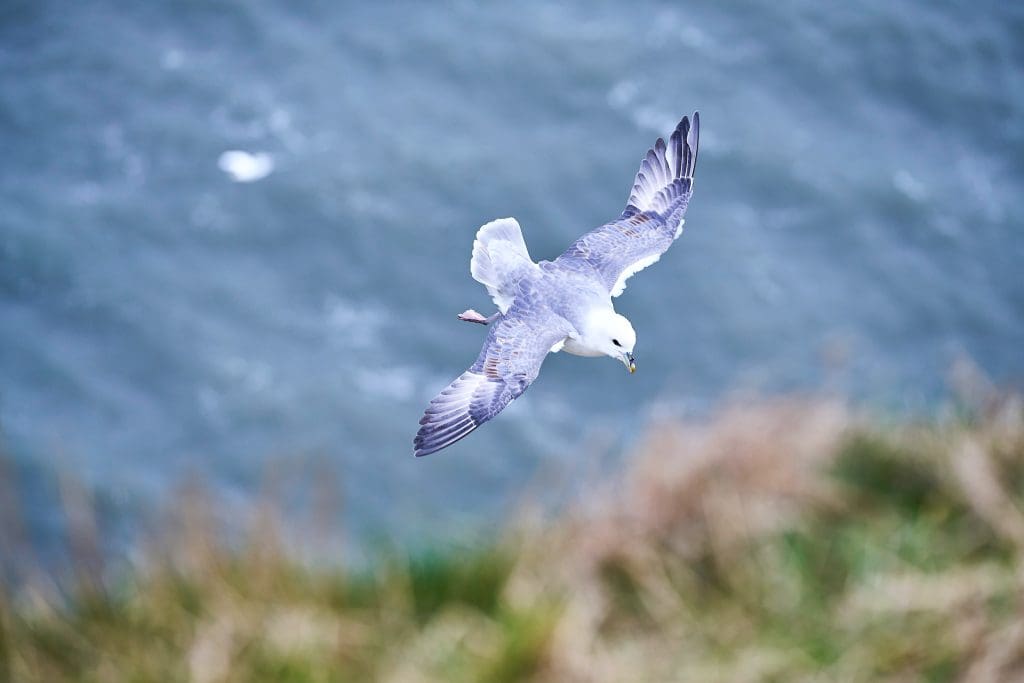
Fulmars ride the updrafts, their tails fanned out to ride the wind. More demure than the Gannets they quietly pair up and preen. They seem to love riding these rough winter winds, taking off from the cliffs just to enjoy the whirl before landing again.
There are plenty of gulls around, too. I saw Herring and Great Black-backed on my visit but you could see Black-headed and Common too, as well as rarer species such as Glaucous, Iceland and Little if you’re lucky. Use our gull guide to hone your skills.
An optimistic Herring Gull is guarding a prime spot on the rock. Dannie laughs at its hopefulness, doubting whether it will be able to hold on to that spot long enough to nest. It has room now, but come spring 15,000 Gannets will be jostling for space here, the Guillemots already pushed out to other spots.
Listen to the call of the Herring Gull
Herring Gull. Audio: Stuart Fisher (xeno-canto)
Turning around and heading back on ourselves to walk the Jubilee Corner Trail, we pass several of Bempton’s hardy volunteers. A large team is crucial to the running of things here, particularly surveying, the most vital task.
“Our role here is to monitor the seabirds and their productivity,” says Dannie. “We do counts on the seabirds, monitor eggs and chicks, and do a full seabird colony count every five years. We do the monitoring from the top of the cliffs but also do counts from boats and sometimes use drones. A conservation science team also do tagging of the birds and they go down the cliffs to do that.”
A Skylark climbs into the sky over the fields, singing its heart out over and over, while a Peregrine spooks a flock of pigeons, flushing them into the air. Out at sea we see first a pod of dolphins leaping through the waves, then two Harbour Porpoise further to the north. In fact, so perfect is this location for spotting marine mammals that Bempton Cliffs is now a ‘Shorewatch’ destination – a partnership between the RSPB and Whale and Dolphin Conservation – where volunteers carry out structured ‘watches’ for Minke Whales, dolphins, Grey and Harbour Seals and Harbour Porpoises.
My face is stinging and my hands numb, but I am beginning to see why the staff and volunteers here find the winter to be so special.
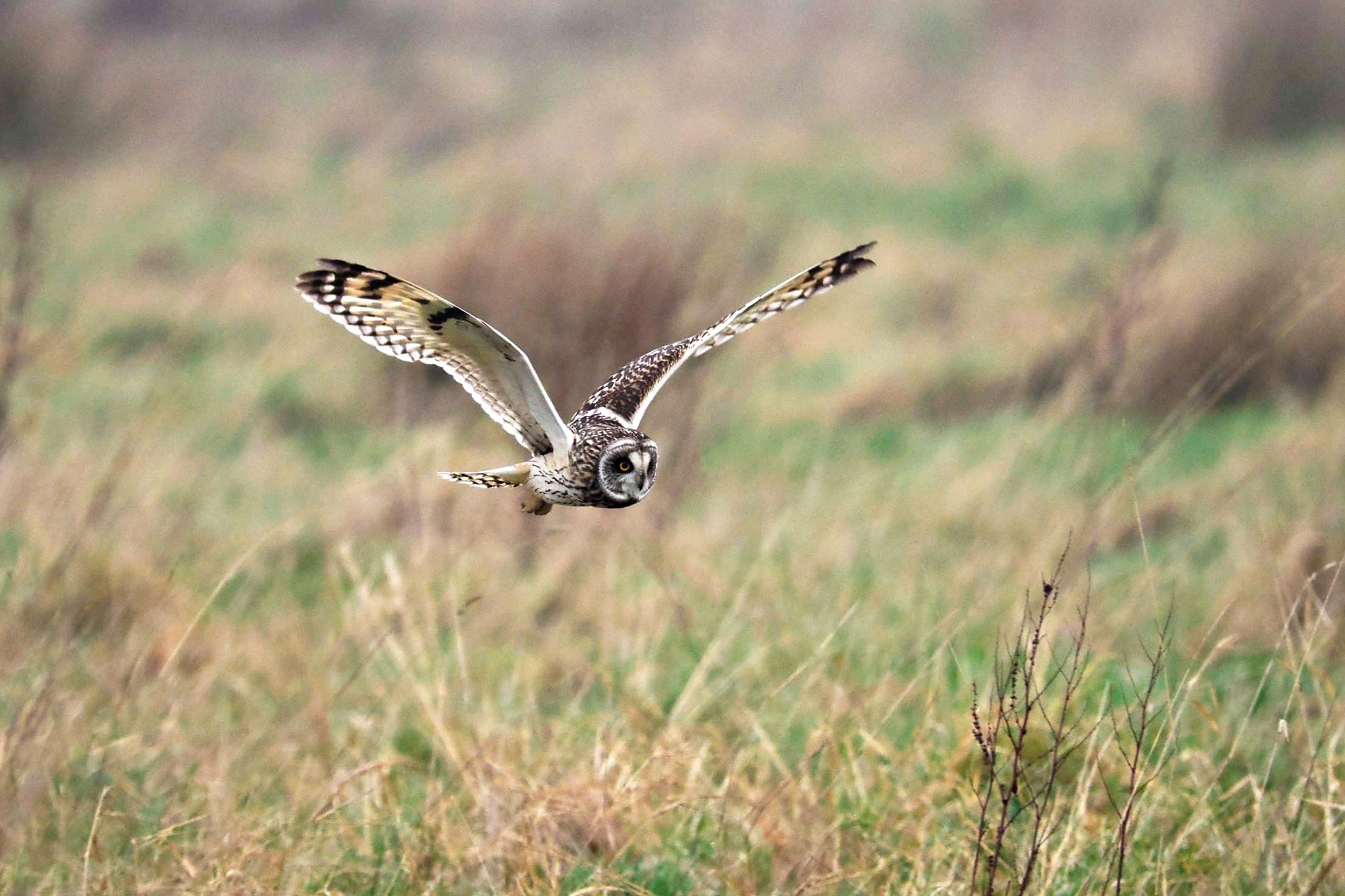
Short-eared Owls hunt over grassland at Bempton. Photo: Richard Brooks (rspb-images.com)
‘I hear the roar of the sea, the throaty grumble of a landing Gannet, and then the Skylark begins its climb again’
“It’s such a beautiful place to be in winter,” says Dannie. “Seeing the Gannets is almost more special than in the summer because you don’t really expect it, and the Fulmars are a joy to watch. The reserve is quiet at this time of year, almost contemplative. It’s a place where you can feel calm and at peace.”
We pass the Narrow Crag, formerly a blowhole, it is a key spot for burrowing Puffins in summer. Currently it is home to a sheltering flock of pigeons, fluffed up against the cold. Thoroughly frozen, we head away from the cliffs and back to the shelter of the visitor centre, ready to warm up.
In a few months this spot will be thronging with people eager to see the seabirds: the Razorbills and Guillemots, the business-like Puffins bustling about in their neat little suits. But now it is muted. The sea and the sky are a wall of grey, there are only a handful of people to wave good morning to on the paths. And yet. Standing for a moment in this exposed spot before heading back inside, I close my eyes: I hear the roar of the sea, the throaty grumble of a landing Gannet, and then the Skylark begins its climb again.
Nature has certain annual events we love to see: a seabird colony in late spring, a Starling murmuration in the winter, skeins of returning geese in the autumn. But by seeking certain spectacles are we also missing too much? A February visit to a seabird colony may be considered ‘out of season’, but nature never closes.
You might also like
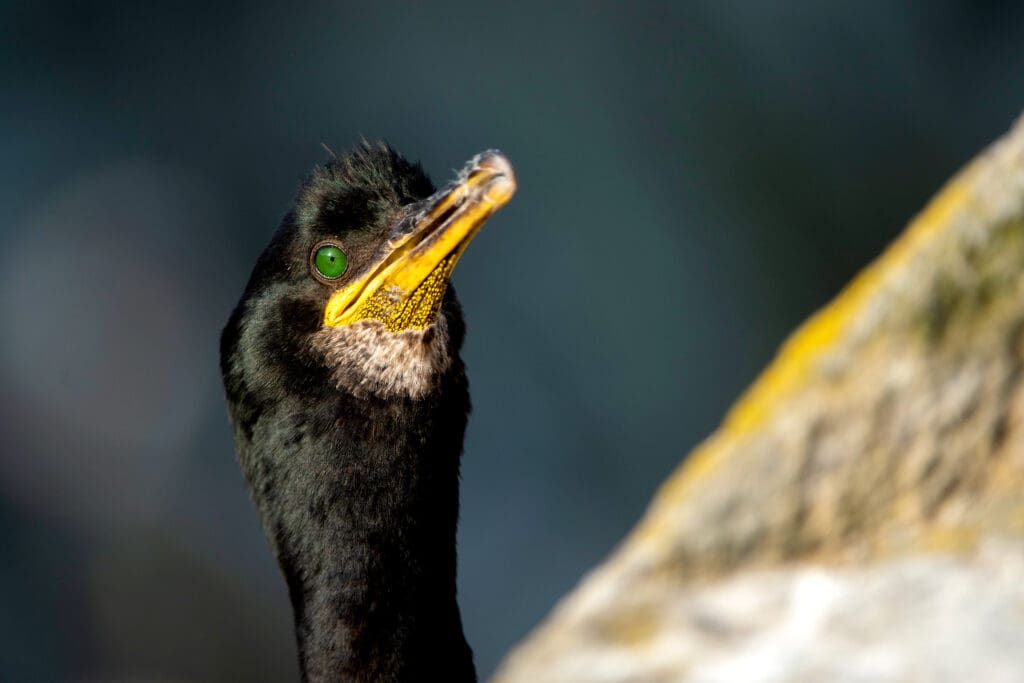
How to identify common seabirds
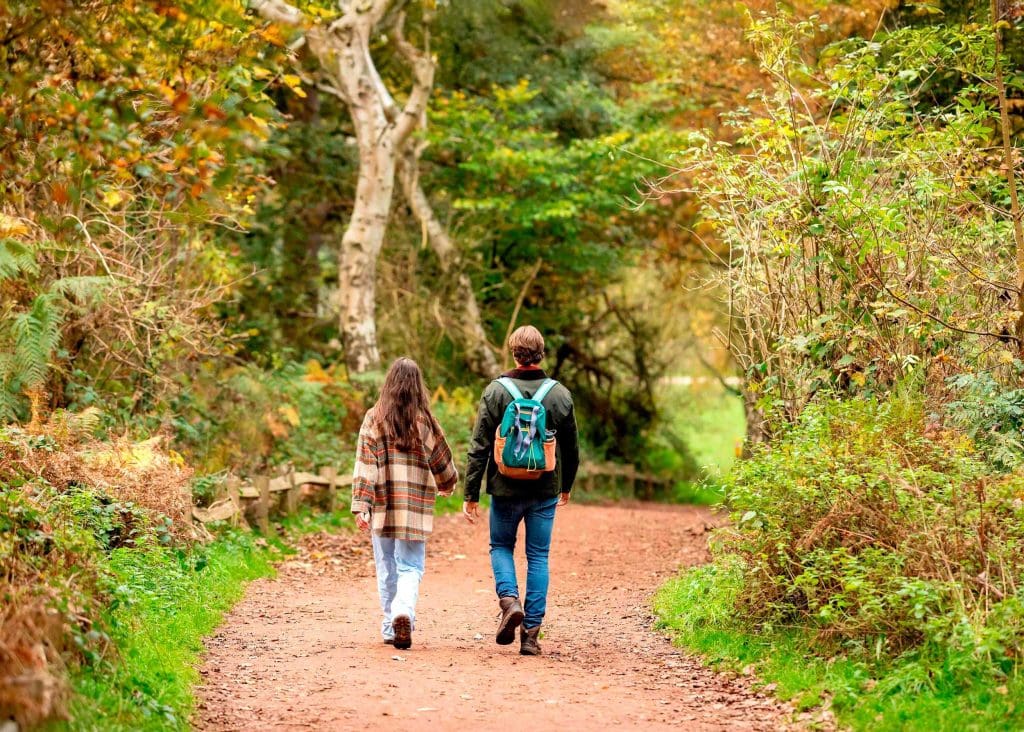
Days out in nature this season