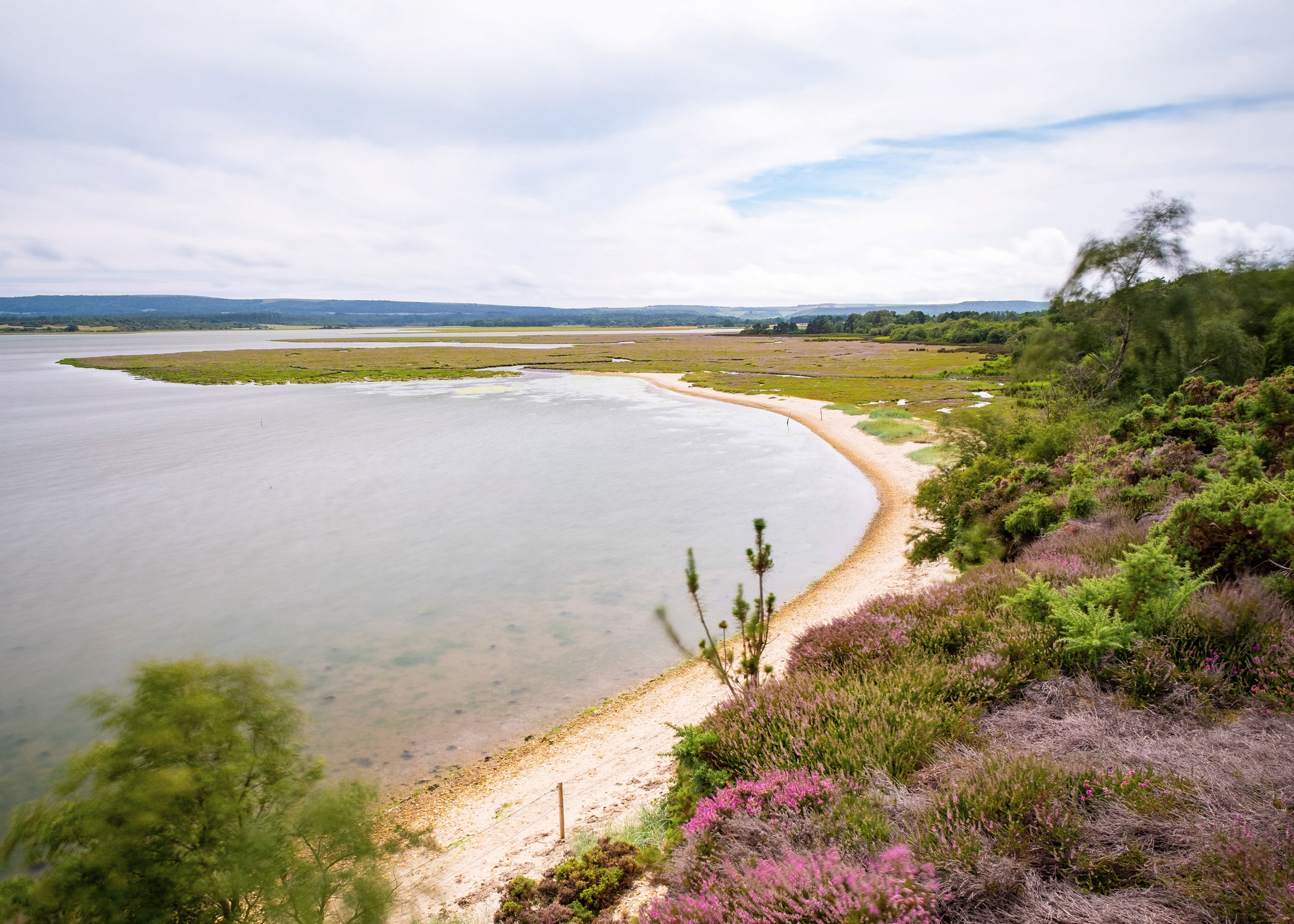
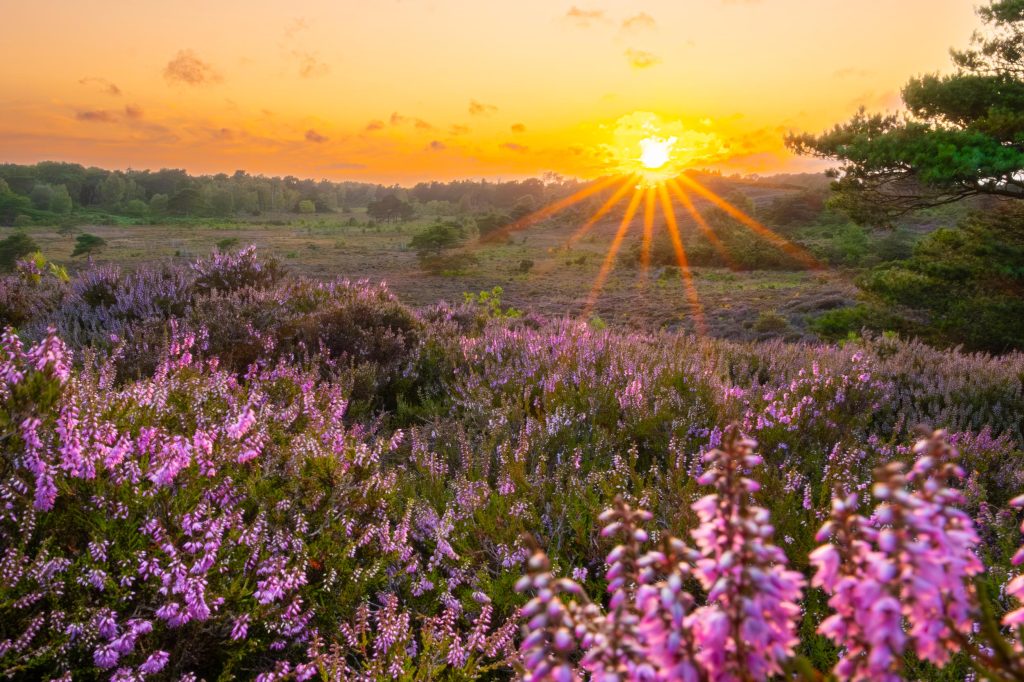
Growing up in Dorset I have many fond memories of family trips to the Arne peninsula. When I think back to those formative summer days wandering the heaths and woodlands, it’s Adders I remember most. The wonder, and slight trepidation, I had whenever we came across one of these amazing snakes.
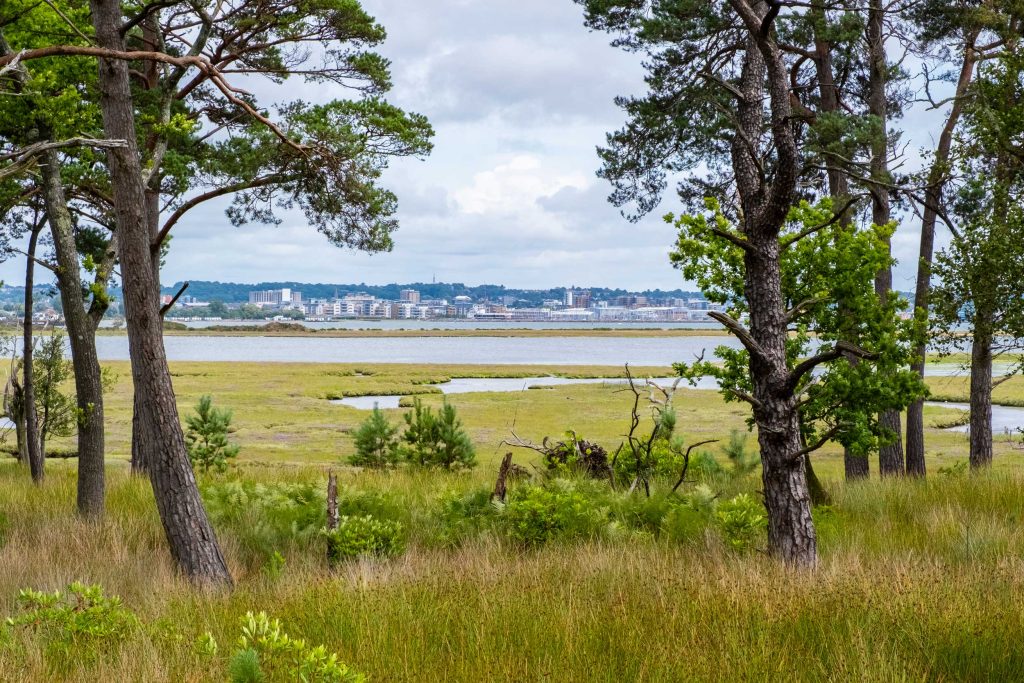
Sitting on the edge of Poole Harbour and surrounded by ever more development, this landscape has persisted because it was afforded protection. Years later, it remains for others to enjoy and revel in sightings of Adders entirely because of this protected status.
Protected areas are often spoken about as if they are a luxury, a nice-to-have, somehow separate from the ‘real world’ of economic growth and national priorities. In reality, they are one of the best and most practical tools the UK has for protecting its future. These landscapes and seascapes, including our national parks, National Landscapes (formerly Areas of Outstanding Natural Beauty), national nature reserves and Sites of Special Scientific Interest (SSSIs) are not just pretty places on postcards. Nature is under intense pressure from development, pollution and a rapidly changing climate, and these protected areas act as lifelines. Many species depend on these places to survive and without them, the loss of nature would accelerate, and some species could disappear completely.
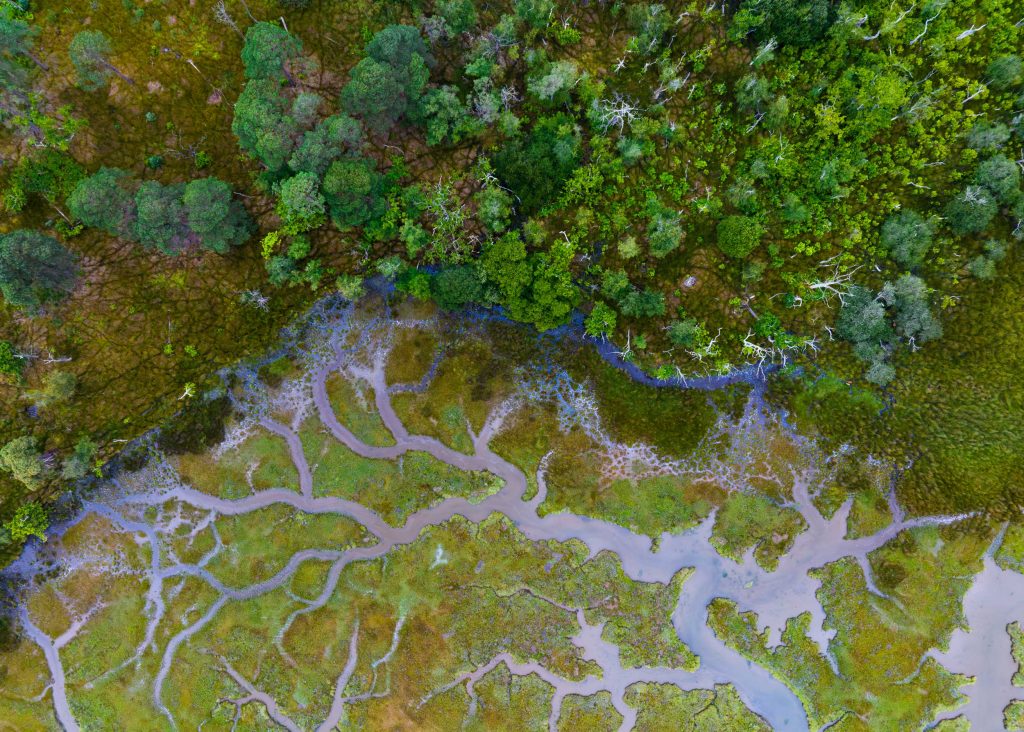

But the value of protected areas goes far beyond wildlife. They are one of the UK’s strongest natural defences against climate change. Peatlands lock away vast amounts of carbon. Woodlands and wetlands absorb emissions and regulate water. Coastal habitats buffer communities from flooding and storm surges. It would cost billions to replicate these services artificially, yet nature provides them freely, if we allow it to function as it should.
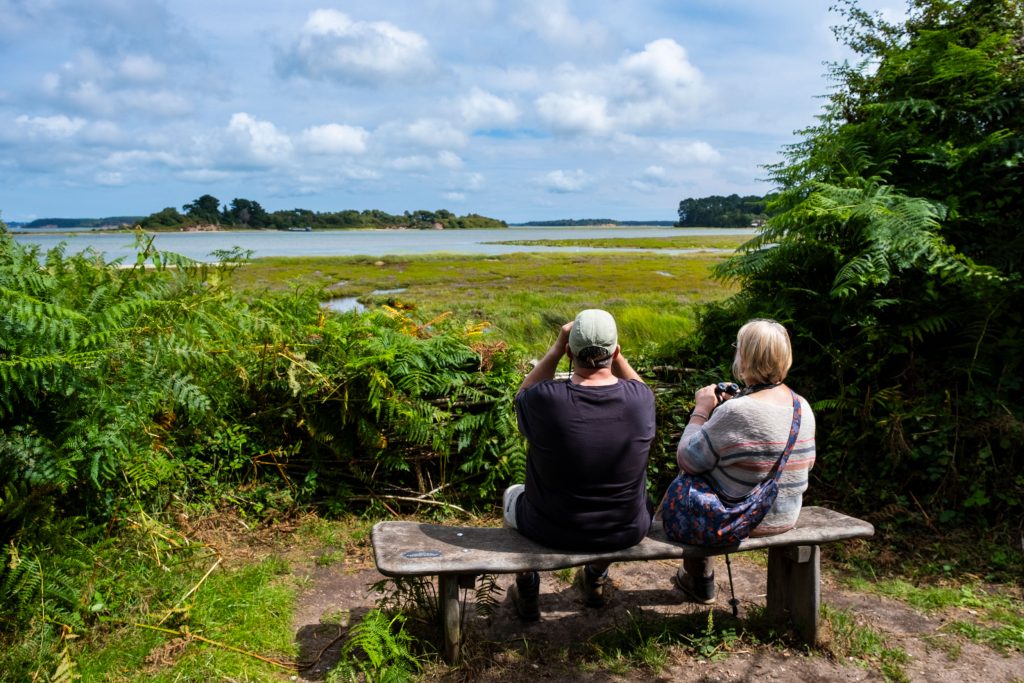
Protected areas also enrich our lives in ways that are harder to quantify but impossible to ignore. Millions visit them each year to walk, cycle, see nature or just simply feel better. These places support rural economies and offer a sense of connection that many people find increasingly rare in modern life.
And yet, despite their importance, too many of these sites are in poor condition. Only 38% of SSSIs are currently classed as being in good health, and progress to improve this statistic has stalled for more than a decade. Budget cuts to government agencies have weakened monitoring and enforcement, leaving fragile habitats vulnerable. Marine Protected Areas also remain incomplete.
‘They are one of the best and most practical tools the UK has for protecting its future’
Some public debate has recently framed nature protection as an obstacle to development, suggesting that environmental laws are to blame for slow progress in areas such as housebuilding. This false narrative overlooks the fact that strong environmental protections and responsible development are not mutually exclusive. When protections are weakened, it is nature, and ultimately people, who pay the price.
If the UK is serious about restoring nature, tackling climate change and supporting thriving communities, then protected areas must be properly funded and effectively managed, as well as expanded. That takes real commitment, vision and staying power. Canada has just announced, for example, that it will double its protected areas as it aims to hit its commitment, like ours, to protect and manage 30% of its lands and seas for nature by 2030.
Protected areas are not barriers to progress. They are the foundation of a more resilient future. A future that safeguards the landscapes and experiences that shaped my own and a myriad other childhoods, so generations to come can build memories just as meaningful.
You might also like
RSPB news roundup (spring/summer 2026)
Restoring vital peatland for nature