From one of the world’s largest Gannet colonies to rare fragments of temperate rainforest, we’ve welcomed several new places and the life they contain into RSPB protection in Scotland, Northern Ireland and Wales.
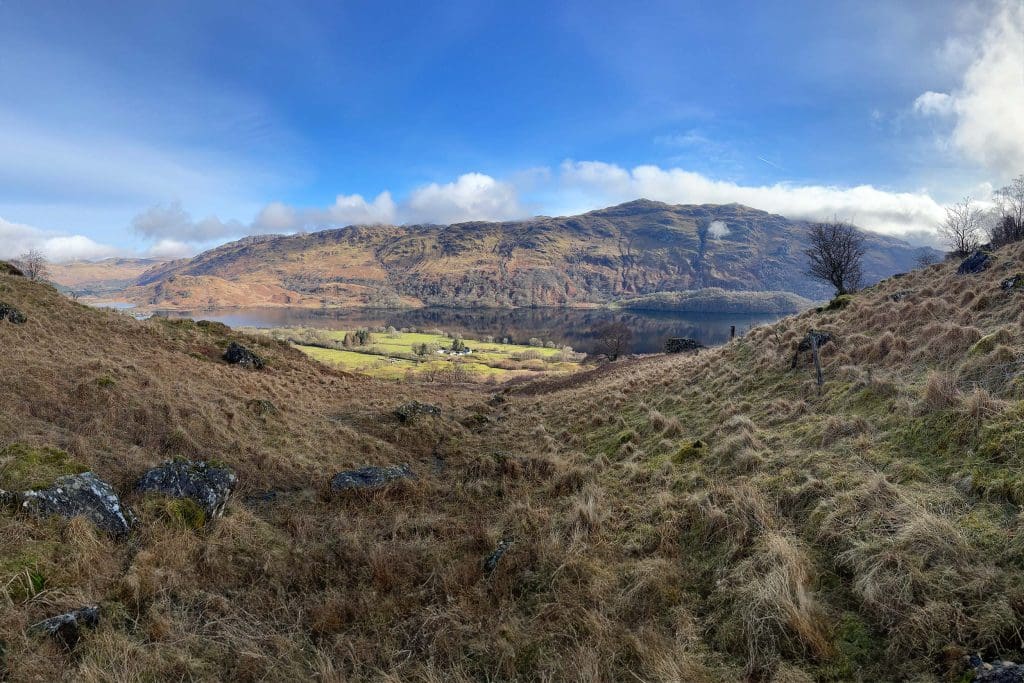
The new nature reserves encompass a hugely diverse range of wildlife-rich habitats. The largest new nature reserve, Stuckindroin, spans 1,461 hectares on the north-west bank of Loch Lomond, from the summit of Ben Vorlich to the shoreline opposite our existing Inversnaid nature reserve. Lower reaches feature wood pasture and remnant temperate rainforest, home to Wood Warblers and Black Grouse, while higher elevations host alpine plants including the endemic Vorlich Hawkweed, found nowhere else on earth. Thanks to a partnership with wildlife tour operator Naturetrek, we aim to restore these habitats by tackling invasive species and reducing damage caused by deer to support Golden Eagles, Whinchats, Merlins, Ptarmigans, Red Squirrels and Adders.
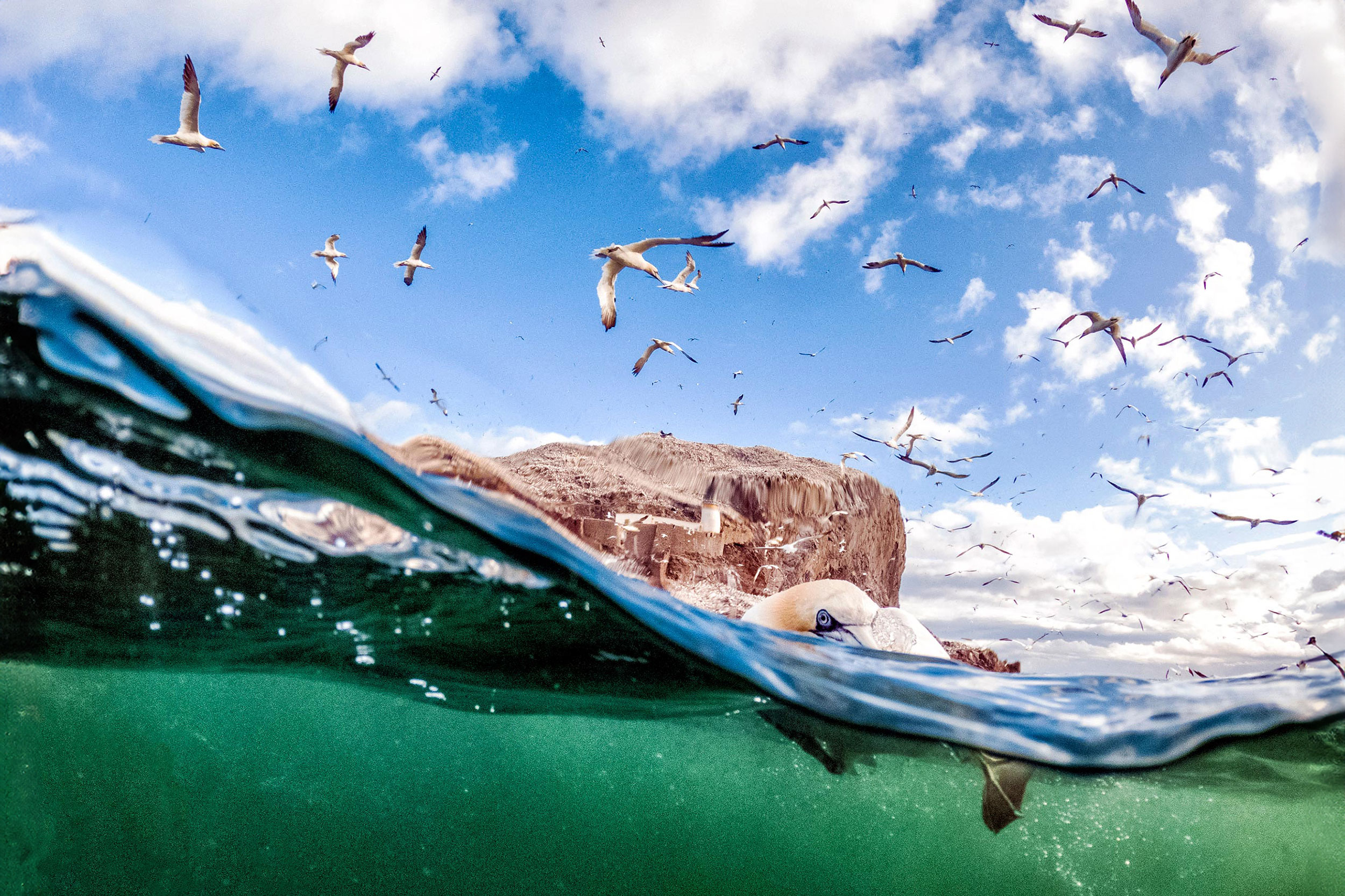
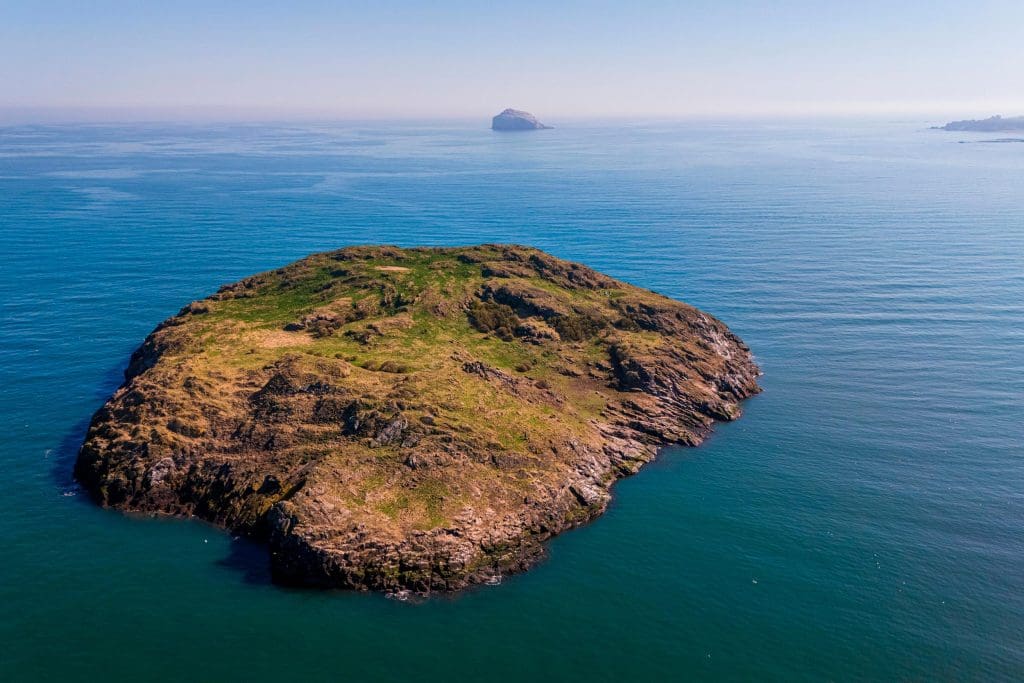
In the Firth of Forth, we’ve taken on Bass Rock, which hosts one of the world’s largest Gannet colonies, and Craigleith, home to thousands of breeding Puffins each spring. These and other amazing seabird species on the east coast of Scotland are facing pressures from threats such as overfishing, unsuitable development, climate change and invasive non-native species. “Working with the Scottish Seabird Centre, we will ensure these extraordinary islands are safeguarded for generations to come,” said Anne McCall, Director of RSPB Scotland. “We can secure a brighter future for species such as Puffins and Gannets.” This is possible with support from the National Heritage Memorial Fund, funded by the UK Government, The National Lottery Heritage Fund and private donors.
Take a trip with some of the people who made the Bass Rock acquisition happen. Video: the RSPB
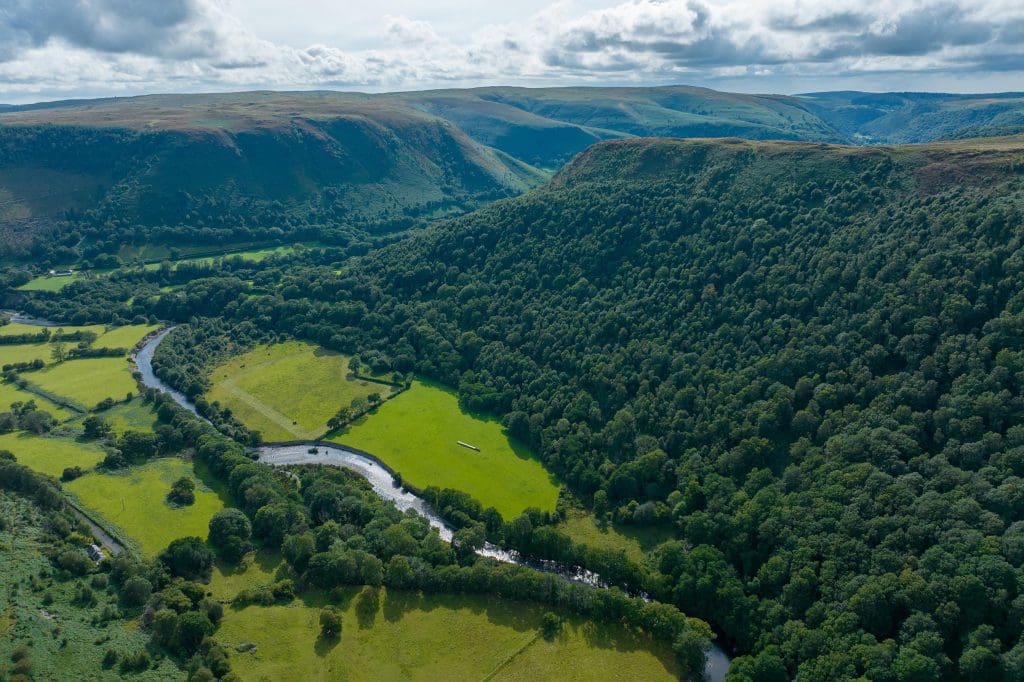
In mid-Wales, a member appeal allowed the purchase of the 96-hectare Gallt-y-bere, which creates a corridor between two sections of RSPB Gwenffrwd-Dinas reserve. This continuous habitat will allow wildlife to thrive, boosting our work to restore, conserve and connect internationally important habitats including rare temperate rainforest.
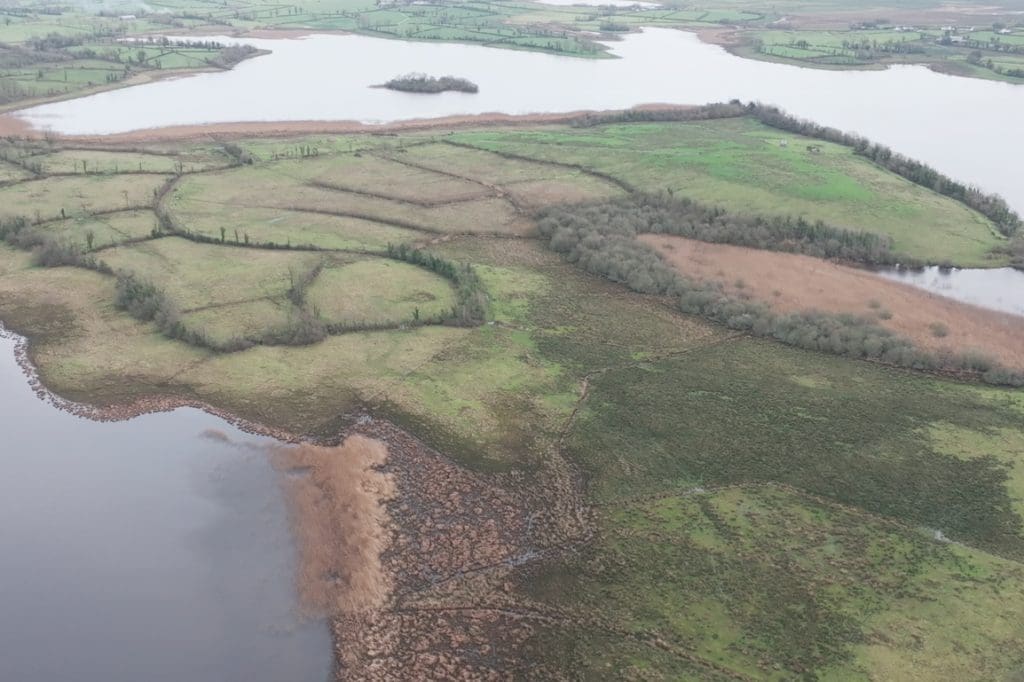
And in Northern Ireland, Inishcreenry is a new 60-hectare reserve on the shores of Upper Lough Erne in County Fermanagh. This site will be carefully managed for nature, designed to bridge the gap between agriculture and conservation. By bringing the land into a favourable condition, the project will showcase how specific habitat restoration, such as strategic rush control and the creation of new wet areas, will provide the damp soil and insect-rich environment to support breeding waders including Curlews, Snipe and Redshanks. “We will restore the habitats that chicks need to survive and thrive,” said Nancy Reed, RSPB Senior Site Manager for the area. Inishcreenry will be managed as a nature reserve using sustainable farming methods, and will act as a positive example of farming and nature working together. The project is supported by PeacePlus Nature, funded by PEACEPLUS and managed by the Special EU Programmes Body (SEUPB).

You might also like
RSPB news roundup (summer/autumn 2026)
Going all out for species