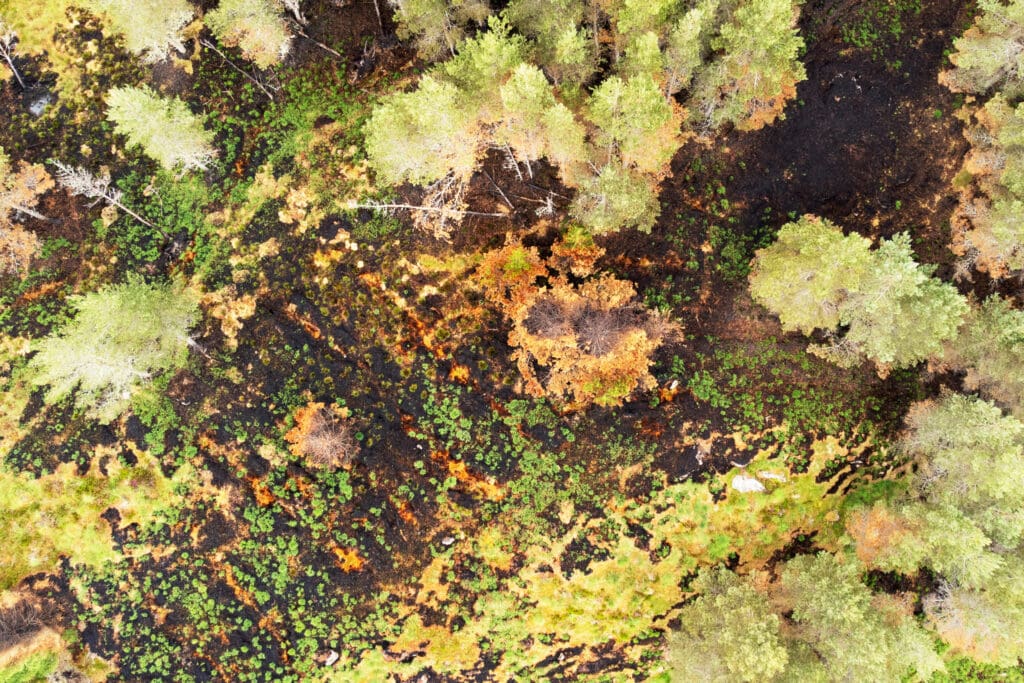
This summer we really felt the effects of the climate crisis across the UK. As I write this, we’ll have probably just experienced our warmest summer on record. Parts of the UK are also thought to have had some of the driest summer periods on record. Unfortunately this provided the optimal conditions for exceptionally large, destructive wildfires. Predominantly sparked by people, these fires took hold easily and spread quickly in these unprecedented conditions.
I’m incredibly grateful to our nature reserve teams who have worked so hard in tackling blazes on the reserves they look after. It’s stressful, exhausting, physically demanding work, made all the more distressing as our teams witness the destruction of habitat they have often spent years or even decades improving for rare birds and other wildlife. We’re also very thankful for the fire and rescue services, and the local land managers and communities and other partners who all pitched in to help when we needed them most.
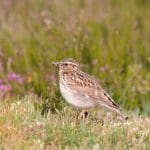
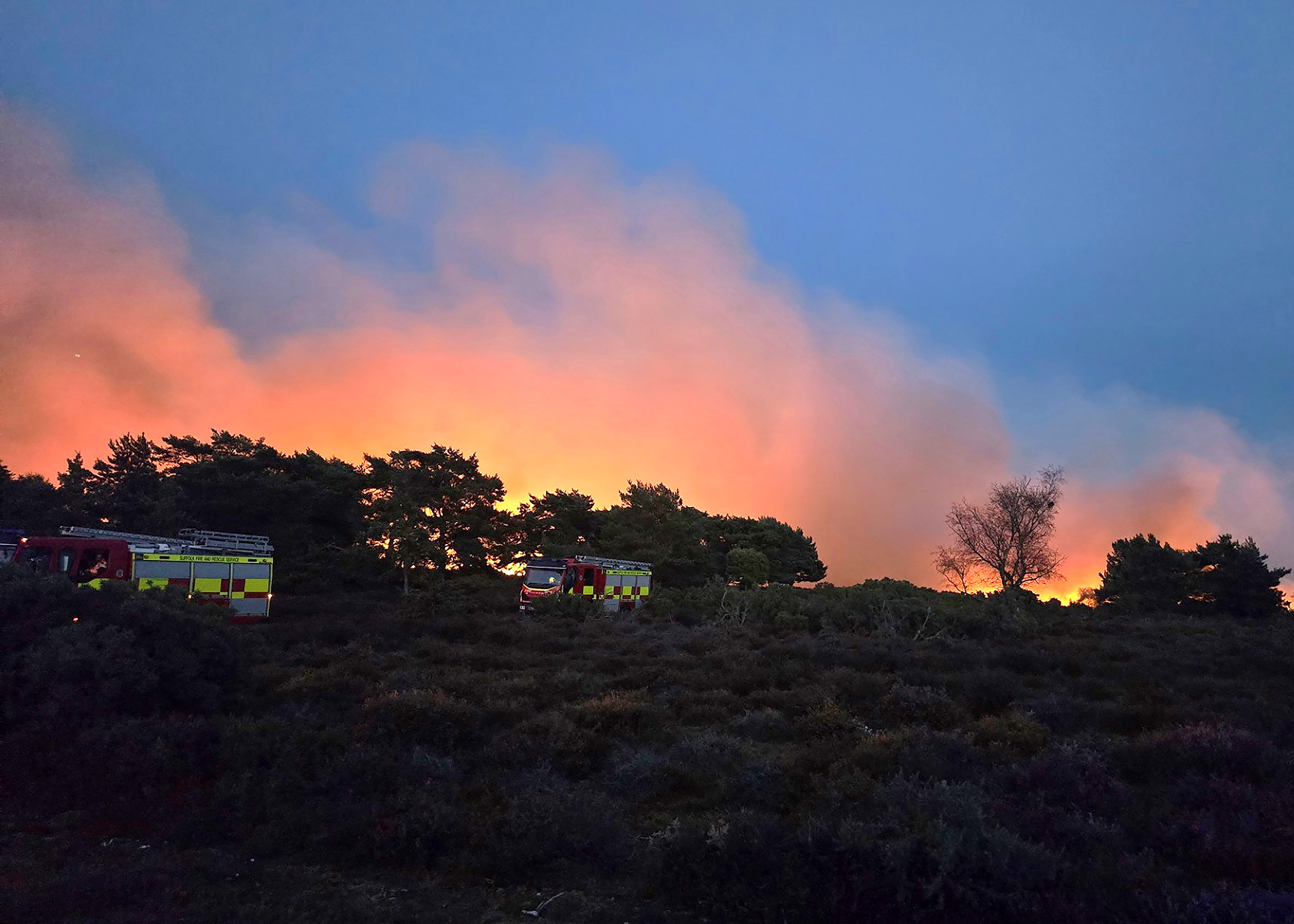
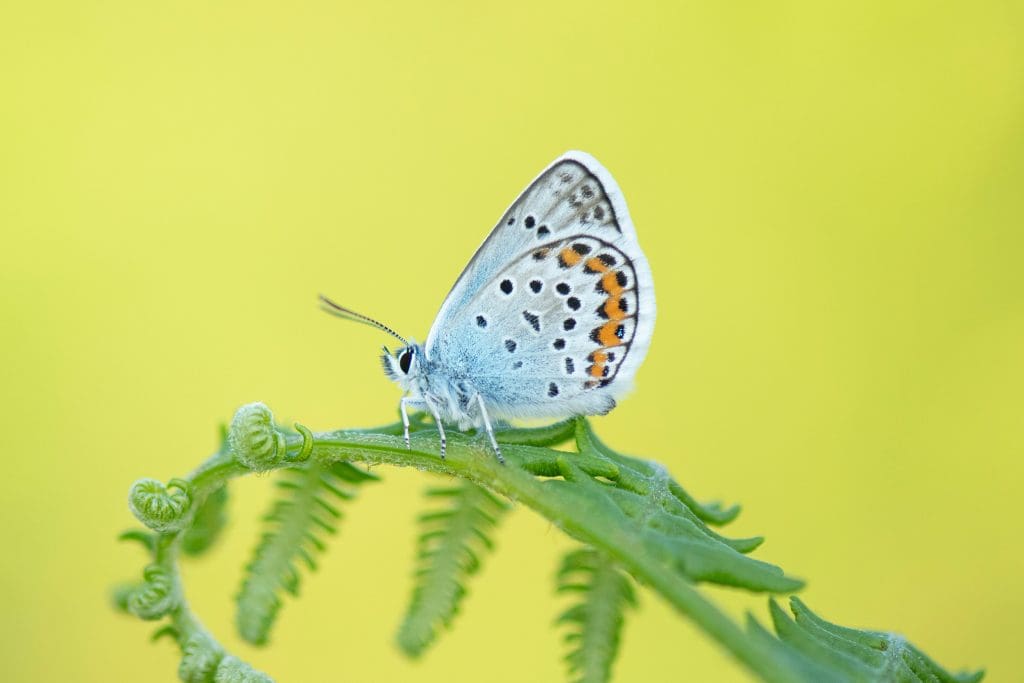
At RSPB Minsmere in Suffolk, a wildfire decimated the reserve’s largest area of heathland alongside National Trust-managed Dunwich Heath. Luckily, rare birds including Dartford Warblers, Nightjars and Woodlarks should have fledged their young by the time the fire started. Other wildlife such as Adders, or the Silver-studded Blue butterflies laying eggs on the reserve, would not have been so fortunate. The challenge we face now is the loss of the habitat they all need in the future. It will take decades to recover.
‘When we invest in nature, we also help increase resilience in our changing climate’
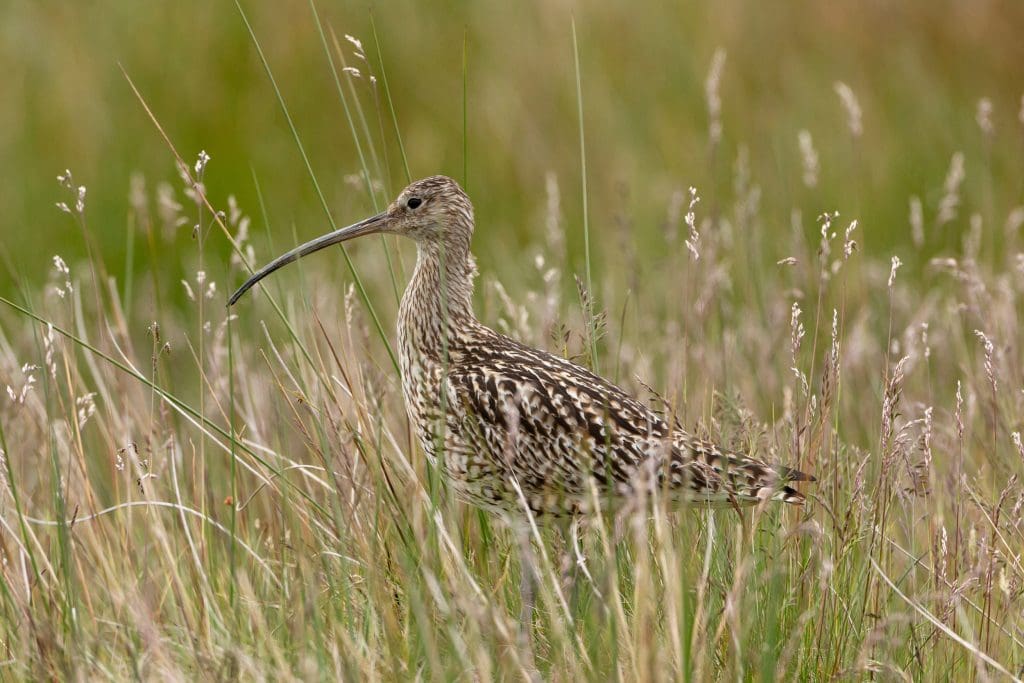
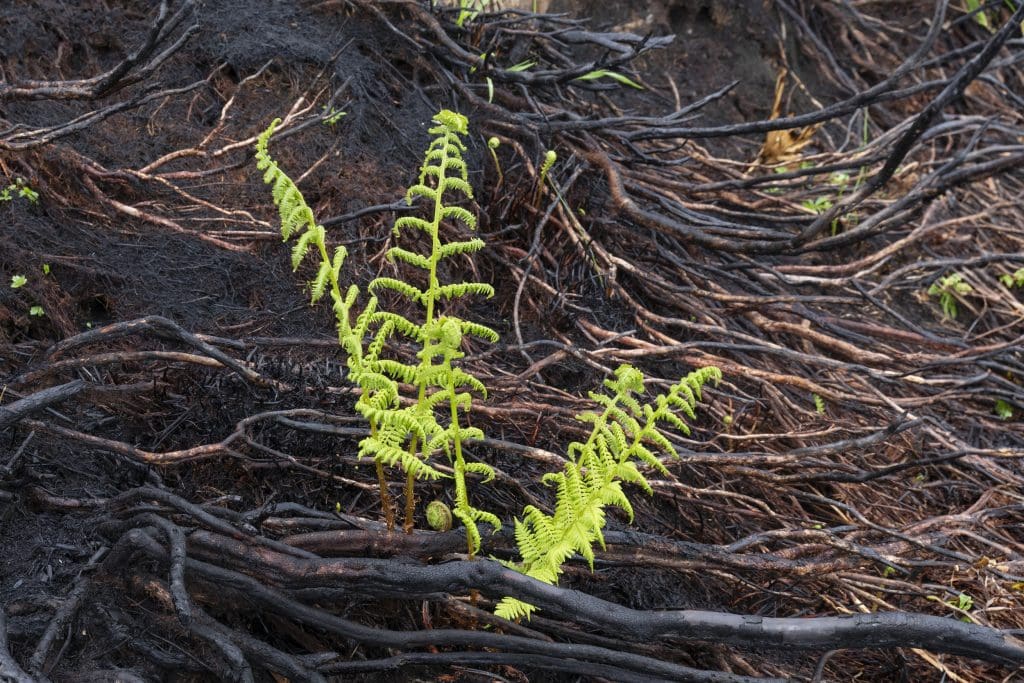
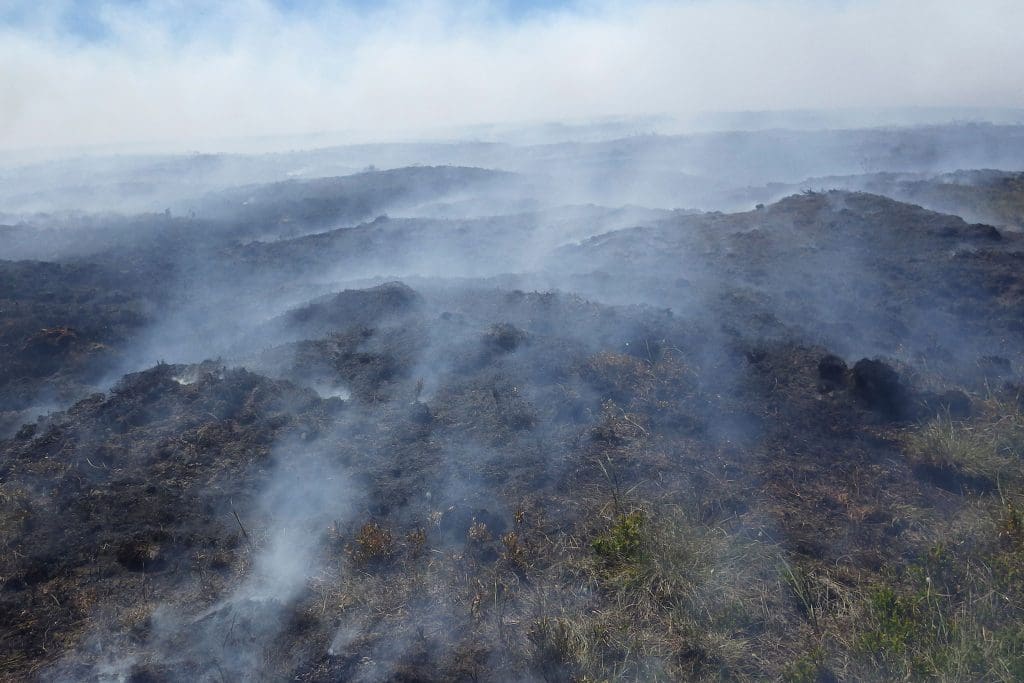
RSPB Dove Stone in the Peak District has suffered two wildfires, with the first beginning in June, and coinciding with a critical time for ground-nesting birds including Curlews which would have been raising their young. Here, as well as the loss of wildlife and habitat, wildfires on peatland contribute to a longer-term challenge. When damaged and dried out, peat can carry on ‘hot spotting’ for weeks and releases a great deal of carbon into the atmosphere, contributing to the climate crisis. However, where the blanket bog had been restored to health, there is emerging photographic evidence that the rewetted landscape did not burn.
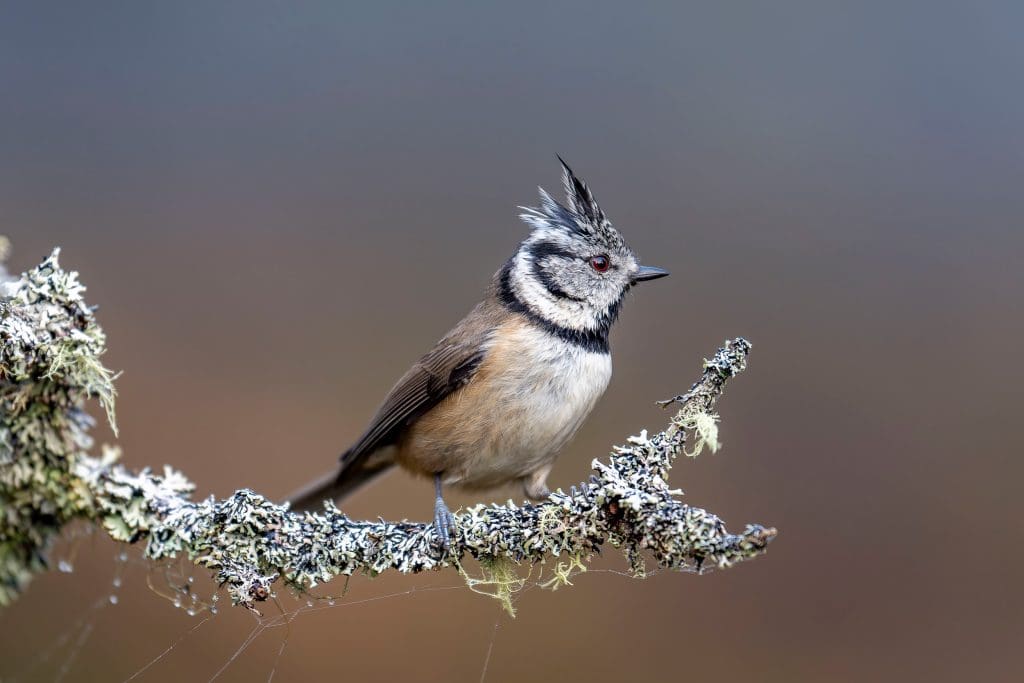
There was significant damage to RSPB Abernethy in the Cairngorms too, where a vast wildfire burned for several weeks. This reserve is important for a huge range of rare species, including Capercaillie, Crested Tits, Ospreys and Red Squirrels. And as with all the wildfires on RSPB nature reserves, the team here worked tirelessly to get the blaze under control.
Learn more about the wildlife at RSPB Abernethy
Among the devastation caused by the fires, there have been so many hopeful and positive stories of neighbours lending a hand. At Abernethy, the local community brought up rounds of sandwiches and ready-cooked meals to sustain the team of 130 RSPB staff and volunteers, along with firefighters and other land managers, fighting the fire. In County Fermanagh, firefighters working with PeacePlus Nature staff from the RSPB and the Sliabh Beagh Curlew Conservation Trust managed to rescue a brood of Curlew chicks. These have now been safely released back into the wild.
The collective effort at RSPB Abernethy to save as much of the reserve as possible. Video: the RSPB
As we assess the damage to RSPB nature reserves and the other important areas we work in, we also need to continue preparing for the future. The climate crisis means that we can probably expect an increased likelihood of wildfires each summer. While it’s not possible to completely prevent these from happening, we can reduce the risk by addressing the root causes of climate change, preventing ignition, adequately resourcing our fire and rescue services around wildfire risk and ensuring we have healthier, wetter, more resilient landscapes. That includes rewetted peatlands and restored wetlands. It struck me that at Minsmere, fire crews described the reserve’s wetlands as a ‘natural firebreak’, which shows how vital these areas can be during hot, dry weather. When we invest in nature, we also help increase the country’s resilience in our changing climate.

How to help stop wildfires
Learn about the causes of wildfires and the ways you can help to prevent them.
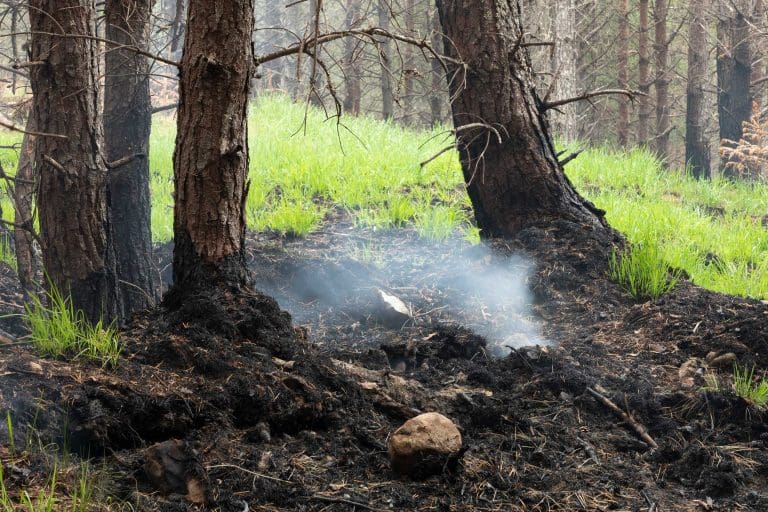
A catastrophic wildfire swept through RSPB Corrimony in 2023. Photo: RSPB/Mark Hamblin
You might also like
Moss milestone at Dove Stone
Creating a refuge for nature