Nature has always been a passion of mine. I was fortunate to grow up with Lee Valley Park on my doorstep, and I spent much of my childhood outdoors. We also had a pond in our garden, and I was fascinated by the wildlife living there.
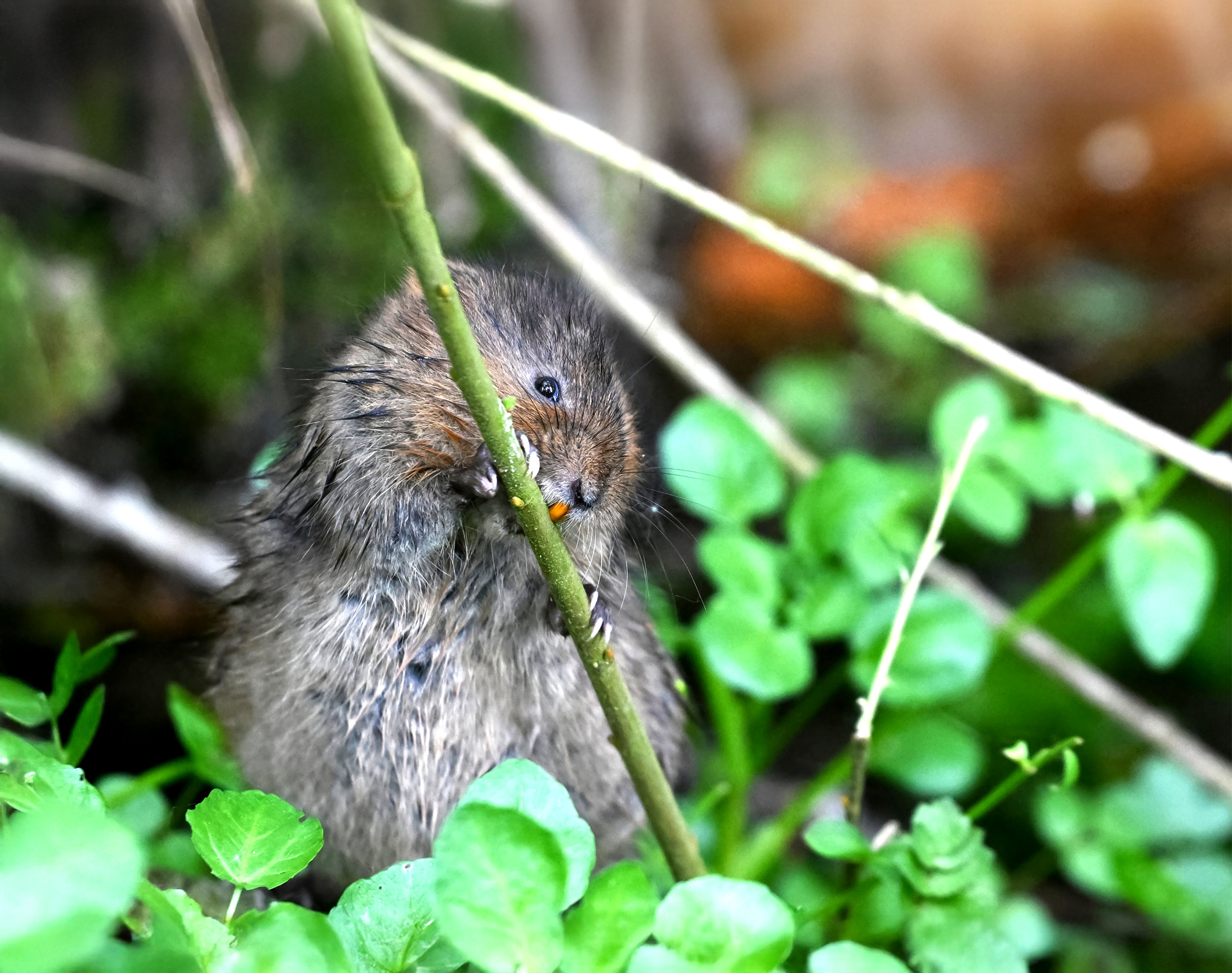
My first encounter with Water Voles came after volunteering at Lee Valley Wildlife Discovery Centre, where I help visitors see and identify local wildlife. A fellow volunteer suggested I visit RSPB Rye Meads, and there I saw and photographed my first Water Vole. After researching them, I was shocked to learn they are the UK’s fastest-declining mammal.
Another visitor put me in touch with Josh Kalms, Water Vole Conservation Officer at the Herts and Middlesex Wildlife Trust, and I joined the surveying team as a volunteer. Surveys take place twice a year, when Water Voles are most active, and involve looking for signs such as latrines and feeding remains. All sightings and signs are important and can be recorded year-round. One of my favourite moments was spotting a Water Vole pup.

Rebekah is passionate about raising awareness for Water Voles
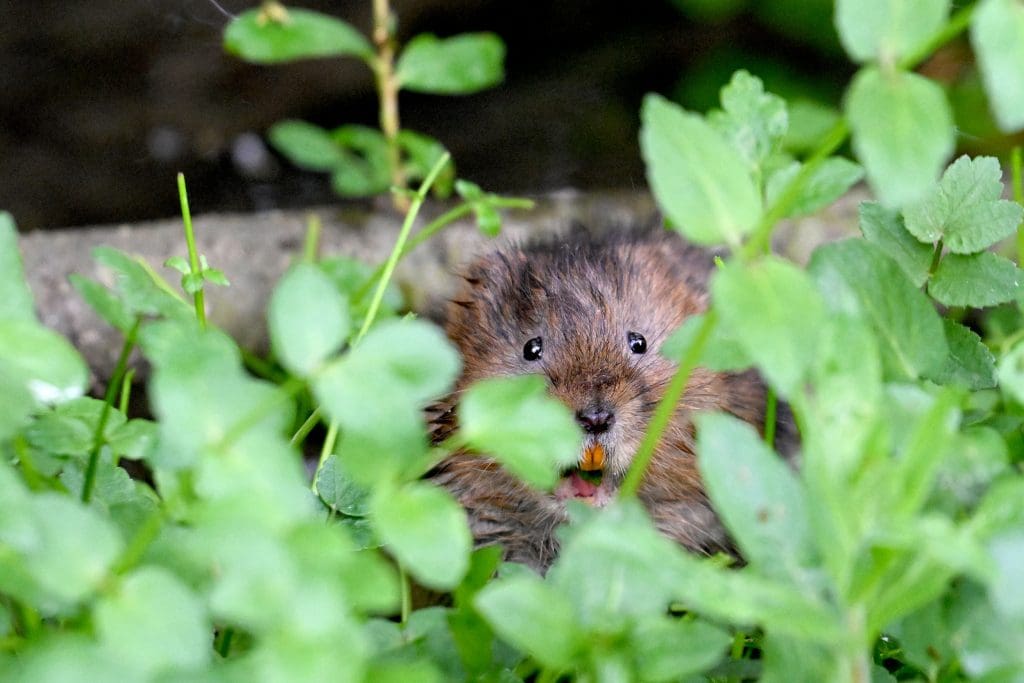
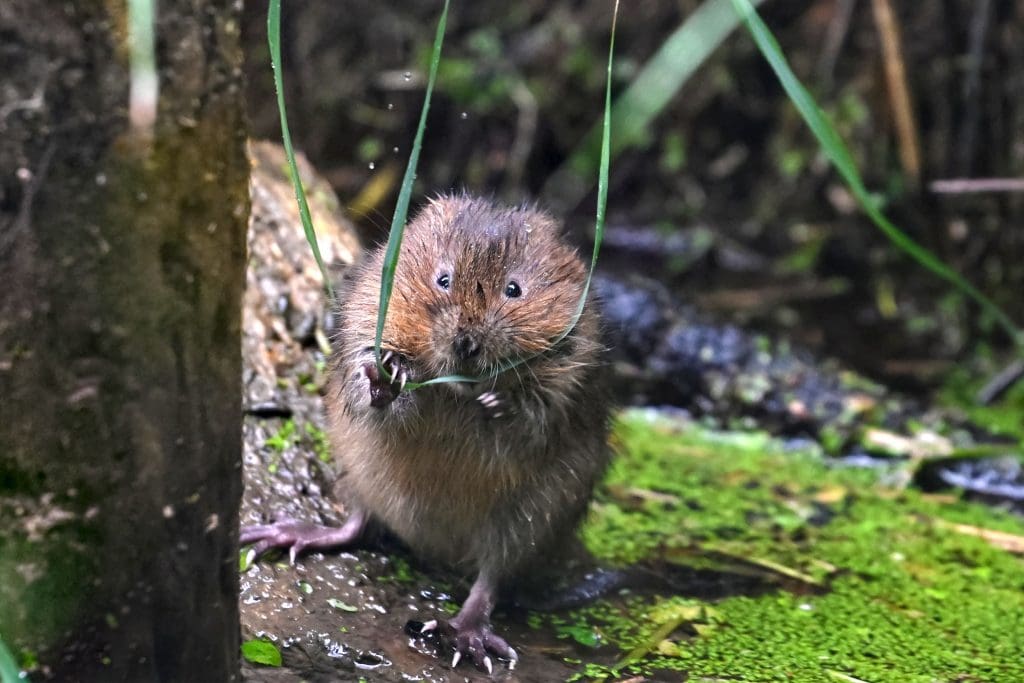
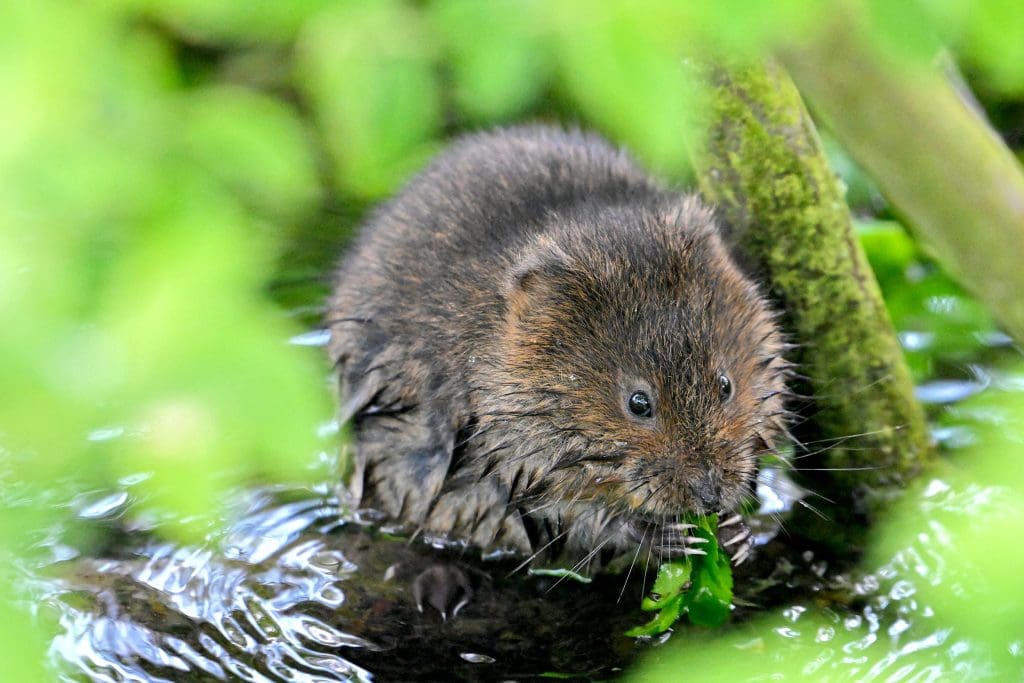
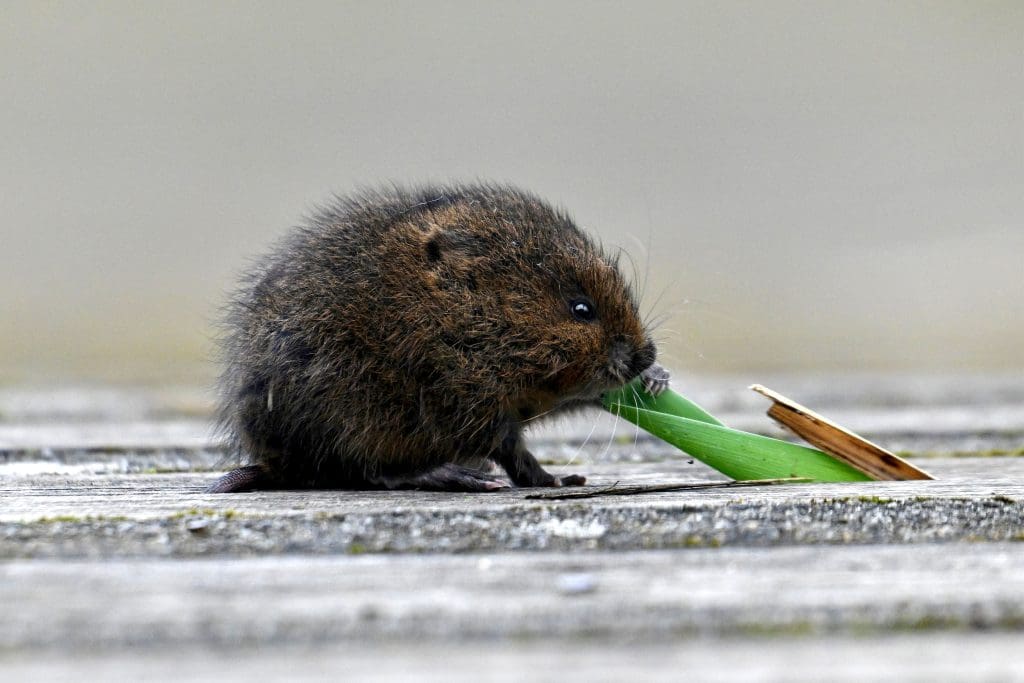
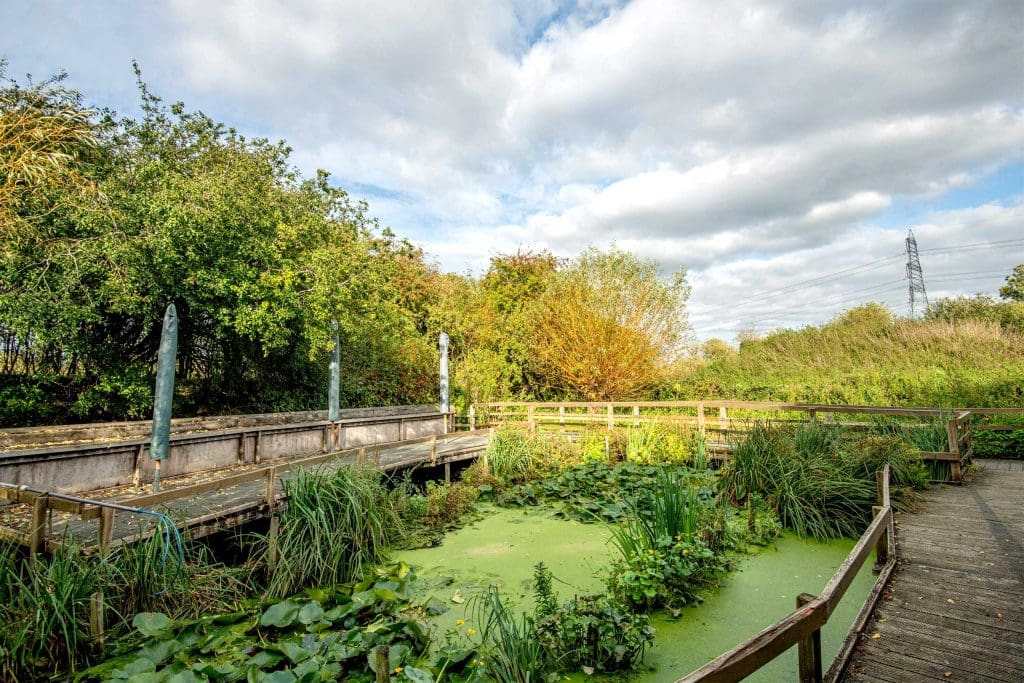
Water Voles are declining mainly due to predation by invasive non-native Mink, habitat loss and poor water quality. They play a vital role in wetland ecosystems, helping to create conditions that allow other species to thrive.
Learn more about the vulnerable Water Vole
Alongside surveying, I raise awareness through photography and art. My Water Vole bench design has been selected for the Hertford to Ware riverside art trail, and I hope it will inspire people to learn more about Water Vole conservation. If it encourages even a few people to take action, whether by keeping waterways clean, reporting Mink sightings or joining surveys, it will mean a great deal to me.

Give nature a helping hand
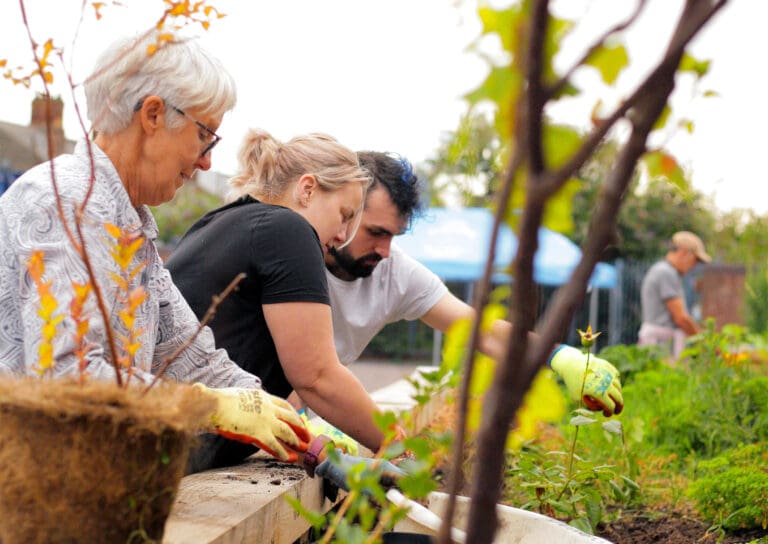
Join a local conservation project to help and learn more about struggling species. Find RSPB volunteering opportunities near you.
You might also like
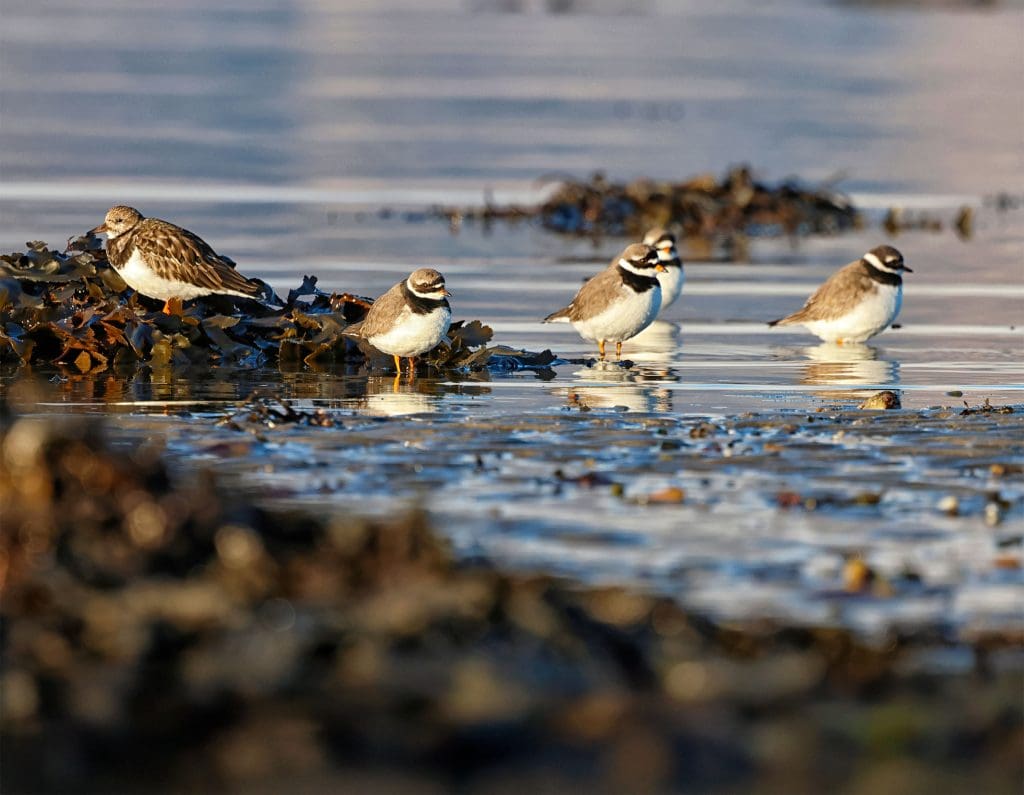
How to protect ground-nesting birds
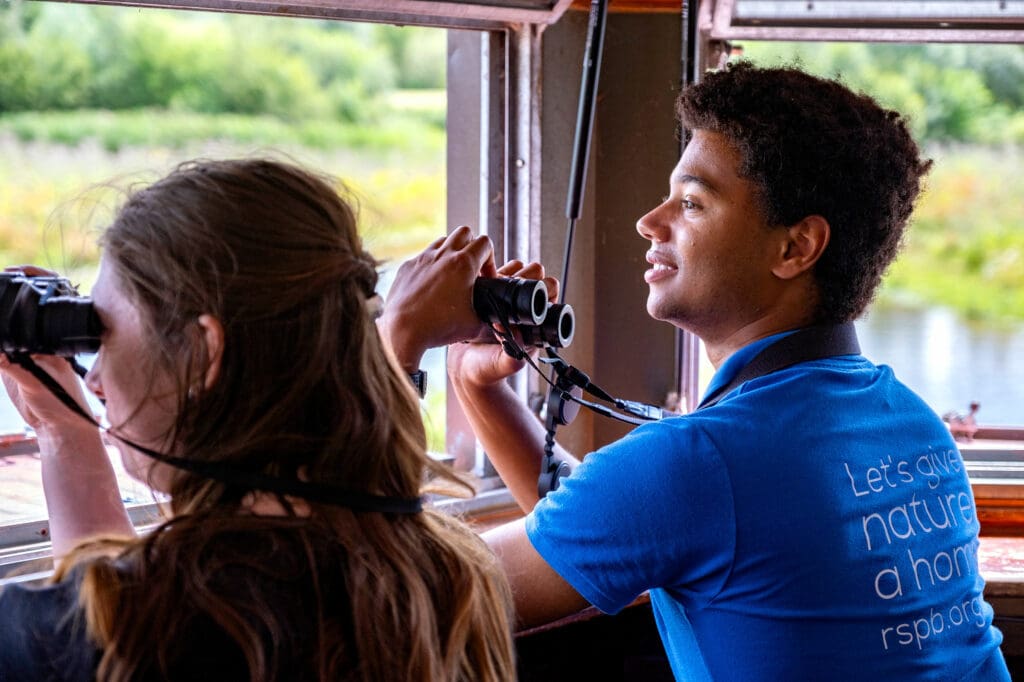
Volunteering with the RSPB