
Scotland’s Swift action
Wildlife and habitats received a boost earlier this year with the Natural Environment Act – including making Scotland the first UK country to introduce a legal requirement for Swift bricks to be used in suitable new buildings, providing durable, safe places for these and other beleaguered cavity-nesting birds.
Scotland’s glorious nature is not currently thriving as it should – and could. The latest State of Nature report revealed that one in nine Scottish species faces national extinction, including Puffins, Red Squirrels and Swifts. So we’re delighted by the introduction of the new legislation, which follows years-long campaigning by the RSPB and partners in Scottish Environment LINK, advocating for legally binding nature restoration targets.
The Act empowers National Parks to restore and regenerate biodiversity and requires legal protection for the nation’s internationally important Ramsar wetland habitats. Importantly, it includes a raft of measures to manage wild deer – currently estimated at one million in Scotland – to reduce numbers in areas where they are impeding the recovery of precious woodland and peatland. Other aspects include closing a loophole in legislation for licensing grouse shooting to strengthen efforts to tackle illegal raptor persecution.
“The Natural Environment Act is the most significant piece of environmental legislation Scotland has seen for a decade,” said Ailis Watt, Senior Policy Officer for RSPB Scotland. “If implemented effectively, it could be the catalyst for the recovery of Scotland’s nature, helping us move beyond simply protecting what we have left towards actively restoring species and habitats across Scotland. We are looking to the new Scottish Government to get to work without delay, to set targets, consult on Swift bricks in building regulations and more.”
“Thousands of people from across Scotland spoke up for nature targets and Swift bricks,” added Ginny Sanderson, Campaigns Officer for RSPB Scotland. “It shows how much people care about wildlife and the impact that can have.”


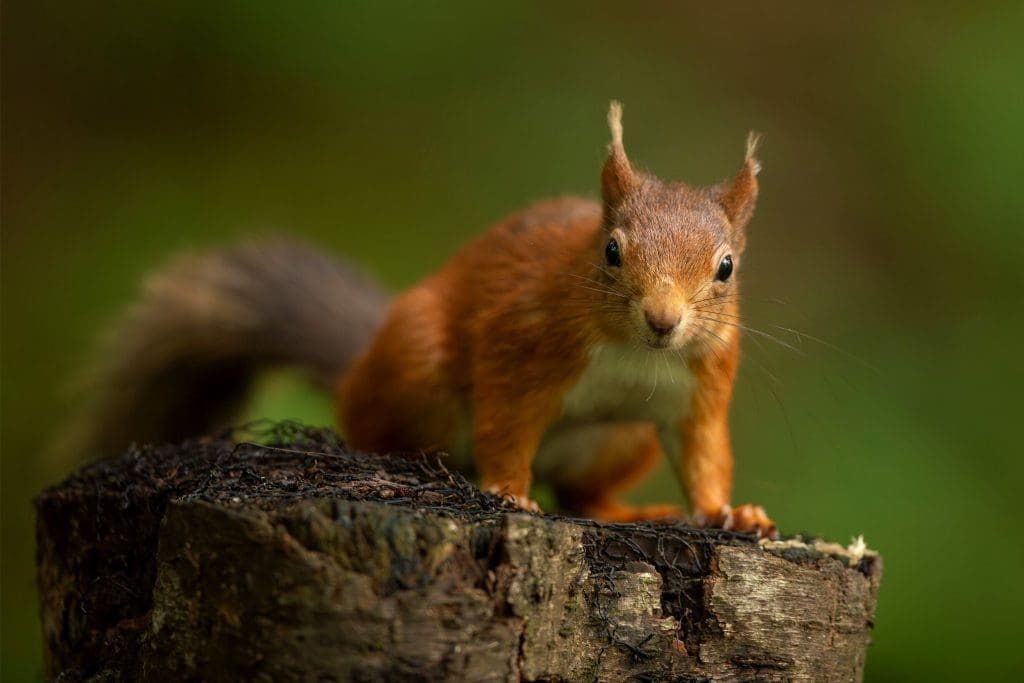

Hope for Dunlin
A large-scale survey of Dunlin in northern England revealed breeding across the North Pennines, offering hope for a Red-listed species whose numbers fell at least 20% globally since the early 2000s. In the UK, the breeding range of this Starling-sized wader has shrunk, likely due to declining habitat quality. Though it sports a large black patch on its belly in summer, a nesting Dunlin is notoriously difficult to locate and count in its challenging upland habitat.
Between May and July 2025, an RSPB-led project used drones, cameras and acoustic recorders, alongside site recces and surveys, to uncover hidden populations across the Cumbrian North Pennines.
RSPB Conservation Team staff and local volunteers worked with landowners in 14 locations to deliver the survey, which was funded by Natural England. They recorded some 30 individuals at eight sites across the RSPB North Pennines and Dales Priority Landscape. At the High Helbeck Estate – a focus of ongoing long-term conservation work – evidence of breeding birds was confirmed, including footage of Dunlin chicks feeding in a bog pool.
“The team surveyed in remote areas and on challenging ground,” explained Dr Elisabeth Charman, Senior Conservation Officer at the RSPB. “To find Dunlin breeding in new areas was extremely rewarding, and we hope our partnership efforts can contribute to their continued success in the Pennines.”
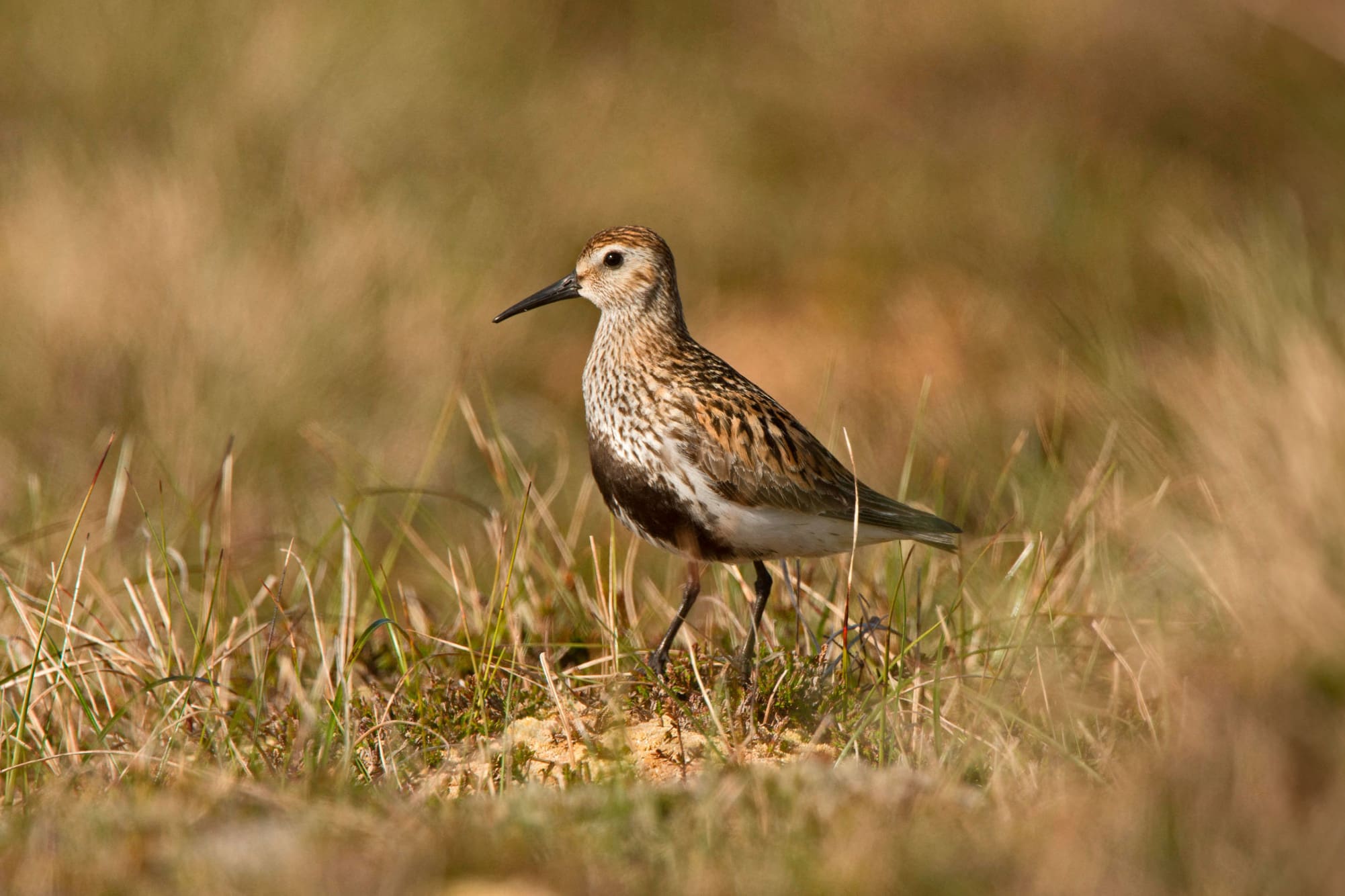
In the UK, the breeding range of this Starling-sized wader has shrunk, likely due to declining habitat quality. Photo: birdphoto.co.uk (Alamy Stock Photo)
Mapping migrations
The migration routes of two wader species from South Africa’s west coast to northern hemisphere breeding grounds are being traced for the first time. In late February, three Grey Plovers and 20 Curlew Sandpipers were fitted with tracking devices by the Max Planck Institute and Wetlands International, supported by BirdLife South Africa and the RSPB. The goal was to discover their (previously unknown) migration routes to help target efforts to protect the wetlands on which such species depend.
By late May, two Curlew Sandpipers had reached as far as Kazakhstan with others spread across Africa and the Arabian peninsula. One Grey Plover had travelled to Guinea while the other two were still refuelling before starting their flight north.
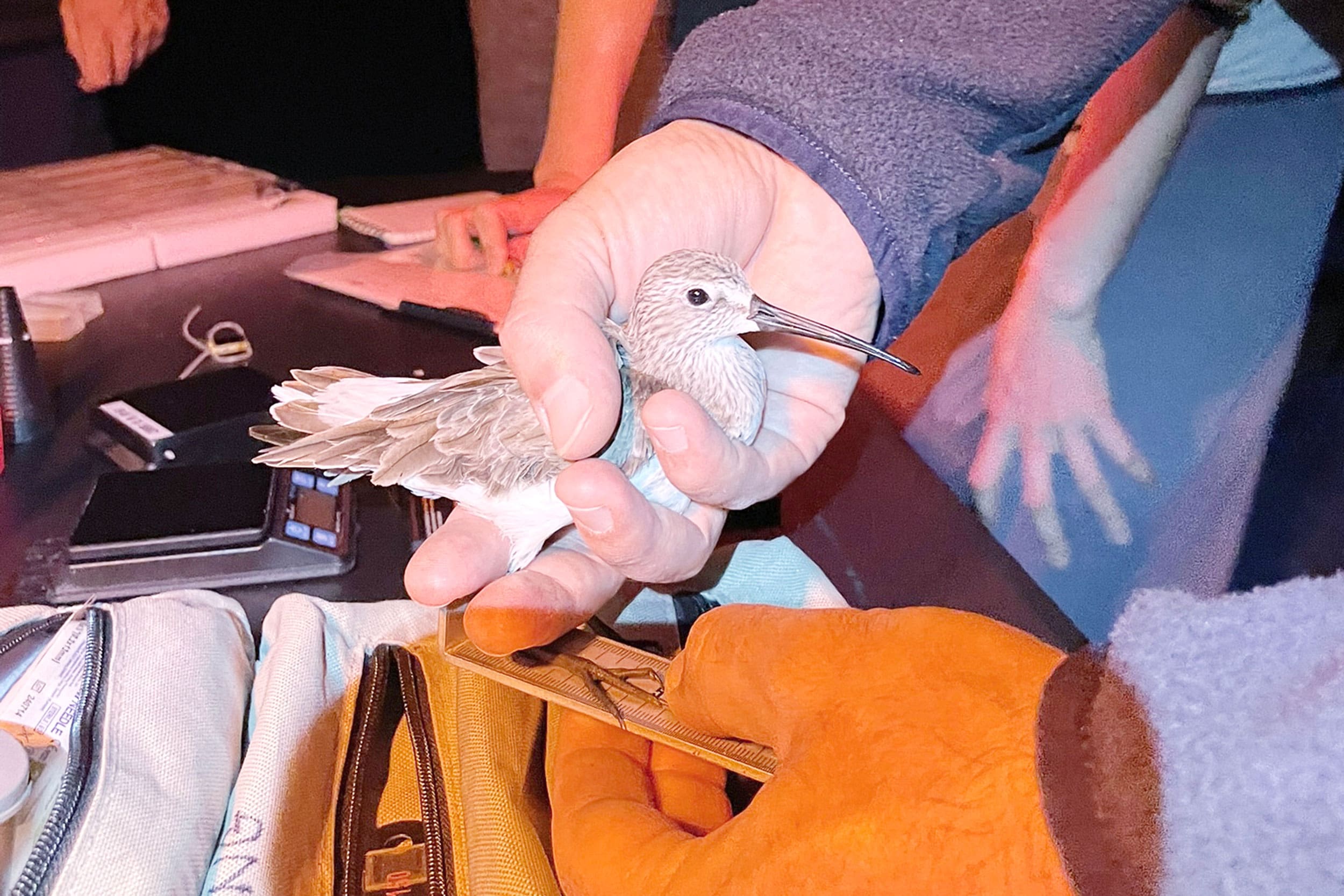
A Curlew Sandpiper. Photo: Jessica Wilmot/BirdLife South Africa
Capercaillies soar
The 2025 survey of lekking male Capercaillie at RSPB Abernethy in Scotland revealed that numbers soared 50% in the past five years, up from 20 in 2021. This is heartening news, given that the most recent national survey (conducted in 2021–22) estimated only 532 Capercaillie survive in Scotland – a 52% decline since 2015–16.
In response, the Scottish Government announced the Capercaillie Emergency Plan 2025–2030, led by the Cairngorms National Park Authority and NatureScot, which aims to reverse the species’ long-term decline. Measures will include raising public awareness to reduce disturbance, tackling predation through diversionary feeding, and restoring forest and bog woodland habitat.

Lekking male Capercaillie at RSPB Abernethy. Photo: RSPB/Ben Andrew
Farm birdlife champions
A pioneering volunteer project surveying farmland birdlife enjoyed huge success last year – and it’s scaling up further in 2026. RSPB-led Volunteer Monitoring of Farm Wildlife (VMFW) aims to inspire farmers to take more action for nature, and to involve the public in volunteering activities that connect them with wildlife, farmers and the landscape.
A VMFW survey helps farmers to understand more about the species and numbers of birds using their farm and provides them with tailored information about nature-friendly farming practices to help the birds thrive. In 2025, 74 volunteers worked with 58 farmers to carry out surveys, collecting around 5,000 bird records.
Expanding efforts in 22 counties across the UK, we’re delighted that farmers submitted around 80 survey requests for 2026. “VMFW provides us with valuable data and information to support our own data collection and metrics on bird numbers and species,” said one farmer. “It helps us pinpoint habitat development for birds across the estate.”

In 2025, 74 volunteers worked with 58 farmers to carry out surveys, collecting around 5,000 bird records. Photo: RSPB/Ben Andrew
Strumpshaw’s half-century
We’re celebrating 50 years of impactful conservation – and helping people engage with nature – since RSPB Strumpshaw Fen reserve in Norfolk opened to the public. Thanks to the restoration of meadow, open-water and reedbed habitats, Marsh Harriers, Bitterns, Otters and Cranes have returned.
Join us on 5–6 September for the 50 Years of Strumpshaw Fen Festival.

A volunteer work party involved in reedbed conservation at RSPB Strumpshaw Fen. Photo: RSPB
Scotland’s rainforest revival
The RSPB’s Saving Morvern’s Rainforest project is bringing people together to protect and restore one of the world’s rarest habitats. Scotland hosts important swathes of temperate rainforest, home to Wood Warblers, Pine Martens, Red Squirrels, Chequered Skippers and hundreds of species of moss and lichens and liverworts. But only around 30,000ha of this habitat remain, much of it in poor condition.
Working with the Alliance for Scotland’s Rainforest, local landowners and the community, the RSPB is restoring temperate rainforest across Morvern, a 200‑square‑mile peninsula near Mull. This project is supported by the Scottish Government’s Nature Restoration Fund and Rainforest Restoration Fund, managed by NatureScot. This funding has helped the project team tackle over 300ha of invasive rhododendron and deliver community events where locals were given a chance to create rainforest-inspired art and learn about sustainable deer management.

Scotland’s temperate rainforest is carpeted with mosses and draped in delicate lichens and liverworts. Photo: john-macpherson-photography.com
St Helena success
The latest annual census of the vulnerable St Helena Plover showed its population remained stable over the past 10 years. Analysis of data collected in January by the St Helena National Trust on the South Atlantic UK Overseas Territory yielded an estimated population of 583 adult birds – up from around 250 between 2006–2016.
The island’s last endemic terrestrial bird faces threats including habitat loss and predation by non-native invasive predators such as feral cats and rats. The RSPB is working with the St Helena National Trust to address these and to test grassland management techniques, aiming to identify those beneficial to biodiversity.
Read more about our conservation work on St Helena and around the world

St Helena Plover. Photo: RSPB/Harry Marshall

The population of St Helena Plover has remained stable in the last decade.
Patterns of Persecution
A new RSPB report highlights the devastating impact of illegal killing on birds of prey, which are routinely shot, trapped or poisoned in the UK. Patterns of Persecution reveals that a horrifying 918 confirmed incidents were recorded between 2015 and 2024. Though the number of confirmed incidents of persecution of birds of prey in the UK is alarming, many go unseen and unreported, and evidence from satellite tagging, population analyses and intelligence reports suggests that the true number killed far exceeds official figures. The Buzzard is the most persecuted species. Red Kite, Hen Harrier, Peregrine and 15 others are also targeted.
Tellingly, the report shows that at least 55% of incidents occurred on or near land managed for gamebird shooting. Of the 24 individuals convicted of bird of prey persecution-related offences in the past 10 years, 67% were associated with the gamebird industry – more than half of whom were gamekeepers.
The RSPB is calling for the introduction of a robust licensing system for all gamebird shooting across the UK. Under such legislation, gamebird shoots involved in these crimes would be held accountable. This fair regulatory system would act as a clear and meaningful deterrent to those illegally targeting and killing birds of prey. Without legislative change, these crimes will continue. Read the full report.
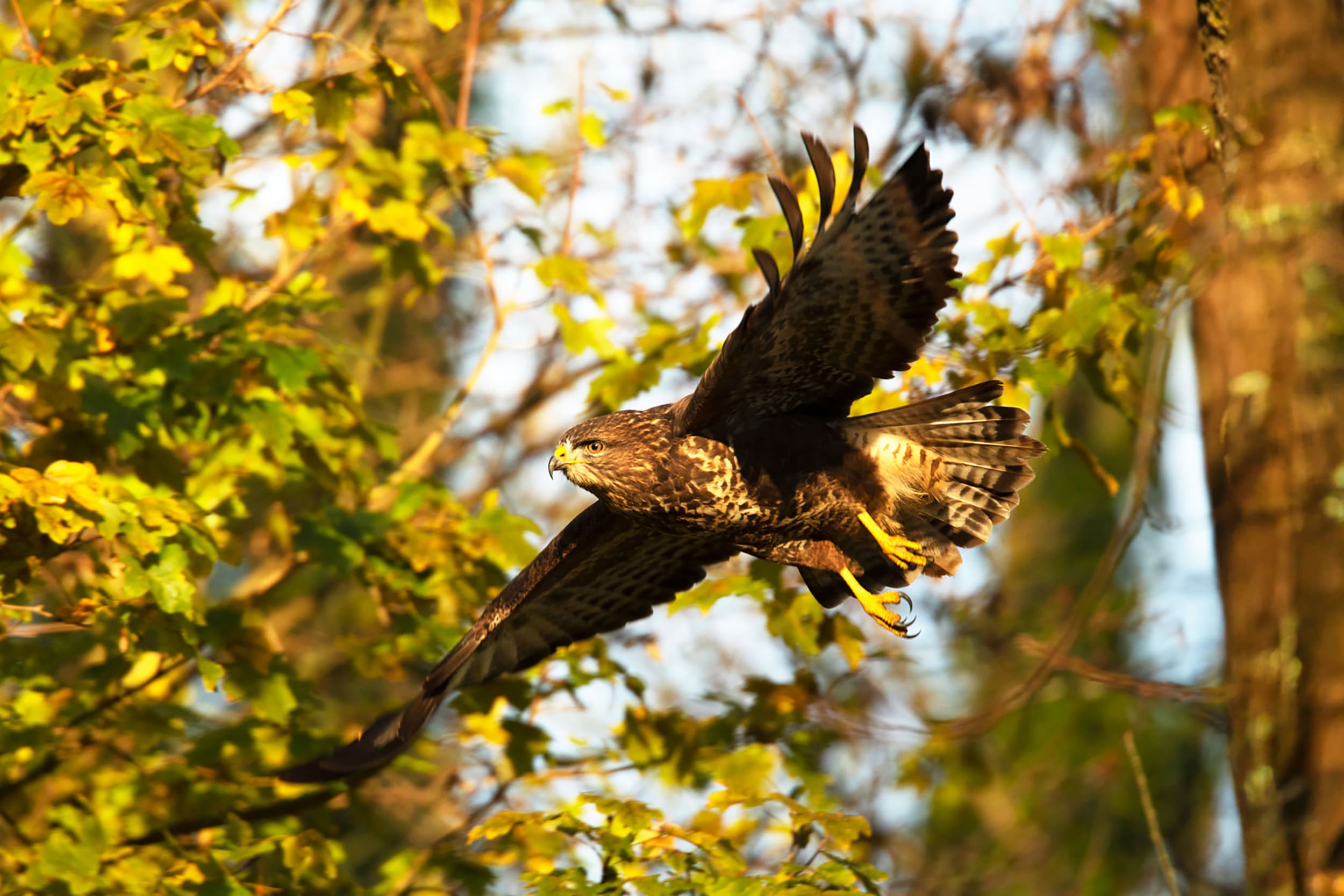
The Buzzard is the most persecuted bird of prey species in the UK. Photo: RSPB/Ben Andrew
Tackling seabird bycatch
Phase 2 trials of deterrents designed to reduce seabird bycatch, testing a kite resembling a bird of prey, have been completed. The latest seabird census revealed that a shocking 62% of UK species are declining, hit by various threats including bycatch – the incidental deaths of birds caught in fishing gear, the cause of death for up to 3,300 Guillemots (pictured below with Gannets) in the UK each year.
We’re working with Fishtek Marine to develop and test solutions, most recently trialling different types of kite on land and at sea off Cornwall, to see which are most effective at deterring seabirds away from nets. This phase has been funded by the Offshore Wind Industry Council.
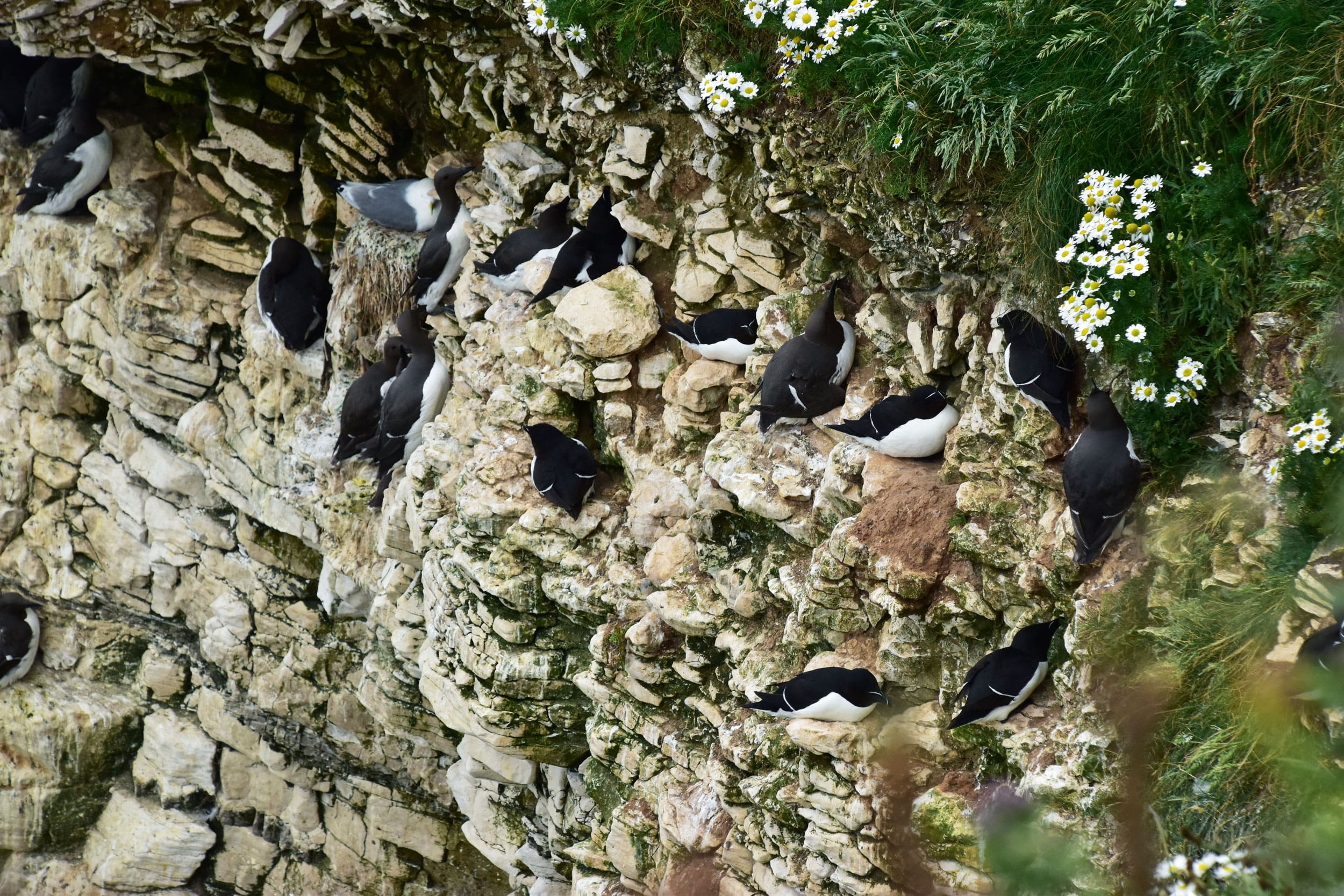
The latest seabird census revealed that a shocking 62% of UK species are declining. Photo: RSPB/Robert Simmons
Wildlife on Reserves report
The latest annual report produced by the RSPB’s Ecology team reveals a mixed picture for wildlife across RSPB nature reserves, with encouraging news for some key species.
The RSPB’s 226 nature reserves are managed to deliver a range of benefits for people and wildlife, with a particular focus on the needs of species that are a high conservation priority. Wildlife on Reserves in 2025 summarises the results of this work.
For example, it was another record year for Dartford Warblers, with 264 pairs recorded across RSPB nature reserves – 97 pairs at Arne in Dorset alone. Corncrake numbers swelled at reserves including Balranald on the Scottish island of North Uist, where 29 singing males were recorded; six were recorded on Rathlin Island in Northern Ireland, having returned in 2014.
Great White Egrets enjoyed their best year to date on RSPB sites, with 56 pairs nesting at five sites. Breeding was recorded for the first time in Wales, with two nests at Cors Ddyga on Anglesey; numbers continued to rise at the Ouse Washes in Cambridgeshire, too, reaching 32 nests last year – up from 24 in 2024. The RSPB’s machair reserves continue to support internationally important breeding populations of waders: the Reef reserve on the Isle of Tiree hosted 128 pairs of breeding Oystercatchers, 135 drumming Snipe, 41 pairs of Ringed Plovers, 61 pairs of Redshanks and 346 pairs of Lapwings last year.
Turning to invertebrates, the Field Cricket population continued to grow at Farnham Heath, where 81 individuals were recorded, plus more calling from neighbouring land.
At Aylesbeare Common in Devon, a peak count of 116 Southern Damselflies was noted, while White-faced Darters showed promising early signs of success following their translocation to Campfield Marsh in Cumbria last year.


Marine Protected Areas review
We’ve been pushing hard for improvements to the UK’s marine Special Protection Areas – the only Marine Protected Areas (MPAs) for seabirds – not least because critical places such as Lundy are currently unprotected. So we’re pleased that a review of England’s MPAs has been announced, looking at how the MPA network is delivering for biodiversity, food security and climate, and how it could improve.
Thanks to our policy work, the review will also assess how well seabird hotspots are reflected in the network, and to what extent seabirds, including Puffins, are benefiting. It’s a welcome first step towards a much-needed UK-wide marine Special Protection Area sufficiency review, and we’ll be monitoring progress.

The review will assess how well marine protected areas are working for seabirds such as Puffins. Photo: RSPB/Annabel Sharpe
Boost for Black Grouse
The two-year project to deliver sustainable uplands in Wales for Black Grouse has restored habitat, relaunched annual surveys, tagged female birds, engaged local communities and installed camera traps to inform predator control, improving the outlook for this worryingly declining species.
Once found in uplands across the nation, Black Grouse are now confined to Wales’ north-east corner, with numbers of lekking males falling from more than 400 in 2015 to fewer than 200 today. The main cause of the species’ decline is thought to be the loss of its required habitat mosaic, comprising dry heath, blanket bog and ffridd. The project, which ended in February, was funded by the Nature Networks programme.
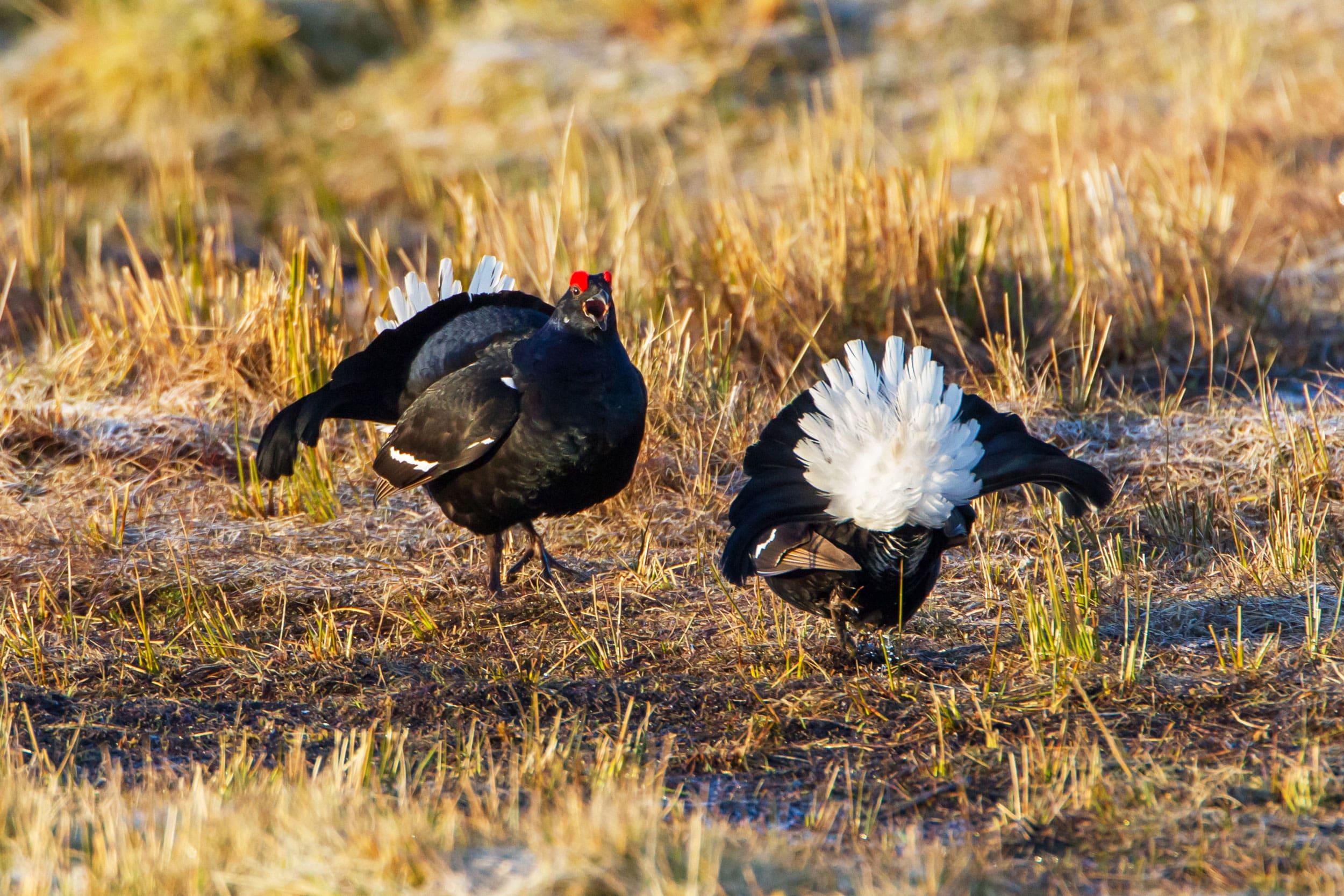
Once widespread across Wales, Black Grouse are now largely confined to the north-east of the country. Photo: Jake Steven Photography
Bolstering Montserrat’s ecosystems
A major RSPB-led project will restore ecosystems and strengthen livelihoods in Montserrat thanks to funding provided by UK International Development from the UK Government, administered by the Global Centre on Biodiversity for Climate (GCBC) fund.
Volcanic eruptions in 1995 had long-term impacts on this Caribbean island, a UK Overseas Territory. Launching in July, the project will integrate agroforestry, climate-smart agriculture and forest restoration to improve resilience and diversify incomes.

Montserrat’s landscape is still suffering from historic volcanic activity. Photo: P. Hughes (licenced under CC BY 4.0)
Reconnecting rainforest in Wales
With your support, we’re reconnecting two important areas of Celtic rainforest – among the last patches of this rare habitat surviving in the UK. RSPB Gwenffrwd-Dinas nature reserve in Carmarthenshire spans 780ha, including over 300ha of moss-draped oak and alder woodland. Alongside the woods are wildflower meadows, steep-sided river valleys and ffridd – a mosaic of heather, gorse and Bracken.
An important sanctuary for rare species, it was part of the last stronghold of the UK’s native Red Kites before a successful conservation and reintroduction programme brought them back from the brink.
It’s long been split into two sections separated by Gallt-y-bere, a neglected 96ha patch of rare habitat. Last autumn, thanks to fundraising and donations, we were finally able to acquire this land to create a corridor of protected habitat where wildlife can thrive: species such as Pied Flycatchers, Dippers, Peregrine Falcons, Red Squirrels and Pine Martens.
Under the RSPB, Gallt-y-bere will help support nature-friendly farming. Its farmland and upland host Whinchats, Cuckoos and Yellowhammers, as well as scarce plants such as Wood Bitter-vetch.
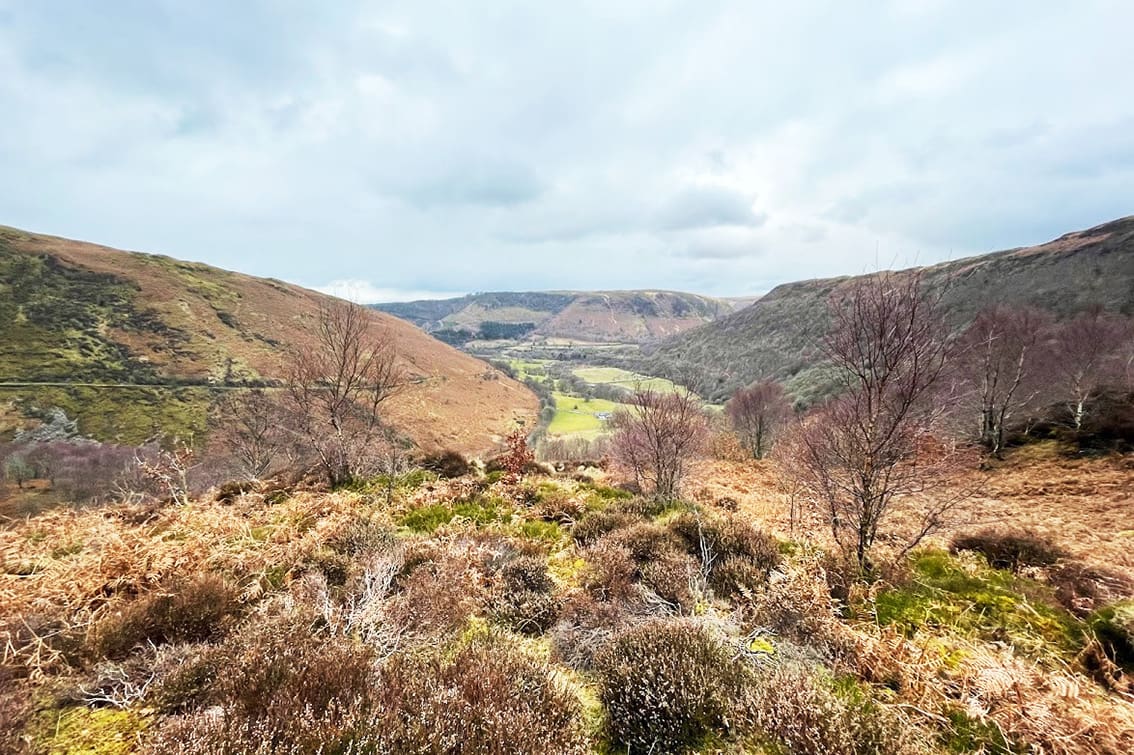
Under the RSPB, Gallt-y-bere will help support nature-friendly farming. Photo: Alasdair McKee
Centenary cheers for Eric Morecambe
The great comedian, born 100 years ago in 1926, was a keen birdwatcher and a great supporter of the RSPB.
After his death in 1984, RSPB South Lakeland local group and Lancaster City Council raised the money to build the Eric Morecambe hide at RSPB Leighton Moss, Lancashire. An appeal held in his name in 1985 also raised the money that paid for the acquisition of RSPB Old Hall Marshes nature reserve in Essex.
For his centenary, RSPB Leighton Moss will display four of Eric’s Victorian bird prints, and the RSPB Lancaster Local Group is dedicating a new Swift Street of nest boxes to Eric in his hometown of Morecambe.

RSPB Leighton Moss will display four of Eric’s Victorian bird prints. Photo: Jonathan Cryer
You might also like

Pulborough Brooks: where Nightingales sing

Your say – winter/spring 2026