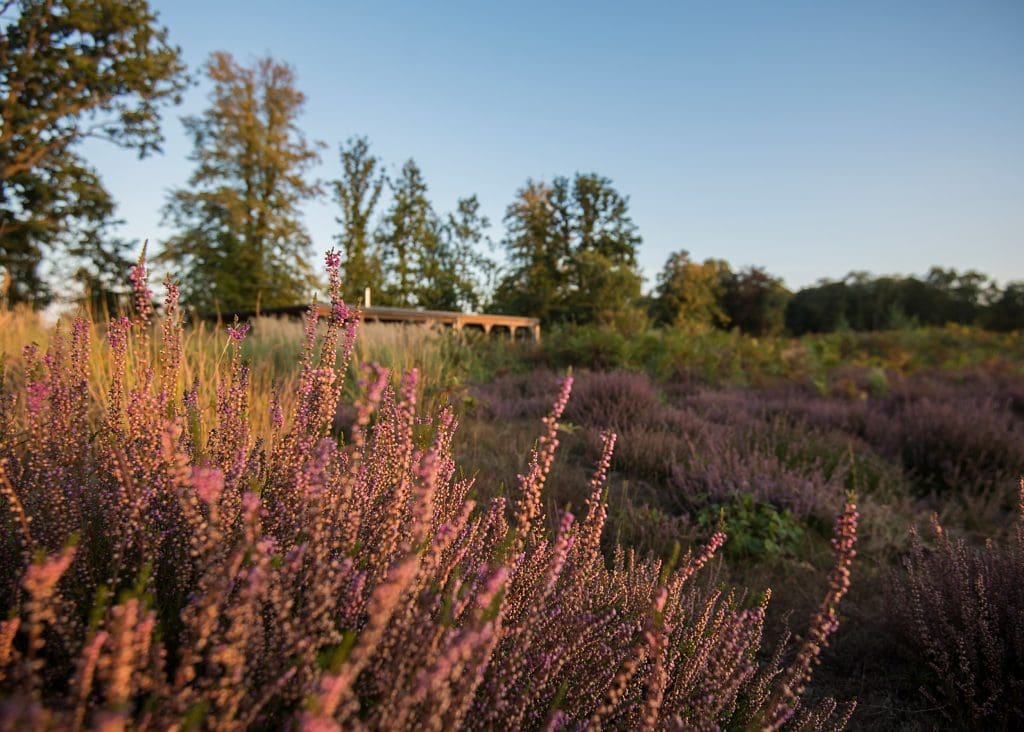
Heathlands are the most wonderfully atmospheric and rich places to visit, particularly in autumn. One of the most contested habitats in the UK, threatened with forestry, development and urban expansion, they are also an RSPB priority landscape.
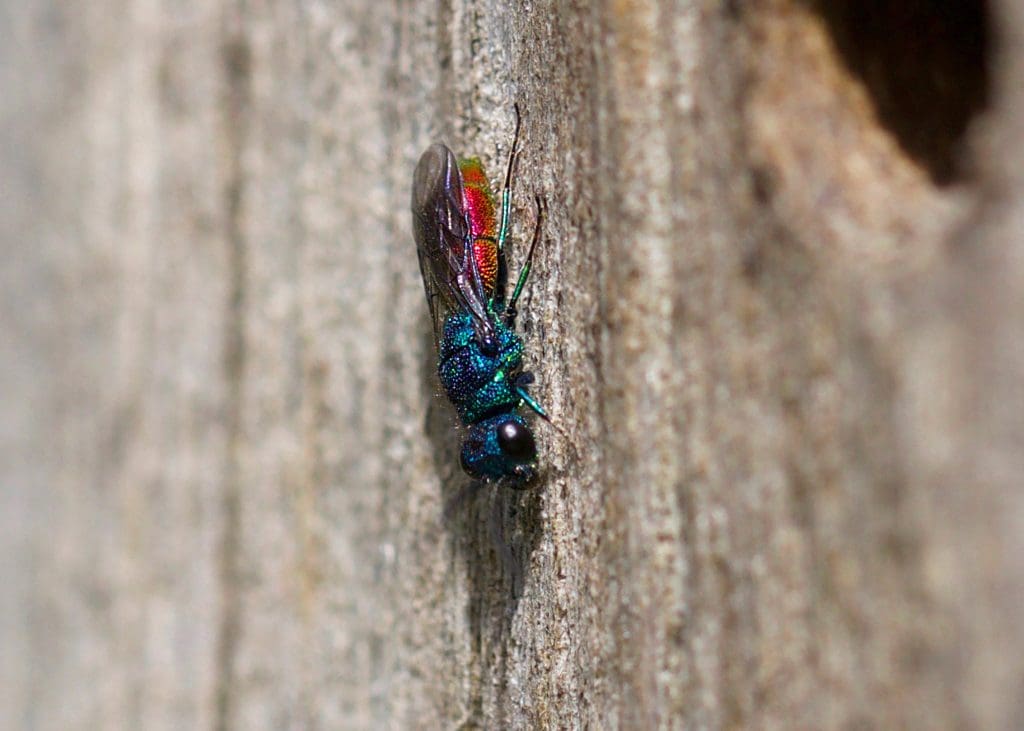
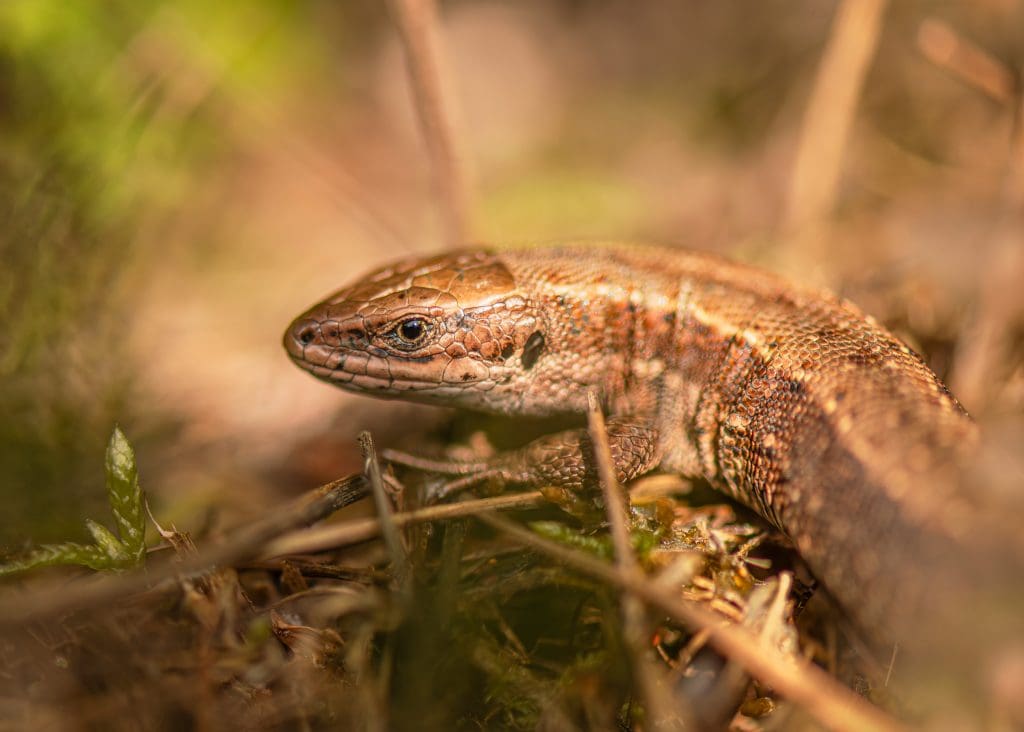
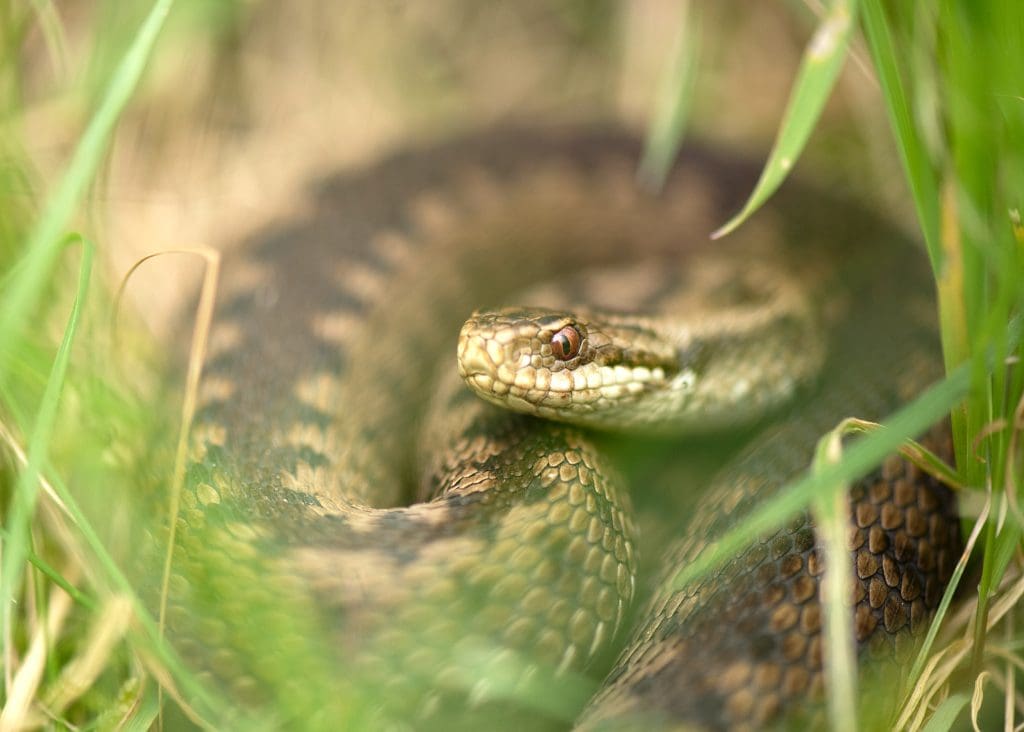
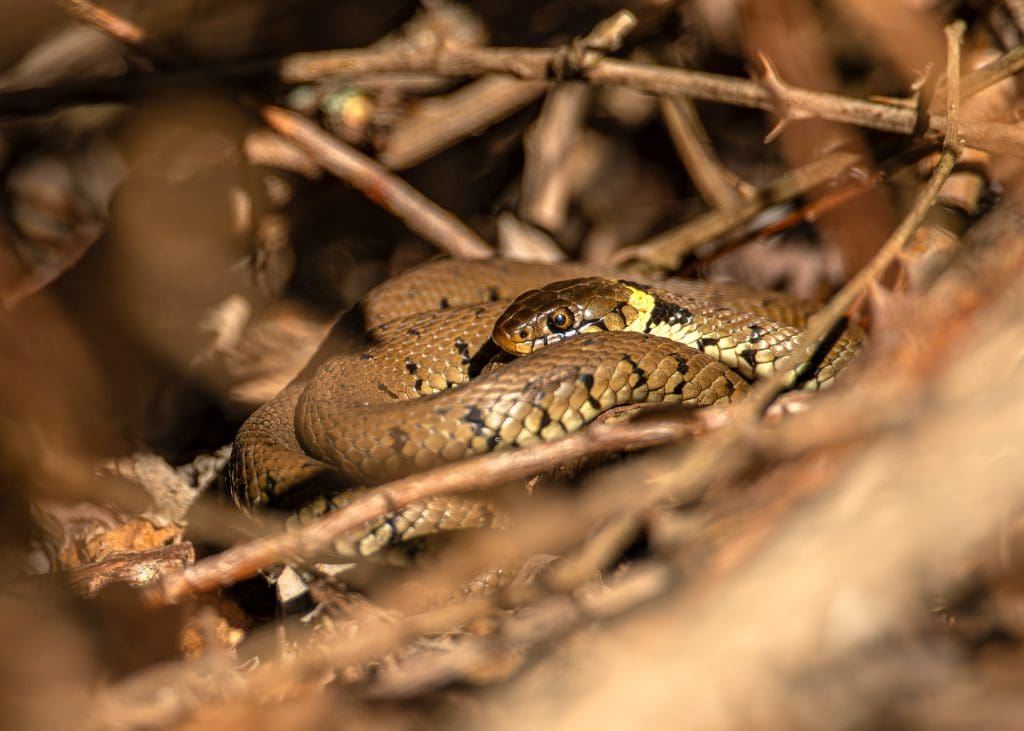
Amongst purple heathers, russet-leaved Bracken, spider web-glittered gorse and the red and gold of Birch and Rowan, you might glimpse one of our reptiles – a Common Lizard, an Adder or a Grass Snake perhaps, powering up in a last late patch of sunshine before hibernation, or the jewel of a ruby-tailed wasp, or a dragonfly over a heathy pool. Summer seems to linger on the open expanses of these wild-feeling places; a certain warmth is retained, and the slide into autumn done with colour, interest and quiet grace. Heathlands yield great fungi too – Wood Blewits, Brown Birch Bolete and Cauliflower Fungus, and the colourful ‘margarita pizzas’ of Fly Agaric.
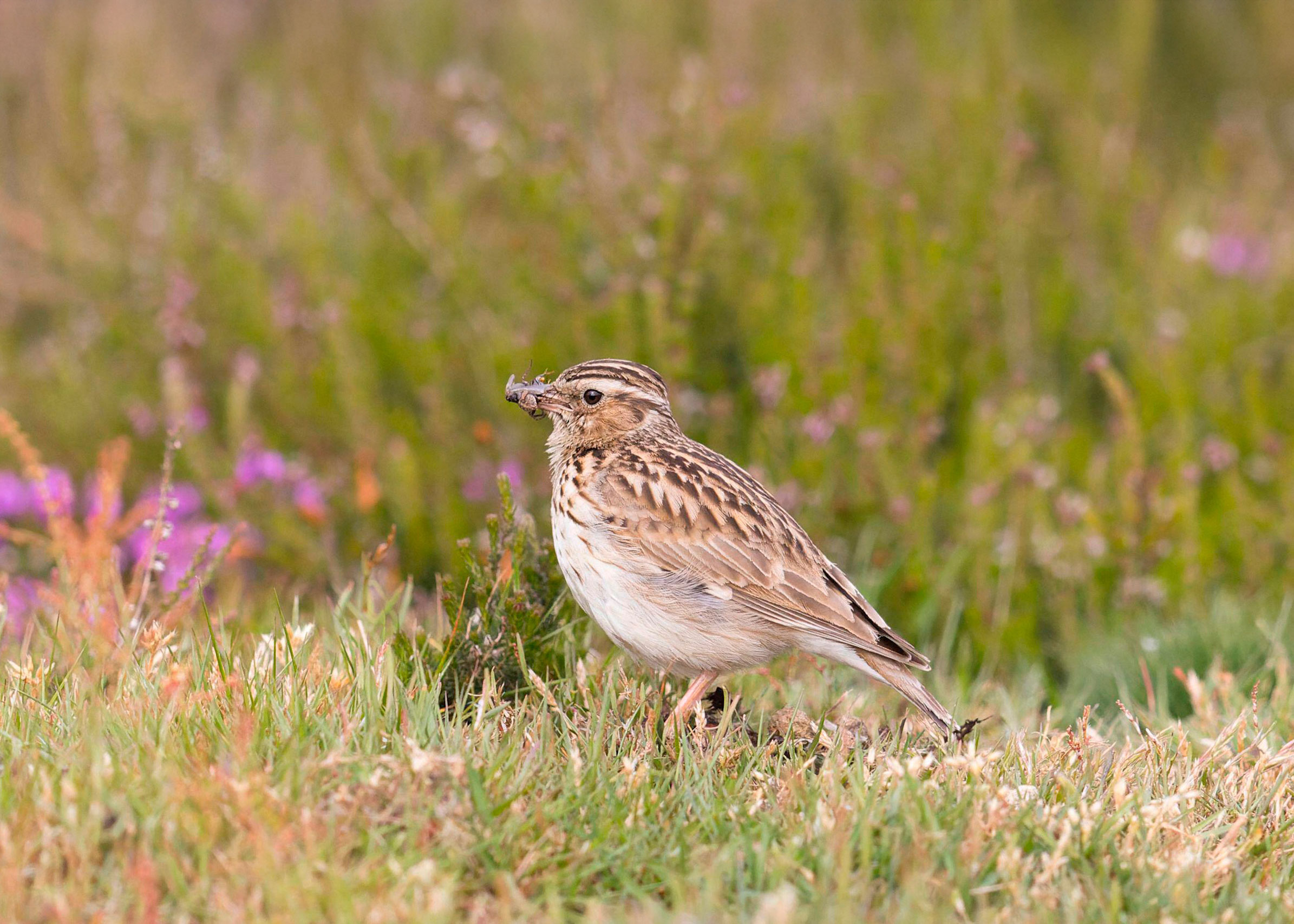
You may catch the sweet, melancholy alleluias of Woodlark that sometimes sing on, as they do on my local patch, or even, in earliest autumn, a last churring Nightjar before they leave for sub-Sahara. I remember watching two birds displaying in a dusky heathland clearing in the first week of September, when I thought they’d be long gone. I also remember my first survey of them, years ago, where I began to record a nearby generator beyond the common on my patch (where I also saw my first fire-eyed Dartford Warbler) until a real Nightjar struck up, and I recognised, laughing, their true mechanical melody.
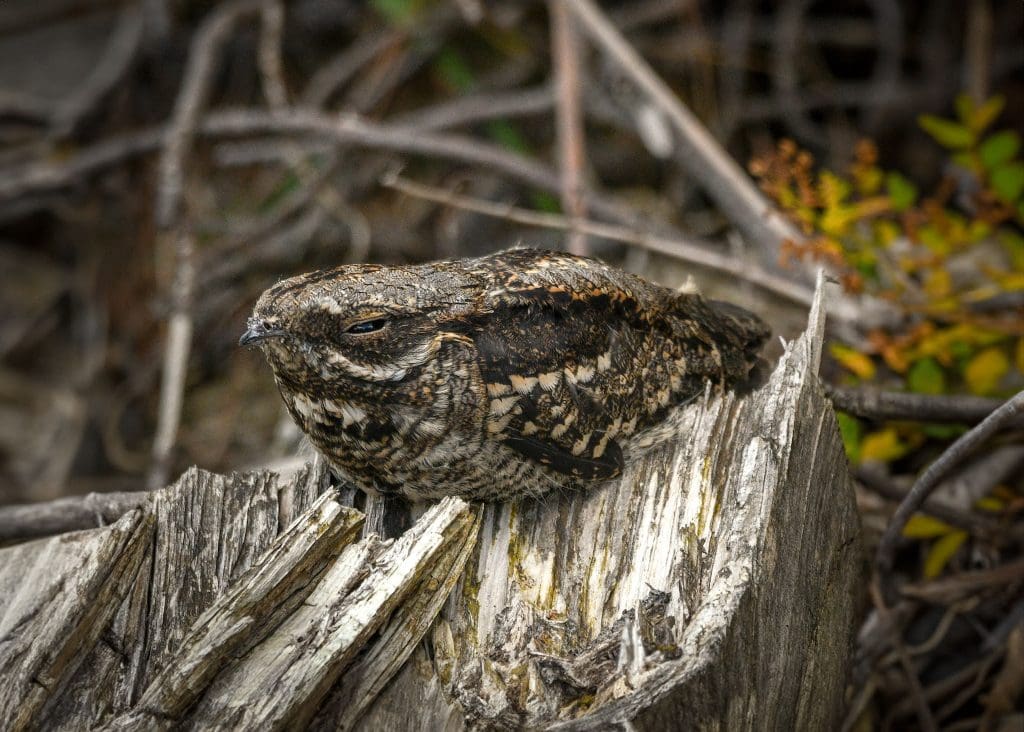
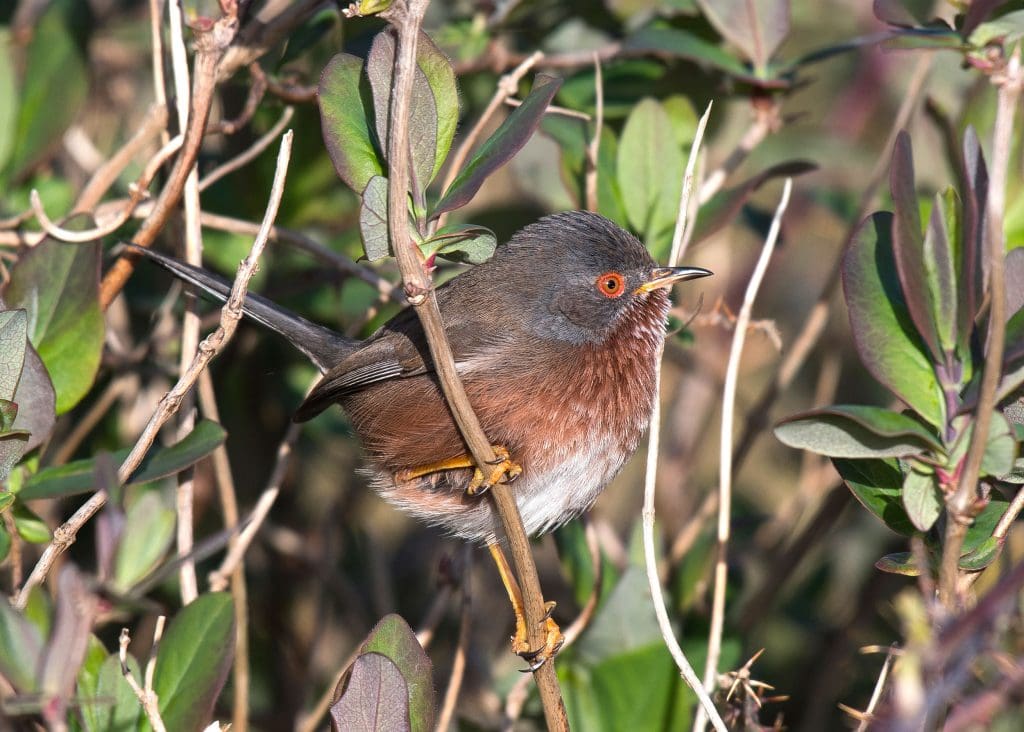
This year, when I visit those autumnal heathlands, in the season that brings with it its air of wistful yearning, so suited to the Woodlark’s song, I shall be comforted with good news: something that often feels Red-listed itself, when it comes to nature. In 2025, 1,200 volunteer birdwatchers and six research assistants surveyed heathland birds across the UK and Channel Islands, updating knowledge of their numbers and distribution for the first time in 20 years. Led by the British Trust for Ornithology and the RSPB, with support from Natural England, the survey focused on Woodlark, Dartford Warbler and Nightjar.
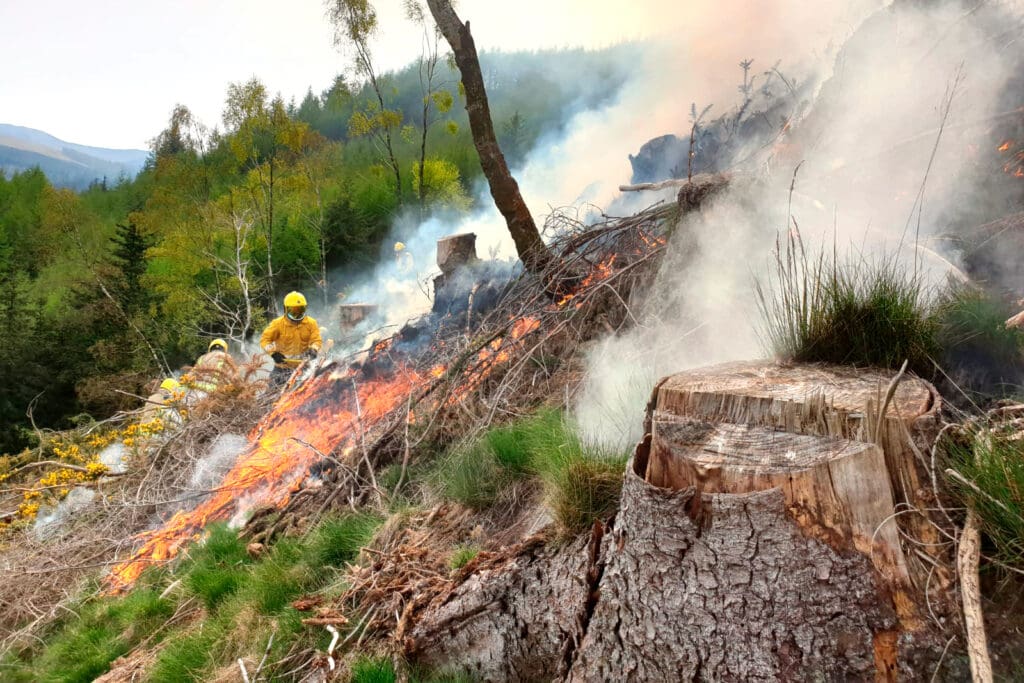
The survey found that Dartford Warbler and Woodlark territories increased by around 27% and 29% respectively since their last national survey in 2006. As the northernmost population of this resident warbler, Dartford Warblers have benefited from milder winters, although hotter, drier summers bring greater fire risk to heathland, as has happened to devastating effect this summer. Although some aspects of climate change are predicted to benefit the UK Dartford Warbler population, it is also expected to severely affect populations at the southern limit of the species’ range in Spain and Portugal.
RSPB Chief Executive Beccy Speight reflects on a summer of destructive wildfires
Nightjar territories also showed an increase of around 20% since the last national survey in 2004. Both Woodlarks and Nightjars showed notable range expansion, with Nightjars breeding in increasing numbers in Scotland. Success seems to be down to careful habitat management and restoration (at RSPB Arne, Nightjar numbers have tripled since 1990, helped by this type of work). Volunteer time is key to this knowledge, and to the success of future planning, protection, management and security of heathland.
Good news is all too rare in this wild realm that we love, so I shall hold that close to my heart when I visit a heathland this autumn, and use it to spur me on, to do more. And to know that together, one way or another, we’ve all helped make this happen.
You might also like
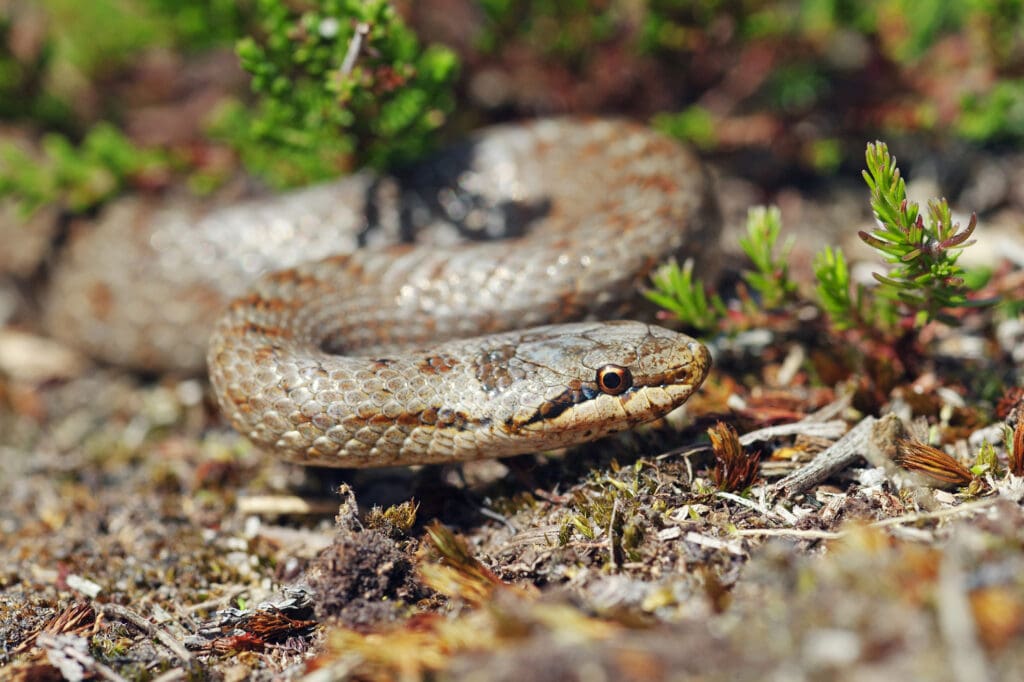
The spotters’ challenge: reptiles
Help protect wildlife from wildfires