Experiencing nature on a daily basis is a hugely significant part of my wellbeing. Subconsciously or instinctively, I seek it out. It is key to my happiness. It helps soothe and excite me, focus or galvanise my thoughts and actions, or allows me to just be. I am lucky that I’ve known or felt the mental health benefits of access to nature all my life. But this recognition can benefit us at any point. And if circumstances cut us off from nature, we know to find a connection. Decades ago, working on an industrial estate, I found lunchtime routes to a trolley-filled scrap of canal with willow trees, Grey Wagtails and Kingfishers. Holed up recently with a broken leg, the view outside the window and my nature-themed books and art only deepened my love and connection to it all.
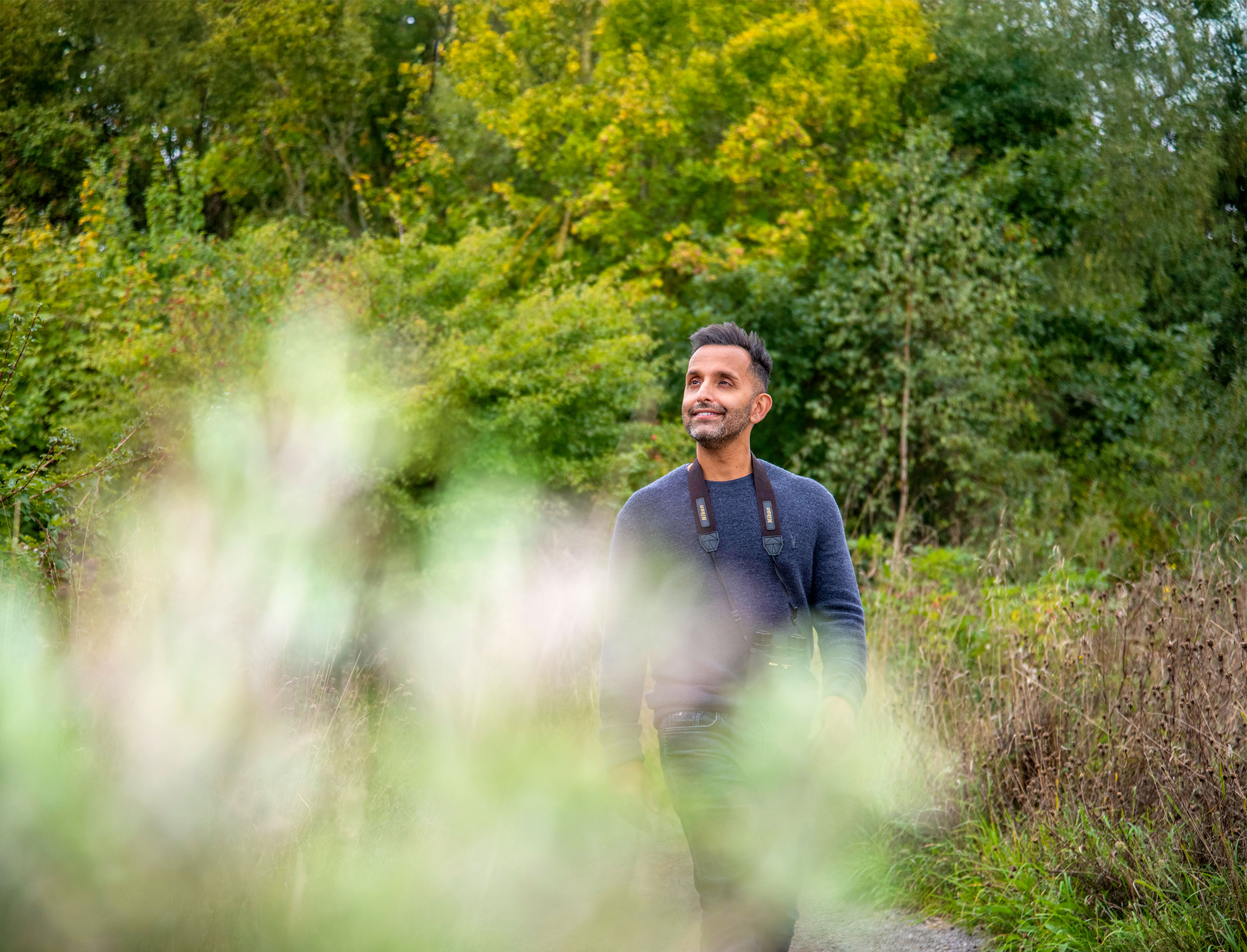
The RSPB’s President, Dr Amir Khan, a much-loved NHS doctor, author, presenter and lecturer, is passionate and well-versed in the topic and science of nature and wellbeing. “I talk about the health benefits of nature with my patients when I feel it will help them, and would like everyone to be able to experience it, whether you live in an inner city or the countryside.” He talks about the reciprocity of our relationship with the natural world – something I know as ‘wild service’ – “When we care for the natural world, we nurture our own health, too. This is the biophilia hypothesis – our innate desire to connect with nature.” Dr Khan practises this for himself: “Immersing myself in nature is my way to clear my head. It can be comforting to realise that nature is going about its business without worrying about the things we’re worrying about.” I couldn’t agree more. Daily nature keeps me falling in love with the world anew; whatever else is going on.
‘Daily nature keeps me falling in love with the world anew; whatever else is going on’
As a GP, Dr Khan has seen the benefits first-hand. “Nature Prescriptions and green prescribing empowers healthcare professionals to guide patients toward meaningful connections with nature, helping to improve their wellbeing alongside other prescriptions and recommended medical advice.
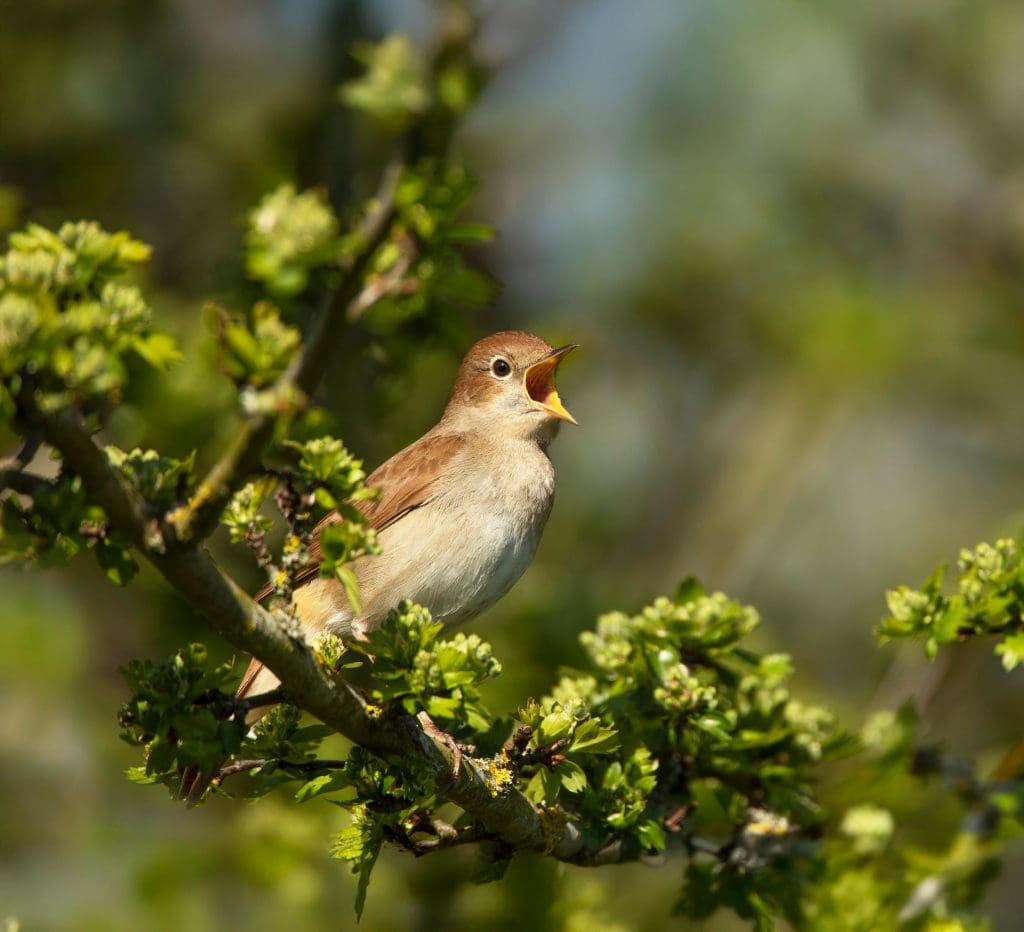
“Just 10 to 15 minutes in nature can lift our mood, reduce anxiety, and increase feelings of calm.” We may have forgotten, but Dr Khan says, “The idea that nature is good for us actually goes back thousands of years! When our very-distant ancestors were looking for places to settle, being around places where they could hear birdsong suggested that they would be safer, as there were fewer predators around. Many, many generations later, we still feel comforted, hopeful and safe when we hear birdsong.”
Dr Khan advocates finding nature where we are, too, whether it’s hanging up a bird feeder near a window, visiting our nearest green space, or following “incredible nature influencers on social media”. As a busy GP with many commitments, he enjoys reading inspirational stories of people engaging with nature. Like me, it reassures him that, as nature lovers, we are a community, capable of solutions that engender and multiply hope and action for nature, and ultimately, each other.

Take time for you
This Mental Health Awareness Week, from 11–17 May, why not press pause and spend some time in nature at your nearest RSPB reserve? From peaceful walks to discovering seasonal feathered visitors, even a short visit can help you feel calmer, clearer and more refreshed.
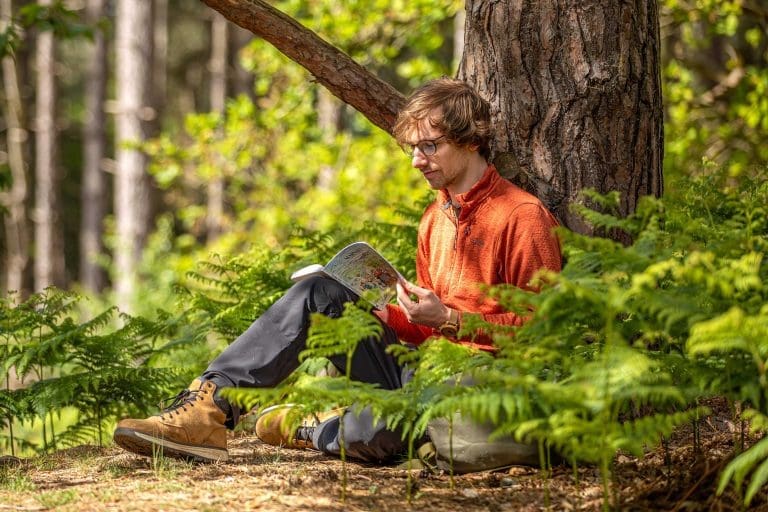
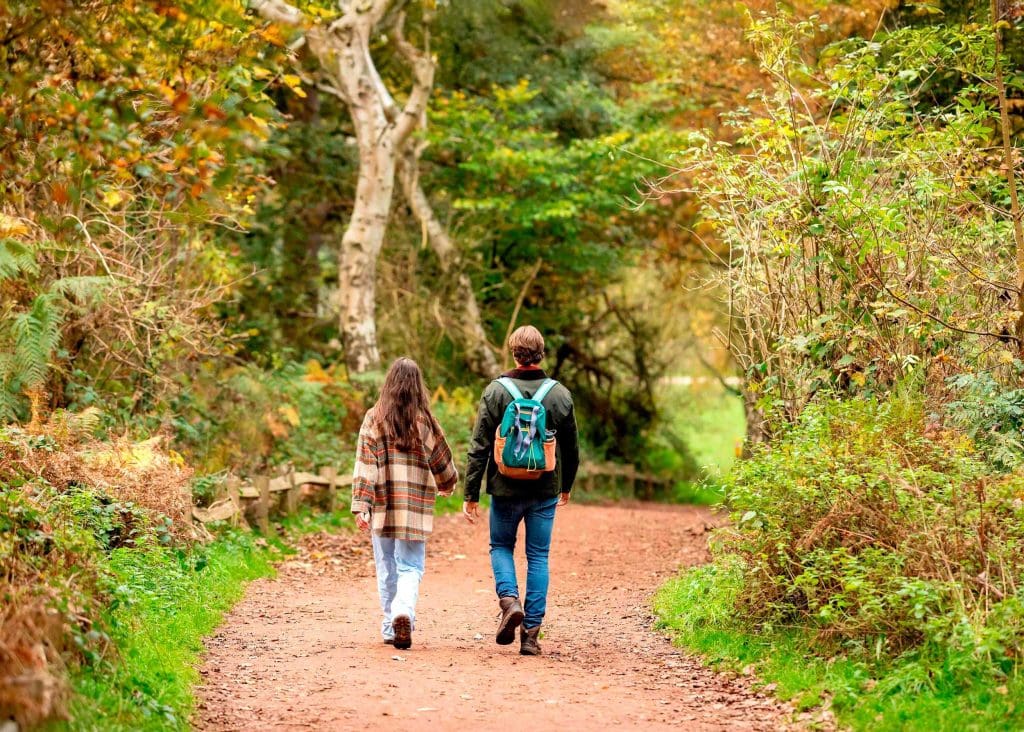
Spend time in nature for your mental health. Photo: Ben Andrew (rspb-images.com)
You might also like
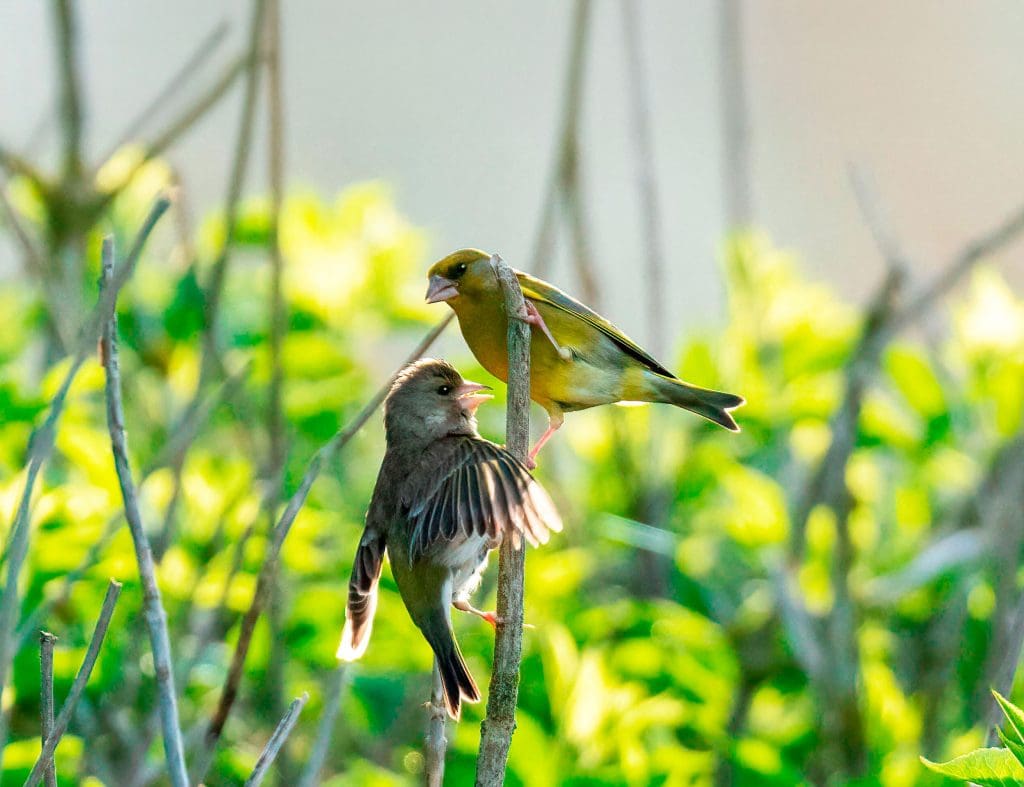
Small change, big impact: how to feed your garden birds
Days out in nature this season